.jpg)



- დახარისხება
- თარიღი
დაამატეთ სახელები, თარიღები ან ნებისმიერი ველი



დაამატეთ სახელები, თარიღები ან ნებისმიერი ველი

Georgia's Wheat Heritage (ქართული ხორბლის კულტურა) New international research is bringing global attention to Georgia’s remarkable wheat heritage, revealing the earliest known evidence of soft wheat in Georgia. Alongside its 8,000-year-old winemaking tradition, Georgia’s ancient wheat tells another extraordinary story of the country’s contribution to human civilization. Music by Sukhishvilebi

New international research is bringing global attention to Georgia’s remarkable wheat heritage, revealing the earliest known evidence of soft wheat in Georgia. Alongside its 8,000-year-old winemaking tradition, Georgia’s ancient wheat tells another extraordinary story of the country’s contribution to human civilization. Music by Sukhishvilebi

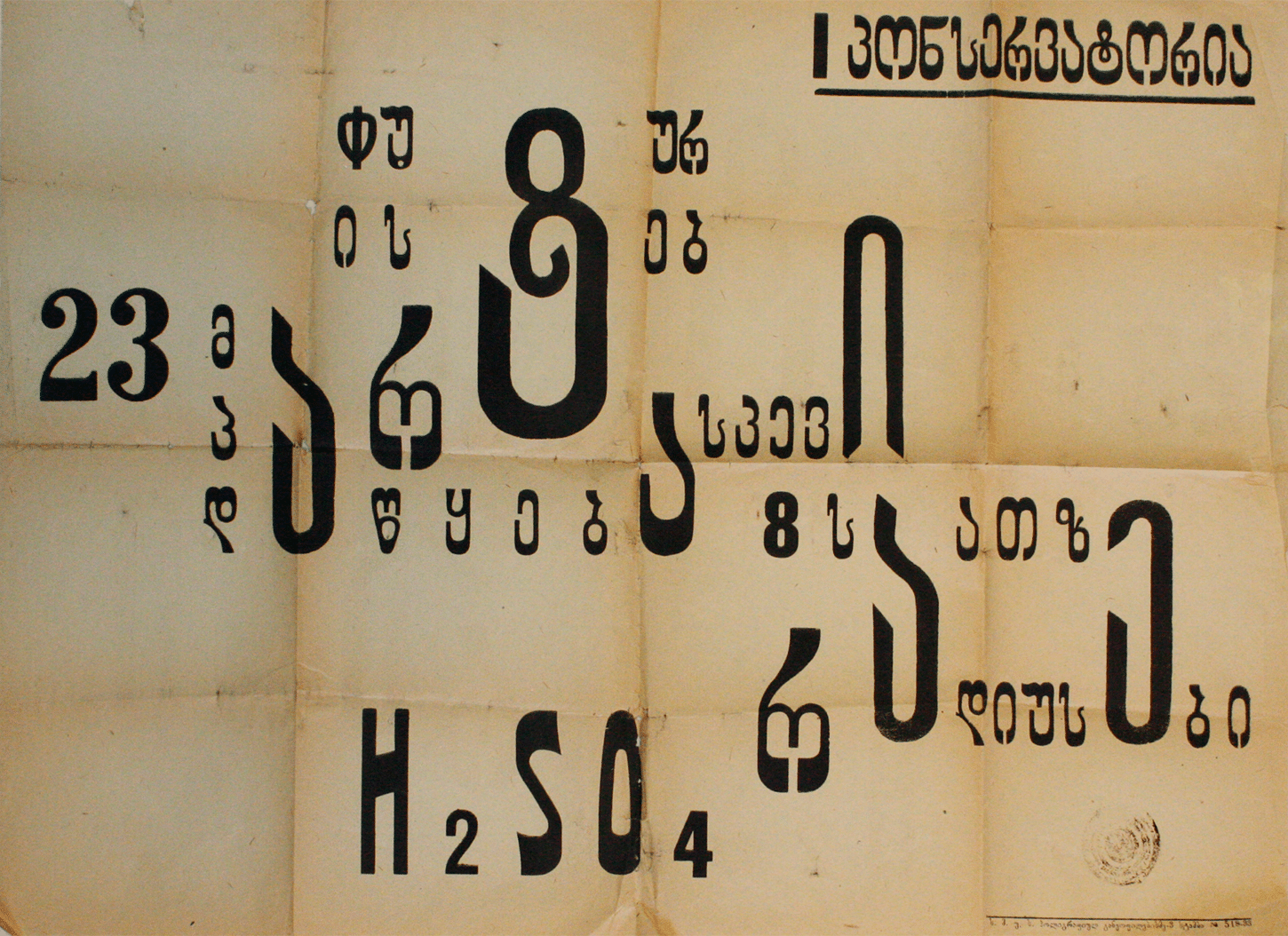
26th of May - Independence Day

The Svaneti Museum of History and Ethnography is located in Mestia, Upper Svaneti Region. It was founded in 1936 and since 2004 has been part of the National Museum of Georgia. The museum houses more than 4.000 items: archaeological objects discovered in Svaneti region, unique samples of engraved and painted icons, religious objects, manuscripts, weapons and armor, iron and cooper items, wooden ethnographic objects, adornments, silverware, textiles, etc. The museum's collections represent one of the most significant repositories of knowledge in the region.

The Soviet Occupation Museum is situated in the Simon Janashia Museum of Georgia. The museum houses materials, representing period of Georgian history, during the Soviet occupation (1921-1991). Most of items were collected from the Security Service archive, as well as archives of various museums, families, etc. Among them are: different kinds of documents and objects, photo materials, installations, etc. The museum has prepared educational program dedicated to the heroes who fought for the independence of Georgia.

The Vani Archaeological Museum of Georgian National Museum is the first archaeological museum in Georgia, founded in 1985 by Academician Otar Lordkipanidze. The museum is located in the ancient town of Vani, twenty-six kilometres from the city of Kutaisi. The archaeological excavations in Vani prove that the mythical land of Colchis truly existed. The museum’s oldest objects date back to the 8th - 7th centuries BCE, while the famous grave of the Colchian woman, where golden objects of immense significance were found, dates to the 6th to 4th centuries BCE. One of the highlights of the Vani Archaeological Museum is a statue of Nike, the Greek goddess of victory. This statue dates back to the 2nd to 1st centuries BCE, and is recognised as a treasure of immense cultural significance. It has been displayed in leading museums around the world. In 2023, Vani Archeological Museum of Georgian National Museum has received one of the prestigious, the Silletto Prize for Community Participation and Engagement.

This archaeological site, located near the village of Nokalakevi in the Samegrelo province, boasts a rich history dating back to Antiquity. Ancient Archaeopolis comprised a lower city and a citadel, both interconnected by defensive walls. Along with the huge fortification walls, with the main gate in the middle, the lower city preserves the ruins of palaces, baths, barracks, and three churches, two of which survive at ground level only, while the third was restored in the Middle Ages. Music by - Abkhaz State Song Ensemble Shavnabada • შავნაბადა - ჩელა/Chela

Jews have been residing in Georgia since ancient times. In Late Antiquity, Mtskheta, the Iberian capital, was home to a significant Jewish community. Jews lived in Tbilisi, Kutaisi, Akhaltsikhe, Tskhinvali, and many other towns and cities during the Middle Ages. First synagogue was built in 1877. Following the conquest of Georgia by the Russian Empire, Ashkenazis, i.e. Jews of German-Polish origin, moved to Georgia. They built a synagogue of their own. Nowadays, the Museum of the History of the Jews of Georgia is housed within it. The great Georgian poem “The Knight in the Panther’s Skin” has been translated into many languages. The Georgian Jew Gaponov translated it into Hebrew. In 1969, Gaponov’s translation of the poem featuring Tavakarashvili’s miniatures was published in Jerusalem. Shalom Koboshvili and David Gvelesiani were the most prominent Jewish artists in Georgia. Music by Enrico Macias & Charles Aznavour - Hava Naguila

Dmanisi is a snapshot in time, like a time capsule that preserves an ecosystem 1.8Ma ago. The Dmanisi site combines unique traces of different archeological periods. The site is rich in medieval and Bronze Age artifacts, but it is the wealth of paleolithic finds that have put it on the scientific map. The Village of Dmanisi lies 85 kilometers southwest of the Georgian Capital of Tbilisi. In the Middle Ages, Dmanisi was one of the most prominent cities and an important stop along the old Silk Road.

Discover the BOLNISI MUSEUM, where you can view exhibitions that reveal the nature of the region, the history of the first hominin, and the emergence of agriculture. Here you can also see the evolution of ancient metallurgy and Bronze Age cultures, early Christian architecture, examples of old Georgian inscriptions, and stone and clay artifacts from the medieval era.
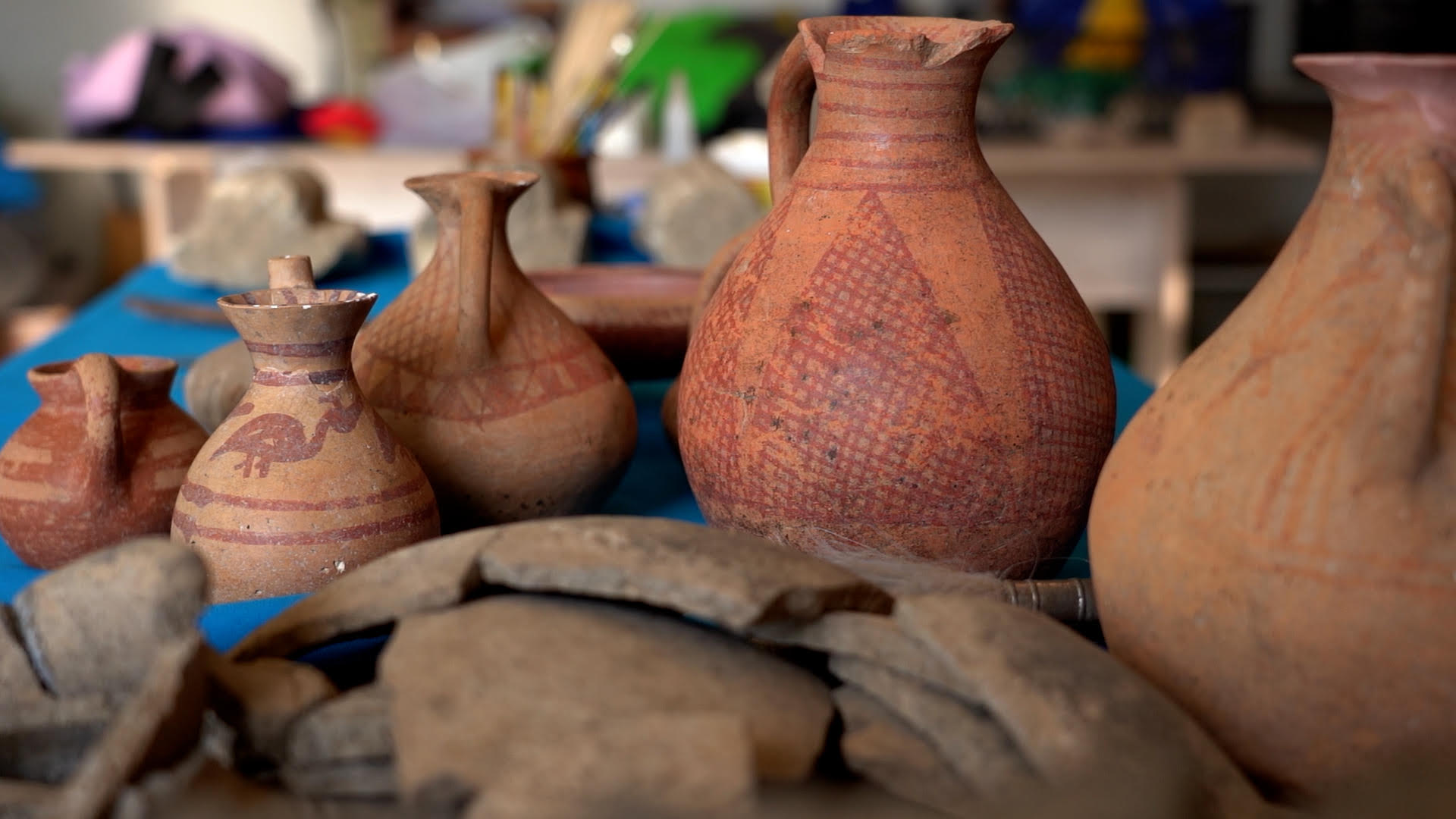
Among numerous archeological discoveries made in Georgia over recent years, the Grakliani Hill find has attracted special attention Although it has only been 12 years since archaeologists appeared here, 11 different periods of human activity have already been established, beginning from the Old Stone Age (about 1,500,000 - 1,800,000 years ago) up to the fourth century AD. Within this very extensive timeframe, two periods draw particular attention: the V-IV centuries BC and the X century BC.