




 Share this article
.jpg)
.jpg)
Amir Kakabadze was one of the most notable players on the Georgian art scene throughout the second half of the 20th century. He was born in 1941 to the family of David Kakabadze, a well-known Georgian artist. Eter Andronikashvili-Kakabadze, his mother, was also an artist. As a result, Amir had a natural affinity for drawing at a young age. Following his graduation from the I. Nikoladze Art School in 1961, he was enrolled in the Tbilisi Academy of Arts, where he first studied theatrical painting at the Faculty of Fine Art, in 1967, under the guidance of P. Lapiashvili. He continued his postgraduate studies in 1972.
.jpg)
The artist's diploma work brought Kakabadze his first recognition- a set design for the play ‘Saints in the Hell’ by A. Getsadze, staged in 1967 at the Kote Marjanishili Theater. His laconic ornamentation set and costumes well reflected the sophisticated scenographic tendencies of the 1960s, which included a preference for natural materials and simplicity. The artist gained further popularity for playing his role in a film dedicated to Niko Pirosmani, directed by Giorgi Shengelaia in 1969. He played the role of a well known Georgian artist Lado Gudiashvili in this film. Although he was not an actor by trade, Amir Kakabadze's daily life was deeply influenced by this role, adding a unique dimension to his persona, where his appearance, attire, and behavior appeared both "staged" and natural at the same time. His artwork, collages, and assemblages seamlessly merged with his appearance, creating a reality that felt intimately connected to him: he himself was a part of this unified expression.
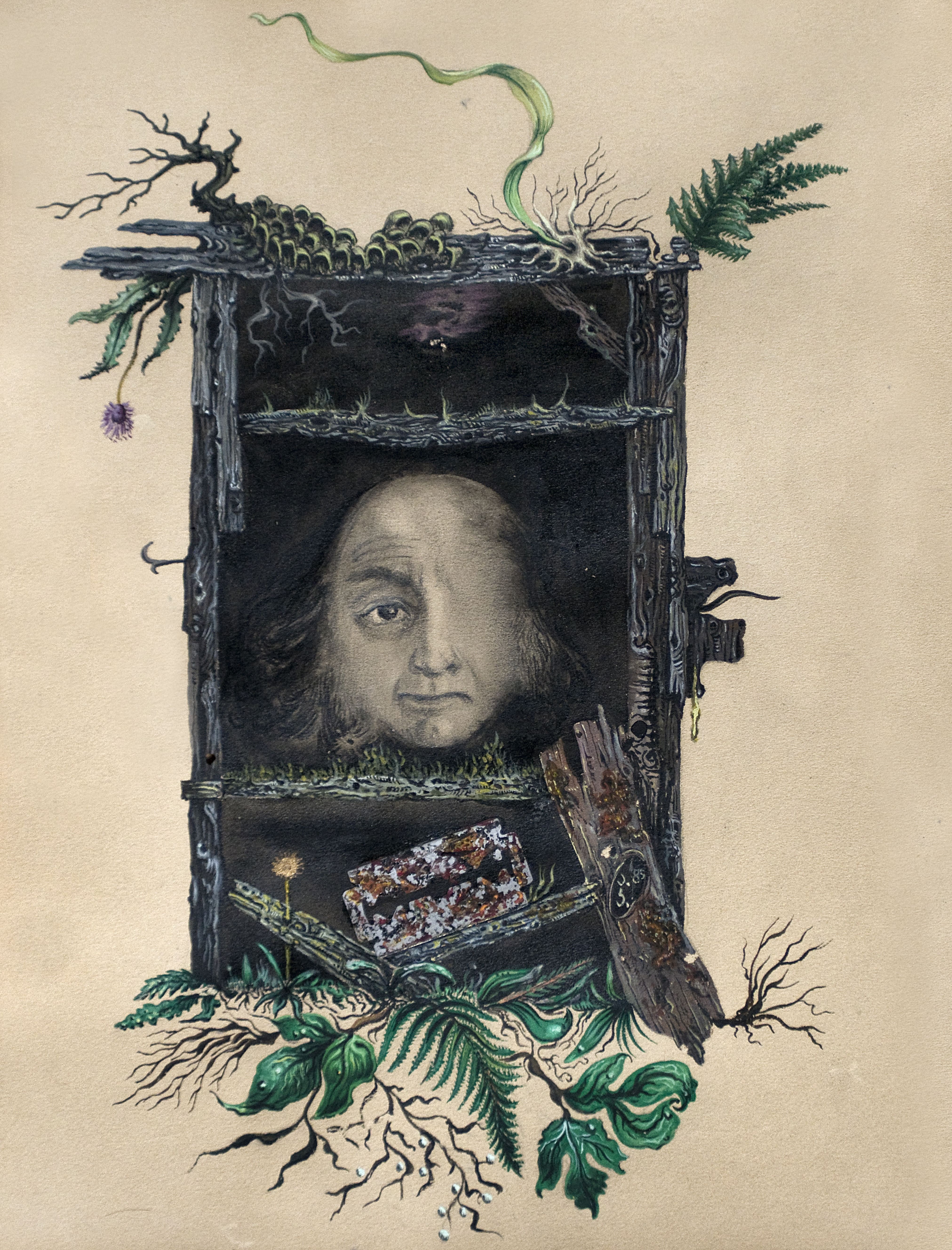
Amir Kakabadze, a painter and graphic artist, was notably renowned for his mixed media works, which included assemblages and collages. In Georgia of the 1970s, his "pop art" pieces stood as a testament to the author's avant-garde thinking, his defiance of established requirements, and his drive to establish novelty. In his compositions, Kakabadze repurposed fragments from a variety of objects, imbuing them with an unusual and occasionally unexpected meaning. But his collages didn’t only consist of physical objects. He also created intricate graphic works on sheets from old notes or publications, where he painted "collage" compositions (mainly with gouache) fueled by his imagination. In these works, numerous details from different contexts surrealistically intertwine – a feather and a butterfly wing, a postage stamp and a pin, a leaf and a grand piano, an old chair and a city panorama, a spring, and many others. Together, these elements form dreamlike landscapes, while the execution, combined with the artist’s avant-garde vision, demonstrates his exceptional academic skills.
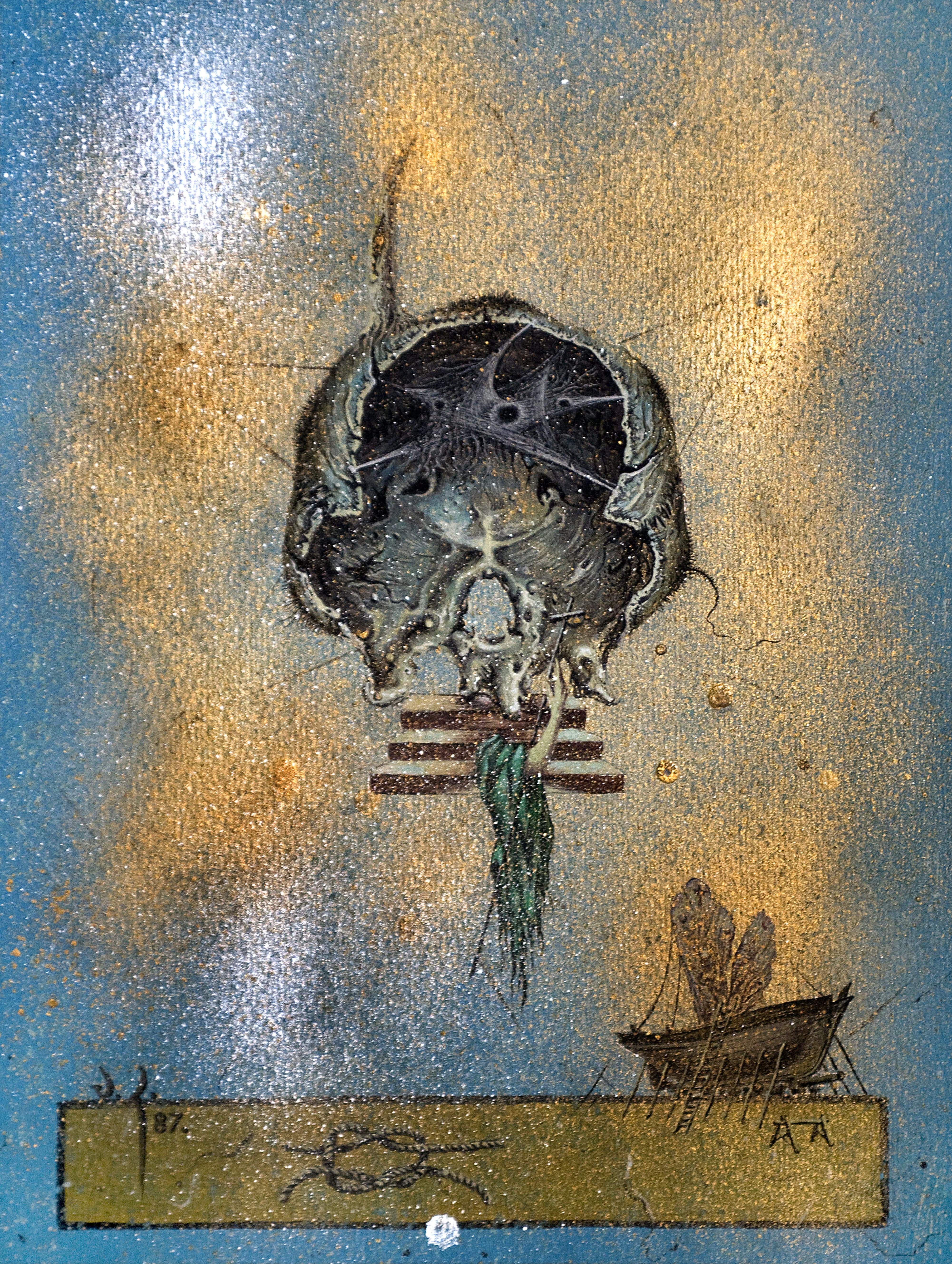
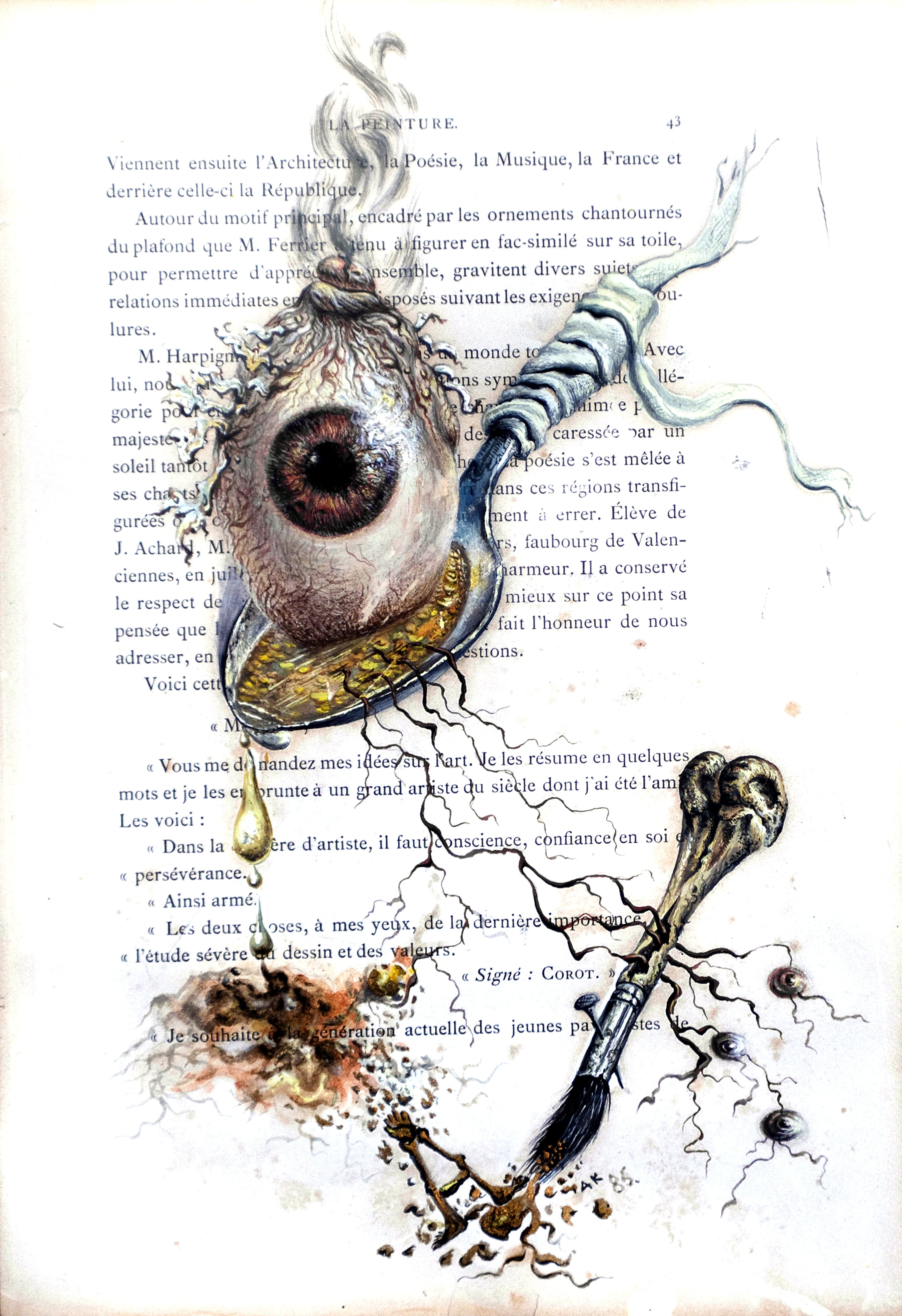
One of Amir Kakabadze’s graphic series, Metamorphoses, follows this same approach. Inspired by metaphysical painting and surrealism, particularly the art of Salvador Dali, both tendencies stimulated the author's imagination and drove it on a specific path. The world he constructed as a result of this inspiration is unique and reflects his poetic nature. Kakabadze's thoughts on reality are woven into fabric, lace, watches, old shoes, tool fragments, gloves, and keys, as well as their interactions. More precisely, he immersed himself in the old and the past, using his chosen objects to create a fictional reality out of fragments – reality through which the artist escaped from everyday life and developed modern views in the context of that rejected reality.
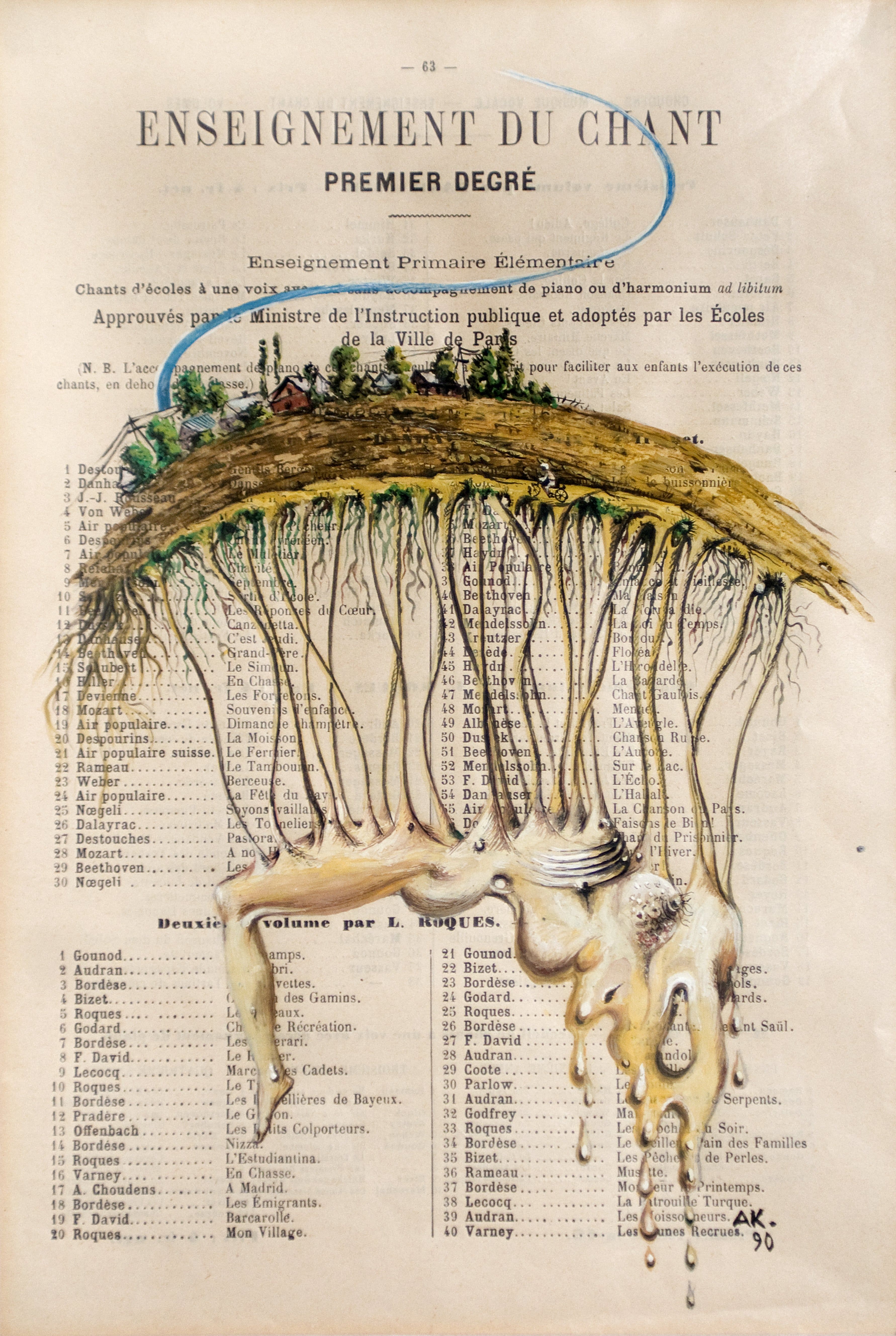
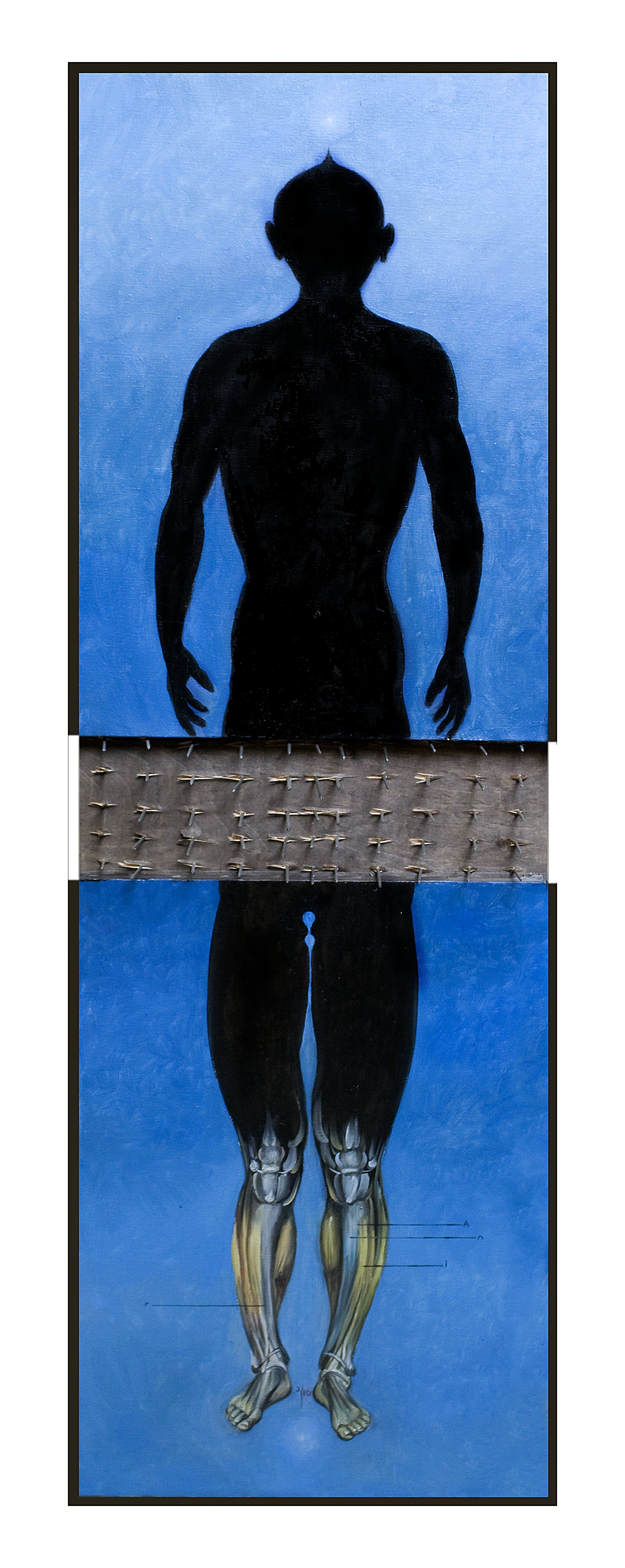
One of Amir Kakabadze's most remarkable "canvases" and outstanding "collages" is his work for Aleksandre Rekhviashvili's film ‘Georgian Chronicle of the 19th Century’ (1987), where the artist collaborated with the director to create a film that was not only exceptionally important, but also highly artistic.
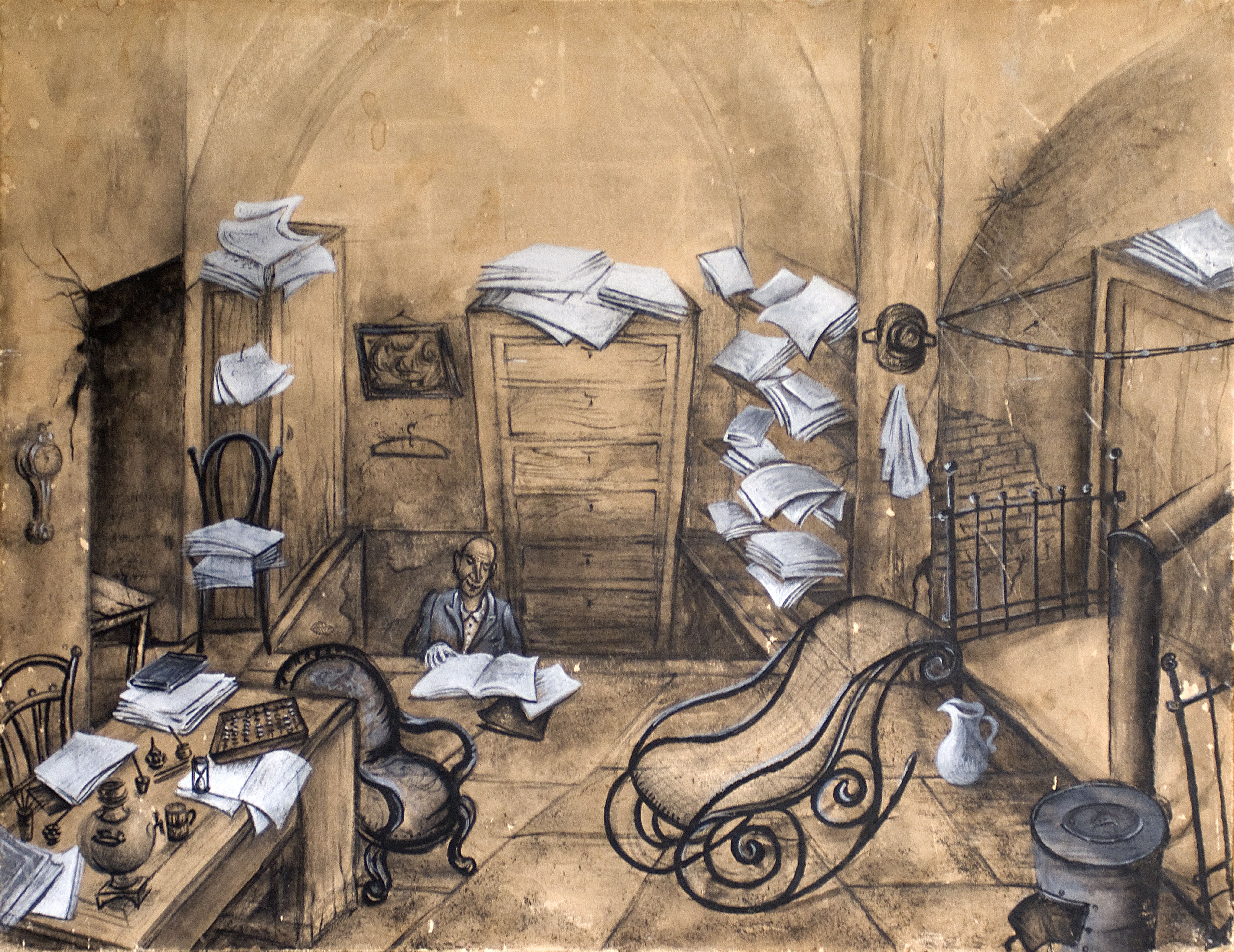
Throughout his life, Amir Kakabadze periodically lived and worked abroad, in Moscow and Paris, establishing his own distinctive artistic world wherever he went. Thanks to his creativity and personal qualities, he brought a unique flair to the artistic scene of his native Tbilisi. As a pop artist and surrealist in the Soviet Union, Kakabadze became a key figure in a small circle of avant-garde artists who broke “clichés” and introduced innovations through their works.
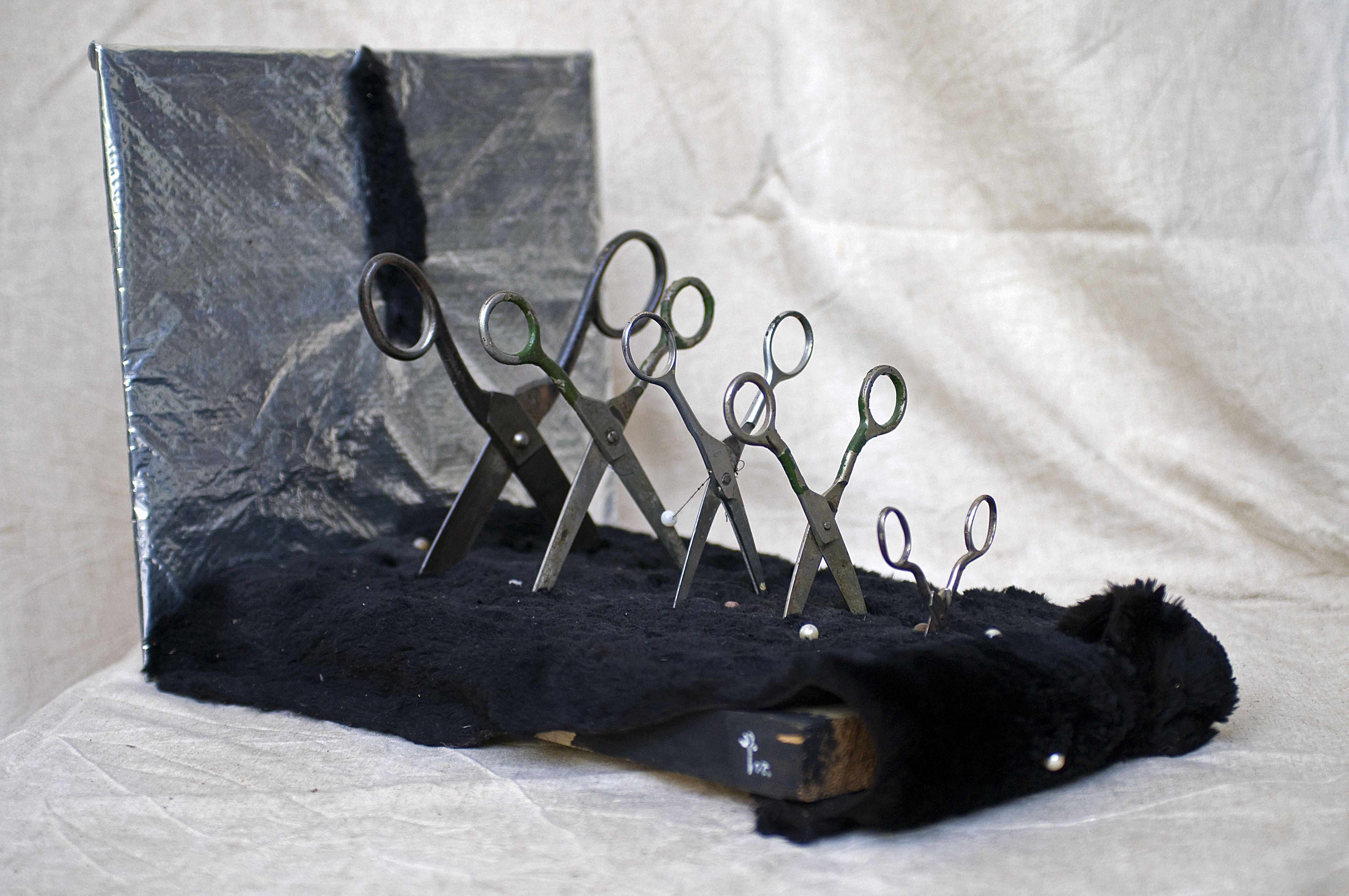
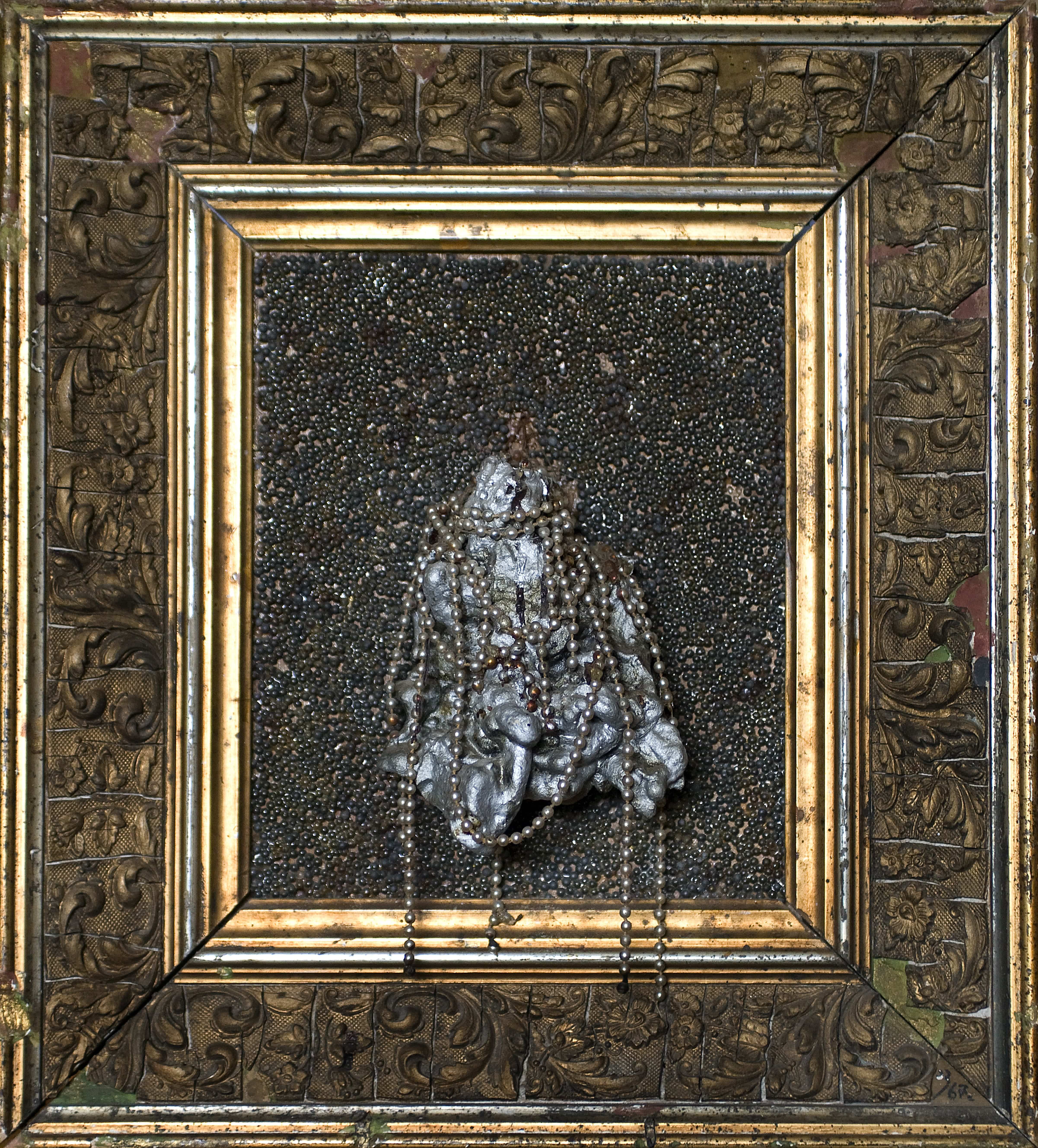
Today, Amir Kakabadze's works are preserved in numerous private collections and museums around the globe. On passing away in 2015, he was laid to rest in the Didube
Pantheon of Writers and Public Figures in Tbilisi.
.jpg)
.jpg)