.jpg)

.jpg)


- Sort by
- Date
Feel free to add tags, names, dates or anything you are looking for



Feel free to add tags, names, dates or anything you are looking for
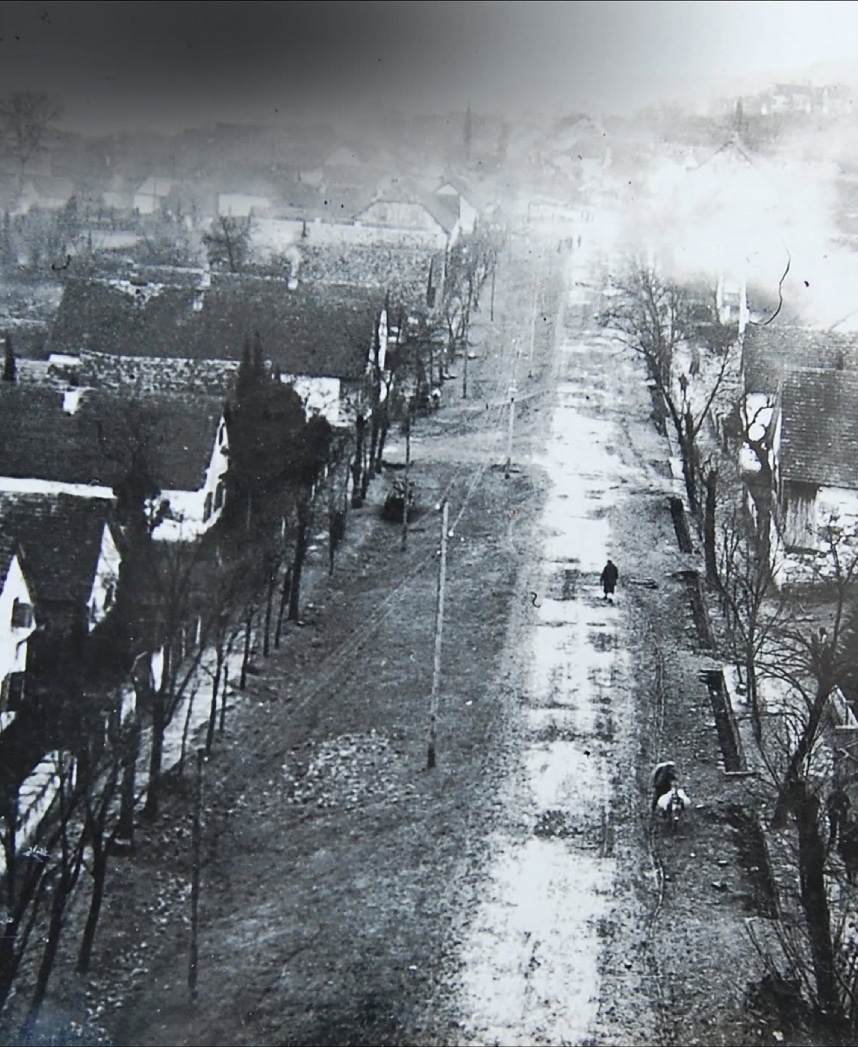
Migration is not a phenomenon unique to the 21st century. While Georgians today often move to Europe in search of better opportunities and living conditions, in the early 19th century, the movement went in the opposite direction, with Europeans coming to Georgia in search of a better life.
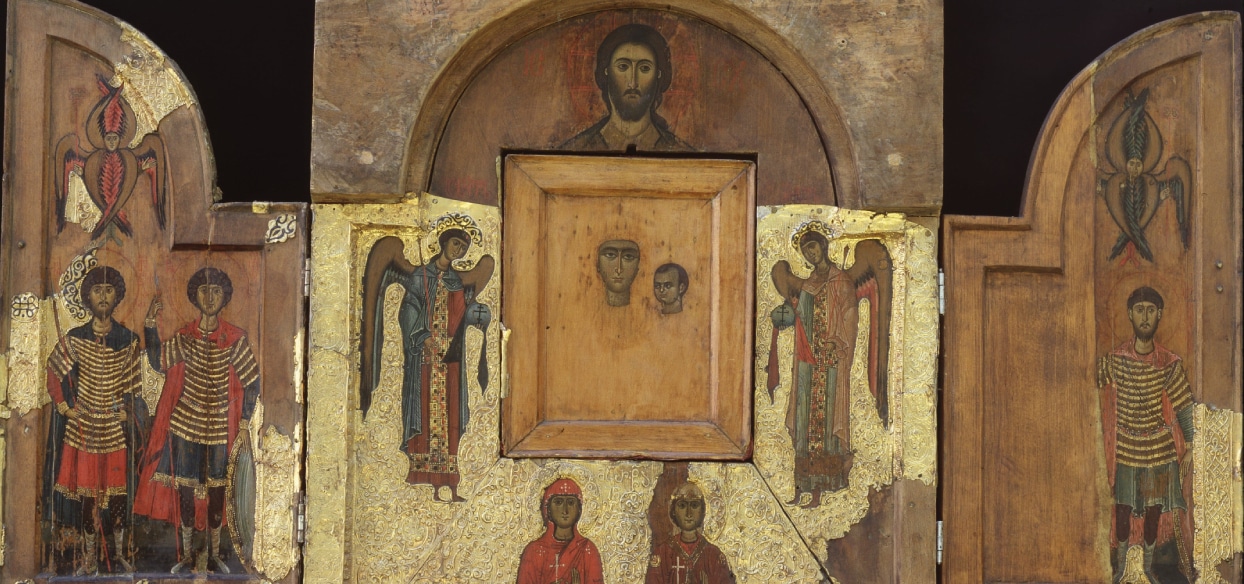
Triptychs, three-panel icons, constitute a distinct category of Christian devotional images. This type of icon allows the depiction of multiple figures and compositions, conveying complex theological concepts. The Seti triptych, named after the St. George Church in Seti, Mestia, Upper Svaneti, where it was housed, is a striking example of this type of icon.
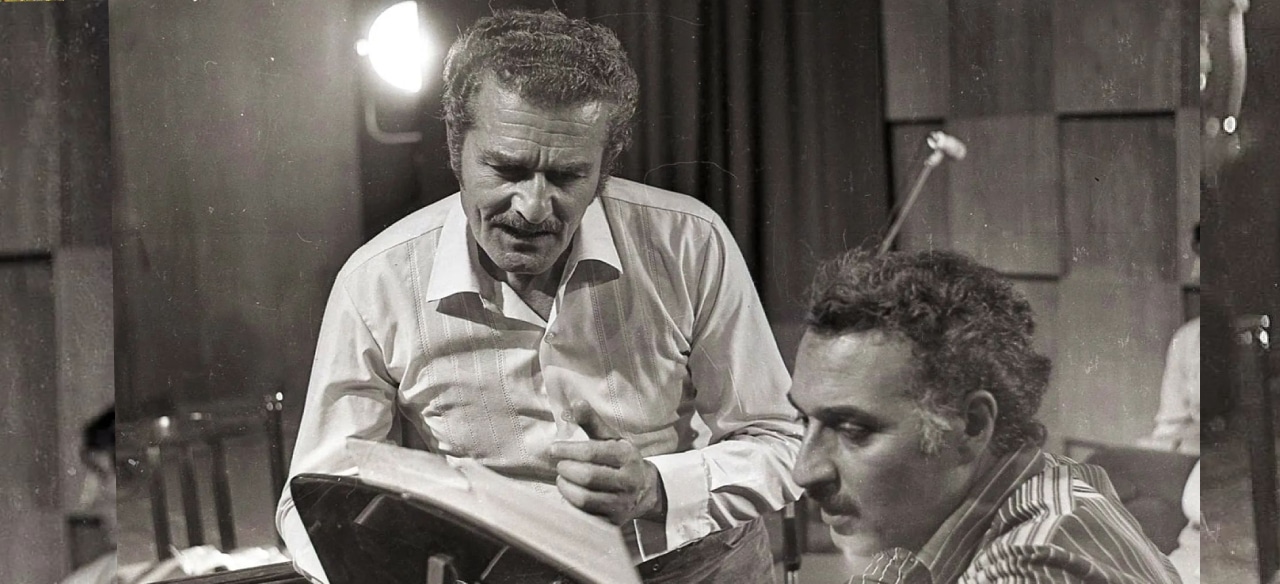
At a time when images constantly compete for our attention and stories are often built around immediate emotional impact, Otar Iosseliani’s films do the opposite: they ask us to slow down, observe and listen. His cinema finds drama in ordinary life, in a gesture, a silence or a conversation.
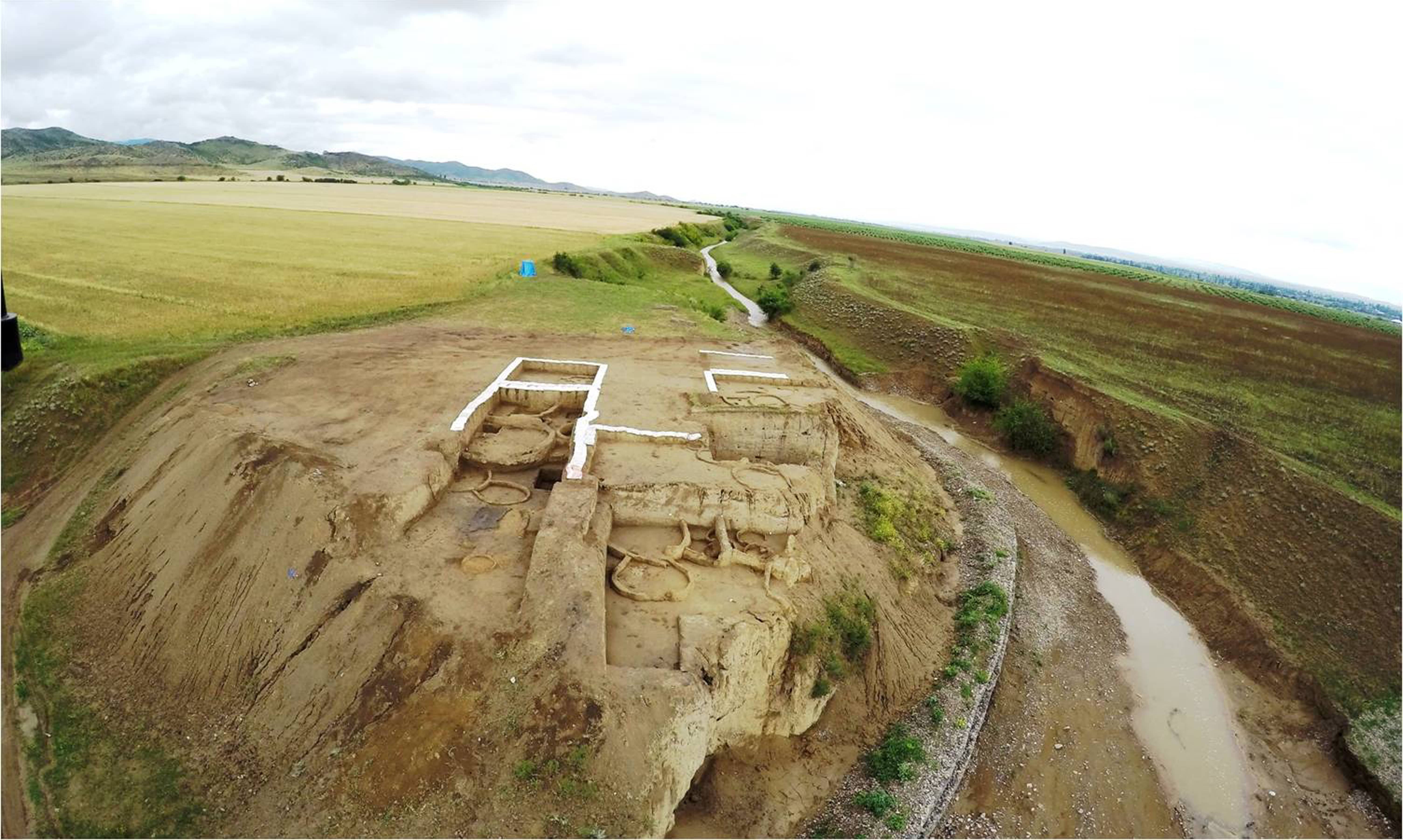
“Georgia has always been and must continue to be a country of bread and wine...” - Ilia II, Catholicos-Patriarch of All Georgia, 2006 These words were spoken in a significant and historical context in December 2025, when UNESCO added “Georgian Wheat Culture: Traditions and Rituals” to the Representative List of the Intangible Cultural Heritage of Humanity. The decision to do so was made during the 20th Session of the Intergovernmental Committee held in New Delhi.
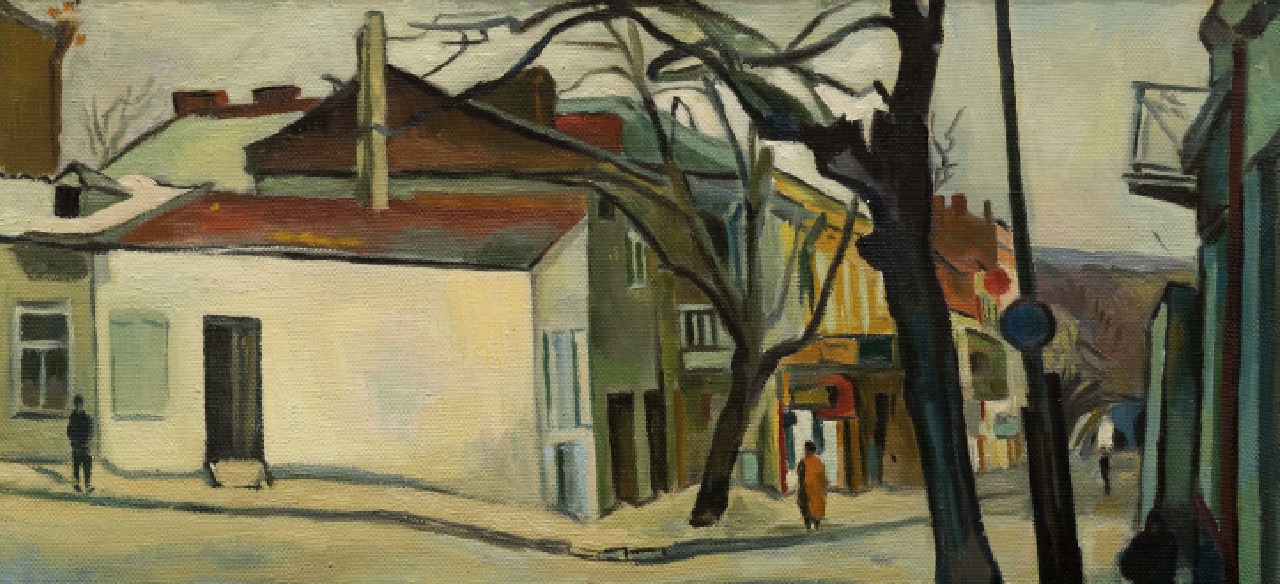
In 1970s Soviet Georgia, the pressure of socialist realism propaganda and censorship had lessened significantly, but nonconformist artists were still unable to take advantage of state benefits. Without large orders, they were unable to buy cars, apartments, or country homes with party lists, nor could they hope for a personal exhibition or widespread recognition. Yet, locked in their studios, they retained their creative freedom, refused to praise their leaders, and in doing so, learned to expect, no accolades from them. Half-starved, they continued to produce true art.
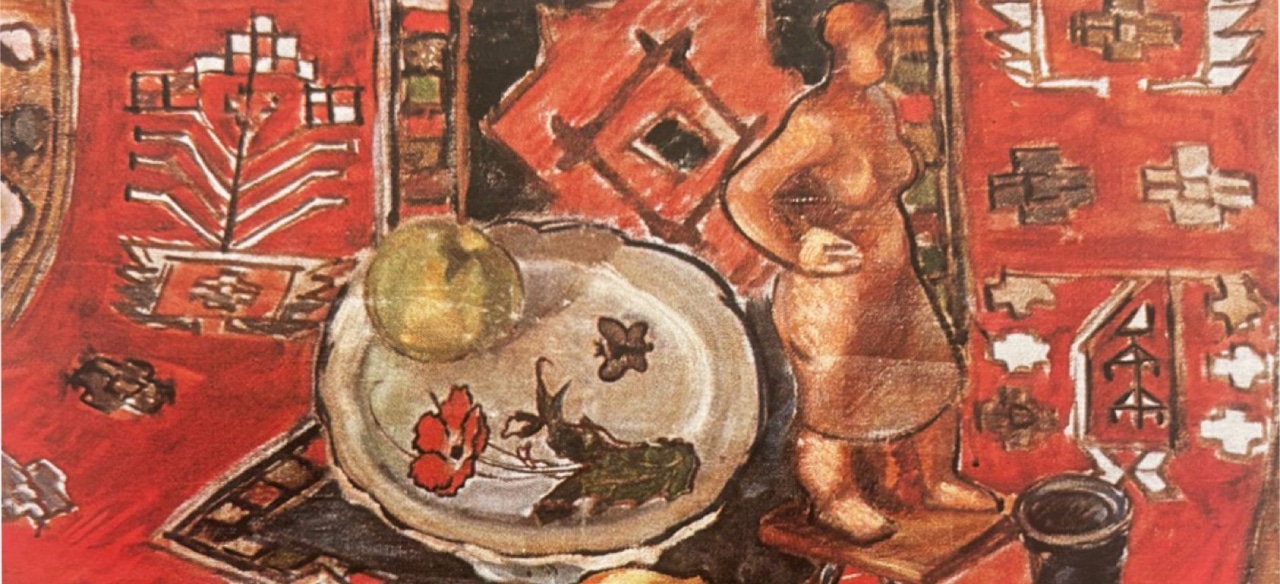
In his farewell letter to David (Duda) Gabashvili (1914-1995)- painter, graphic artist, sculptor, teacher, Honored Artist of Georgia, and People’s Artist of Georgia - the art historian and Academician Vakhtang Beridze noted that Gabashvili was an artist of impeccable taste and refinement, possessing the highest artistic culture and professionalism. Art historian Gogi Khoshtaria, meanwhile, argues that David Gabashvili’s art has not received the recognition it deserves. Rather than appealing through superficial effects, it demands a thoughtful and discerning viewer capable of engaging with its deeper artistic and intellectual dimensions.

ATINATI Talks — Informal Artistic Groups: Archivarius, The Tenth Floor, and The Marjanishvili Period ATINATI Art Center will hosted a new edition of the ATINATI Talks series, dedicated to one of the most interesting and transformative periods in contemporary Georgian art of the 1980s and 1990s. During the final years of the Soviet system and the early years of independence, new art spaces, informal collectives, and creative networks emerged in Georgia. These developments played an important role in shaping a new language of contemporary Georgian art and fostering independent artistic thinking. The main topics of the discussion was “Archivarius,” “The Tenth Floor,” and “The Marjanishvili Period” — significant artistic experiences that emerged at different times and in different contexts, and which have become an important part of the recent history of Georgian art. The discussion featured: Guram Tsibakhashvili — Photographer and photography researcher Mamuka Tsetskhladze — Artist Oleg Timchenko — Artist The speakers discussed the people, spaces, and informal networks that had a significant influence on the development of Georgian art in the 1980s and 1990s, as well as the creative environment of the period, which has since become an important chapter in the history of contemporary Georgian art. The informal art collectives of the 1980s and 1990s played an important role in shaping the subsequent development of contemporary Georgian art. They created spaces in which Georgian artists actively engaged with Western artistic processes and trends, contributing to the integration of Georgian art into a broader international context.
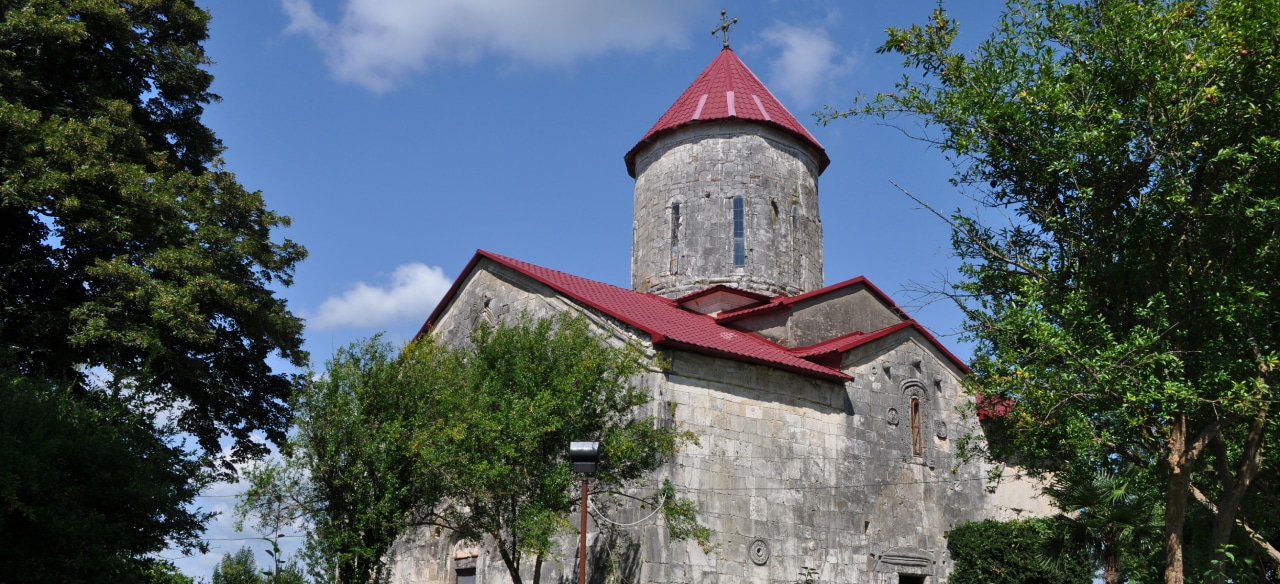
Tsaishi, located about 10 km southwest of Zugdidi in the Samegrelo province, is the site of one of the oldest episcopal sees in western Georgia. In the register of bishoprics compiled under the name of the early Christian theologian Epiphanius of Salamis—but actually written in the seventh century—the bishop of the Saisins is listed among the hierarchs of Lazica, a reference corresponding to what later became Tsaishi.

#GeorgianHeroes - Otar Iosseliani / ოთარ იოსელიანი (1934-2023) was a Georgian filmmaker born in Tbilisi. His films include Falling Leaves (1966), Once Upon a Time There Was a Singing Blackbird (1970) and Pastorale (1975). After facing Soviet censorship, he settled in France in 1982. Favorites of the Moon (1984) received a jury prize at Venice, while Monday Morning (2002) earned him Berlin’s Silver Bear for Best Director. His final feature was Winter Song (2015)
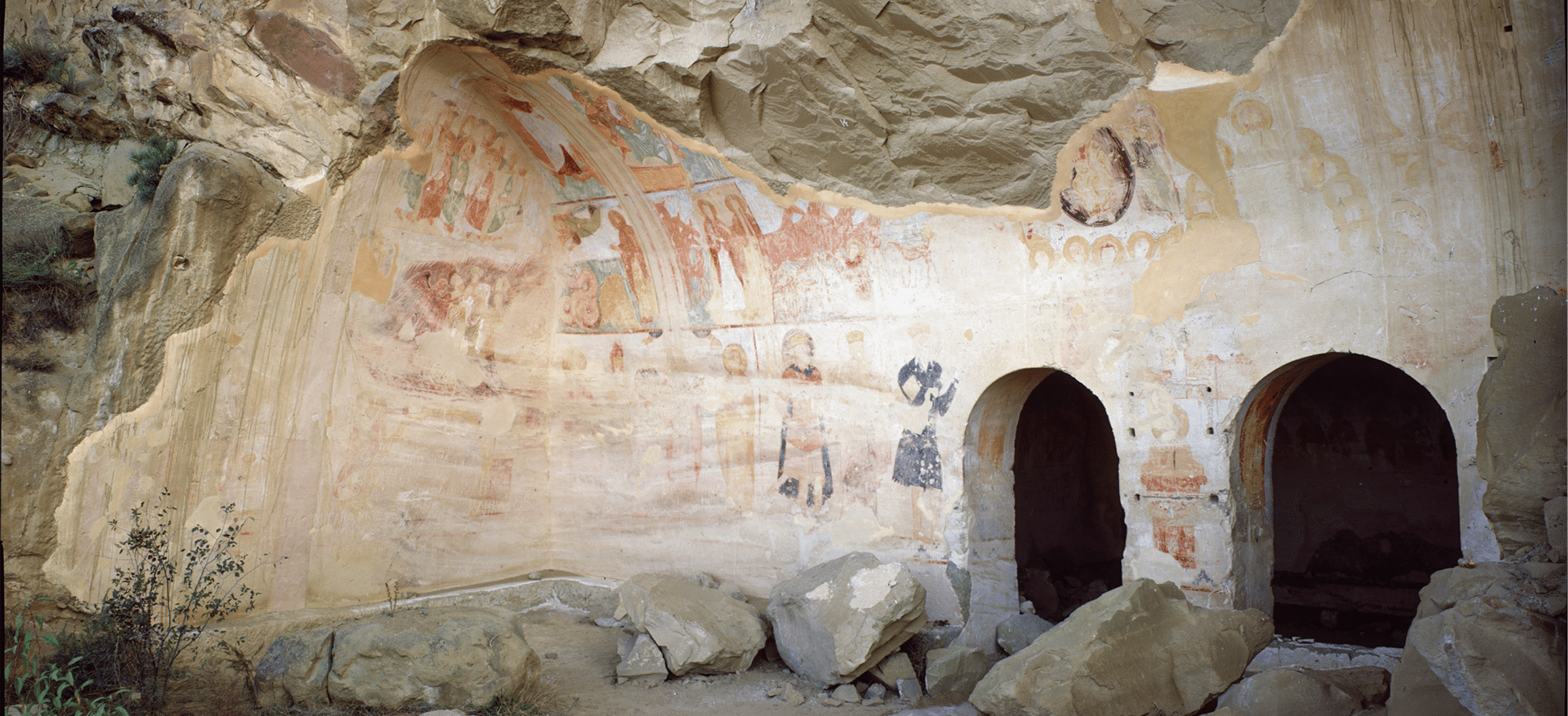
Opposite the ridge which boasts the oldest monastery in the Gareji Desert - the Lavra of St. David of Gareji, founded in the 6th century, is a rock-hewn monastery commonly known as Udabno (said to have been called Tsamebuli until the 19th century). Emerging at the turn of the 10th- 11th centuries, and active until the 14th century, Udabno comprises several dozen caves that house large and small churches, chapels, hermit cells, and utility chambers.

The Knight in the Panther’s Skin (ვეფხისტყაოსანი) is the greatest work of Georgian literature and one of the defining works of Georgian culture. For centuries, the poem has inspired artists to imagine its characters, landscapes, and legendary stories. From early illustrated editions to contemporary interpretations, these works reveal how Rustaveli’s epic has been visualized across generations—each artist offering a new perspective on one of Georgia’s most enduring literary masterpieces.
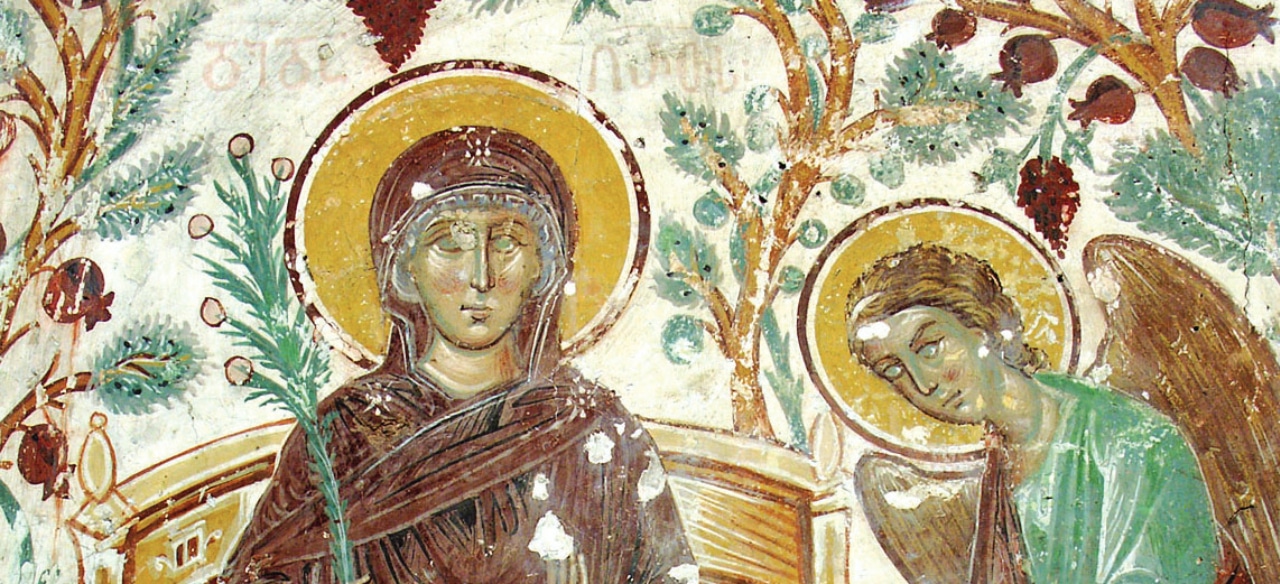
A single -nave church near the village of Nabakhtevi used to be the main church of a big monastery built in the 14th c. in Kartli, the central region of east Georgia. It was a family church of the Amirejibi feudal house built and decorated upon their commission.
The exhibition brings together works by six contemporary Georgian artists — Tamo Jugheli, Beso Uznadze, Nina Kintsurashvili, Nina Akhobadze, Nino Sakandelidze, and Nino Meje.

