.jpg)





 Share this article
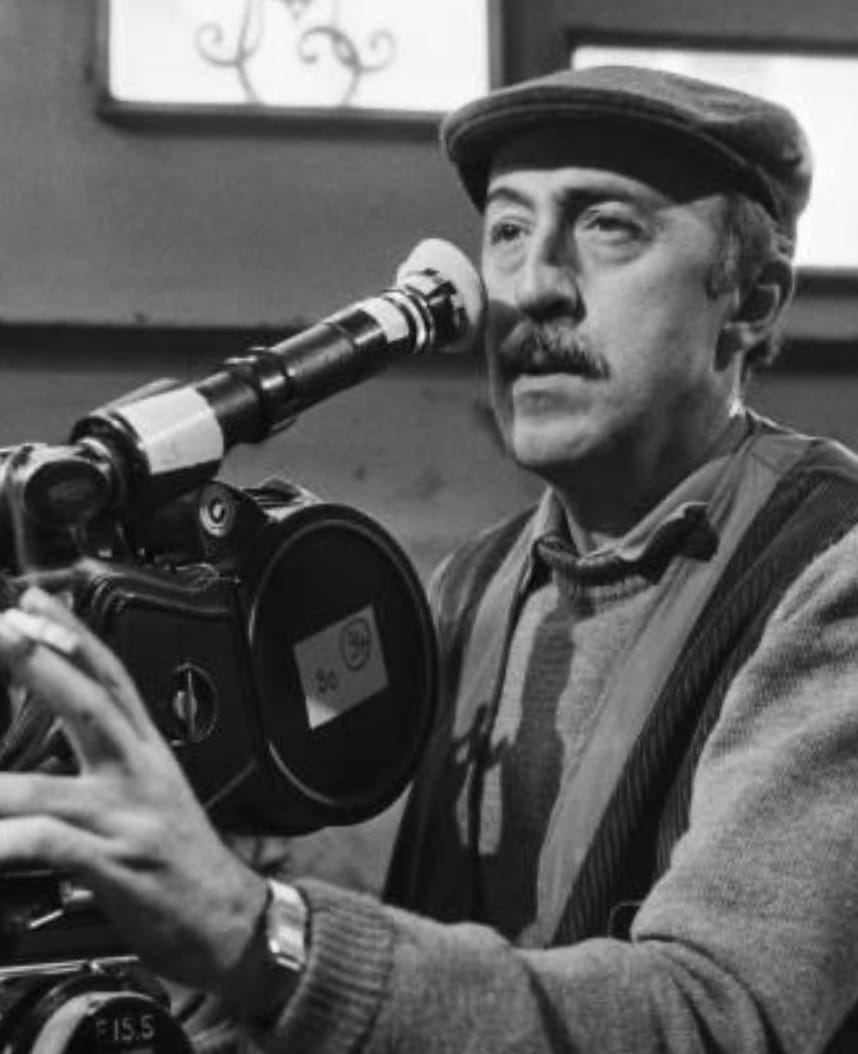
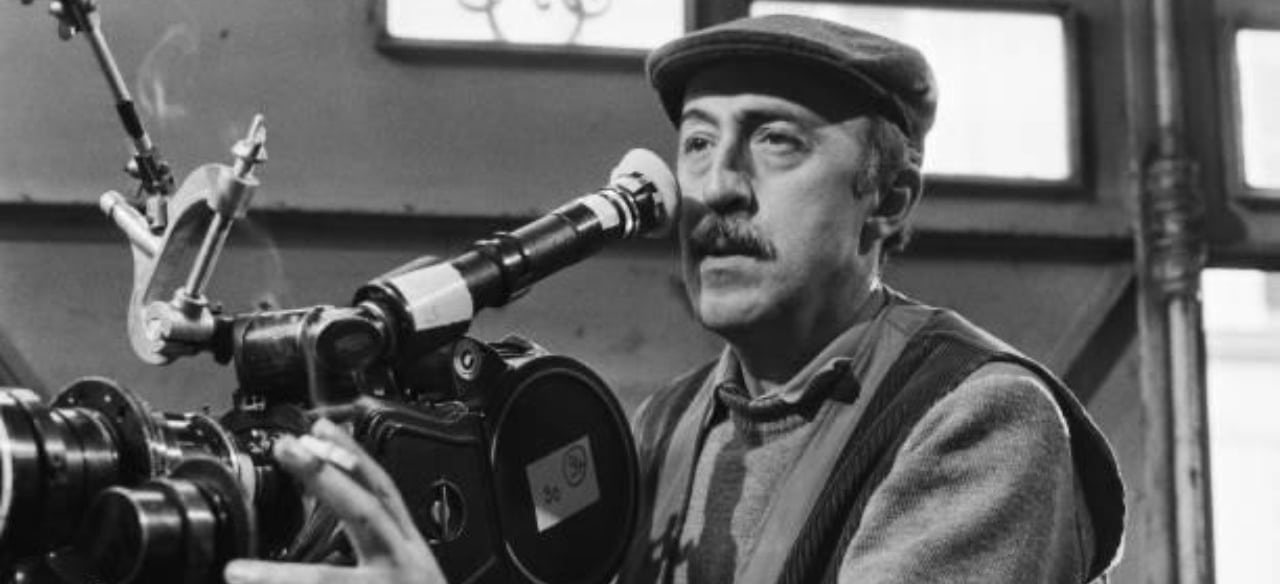
At a time when images constantly compete for our attention and stories are often built around immediate emotional impact, Otar Iosseliani’s films do the opposite: they ask us to slow down, observe and listen. His cinema finds drama in ordinary life, in a gesture, a silence or a conversation.
One of the best-known Georgian filmmakers in world cinema, Iosseliani created a cinematic language deeply rooted in Georgian life but never limited by it. His films reached audiences far beyond Georgia, while his distinctive way of looking at people, power, freedom and everyday life continues to influence filmmakers and artists.
Born and raised in Tbilisi, Soviet Georgia, Iosseliani grew up in a large, close family surrounded by parents, aunts, uncles and other relatives. His interest in art began very early. As his daughter, Nana Iosseliani, has recalled, he was fascinated by painting as a child. But his drawings were not simply children’s drawings. They were full of stories. He would cover entire sheets of paper with characters, events and sequences, almost as if he were already thinking in film. His childhood drawings, she recalls, sometimes resembled individual shots from a movie.
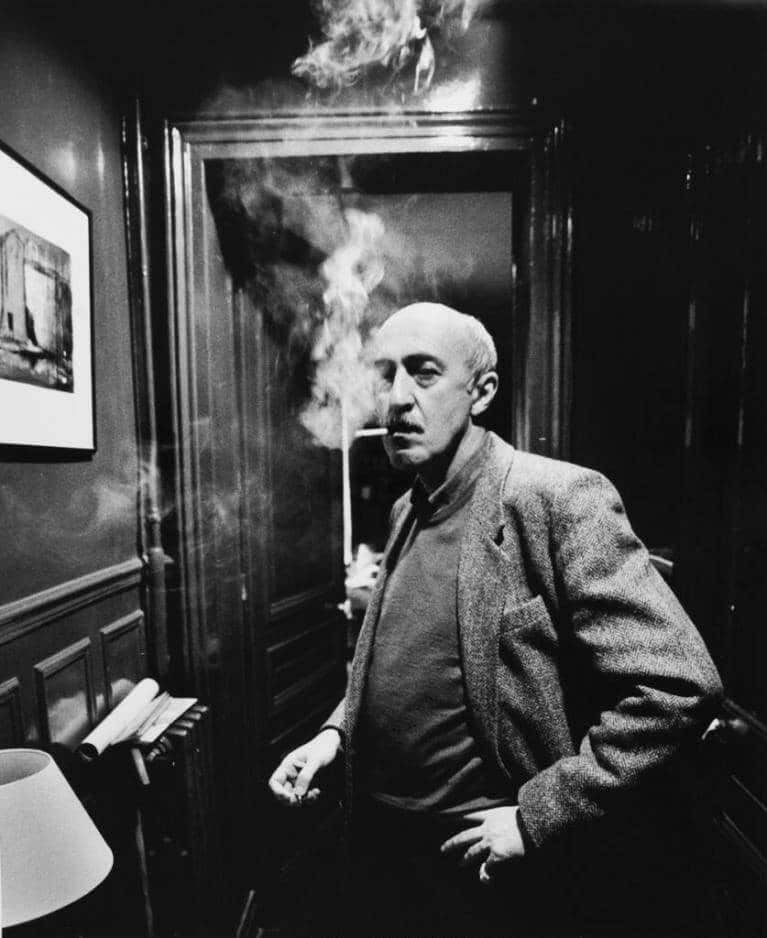
His interests were not limited to painting. At school, Iosseliani took part in theatre and performances, wrote for school newspapers and organised shows with children from his neighbourhood. This early interest in storytelling, performance and staging would later become part of his distinctive cinematic language.
Music was another important influence. Iosseliani studied music, played instruments and composed several small pieces. At one point he considered entering the Tbilisi Conservatoire, but eventually changed his mind. A strong student, he decided instead to study mathematics and moved to Moscow to attend university. But mathematics did not satisfy his creative side. After considering architecture and other professions, he eventually realised that filmmaking offered the combination of artistic freedom, structure and independence he was looking for.
He entered the Gerasimov Institute of Cinematography (VGIK) in Moscow, one of the most important film schools in the Soviet Union. There, he developed an interest in a kind of cinema that relied less on conventional storytelling and ideological formulas and more on observation, rhythm, atmosphere and everyday life.
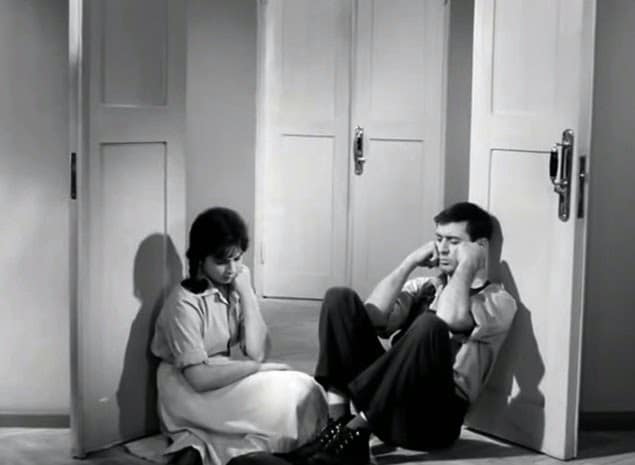
His diploma film April (1961) was rejected by the institute because it was considered ideologically unacceptable. The film follows a young couple who move into an empty apartment. As they begin buying furniture and household goods, their possessions gradually take over their lives and affect their relationship. It is a critique of materialism and consumer culture. Its unusual visual style, minimal dialogue and indirect criticism of material progress brought it into conflict with the Soviet system. April is important for understanding Iosseliani’s early cinema, because many of the ideas found here would return throughout his work.
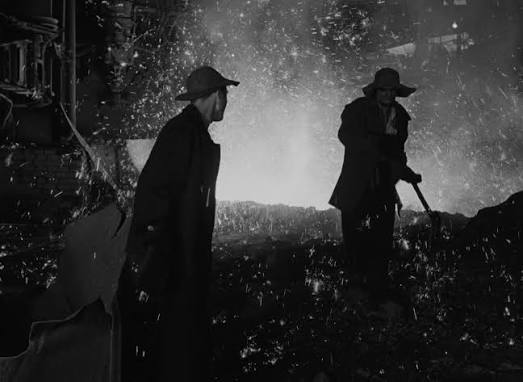
Iosseliani then made Cast Iron, set around workers at the Rustavi metallurgical plant. The film also encountered problems with Soviet authorities, who objected to its portrayal of workers not as idealised heroes but as tired and disillusioned people. With the support of filmmaker Grigori Chukhrai, however, the film was eventually accepted, allowing Iosseliani to graduate.
Georgian Period
After returning to Georgia, Iosseliani developed the cinematic style that would define his work: stories rooted in ordinary life, often told through gestures, metaphors, silence, music, movement and observation rather than conventional dramatic plots. His films could be playful and poetic, but beneath their apparent lightness were sharp observations about Soviet society, bureaucracy, conformity and the absurdities of everyday life.
His first major breakthrough came with Falling Leaves (Giorgobistve, 1966), now considered one of the landmarks of Georgian cinema. Set in a wine factory, the film follows a young man who discovers that traditional methods of wine production are being undermined by bureaucratic demands and the falsification of wine. As he confronts these practices, he also has to deal with the compromises and pressures of the society around him.~
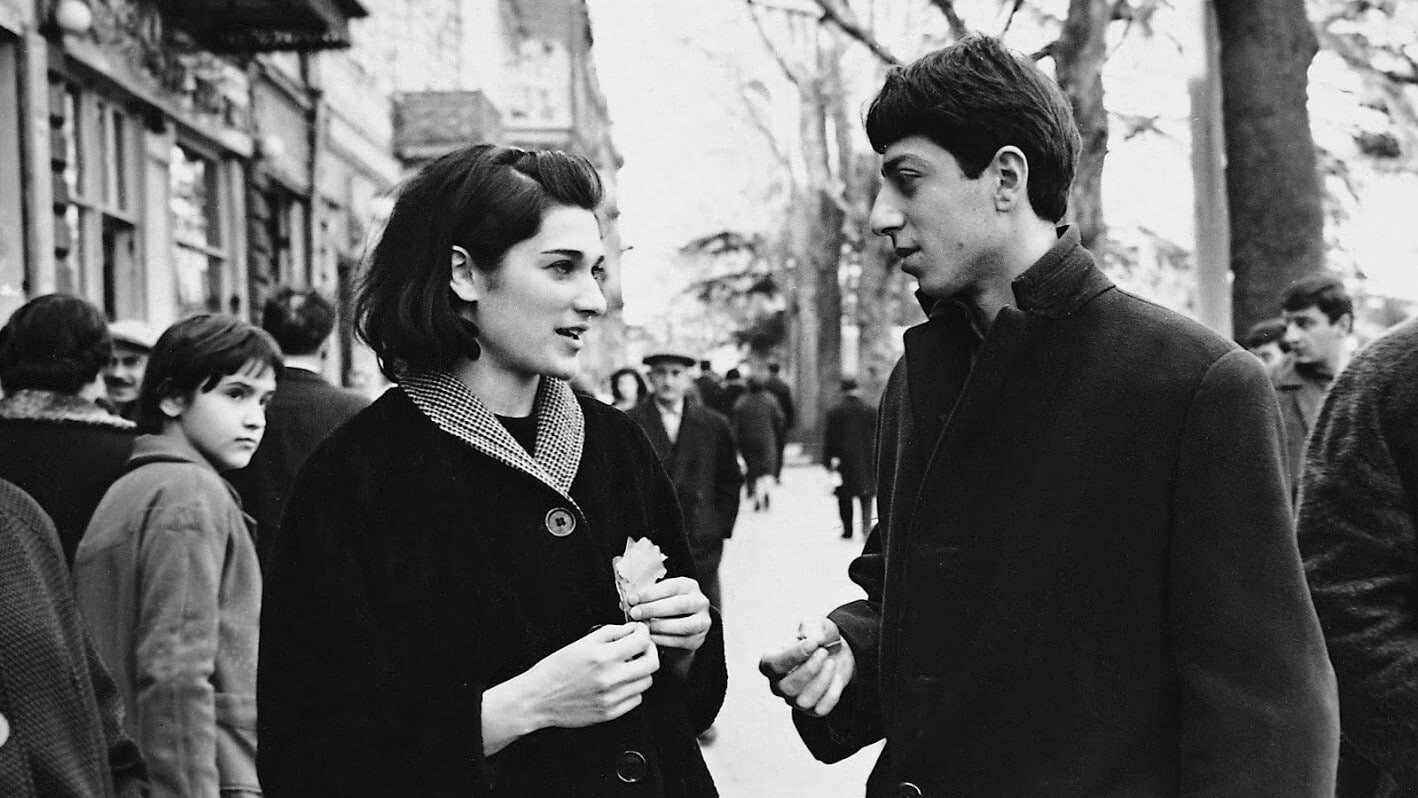
The film faced criticism and institutional resistance from Soviet authorities. Its satirical treatment of bureaucracy and the wine industry was seen as problematic, and it was temporarily shelved in Georgia. Despite this, Falling Leaves received international recognition, including the FIPRESCI Award at the 1968 Cannes Film Festival and the Georges Sadoul Award.
The difficulties surrounding Falling Leaves were repeated with Iosseliani’s next films. Once Upon a Time There Was a Singing Blackbird (1970) follows a young percussionist in a Tbilisi orchestra who constantly moves between rehearsals, friends, women and everyday encounters. Charming and spontaneous but disorganised, he lives in the moment rather than following a conventional career or social path.
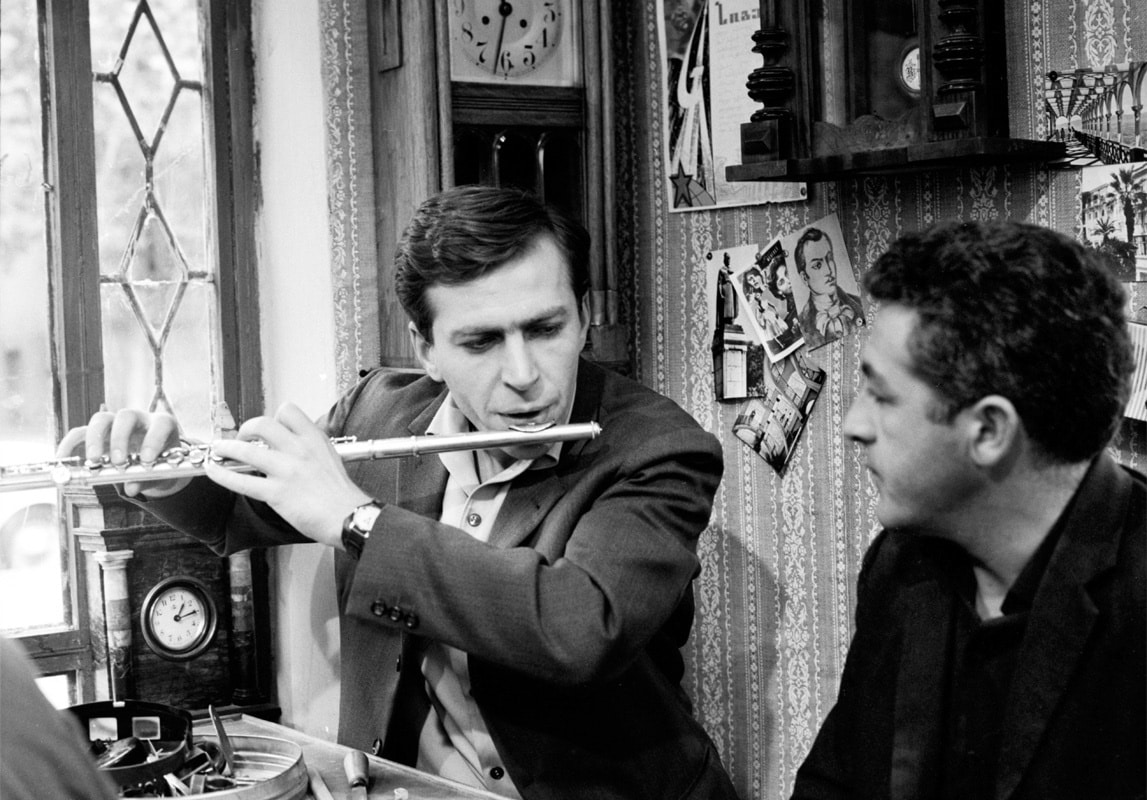
The film’s approach again caused problems with Soviet authorities. Its main character was seen as unproductive and irresponsible, rather than as the disciplined and socially useful Soviet citizen expected in official cinema. Yet Iosseliani was less interested in judging his character than in watching him move through the city and observing the rhythm of everyday life around him.
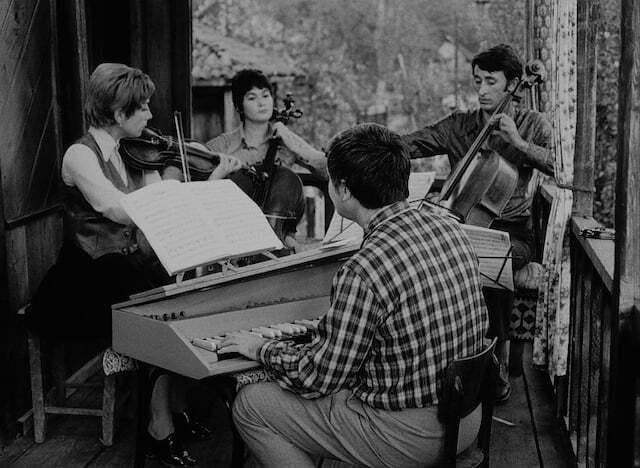
Iosseliani’s third feature, Pastorale (1975), follows a group of young musicians who spend the summer in a Georgian village. The film observes the quiet rhythm of rural life, local traditions, work, music and relationships, while contrasting them with the urban world.
Soviet authorities objected to the film because it did not present rural Soviet life as an ideal socialist reality. Instead, Iosseliani showed ordinary people with their problems, contradictions and private lives, largely avoiding the expected ideological message. Pastorale was shelved for several years before finally being released in 1982. It premiered at the Berlin International Film Festival, where it won the FIPRESCI Prize. That same year, Iosseliani permanently left the USSR for France.
Cinematic style
and language
Even in his early films, Iosseliani had a style that was clearly his own: subtle, ironic, observant and closely connected to everyday life. A factory, a street, a village, an apartment or a restaurant are never simply backgrounds. They are places where people’s habits, relationships and small conflicts unfold.
He often uses long takes and patient observation, allowing scenes to develop without rushing. His humour is usually quiet and ironic. He rarely tells the audience how to judge his characters, preferring to watch them. In many scenes, dialogue is almost secondary.
A recurring theme in his films is the disappearance of human craftsmanship. Iosseliani was fascinated by people who knew how to make things with their hands: carpenters, mechanics, cooks, musicians and artists. He was interested in what happens when these skills and traditions are replaced by systems focused mainly on efficiency.
His musical background also shaped the way he made films. Sound is as important as the image: music, footsteps, distant conversations, birds, street noise and silence all become part of the story. Sometimes a character’s movement, a pause, a gesture or a sound can reveal more than a conversation.
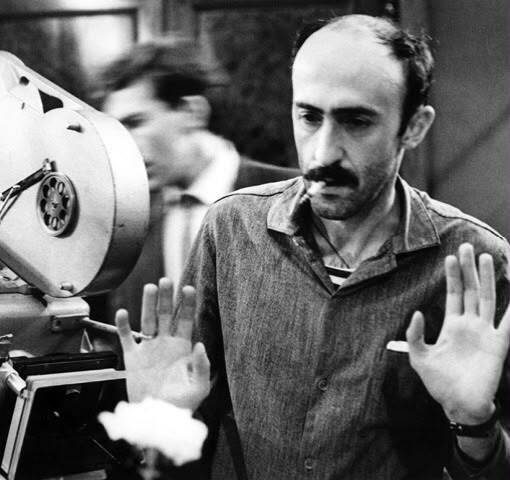
During the Soviet period, cinema was expected to offer a clear interpretation of reality. Characters often had to represent social ideas, and stories were expected to have a clear moral direction. Iosseliani’s cinema existed outside this logic. His films did not usually argue with Soviet ideology directly; instead, they quietly ignored many of its assumptions.
He was interested in people who did not fit easily into official categories: dreamers, musicians, craftsmen, workers and wanderers, people who followed their own rhythms rather than collective expectations. This became one of the quietest but most recognisable forms of resistance in his cinema.
Exile in France
After facing restrictions and problems with several of his films in Soviet Georgia, Iosseliani left the country to continue making films. When he moved to France in the early 1980s, he entered a completely different cultural environment. Yet he adapted relatively quickly. He already knew French, having studied the language from childhood, and French cinema had a strong tradition of supporting directors with distinctive personal styles.
France did not simply give Iosseliani more opportunities to work. It also gave him recognition as an auteur. French critics saw connections between his cinema and filmmakers such as Jacques Tati, Jean Renoir and Luis Buñuel, directors who also used humour and observation to look at society.
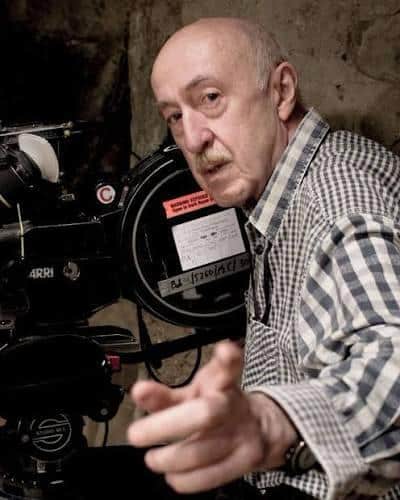
At the same time, Iosseliani never lost his Georgian identity. Living in France allowed him to look at Georgia from a certain distance. Rather than simply reproducing his national identity on screen, he turned many of its details into something more universal.
Favorites of the Moon (1984) became a major turning point in his French career. The film is built around objects: a painting, silverware, furniture and other possessions, that move from one owner to another across different periods and social worlds.
People fight over possessions, status and power, while the objects continue their journey long after their owners disappear. A painting passes through aristocratic homes, criminal circles and ordinary households. Each owner believes they possess it, but the film quietly suggests another possibility: perhaps the objects possess us.
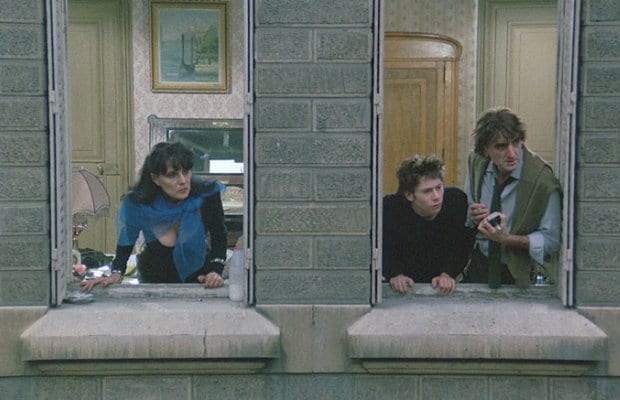
Iosseliani never condemns his characters with anger. His attitude is closer to affectionate irony. People can be ridiculous, selfish, generous, cruel and charming, often at the same time. The film won the Grand Special Jury Prize at the Venice International Film Festival.
His interest in ordinary people and everyday routines also appears in his documentary A Little Monastery in Tuscany (1988) The film follows five Augustinian monks living in the small monastery of Castelnuovo dell’Abate, while also observing everyday life in the Tuscan town and people around them. Like much of Iosseliani’s work, the film finds interest in people and routines that are easily overlooked.
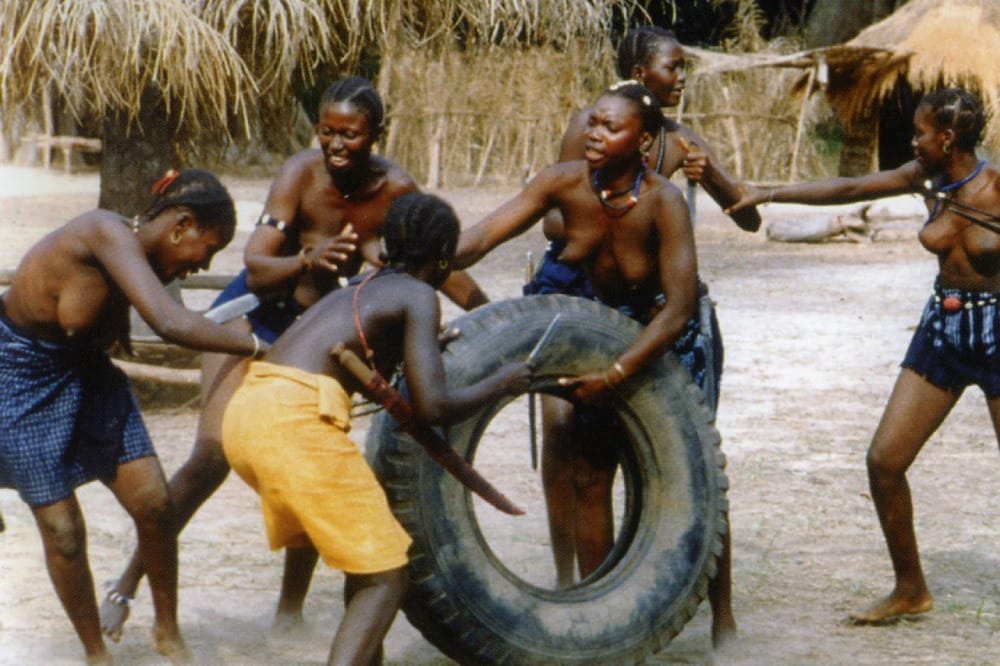
His next feature film And Then There Was Light (1989) is set in a village in West Africa, where traditional life is slowly changed by logging and modern industry. As the forest is destroyed, the village and its way of life are also affected. The film deals with themes that appear throughout Iosseliani’s work: the clash between tradition and modernisation, and the way outside economic interests can transform a community. The film brought Iosseliani the Grand Special Jury Prize at the 1989 Venice Film Festival.
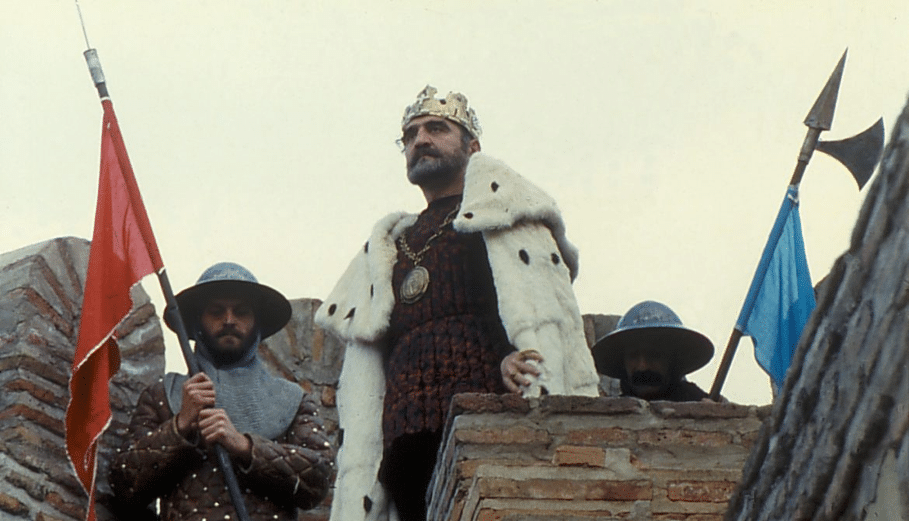
In 1996, Iosseliani returned to his home country to make Brigands: Chapter VII. Here he looks at the way power repeats itself throughout history. Rulers and political systems change, but greed, cruelty and the desire to control others remain much the same. The film can also be viewed in the context of Georgia’s difficult 1990s. After the collapse of the Soviet Union, the country went through war, political and economic instability and a struggle for power. Iosseliani’s film does not directly tell the Georgian story, but its view of power, violence and the repetition of history can feel especially relevant to that period.
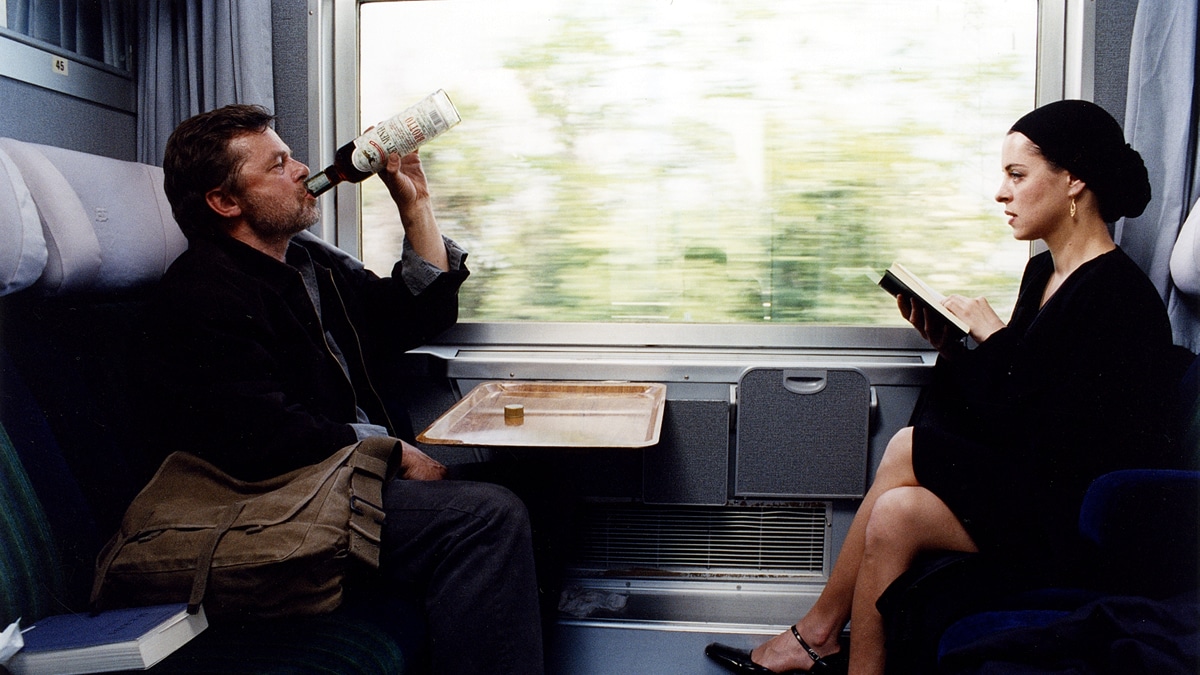
One of the best-known and most philosophically complex films of Iosseliani’s later period is Monday Morning (2002), which won him the Silver Bear for Best Director at the Berlin International Film Festival. The film tells the story of Vincent, a French factory worker who has become tired of his repetitive existence. Every Monday he returns to the same job, the same routine and the same grey landscape. One day, instead of going to work, he decides to leave. He travels to Venice and discovers a different rhythm of life, one that seems more spontaneous and closer to human connection. But the journey does not transform Vincent into a completely different person. Instead, it suggests that searching for another life is not always about changing your surroundings. People can also forget how to experience freedom where they already are. Every place and every situation contains its own contradictions. This ambiguity is typical of Iosseliani. He observes human weakness with irony, but also with affection. For him, weakness is often part of what makes people interesting.
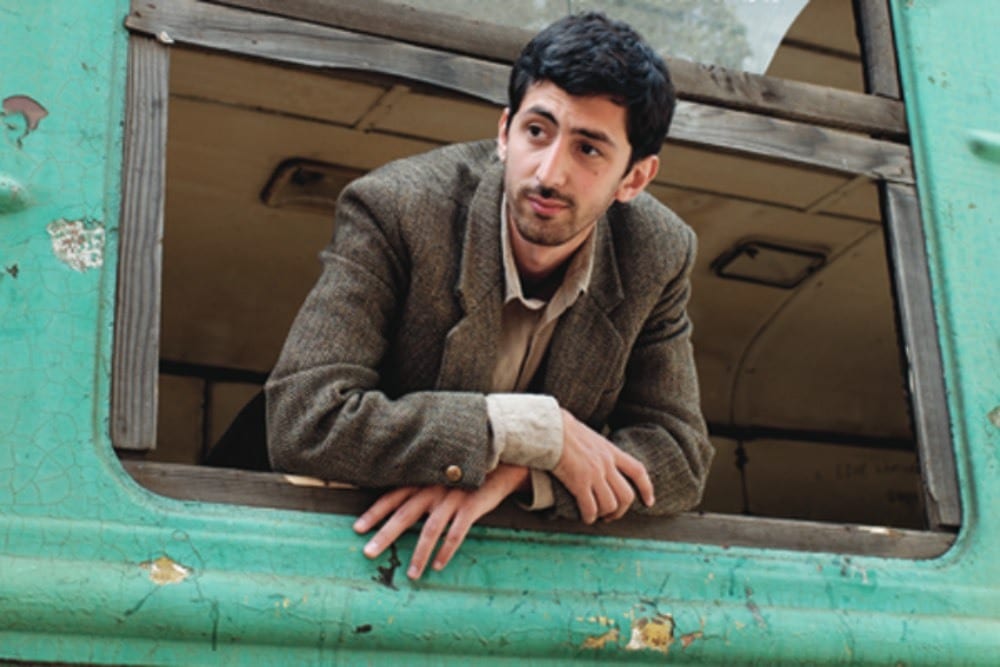
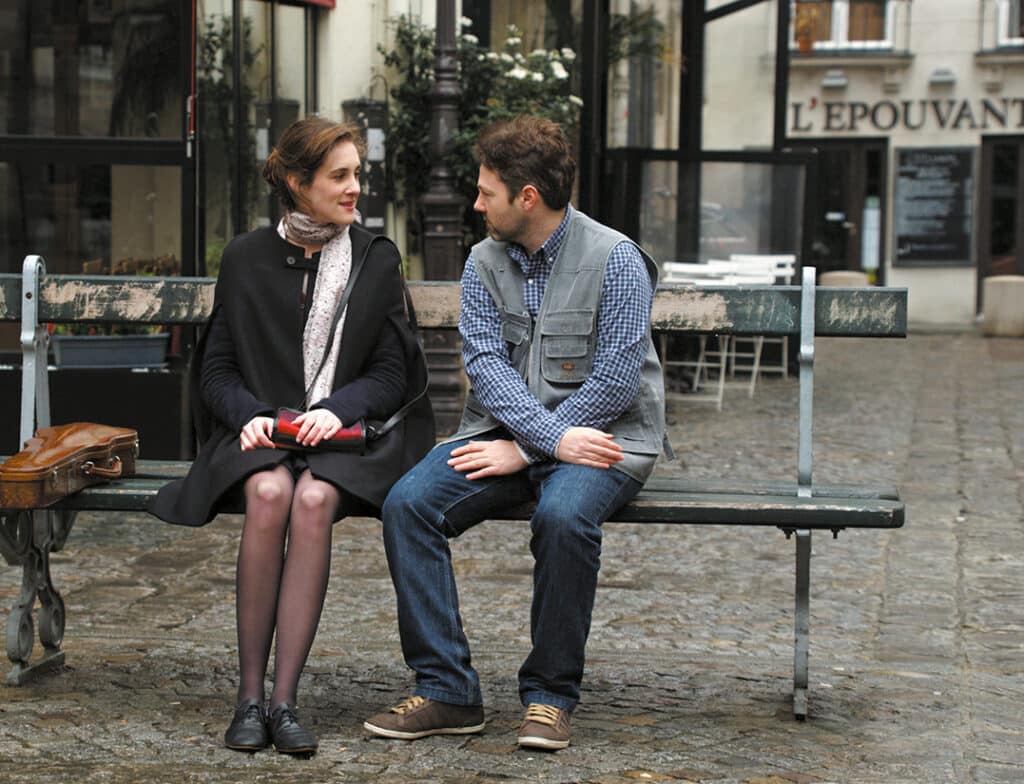
Perhaps no film reflects Iosseliani’s own artistic journey more directly than Chantrapas (2010). It follows a filmmaker whose work is restricted by the authorities, forcing him to leave his country. The story clearly echoes Iosseliani’s own experience with Soviet censorship and his later life in France. But the film is not simply about repression. It is also about exile and the feeling of being an outsider, both at home and abroad.
Winter Song (2015) was Otar Iosseliani’s final feature film. The story moves between the French Revolution, the 2008 Russo-Georgian War and present-day Paris, connecting different characters and moments in history. The film brings together many of the subjects Iosseliani had explored throughout his career: war, power, violence, social absurdity and the way history seems to repeat itself. As in many of his films, he approaches serious subjects with irony and a quiet, almost playful tone. It premiered in competition at the Locarno Film Festival and became one of his final major statements as a filmmaker.
Otar Iosseliani was an artist who crossed borders without losing his identity. His films still resonate in Georgia, where they speak to different periods in the country’s history. But his cinema was never limited to one place. It is deeply Georgian and, at the same time, remarkably universal. Iosseliani understood how easily freedom can disappear, how power and human weaknesses repeat themselves, and how much can be found in the small, ordinary moments of life. Perhaps that is why his work still feels alive: it does not tell us what to think. It simply asks us to look.
_1930._Director-_Mikhail_Kalatozishvili_(Kalatozov)_(1903-1973).png)
.jpg)