

- დახარისხება
- თარიღი
დაამატეთ სახელები, თარიღები ან ნებისმიერი ველი



დაამატეთ სახელები, თარიღები ან ნებისმიერი ველი

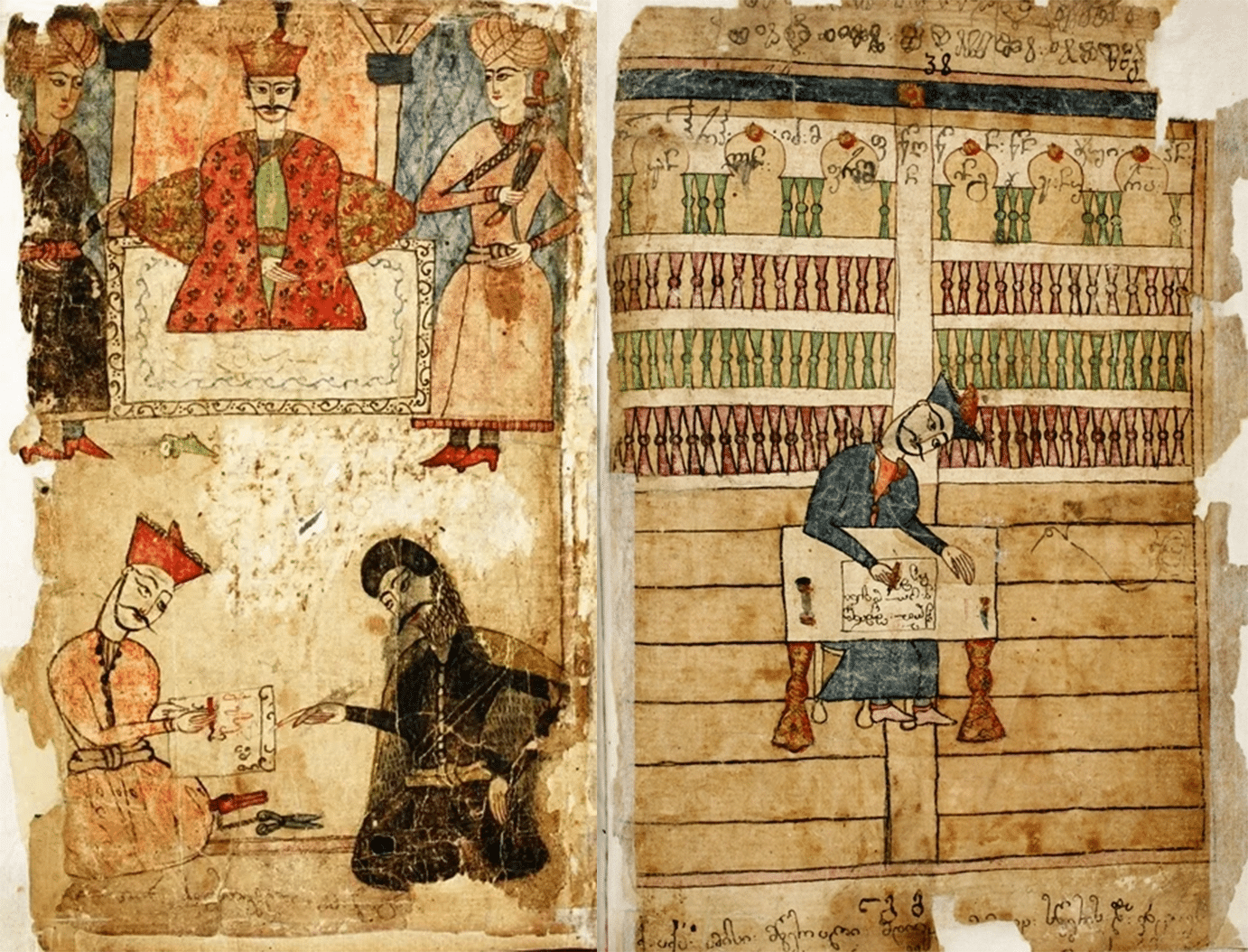
საქართველოში ძნელად მოიძებნება ვინმე, ვისთვისაც შოთა რუსთაველის ‘ვეფხისტყაოსანი’ არ არის ცნობილი. XII საუკუნეში შექმნილი პოემის ჩვენამდე მოღწეული უადრესი ხელნაწერები XVI-XVII საუკუნეებს განეკუთვნება. სულ შემორჩენილია 170 ხელნაწერი მათ შორის განსაკუთრებით საინტერესო და მნიშვნელოვანი დასურათებული ნუსხებია.
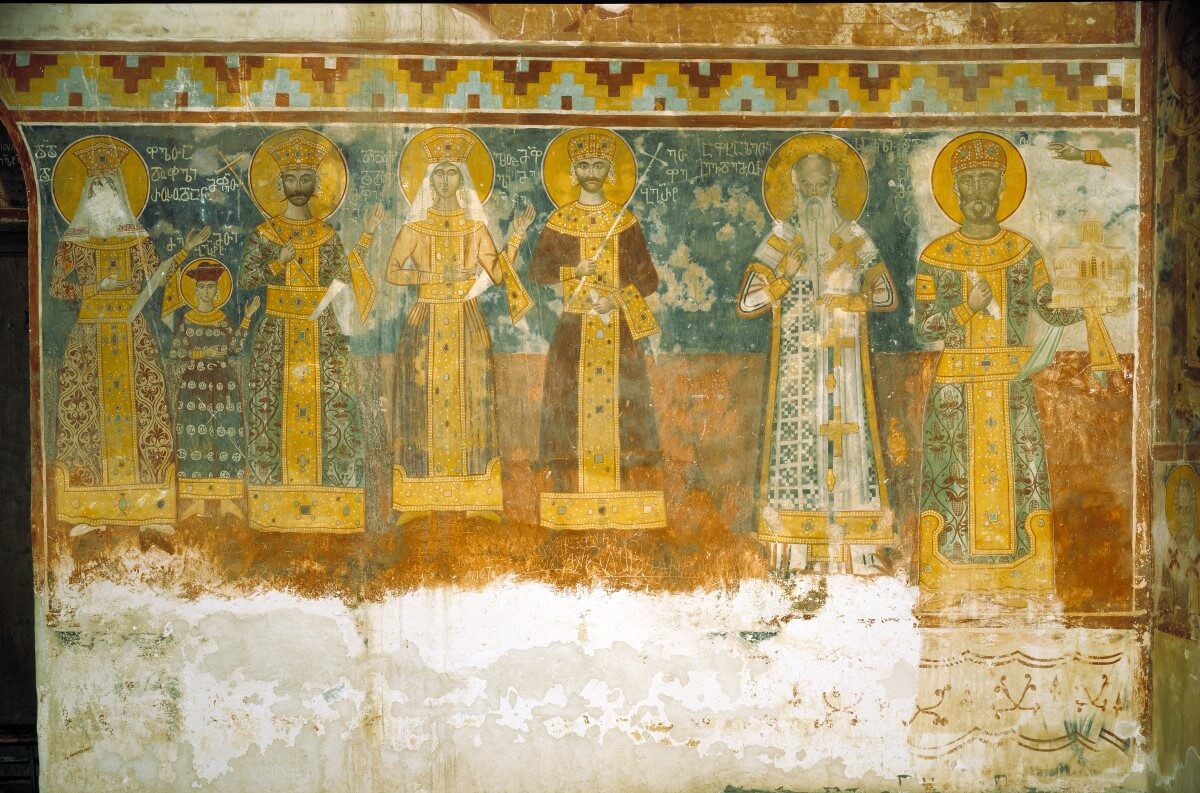
Written sources provide a wealth of information about the medieval Georgian kings, with the primary among them being the chronicles, which were collected together in the Kartlis Tskhovreba (Life of Kartli; effectively The Annals of Georgia). The texts represent the lives and activities of the kings. The personal characteristics and physical appearances of the kings are also often described, although in a very general and often idealised manner. No matter how detailed or witty the characterisation of a person is, the desire to see his visual image is still great. Medieval Georgian art makes this possible through royal imagery.
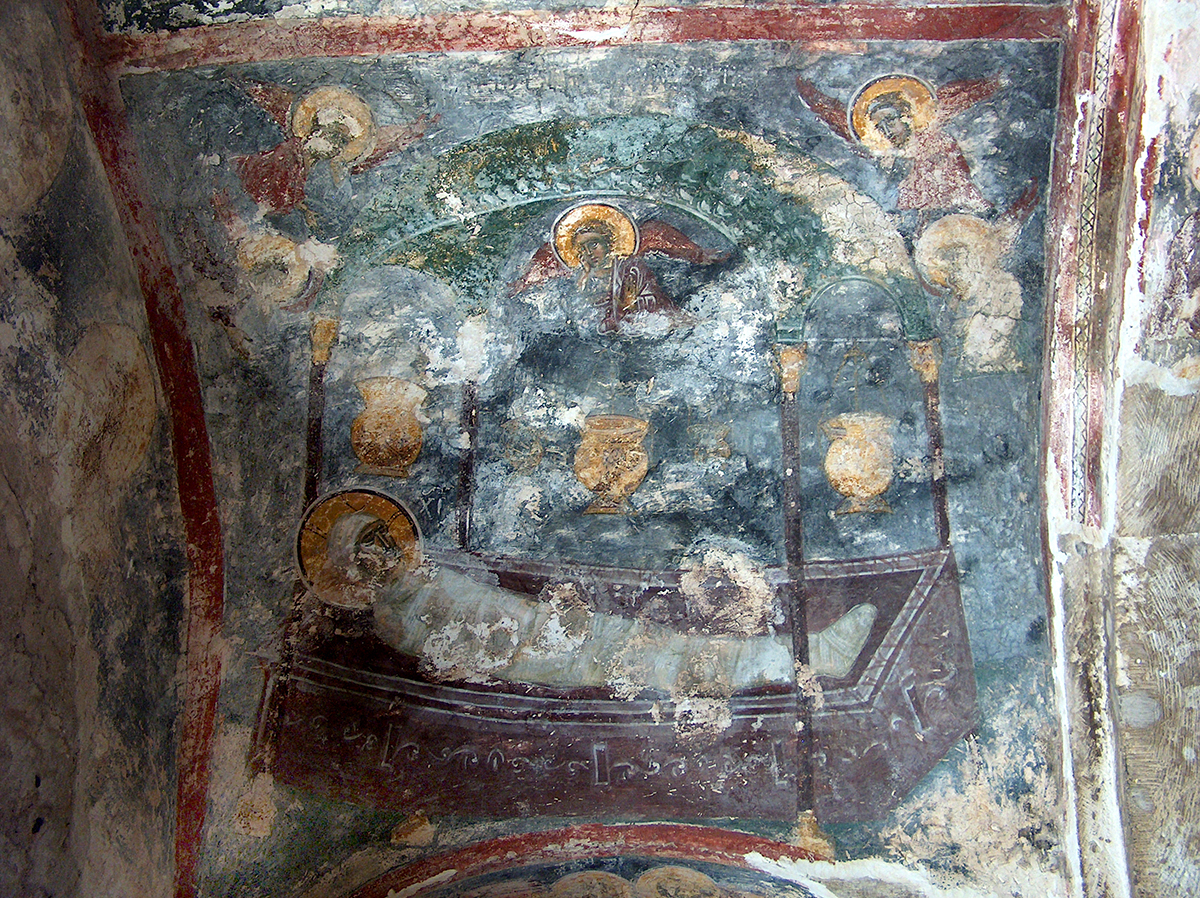
Khobi Monastery is located in Samegrelo region (western Georgia), a short distance from the town of Khobi. The monastery once served as the burial place for the local nobles - the Dadiani family, the ruling house of Odishi Principality (present-day Samegrelo).
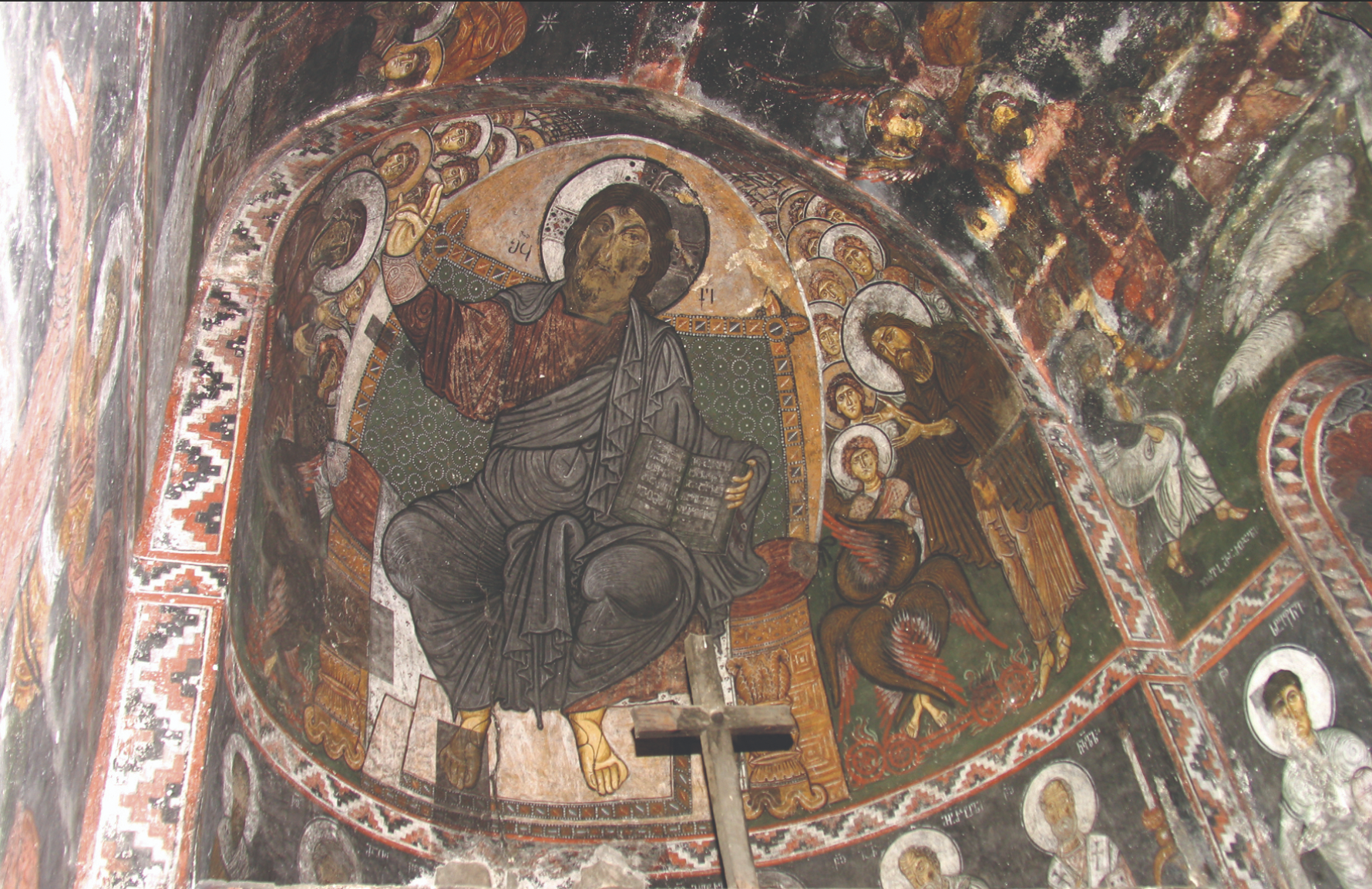
The Church of St. George is situated in Nakipari village in the mountainous region of Upper Svaneti. It is the third church with wall paintings (1130) that were signed by the King’s painter Tevdore. Earlier, Tevdore had painted the Church of the Archangels at Iprari and Lagurka (St. Cyricus and Julitta Church) Church in Kala (both of which are also located in Svaneti) in 1096 and 1112 respectively. All three wall paintings are accompanied with inscriptions written in ancient Georgian uncial script (asomtavruli) and refer to the commissioners – the ‘Aznaurs of Khevi’ (feudals of the valley), the exact date that the murals were painted, and the name and title of the painter. Similar to the inscription at Iprari Church, the text in Nakipari is inscribed on the cornice of the masonry chancel barrier.
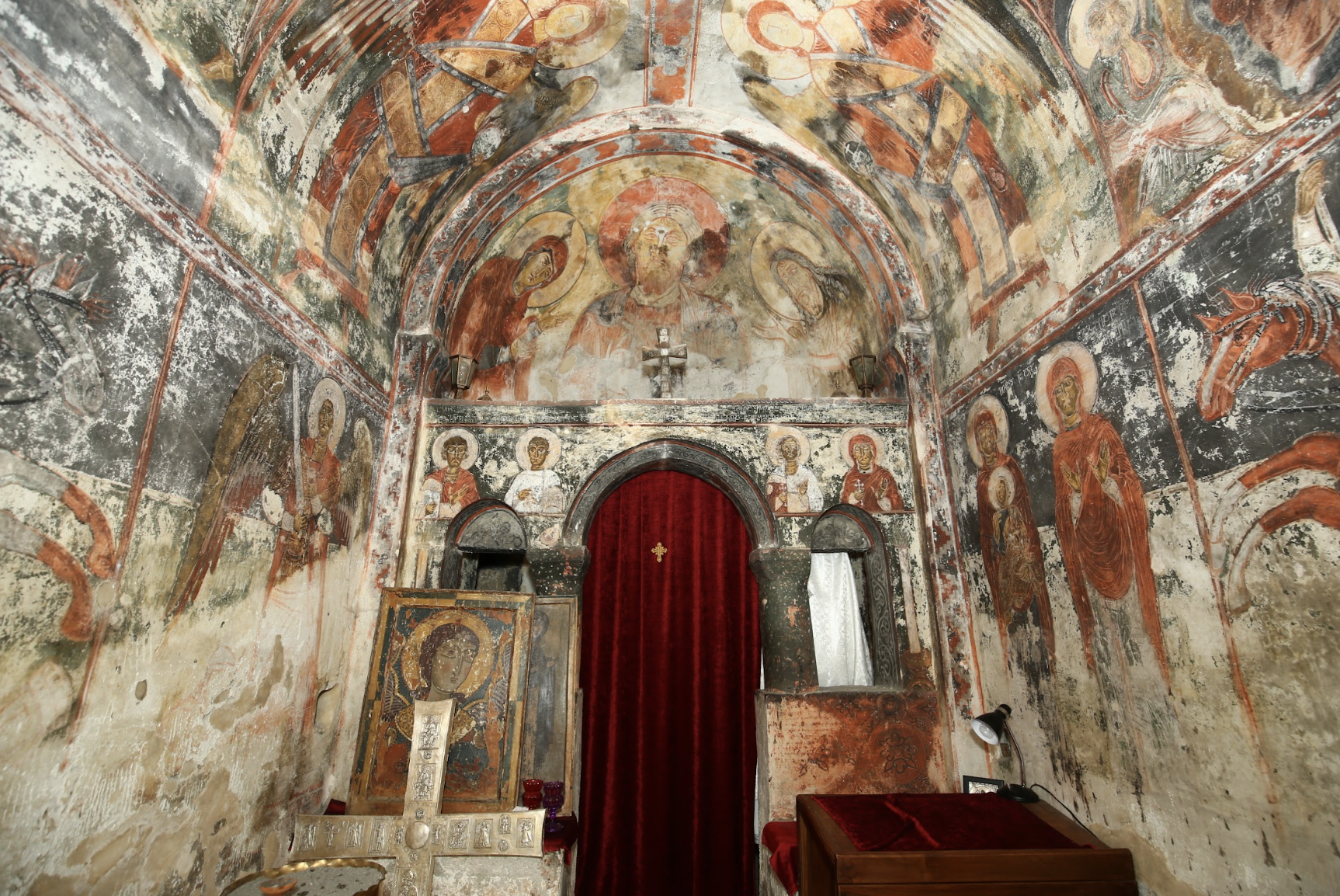
The Church of the Archangels at Iprari is one of the three churches painted and signed by the royal painter Tevdore. The Iprari as well as two other churches: St. Cyricus (Lagurka) and the church of St. George at Nakipari are located in Upper Svaneti (north-west mountainous region of Georgia) not far from each other.
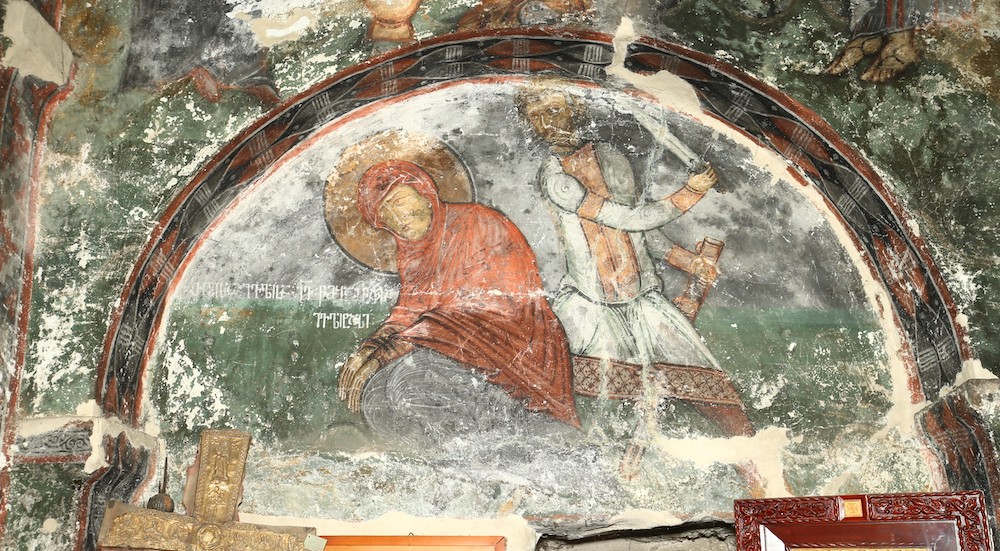
The Church of St. Cyricus and Julitta, known as Lagurka, is the most venerated church in Upper Svaneti (a mountainous north-western region of Georgia). July 28th, the commemoration day of the Holy Martyrs St. Cyricus and St. Julitta, is one of the main religious feasts in Svaneti, and is celebrated every year at Lagurka Church. The locals call this feast Kvirikoba (the day of St. Cyricus).
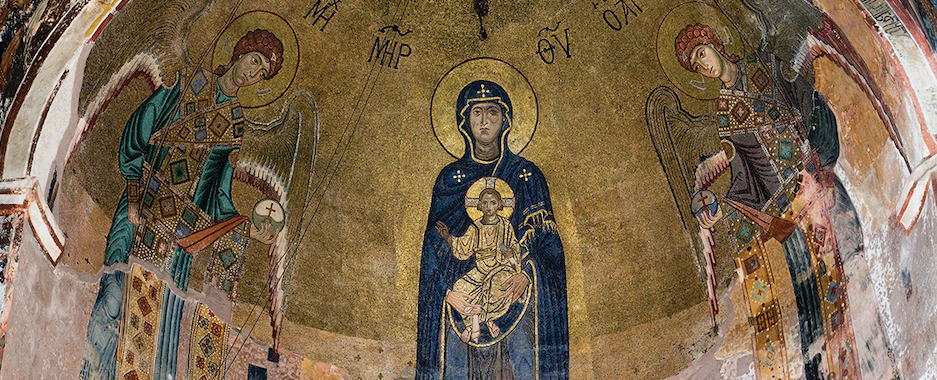
Gelati Monastery is one of the most important monuments of Georgian cultural heritage. The Monastery is located on a mountain slope on the outskirts of Gelati village, near Kutaisi in western Georgia. It was founded in 1106 by King Davit IV Aghmashenebeli (the Builder, 1089-1125) as a royal burial vault and a religious and educational centre, and was referred to in historical sources as a “Second Jerusalem” and a “New Athens”.
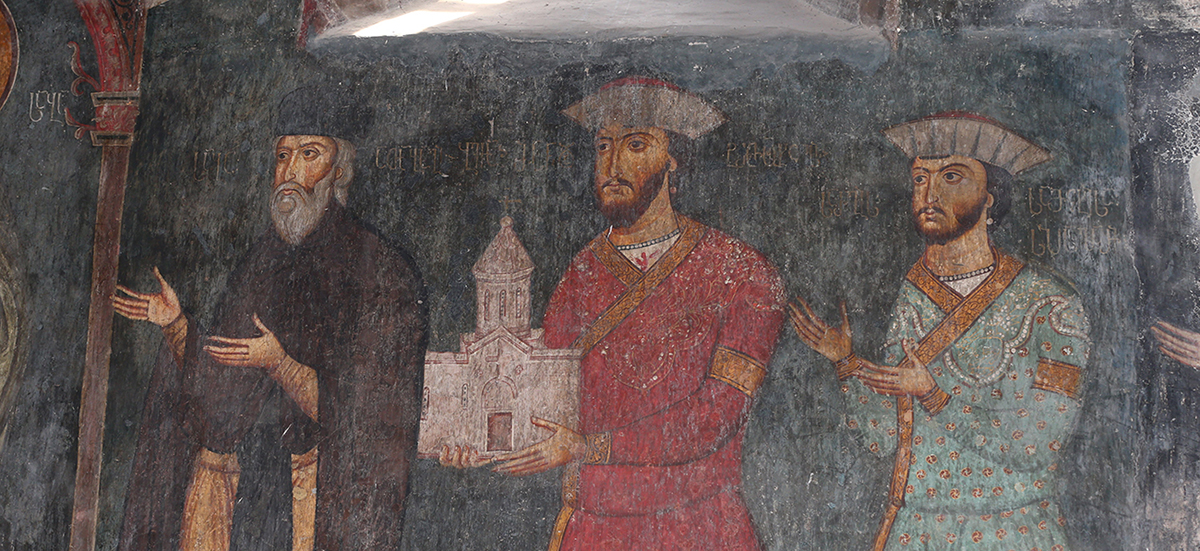
The monastery in Sapara has existed since the 10th century. The single-nave church of the Dormition of the Virgin belongs to this period. From the second half of the 13th century, Sapara became the residence and burial place of the Jakeli: the Rulers (Atabags) of Samtskhe (a historical region of south-western Georgia).
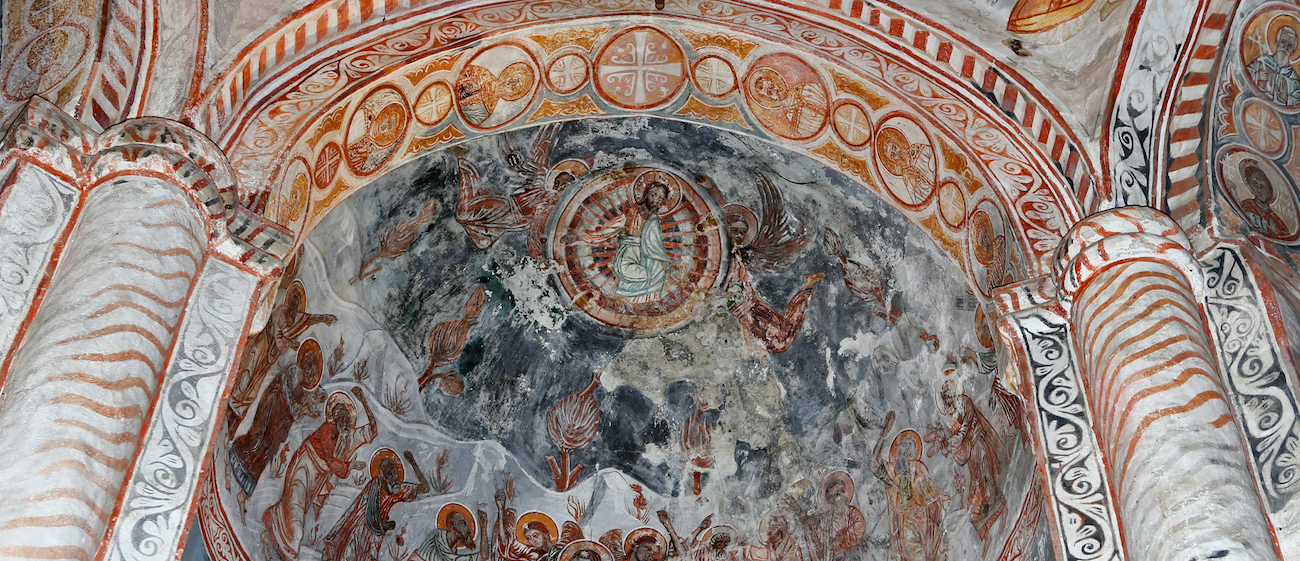
The Church of St. Nicholas stands on a small elevation in the village of Nikortsminda (Racha region). According to the inscription on the west façade, it was built in the latter years (1010-1014) of the reign of King Bagrat III (975–1014). The Church is preserved in almost original condition, though traces of the restoration that was carried out in the 16th century are evident on its façades.
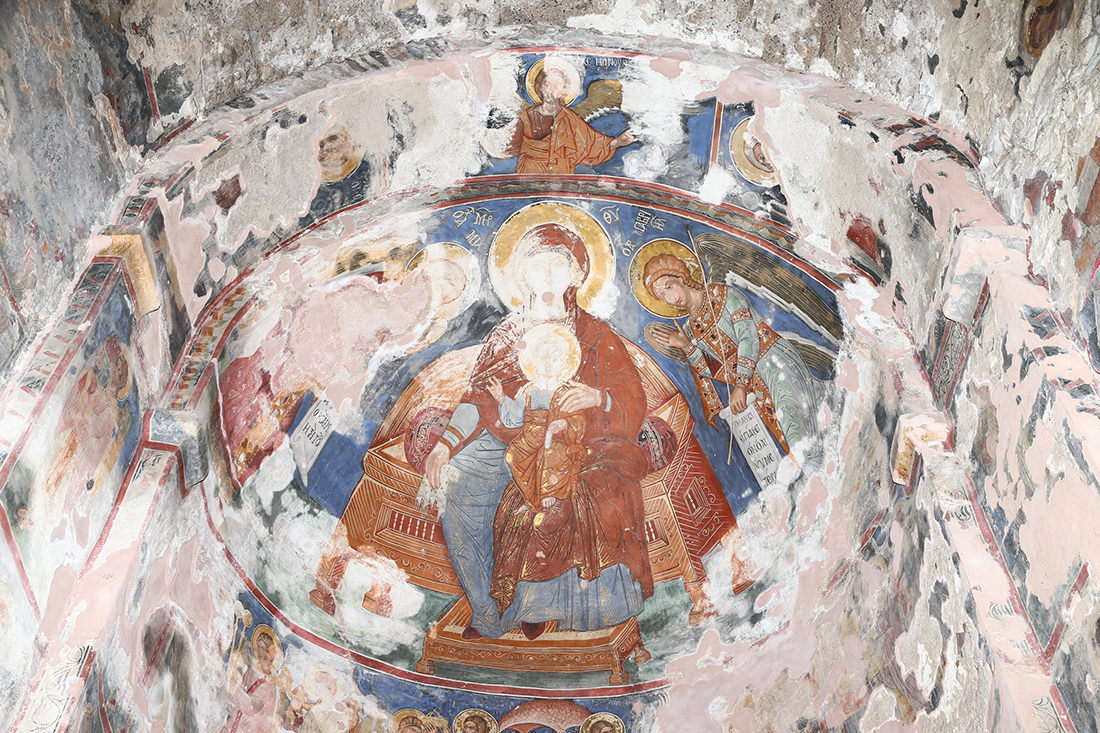
Nekresi Monastery, which is one of the oldest monasteries in Georgia, is located in Kakheti, Eastern Georgia. It was erected on top of a hill, on the site of an ancient settlement, and boasts magnificent panoramic views overlooking the vast Alazani valley and the Caucasus Mountains.
.jpg)
Ubisi monastery was founded in the 9th century by Grigol Khandzteli – a prominent cleric and founder of numerous monasteries in Georgia. The monastery comprises several buildings, the earliest of which is the single nave church of St. George dating from the 9th century (the annexes of the church are from a later period).
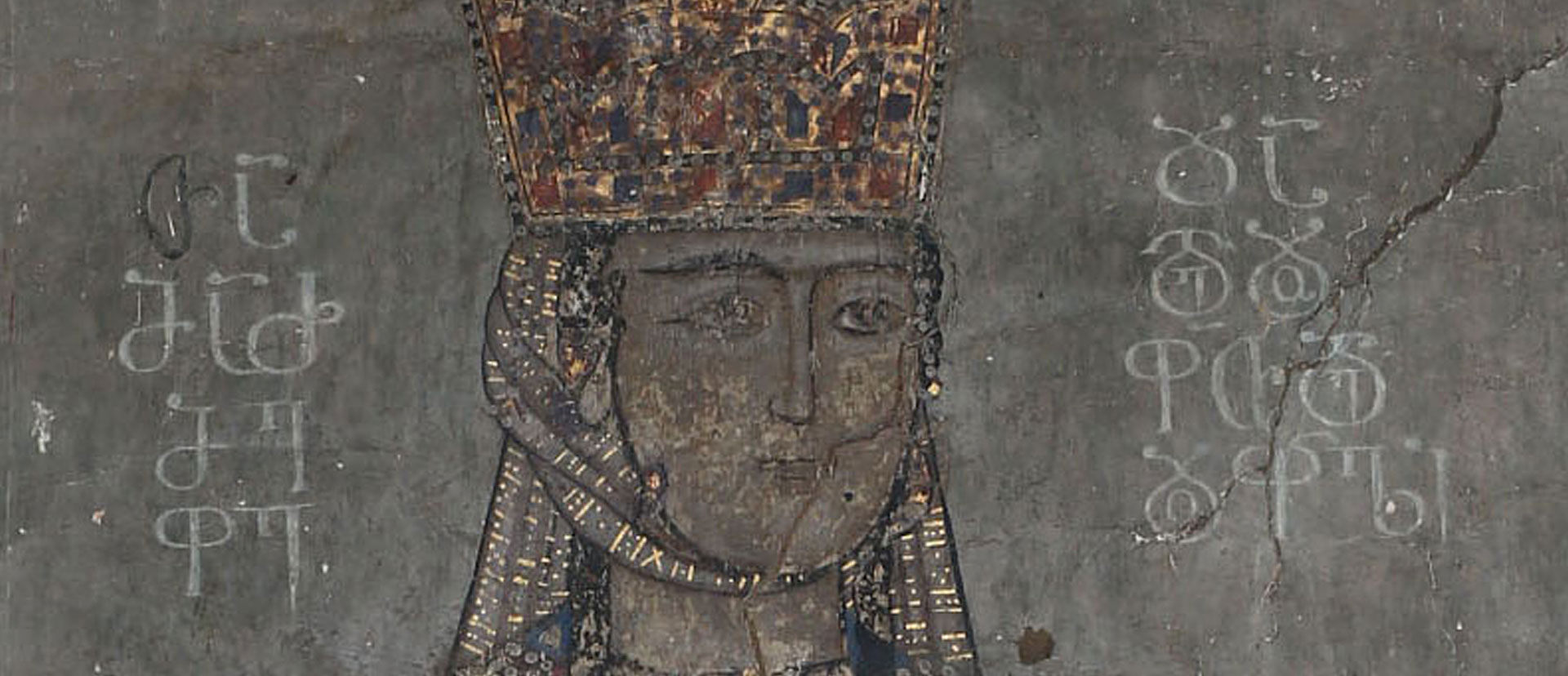
Tamar is referred to as King and not Queen in the inscriptions accompanying the portraits, which makes her equal to the King (a man). (Only in the Betania inscription is she referred to as both King and Queen, which might be the result of later renovations).