.jpg)


- დახარისხება
- თარიღი
დაამატეთ სახელები, თარიღები ან ნებისმიერი ველი



დაამატეთ სახელები, თარიღები ან ნებისმიერი ველი
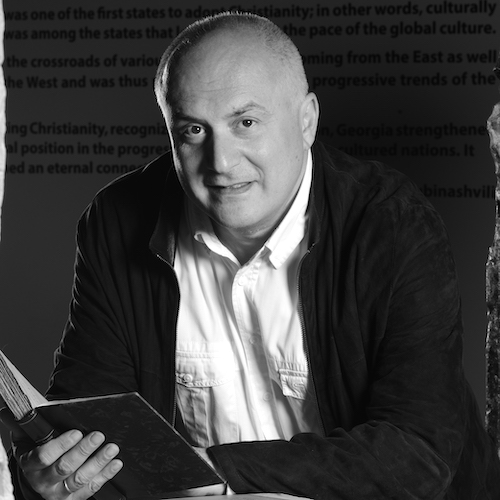
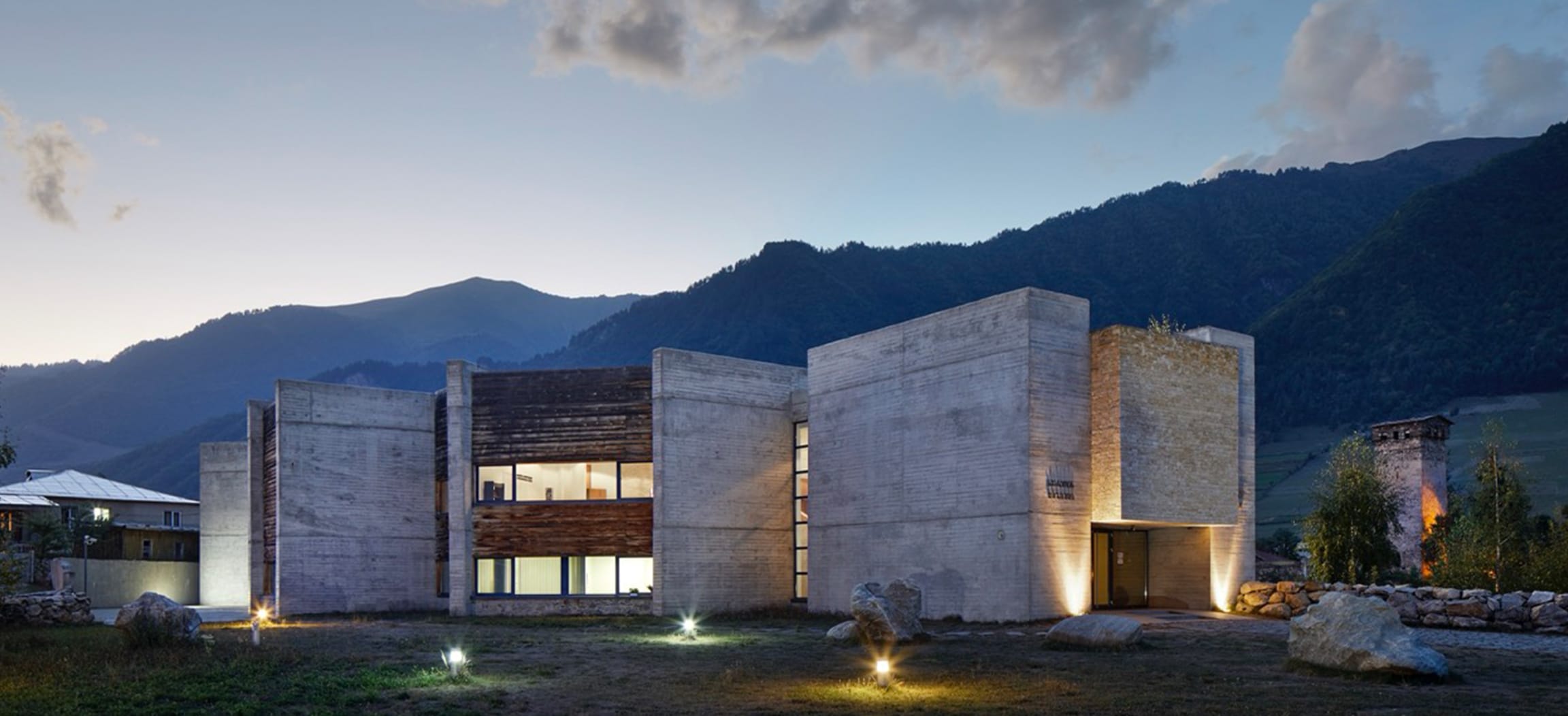
საქართველო თავისი გეოგრაფიული მდებარეობის გამო ისტორიულად სხვადასხვა ცივილიზაციათა ბუნებრივ გზა-ჯვარედინს წარმოადგენდა. ამის მიუხედავად, ქვეყანამ შეძლო კულტურული თვითმყოფადობის შენარჩუნება. ახლა, როდესაც საქართველო ისევ იმკვიდრებს თავს მსოფლიო რუკაზე, ჩვენი მიზანი, საერთო ღირებულებების განვითარებასა და გლობალურ პროცესებში მონაწილეობასთან ერთად, ისევ კულტურული იდენტობის შენარჩუნებაა. ვფიქრობ, სვანეთი და მისი განახლებული მუზეუმი მნიშვნელოვან როლს ასრულებს ამ პროცესში.
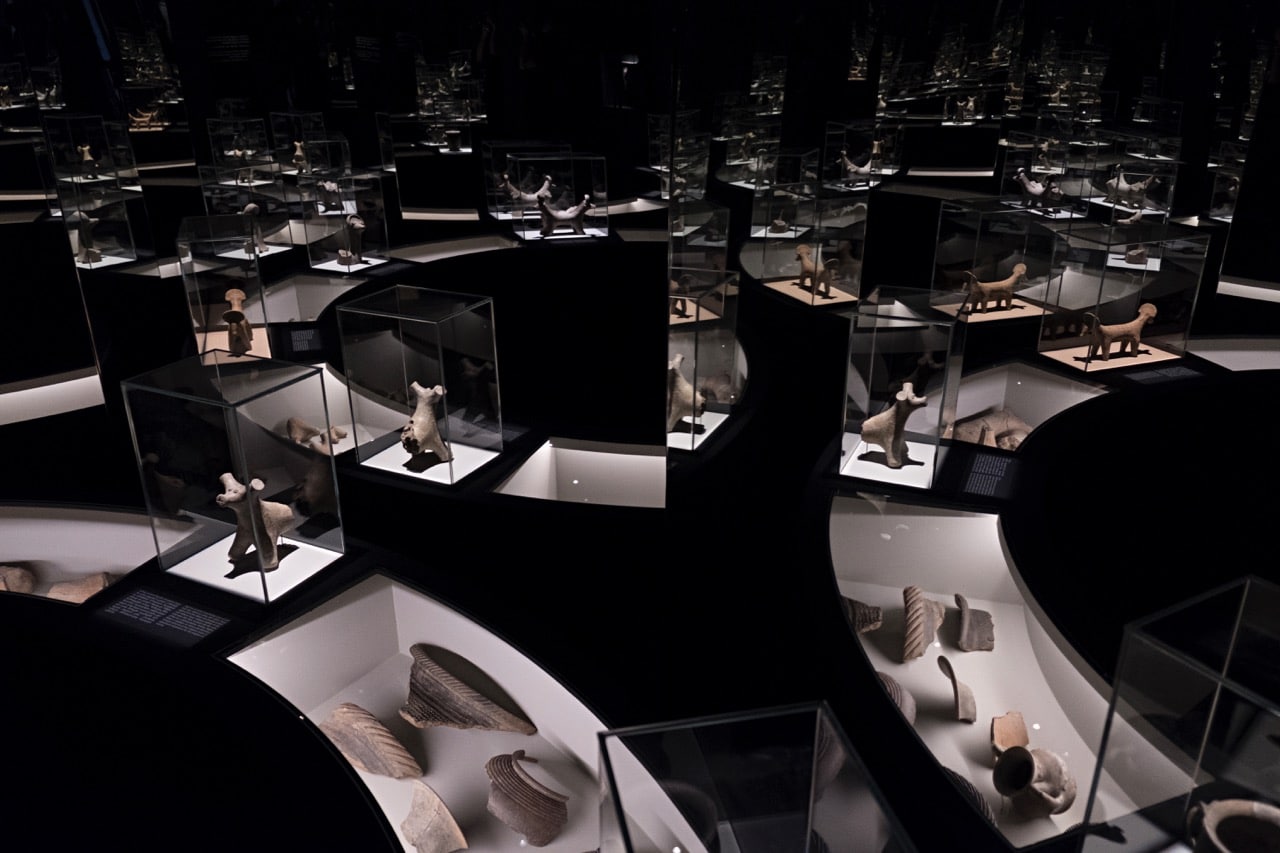
„ვანი“ ძველ ქართულ ენაში სავანეს, სადგურს, მონასტერს ნიშნავს და როგორც იმერეთში მდებარე ადგილის აღმნიშვნელი სახელი, წერილობით წყაროებში პირველად XVIII საუკუნის 70-იან წლებში დასტურდება. ასე იხსენიება „ვანის ოთხთავის“ მინაწერში, აგრეთვე გერმანელი მოგზაურის გიულდენშტედტის ცნობებში სოფელი, რომელსაც დღეს „ზედა ვანი“ ეწოდება და XI-XII საუკუნეებში აგებული მთავარანგელოზის ეკლესიითაა ცნობილი. საკუთრივ ვანს XVIII საუკუნის ქართველი ისტორიკოსისა და გეოგრაფის ვახუშტი ბაგრატიონის მიხედვით „საჩინო“ ეწოდებოდა.
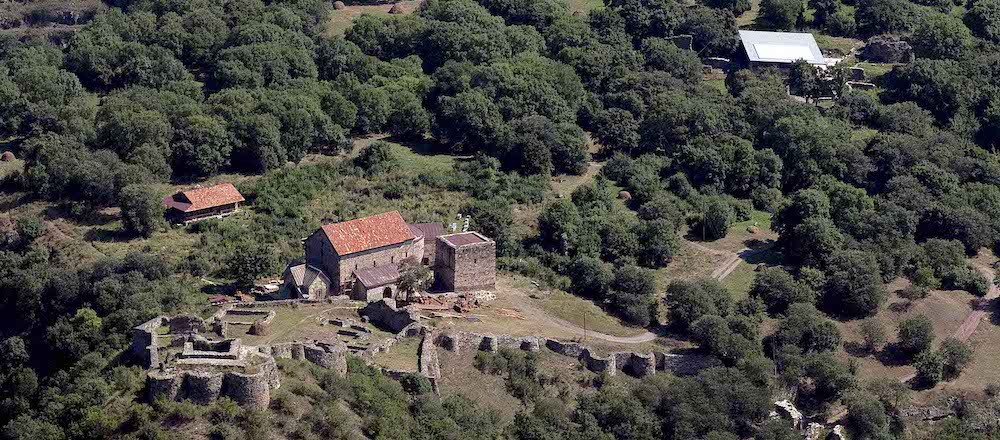
The village of Dmanisi lies some 85 kilometers south-west of the Georgian capital, Tbilisi. In the Middle Ages, Dmanisi was one of the most prominent cities and an important stop on the Silk Road. The area has therefore long intrigued archaeologists, who have been excavating the crumbling ruins of a medieval citadel there since the 1930s.
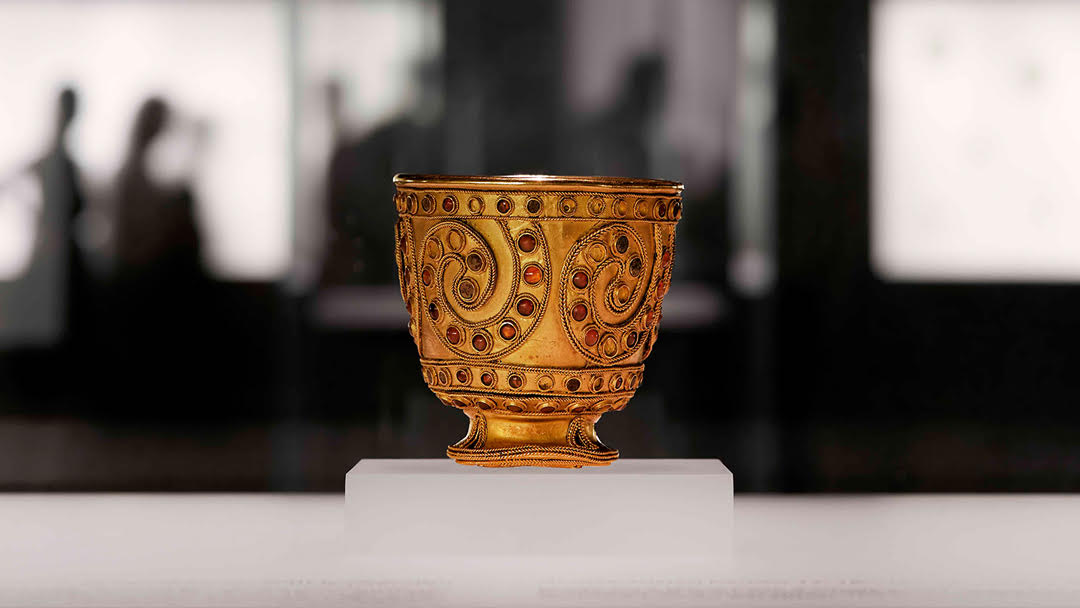
The Georgian National Museum is a scientific cultural institution unifying the country’s major museums, archeological sites, research centers, etc. It has inherited its institutional traditions from the first museum in Georgia, which was founded in the 19th century.