
.jpg)



- Sort by
- Date
Feel free to add tags, names, dates or anything you are looking for



Feel free to add tags, names, dates or anything you are looking for

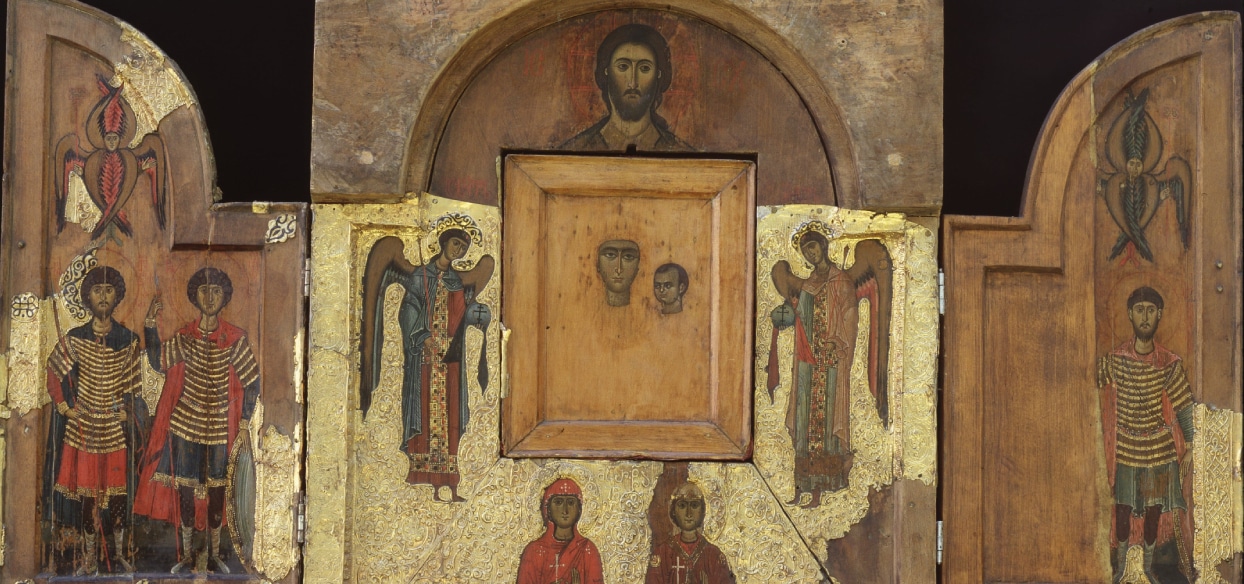
Triptychs, three-panel icons, constitute a distinct category of Christian devotional images. This type of icon allows the depiction of multiple figures and compositions, conveying complex theological concepts. The Seti triptych, named after the St. George Church in Seti, Mestia, Upper Svaneti, where it was housed, is a striking example of this type of icon.
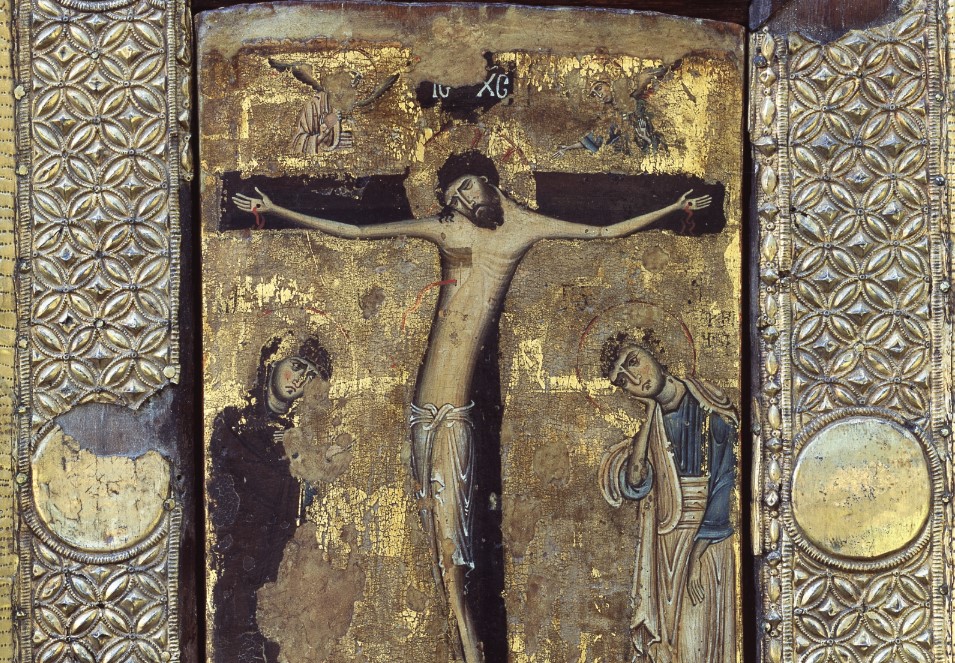
The cult of the Cross of Golgotha, the instrument of Christ’s Passion, dates back to the time of Constantine the Great (272–337), leading to the creation of various practices, including the veneration of fragments of the Golgotha Cross and the production of their reliquaries.
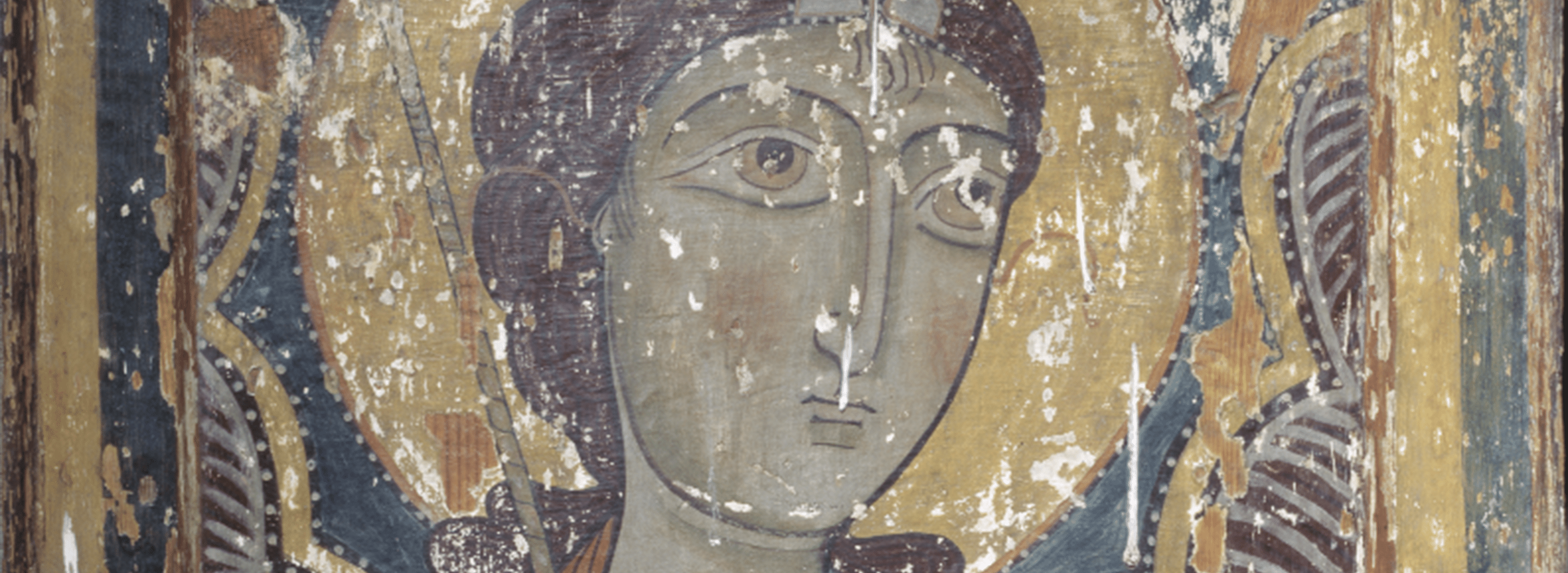
In medieval Georgia have been developed a number of local icon-painting styles, among which must be singled out so called Svaneti “school of icon-painting”. Although we don’t have documented evidence about these workshops, the extent material allows us to attribute to Svaneti, north-western highland region of Georgia, an impressive number of painted icons. Numerous icons preserved in the Saveneti Museum and in the local churches demonstrate stylistic and technical features which differ from the Pro-Byzantine stream of medieval Georgian religious painting. The icons produced in the workshops of Svaneti are in majority dating back to the 13th-15th cc. Most of the icons are not in their original place, but their subject, size and shape make us suppose that they were created for different purposes: for chancel barriers, burial places and for private devotion as well.
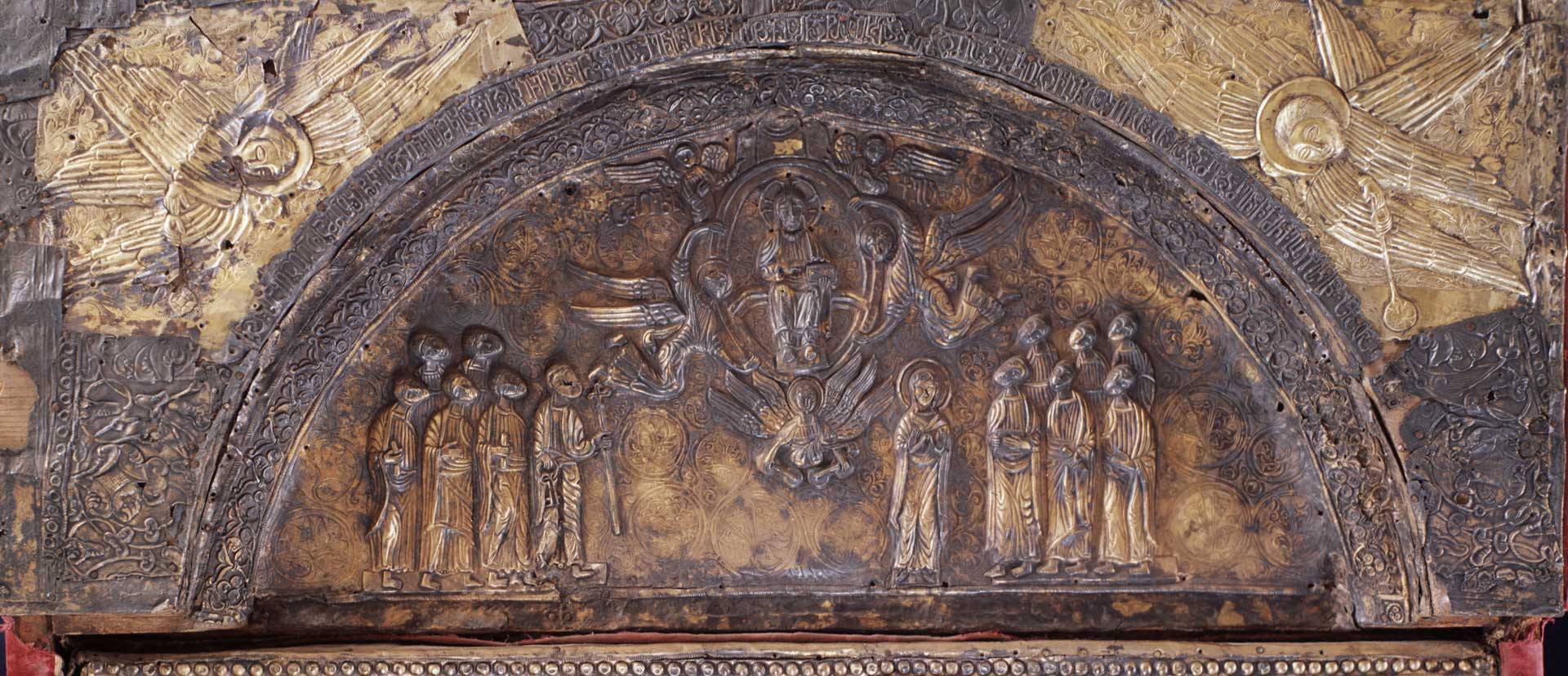
The icon of Ancha or Anchiskhati, a replica of the Holy Face of Edessa – the image of Christ “not made by human hand,” is one of the major relics of the Georgian Church.
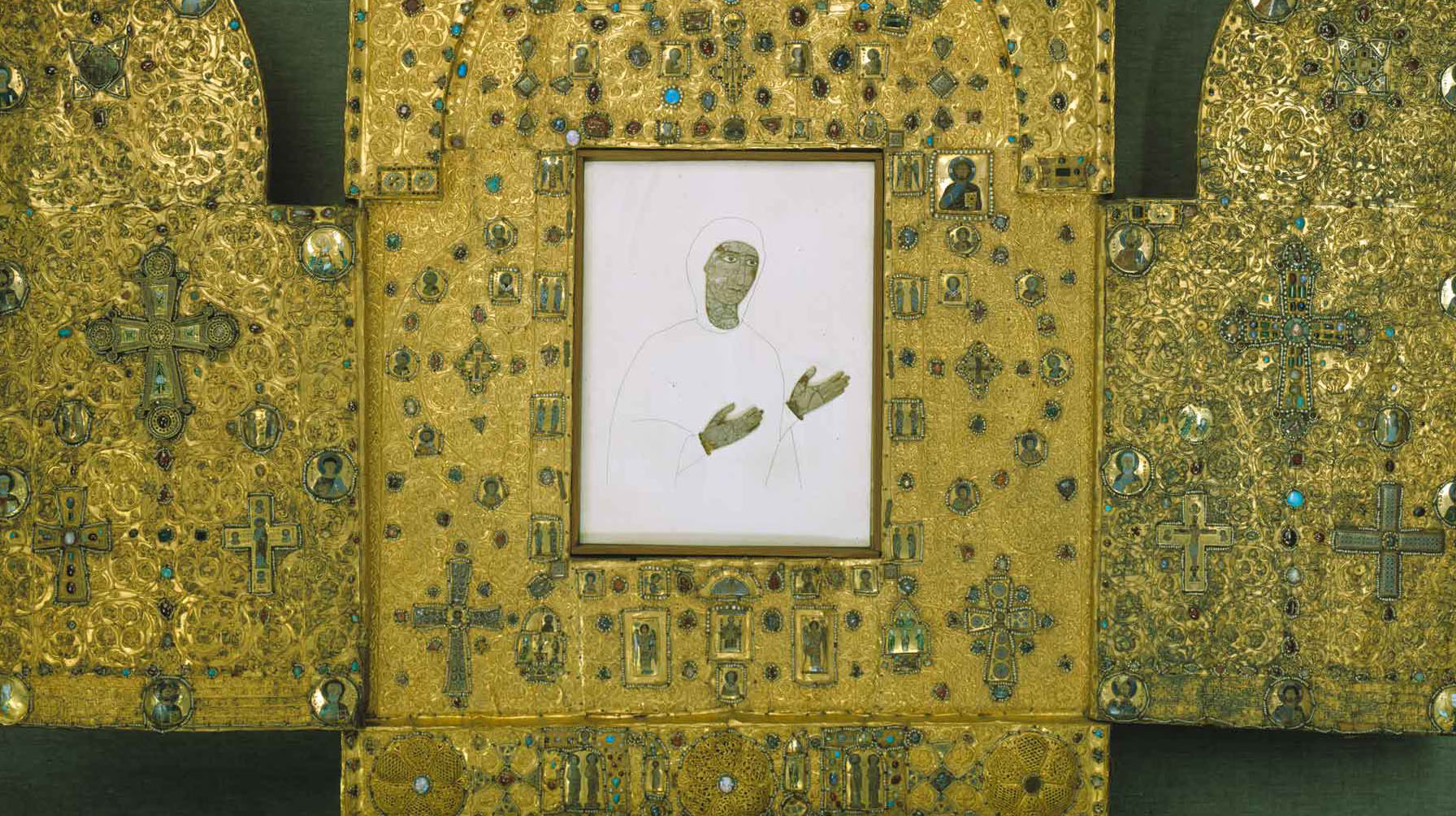
The triptych created for the enamelled image of the Supplicating Virgin, originally belonging to Khakhuli monastery in southwest Georgia, is one of the most brilliant “royal” icons created in medieval Georgia.
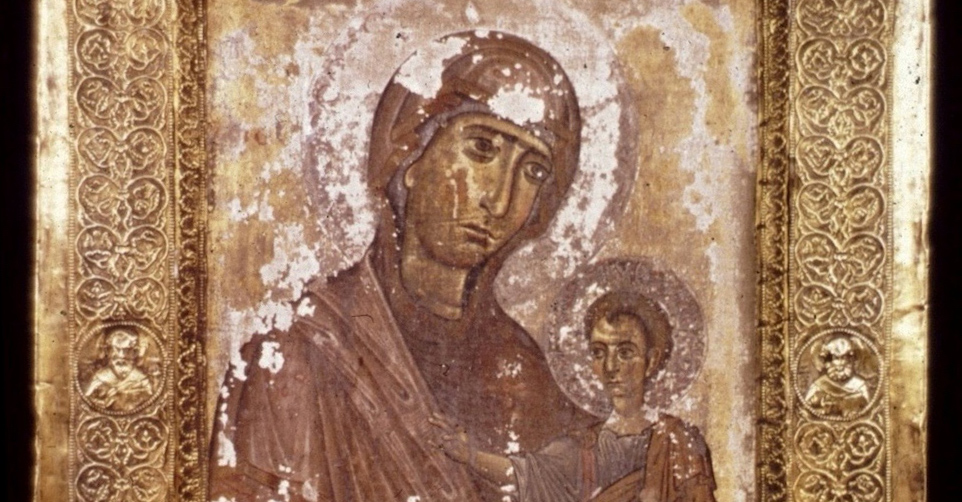
Georgian icon painting has a centuries long history. Although according to Georgian Church tradition the cult of icons in Georgia goes back to apostolic times, the earliest preserved painted icons are dated back to the late 10th – early 11th cc.