.jpg)


- Sort by
- Date
Feel free to add tags, names, dates or anything you are looking for



Feel free to add tags, names, dates or anything you are looking for
_copy.jpg)
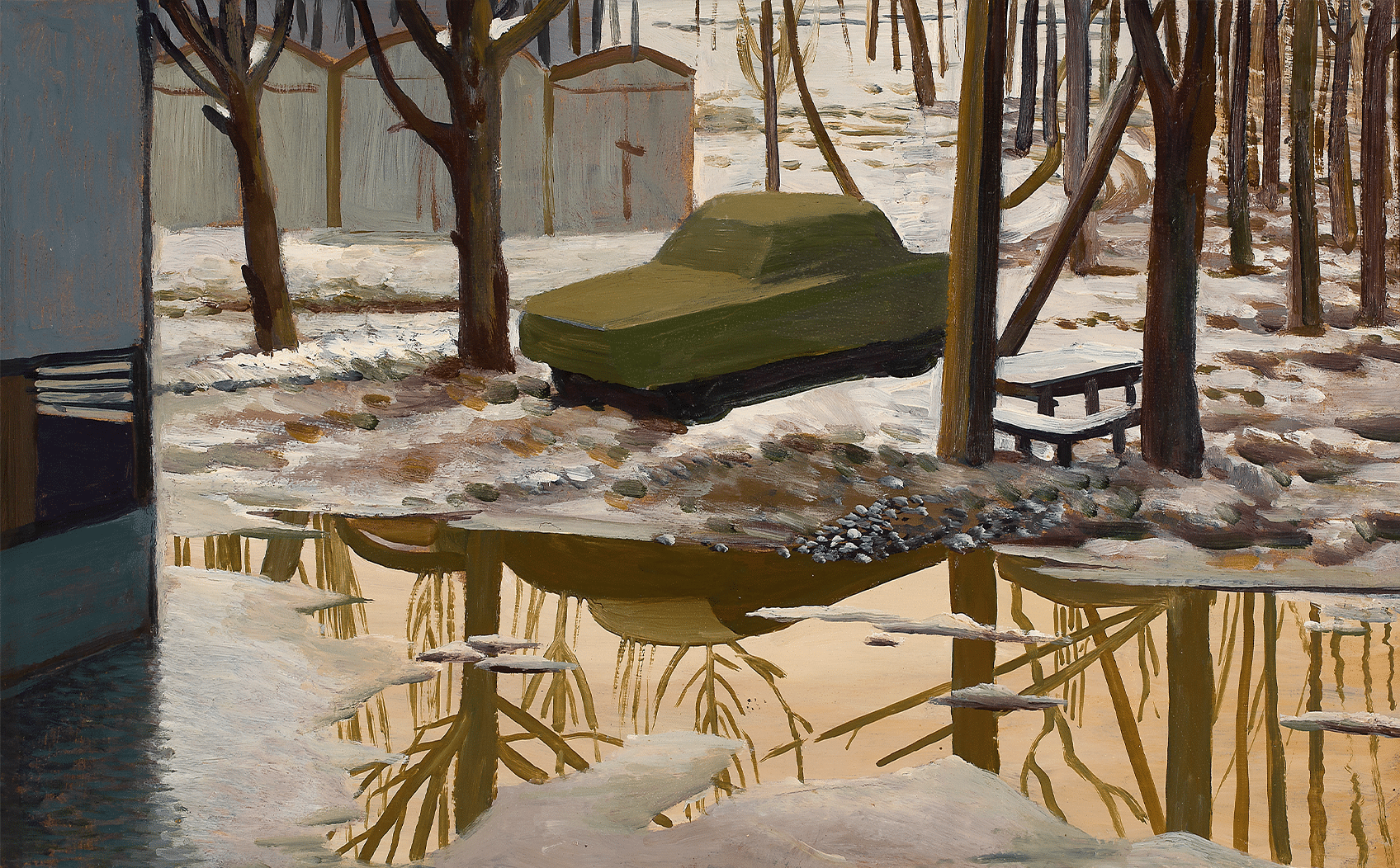
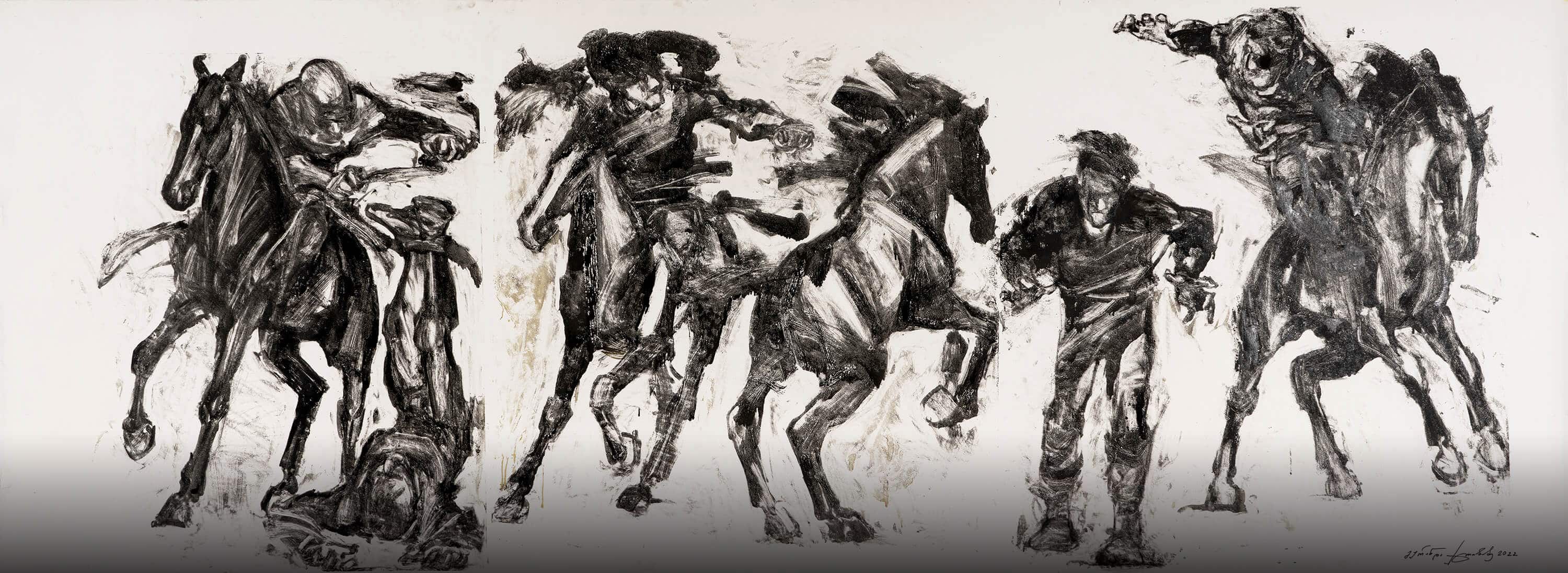
A Soviet underground artist, Chkhartishvili produced works that captured the social and aesthetic dimensions of unofficial art. The worldview and visual language of underground artists were radically different from the conventions of socialist realism. Though, by that time, the system had begun to weaken and unravel, it still held significant ideological weight and influence.
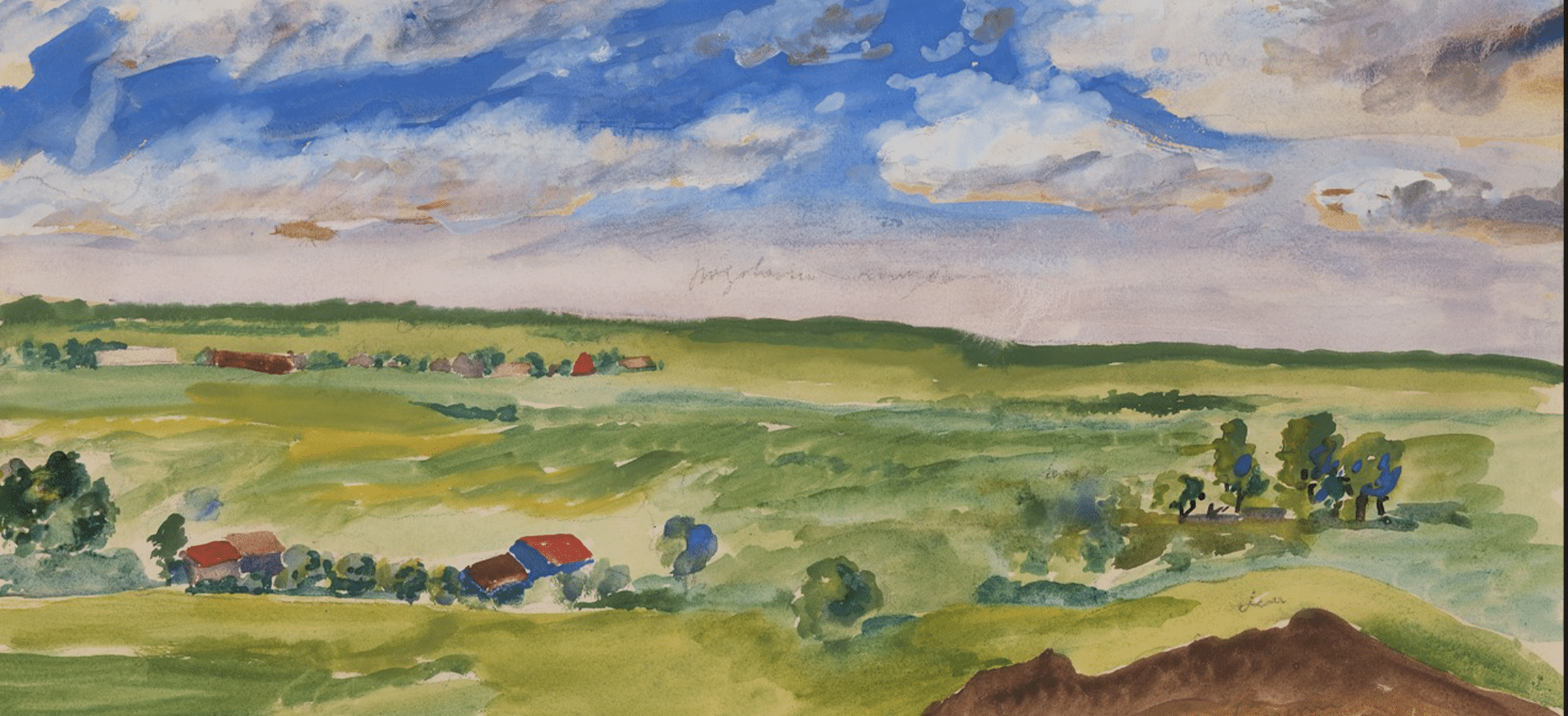
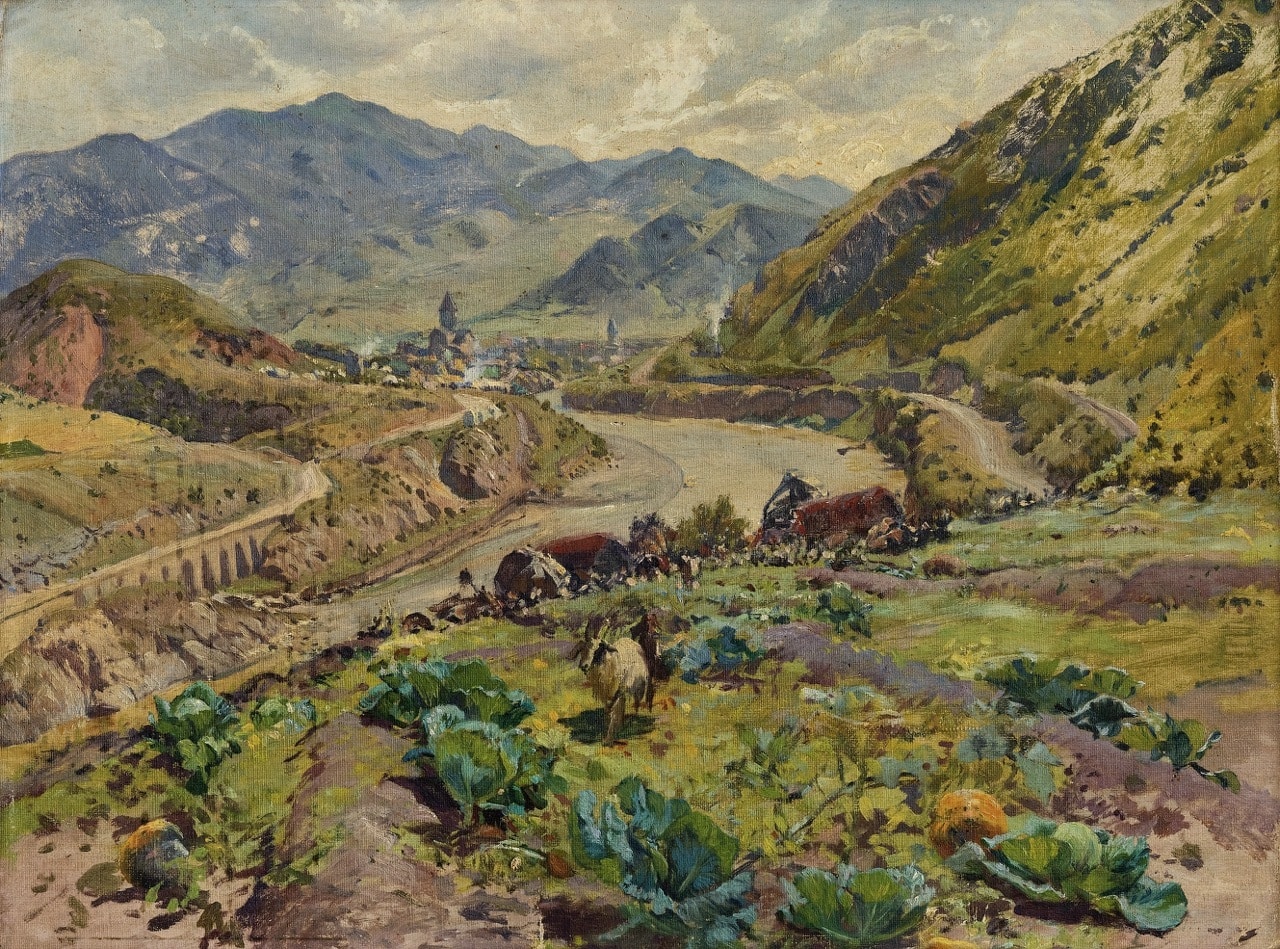
During and after the October Revolution of 1917, Georgia, and particularly Tbilisi, became a refuge for exiled, gifted artists, many of whom had a significant impact on the development of Georgian fine arts. Among them was the renowned Russian painter and graphic designer Vasily Shukhaev.
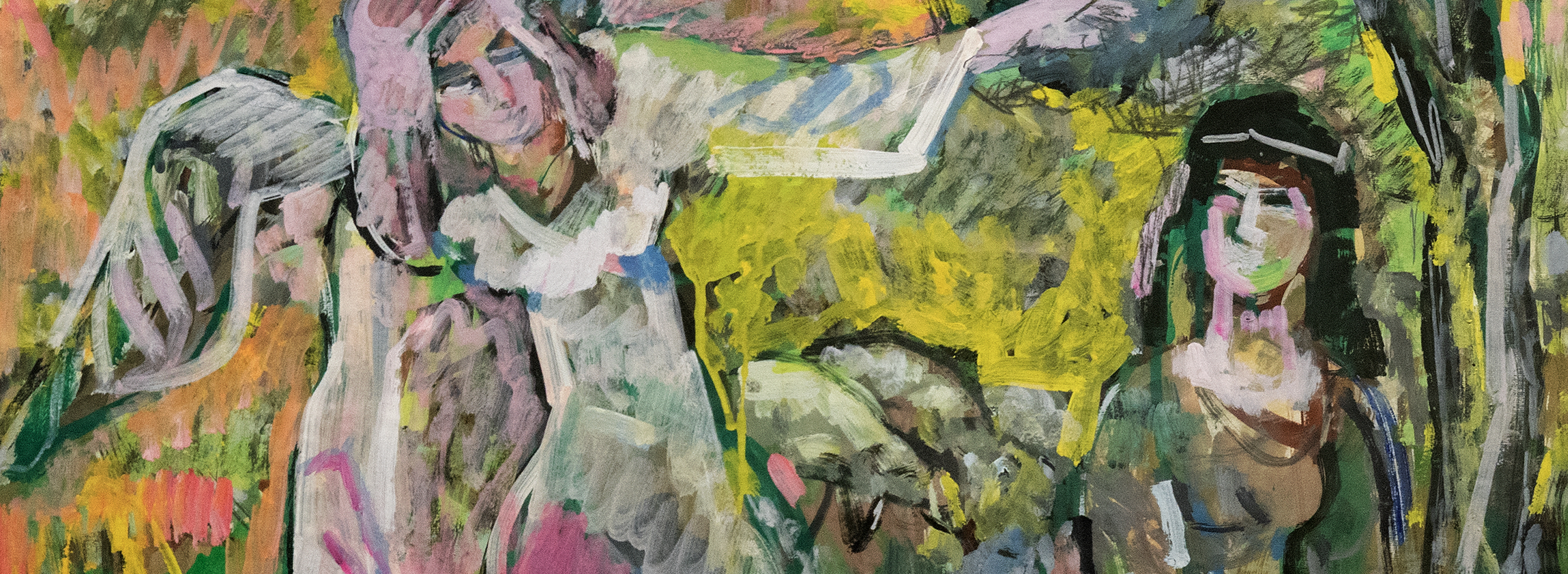
Solomon Gershov was a Jewish artist from the Soviet Union and a representative of nonconformist art. These words themselves imply the inevitable dramatic development of Gershov’s life and creative work. All Jewish artists in the Soviet Union were possessed of a dual identity, and they continually needed to adjust to a different way of life, feeling like aliens in the world of art and not only.
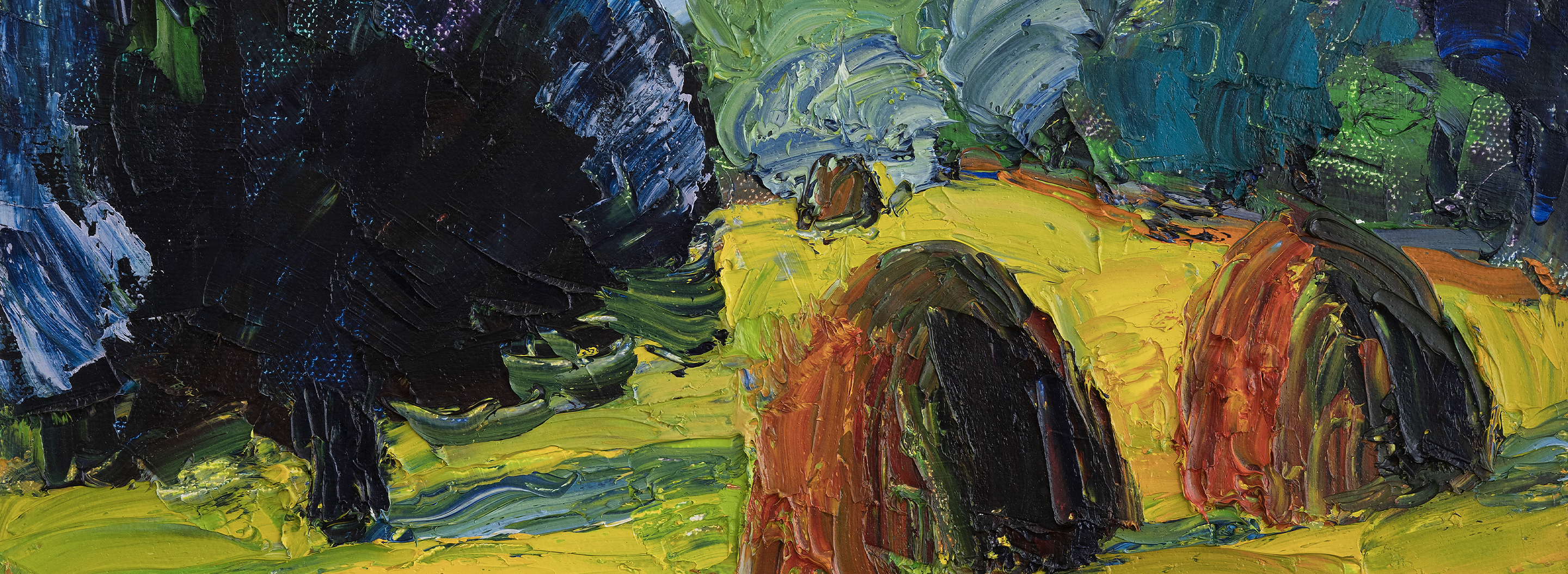
Edmond Kalandadze was one of the forerunners of these new art trends in Georgia. Mastering the techniques of Pompeian frescoes, and Renaissance and European painting, greatly contributed to the formation of the young artist’s pictorial language.
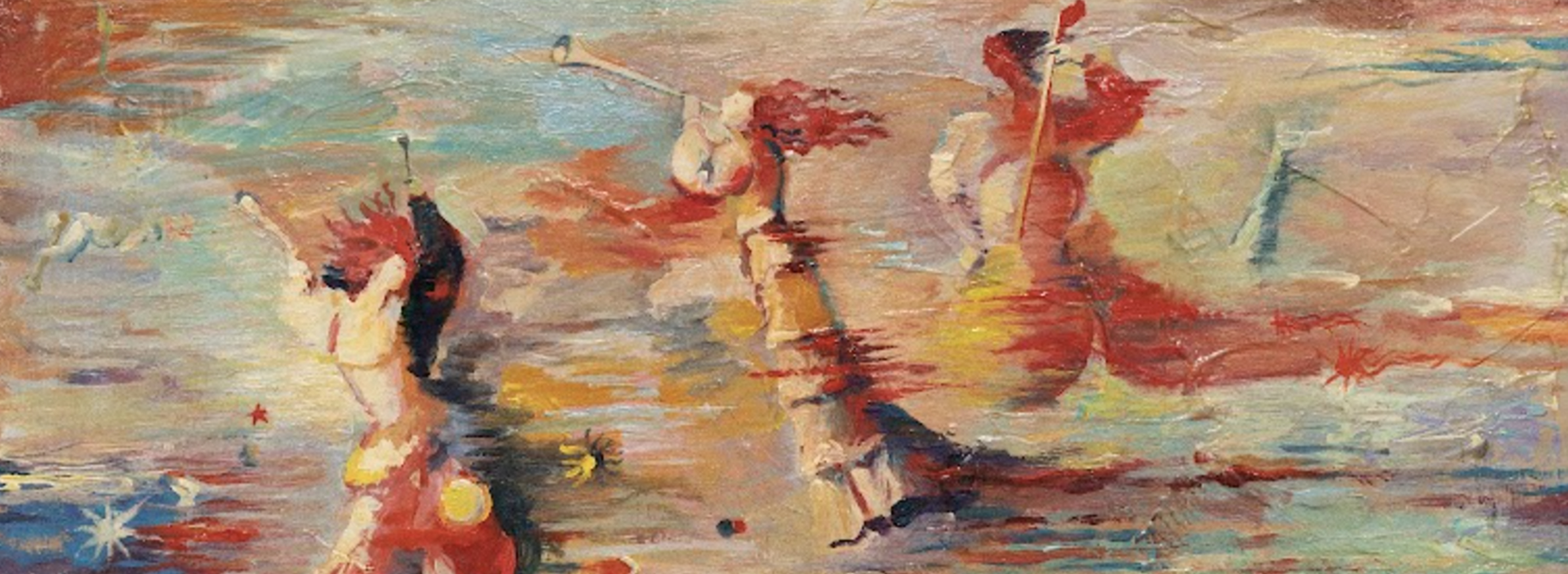
Zurab Nizharadze was a representative of the new wave of artists who, alongside the official art of the Soviet Union, ensured the emergence and development of new flow in fine art after World War II.