
menu
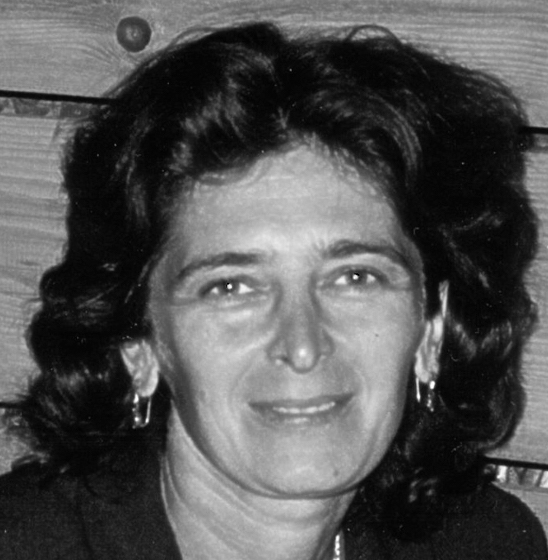
ირინა კოშორიძე

ირინა
კოშორიძე

კურატორი და მწერალი

Irina Koshoridze (ირინა კოშორიძე). Curator of Oriental collections, Shalva Amiranashvili State Museum of Fine Arts, Georgian National Museum; Associate Professor of the Institute of Fine Arts, Department of Humanity Tbilisi State University Irina Koshoridze is Associate professor of the Institute of Fine Arts, Department of Humanity Tbilisi State University and Curator of Oriental collections in Georgian National Museum.

Since February 1 2014 she was appointed as the Director of Georgian State Museum of Folk and Applied Arts.  She has various fellowships and trainings in Museum management and museum studies: IPAM -International Partnership between Museums (1999-2000,USA), Fulbright Scholarship (2000-2001,NY University, USA); FDP –Faculty Development Program –(2006-2009, NY University), RCAC – Research Center of Anatolian Civilizations (2015, Koç University, Turkey). 2002-2008 Dr. Koshoridze was the head of the comity of exporting the cultural Heritage moveable objects in the Ministry of Culture and protection of the monuments. 2013-2015 Koshoridze was the member of the committee of the Cultural Heritage comity in the Ministry of Culture and protection of the monuments. The long experience in Museum work includes curatorial, educational and exhibition practice. As Vice-president of Georgian Museum Association and board member of ICOM National Comity in Georgia she organized different loca,l and international trainings for Museum staff. From 2002 Koshoridze implemented the course of Museology in Tbilisi State University on bachelor’s degree level. Since 2006/07 till today she is heading the model of Museum study Graduate program in Tbilisi State University. Koshoridze participated in international conferences and meetings in Museology, have published papers and book about new models of Museum management.   

As Curator of Oriental art collections in Georgian National Museum she works on various projects, her research and publication concentration are Islamic art and the cultural connections between Georgia and neighboring countries (mostly Iran and Turkey) in the 17th to 19th centuries. As former fellow of New York University department of Art History (2006-2009) she developed the curriculum in Islamic art for BA degree students and special seminars for M.A. students. Dr. Irina Koshoridze is the participant of various international symposiums and seminars, the author of publications in the field of Islamic, Far Easter and Indian Art and Museology.


ირინა კოშორიძე-ის სტატიები

ყაჯარული ფერწერა - ათინათის კოლექცია
ირინა კოშორიძე · ნოემბერი 20, 2025

ყაჯარული ფერწერა - ათინათის კოლექცია

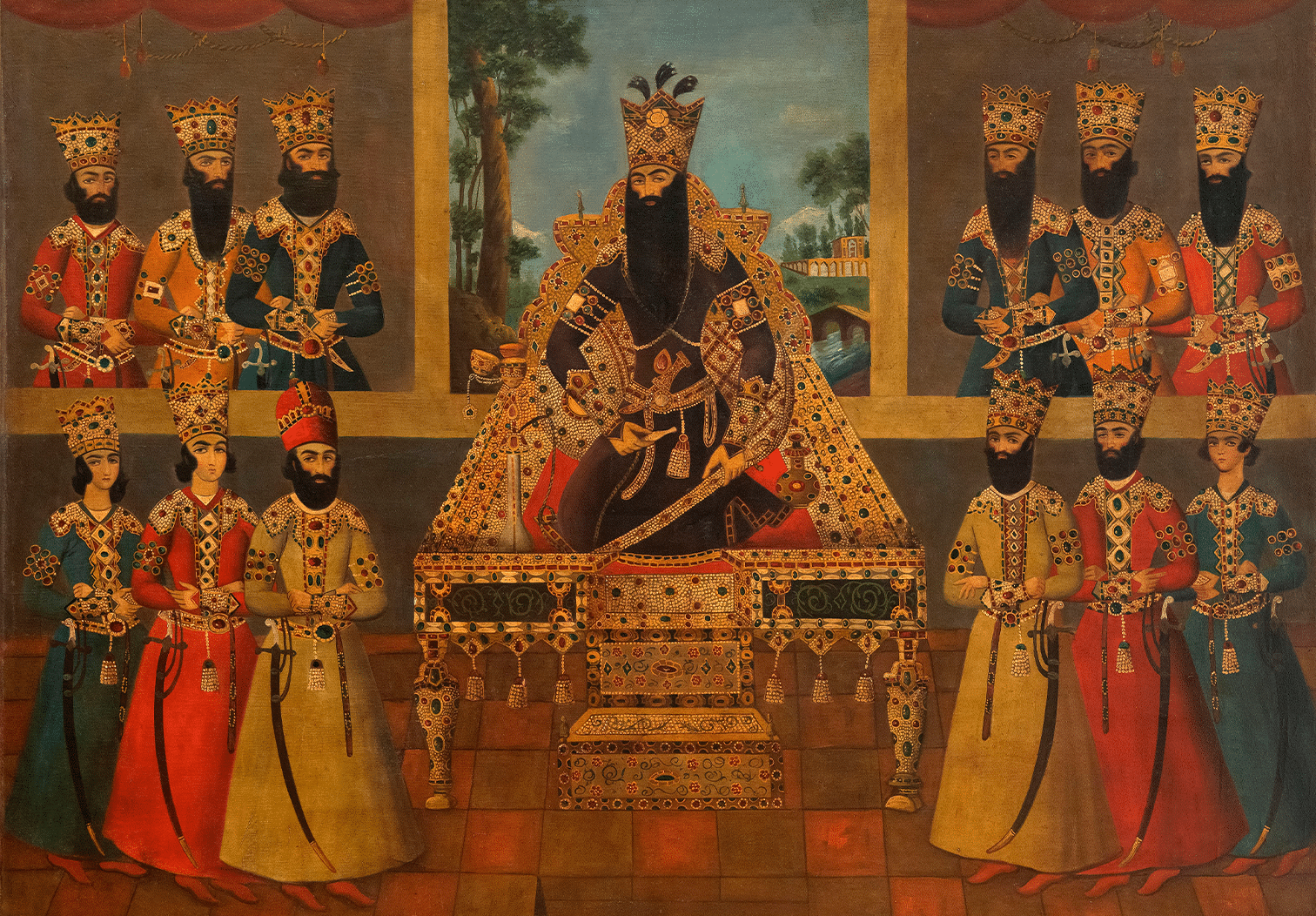
სულ ახლახან ფონდმა ათინათმა არაჩვეულებრივი სპარსული ფერწერა შეიძინა, რომელზეც ყაჯართა დინასტიის მეორე მმართველის ფათჰ -ალი შაჰის(1797-1834) საზეიმო მიღების სცენააა გამოსახული. ღია აივანზე, რომლის უკანაც წარმტაცი პეიზაჟი იშლება ფიჭვის ხეებით და სხვადასხვა არქიტექტურული ნაგებობით, კომპოზიციის ცენტრში წარმოდგენლია ფარშევანგის ტახტზე მჯდომი საზეიმო სამოსში გამოწყობილი ფათჰ -ალი შაჰი, თავზე ბრწყინვალე გვირგვინით. მის ორივე მხარეს ორ რიგად განლაგებულნი არიან სამ-სამი დიდგვაროვანი და უფლისწული. ისინიც ასევე გვირგვინებით, ტიურბანებითა და ძვირფასი სამოსით არიან წარმოდგენილნი.
ბორჯომის ფირუზა
ირინა კოშორიძე · ოქტომბერი 17, 2025

ბორჯომის ფირუზა

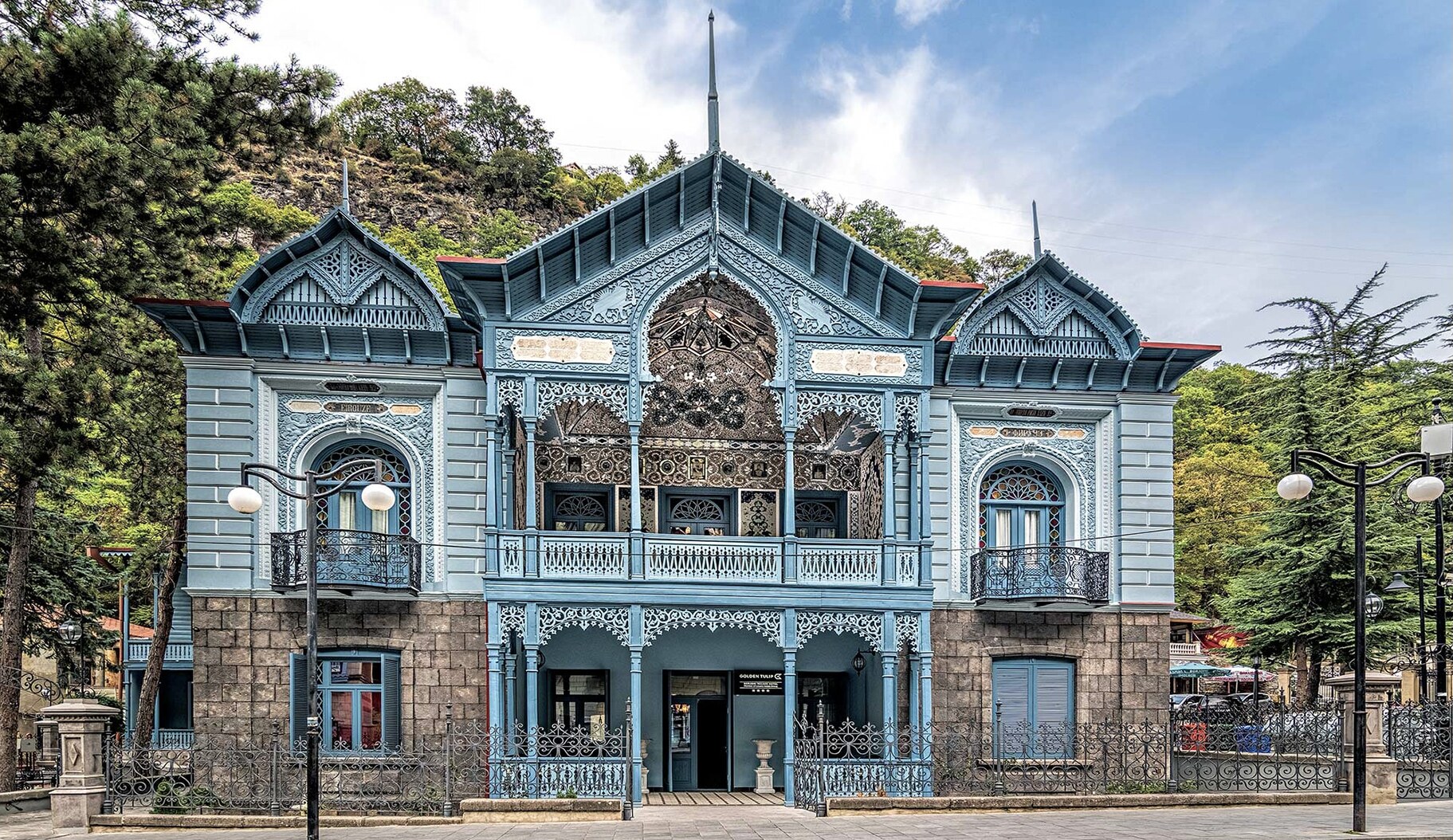
ბორჯომის მთავარი პარკის შესასვლელთან არის შენობა, რომელიც თავისი მხატვრული იერსახითა და ფერადოვნებით გამოირჩევა სხვა სააგარაკე ნაგებობებისგან, რომელსაც ფირუზას უწოდებენ. ფირუზა ირანელი დიპლომატის, 1889-1895 წლებში თბილისში ირანის გენერალური კონსულის, მირზა რეზა ხანის მიერ იქნა აგებული იმ მიწის ნაკვეთზე, რომელიც მან კავკასიის მეფისნაცვლის, დიდი მთავრის, ნიკოლოზ მიხეილის ძე რომანოვის (1863–1881) ნებართვით შეიძინა.
THE ERA OF QAJAR ART
ირინა კოშორიძე · იანვარი 19, 2024

THE ERA OF QAJAR ART

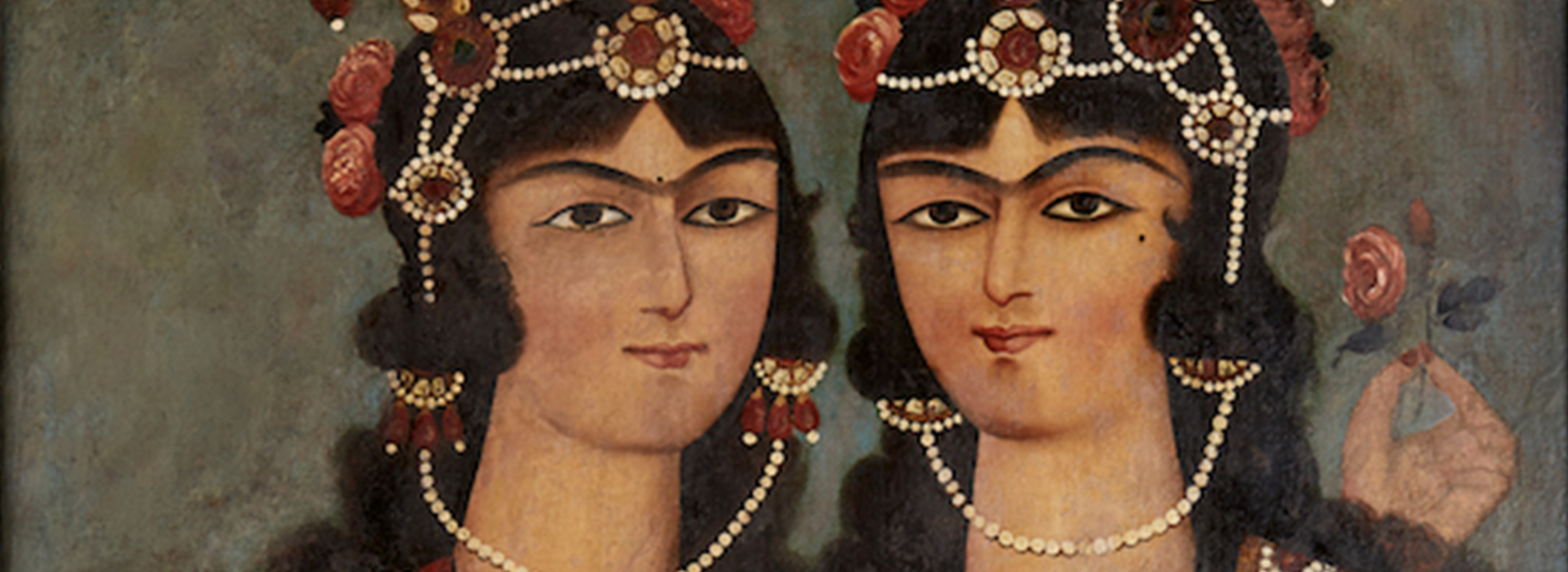
Iranian easel painting from the 18th and 19th centuries occupies an important place in the history of both Iranian and global art. Owing to the fact that its initial creation and subsequent development occurred precisely during the reign of the Qajar dynasty in Iran, it is frequently referred to as Qajar or Royal Persian Painting. One of the world’s largest collections of easel paintings from the Qajar era is housed at the Shalva Amiranashvili State Museum of Fine Arts, which is a part of the National Museum of Georgia.