

- დახარისხება
- თარიღი
დაამატეთ სახელები, თარიღები ან ნებისმიერი ველი



დაამატეთ სახელები, თარიღები ან ნებისმიერი ველი
.jpeg)
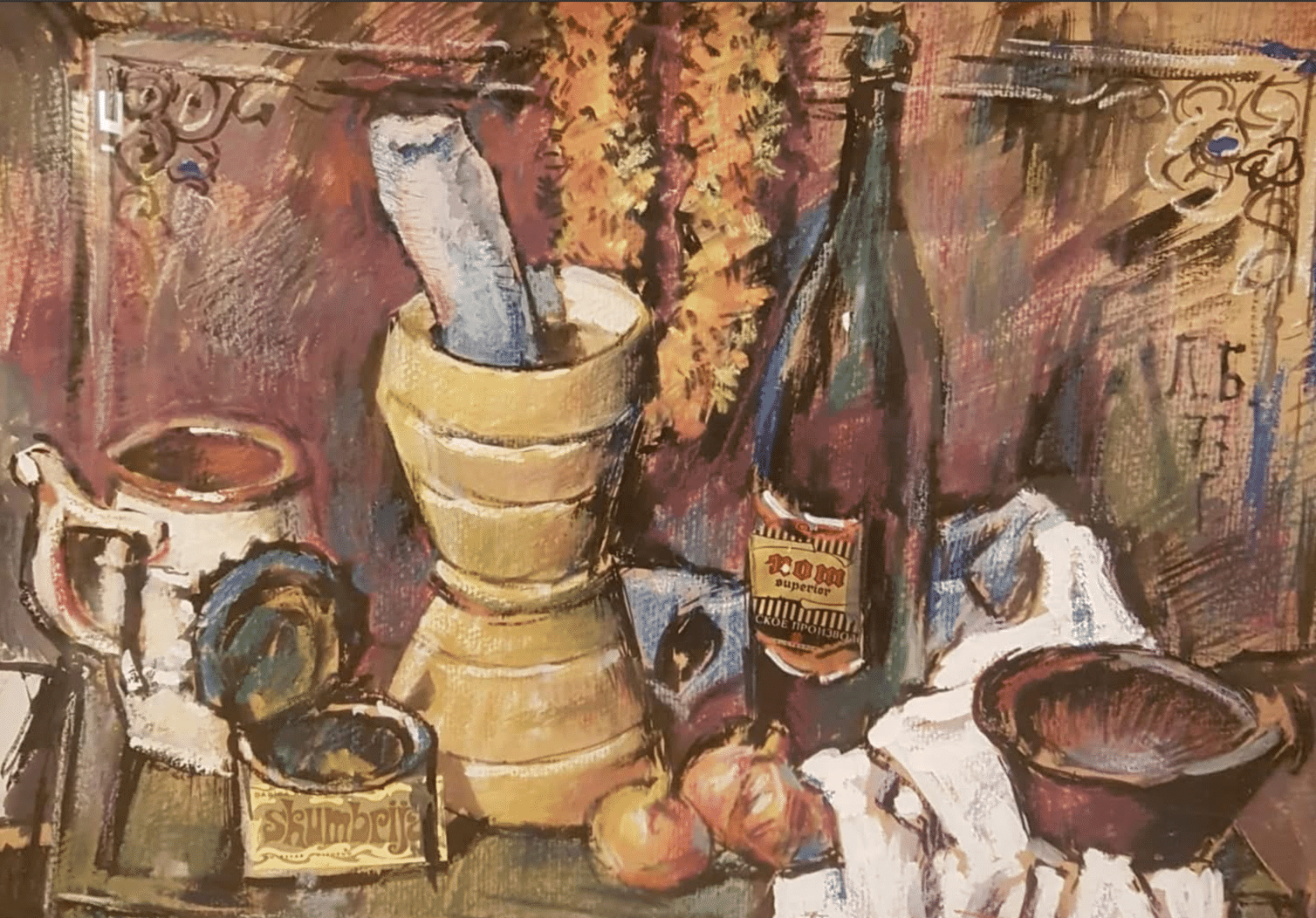
ლევ ბაიახჩევი 60-იანელთა თაობის მხატვარია, იმ თაობის, რომელმაც პოსტსტალინური ლიბერალიზაციის პერიოდიდან (50-იანი წწ.) დაწყებული საბჭოეთსა და დანარჩენ მსოფლიოს შორის ჩამოშვებული „რკინის ფარდის“ ოდნავი გადაწევიდან შემოსული თავისუფლების ჰაერი ხარბად ჩაისუნთქა და საერთაშორისო სახელოვნებო პროცესებს აუღო ალღო. იმ დროის მხატვრებიდან ლევ ბაიახჩევი თავისი ესთეტიკური გემოვნებით და გარკვეული შეხედულებებითაც ყველაზე ახლოს მხატვარ ავთო ვარაზთან იდგა.
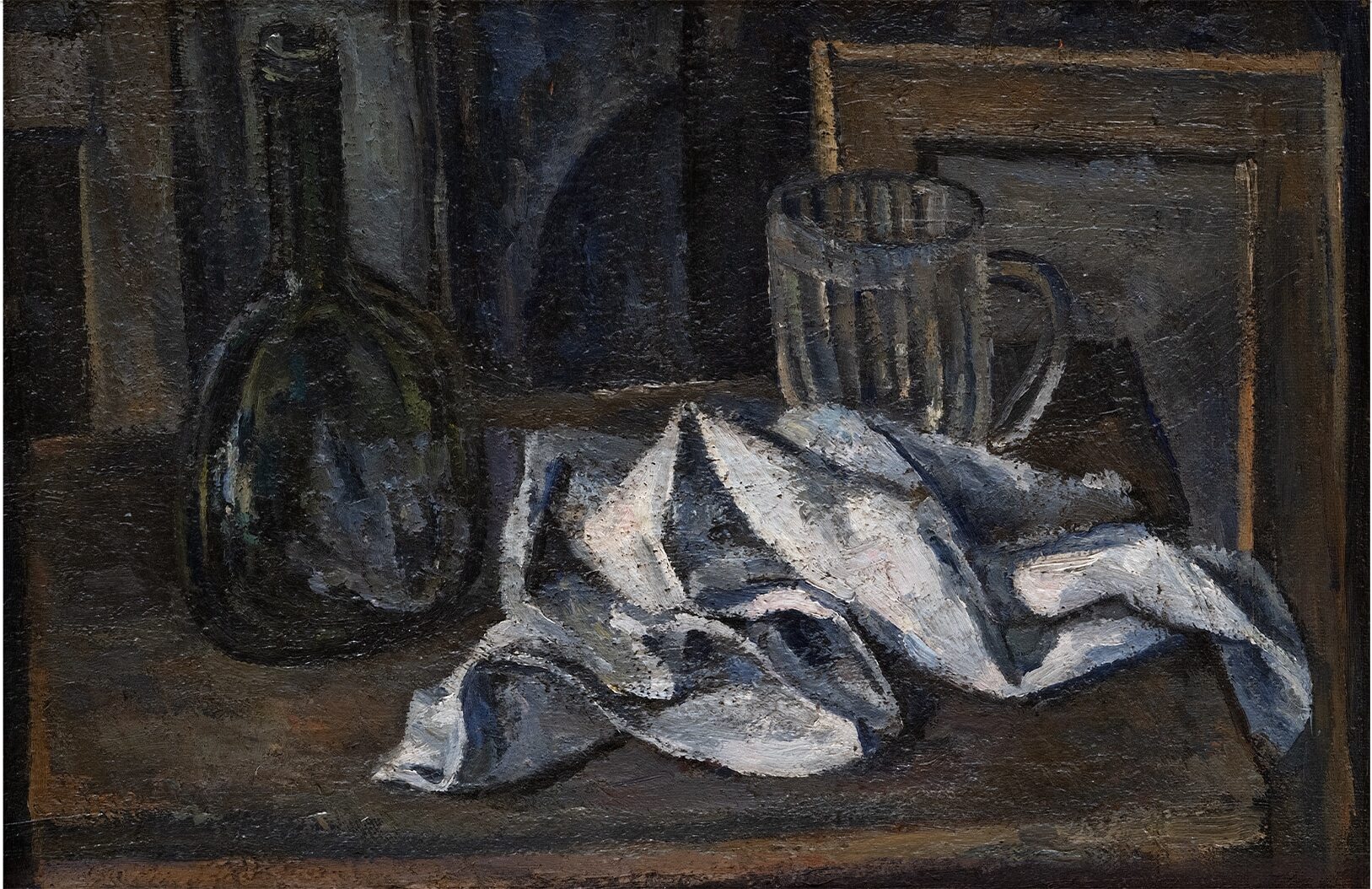
მწერალ გურამ რჩეულიშვილს პირველად ავთო ვარაზი რომ გააცნეს, მასთან დამშვიდობებისას, მეგობრისთვის ახალ გაცნობილ მხატვარზე უთქვამს: „აი, ნამდვილი მხატვარი“
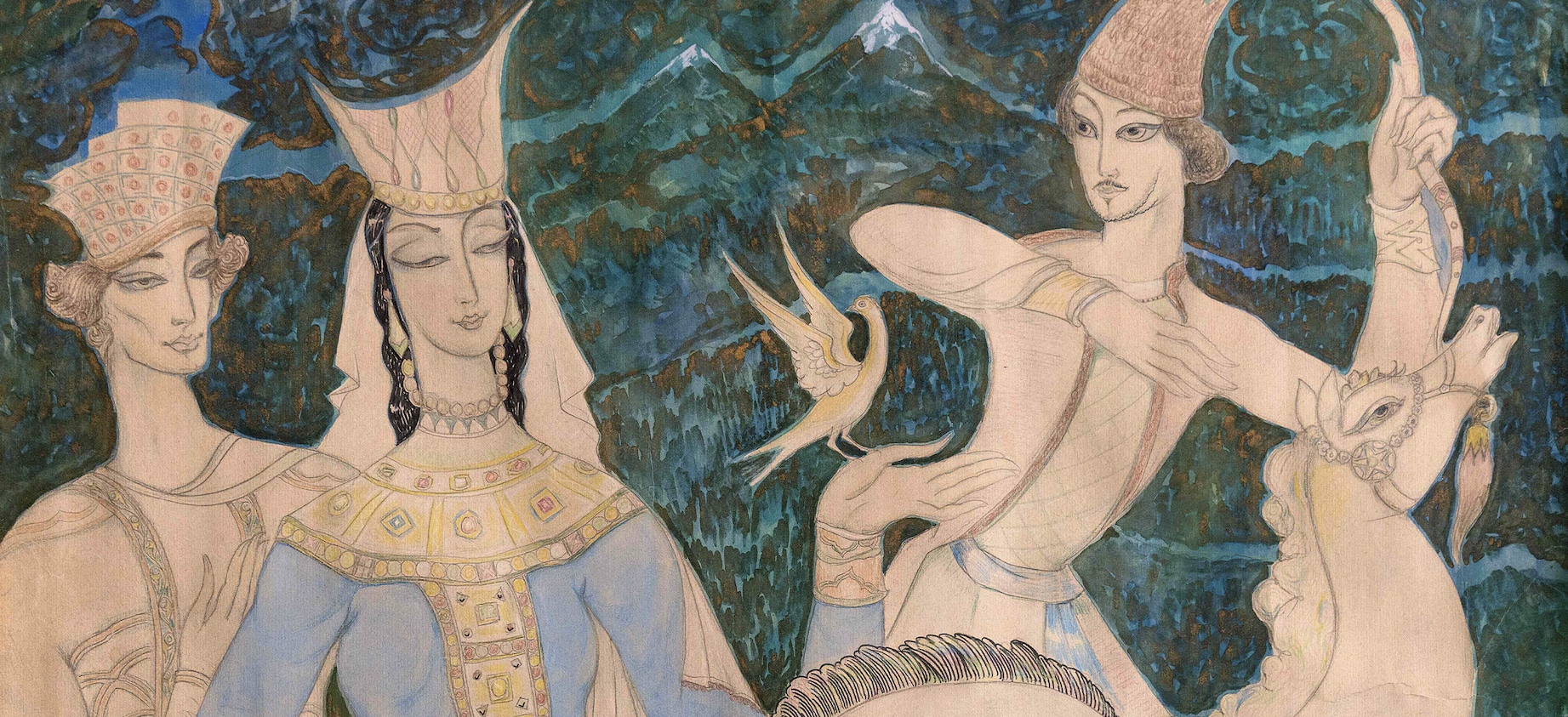
შეიძლება თამამად ითქვას, რომ ქართველი მხატვრებიდან, ნიკო ფიროსმანაშვილის შემდეგ, ყველაზე ბევრი დაიწერა ლადო გუდიაშვილის შესახებ. მასაც, ისევე, როგორც ფიროსმანს პირველი აღიარება, უწინარესად, ხელოვნების არაქართველი დამფასებლებიდან ერგო, თუმცა შემდეგ, ისევე, როგორც საქართველოს მითოლოგემად ქცეული ფიროსმანი, ლადო გუდიაშვილიც ქართველთათვის, უაღრესად საამაყო და სასახელო შემოქმედათ იქცა.
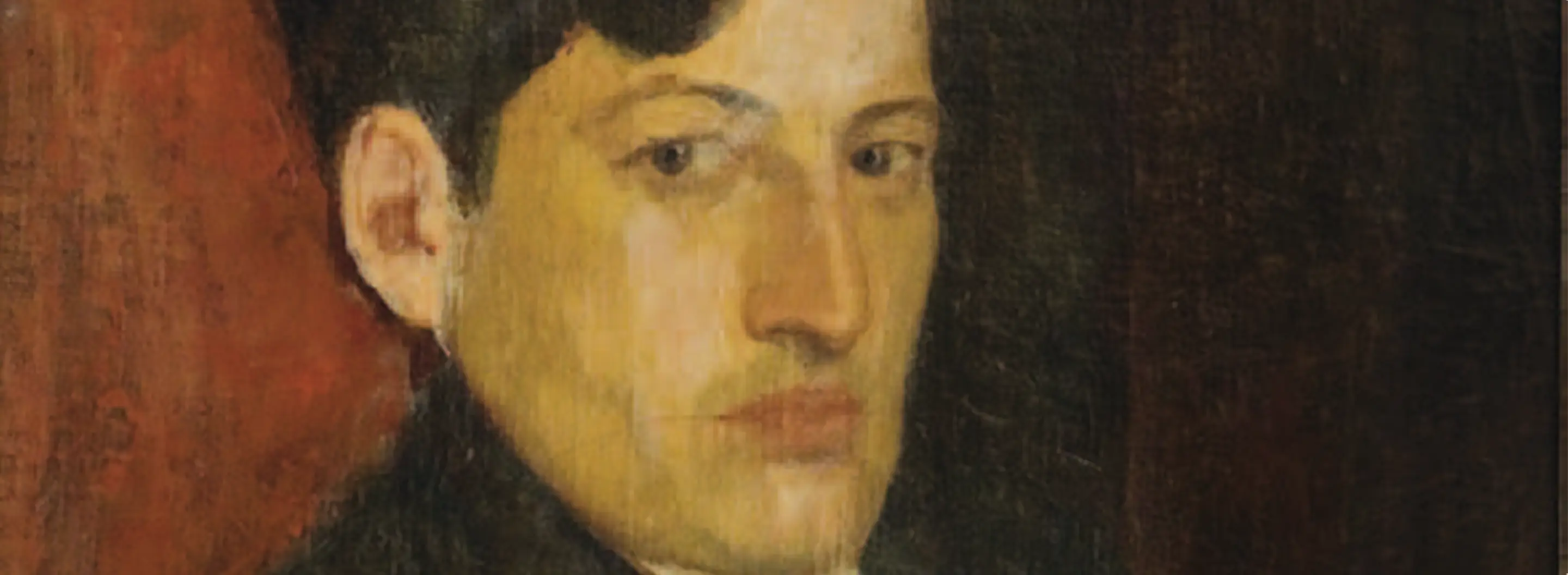
ქართული სახვითი ხელოვნების ისტორიამ შემოგვინახა ორი დიდი მხატვრის სევდიანი სიყვარულის ამბავი, სიყვარული, რომელსაც გაგრძელება არ ეწერა და მისი ტრაგიკული დასასრული მოუშუშებელ იარად დააჩნდა არამხოლოდ ქეთევან მაღალაშვილის კეთილშობილ სულს, არამედ მთელი საქართველოს კულტურულ ელიტას. ეს იყო ქართული კულტურის ერთ-ერთი მებაირახტრის მხატვარ დიმიტრი შევარდნაძის „ხალხის მტრად“ შერაცხვა და 1938 წელს მისი რეპრესირება. ამბობენ, მაშინ ქეთევან მაღალაშვილი სახლში ჩაიკეტა, უახლოეს ადამიანთა (და-ძმა) გადმოცემით, მან შემოქმედებით მუშაობასაც კი, გარკვეული პერიოდით თავი დაანება და სრულ გაურკვევლობაში მყოფი, გაოგნებული კითხულობდა: “რატომ?“, „რისთვის?“..., თუმცა, ამ კითხვებზე პასუხი არავის ჰქონდა, არც მაშინ და არც ახლა.
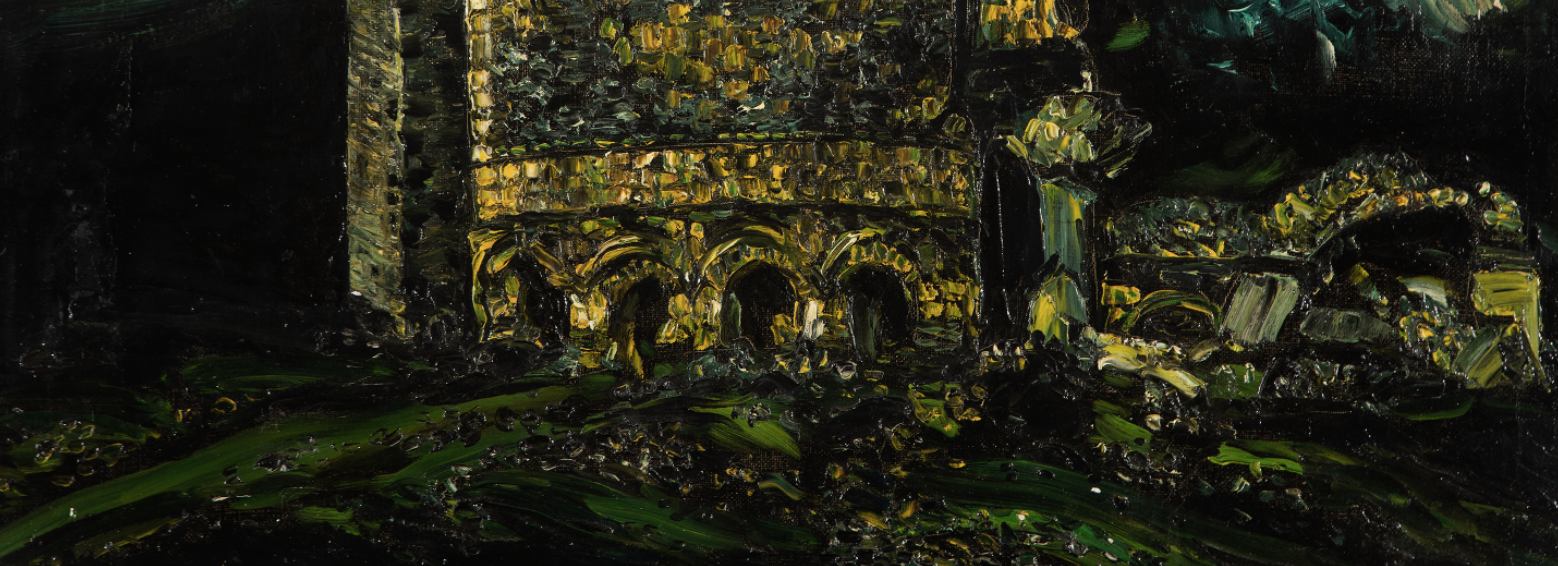
Natela Iankoshvili was an artist entirely absorbed in her creative work. Her paintings represent different stages in her life. She didn’t have a child of her own, and considered her paintings her children. In each of Iankoshvili's works, be it a portrait, a landscape, an easel graphic, or an illustration for a book, the artist's stubborn, bold, firm, and complex character seems fully embodied. Her husband, the writer Lado Avaliani, who studied with Natela Iankoshvili at the Tbilisi Art Academy, believed that her art carried existential importance for her. As proof of their unwavering love that began within the walls of the Academy, Lado Avaliani gave up painting and, with the income from his writing career, fully supported the development of his wife's extraordinary talent.
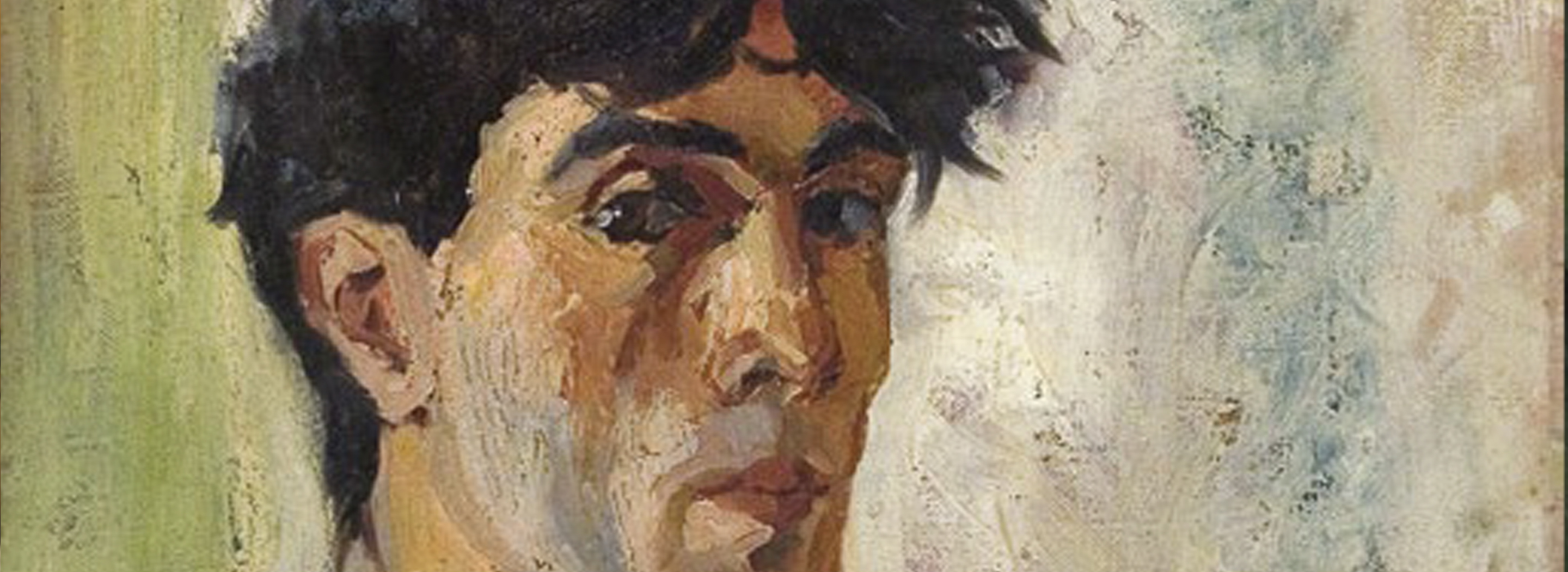
Shalva Kikodze’s emergence on the Georgian art scene was comparable to a meteoric phenomenon. The duration of his creative activity spans just fourteen years. In 1908, at the age of 14, his first caricature was published in the Georgian humorous magazine "The Devil's Whip." His final work appeared in October 1921 during an exhibition at "La Licorne" Gallery in Paris, featuring works by three Georgian artists — Lado Gudiashvili, Davit Kakabadze, and Shalva Kikodze.
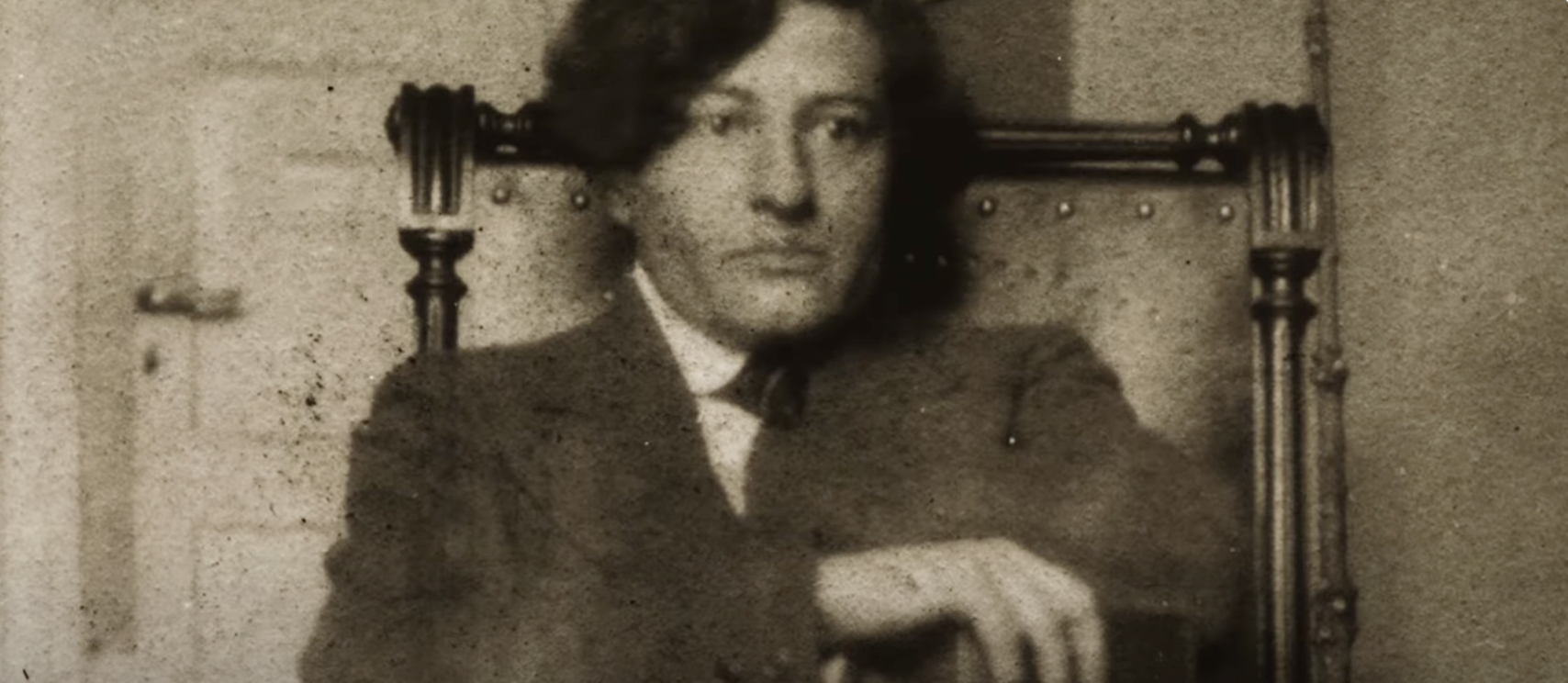
აღარავინ დაობს იმაზე, რომ ეპოქებს უდიდესი პიროვნებები ქმნიან, ტიტანები, რომლებიც თავიანთი მხრებით ზიდავენ მძლავრ ეპოქათა ქარტეხილიან ბედისწერას. აზრთამპყრობელნი მეოცე საუკუნესაც არ აკლდა, თუმცა ამ საუკუნემ ყველაზე მეტად, სწორედ გამორჩეულ პიროვნებებს მოუვლინა მრავალი განსაცდელი. ერთ-ერთი ასეთი გამორჩეული ადამიანი, ქართული კულტურის მებაირახტრე დიმიტრი შევარდნაძე გახლდათ.