





 Share this article
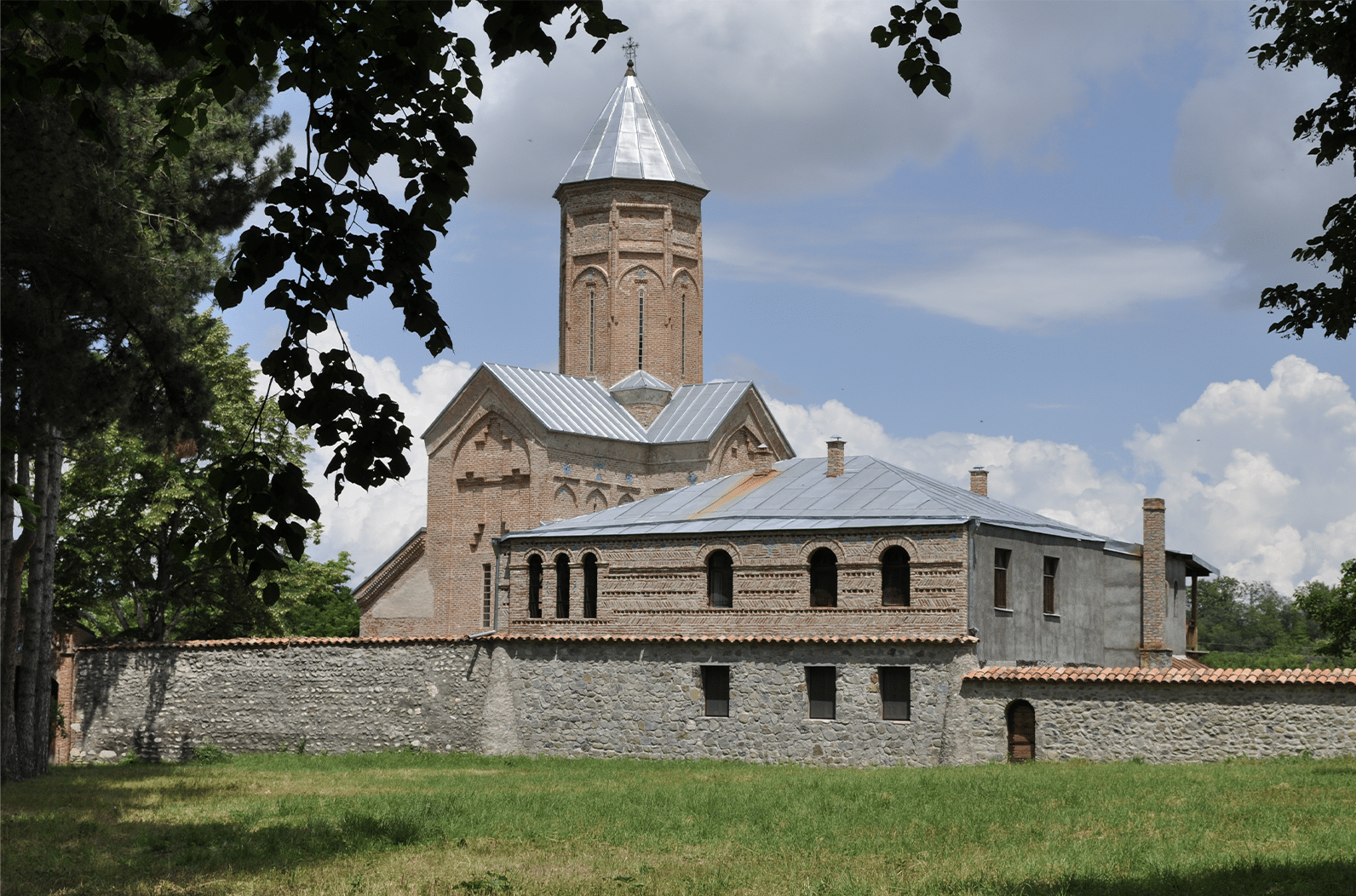
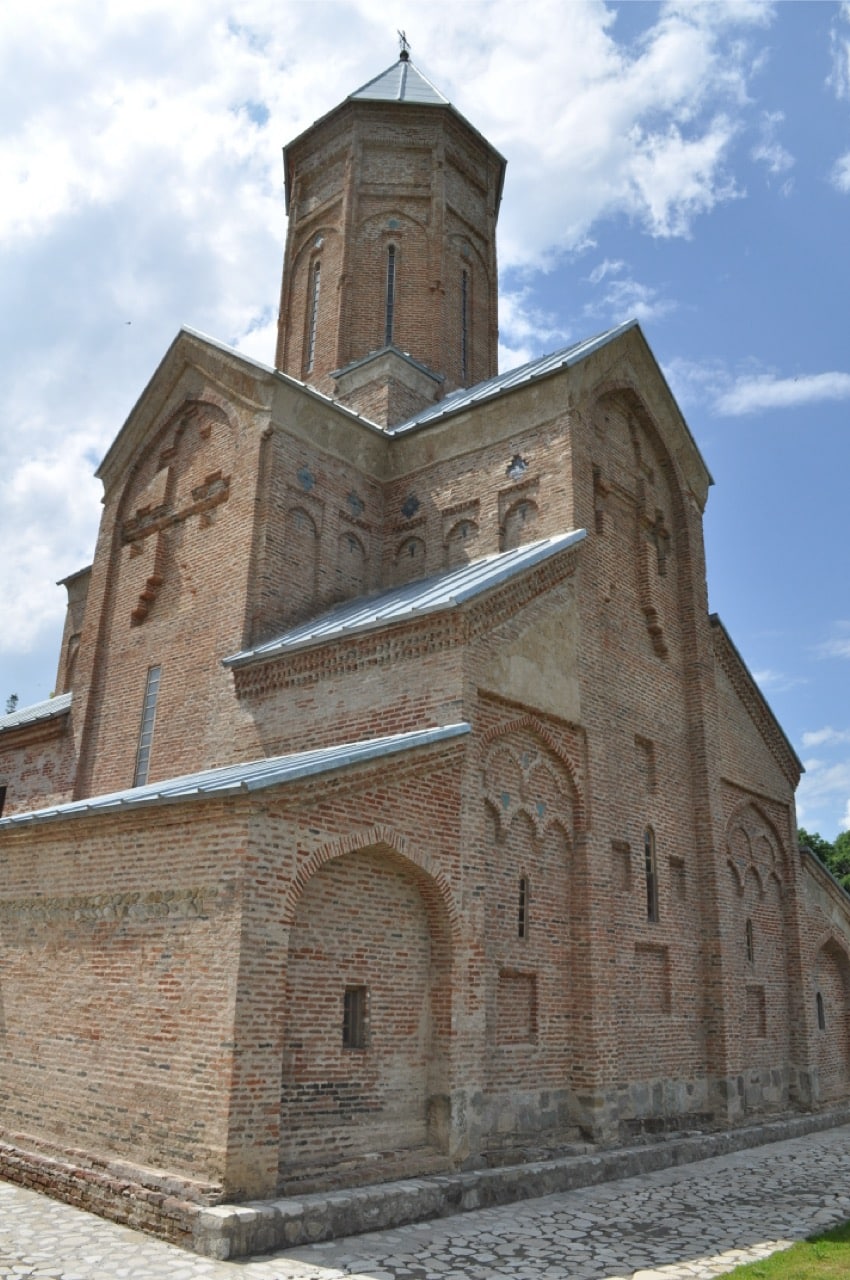
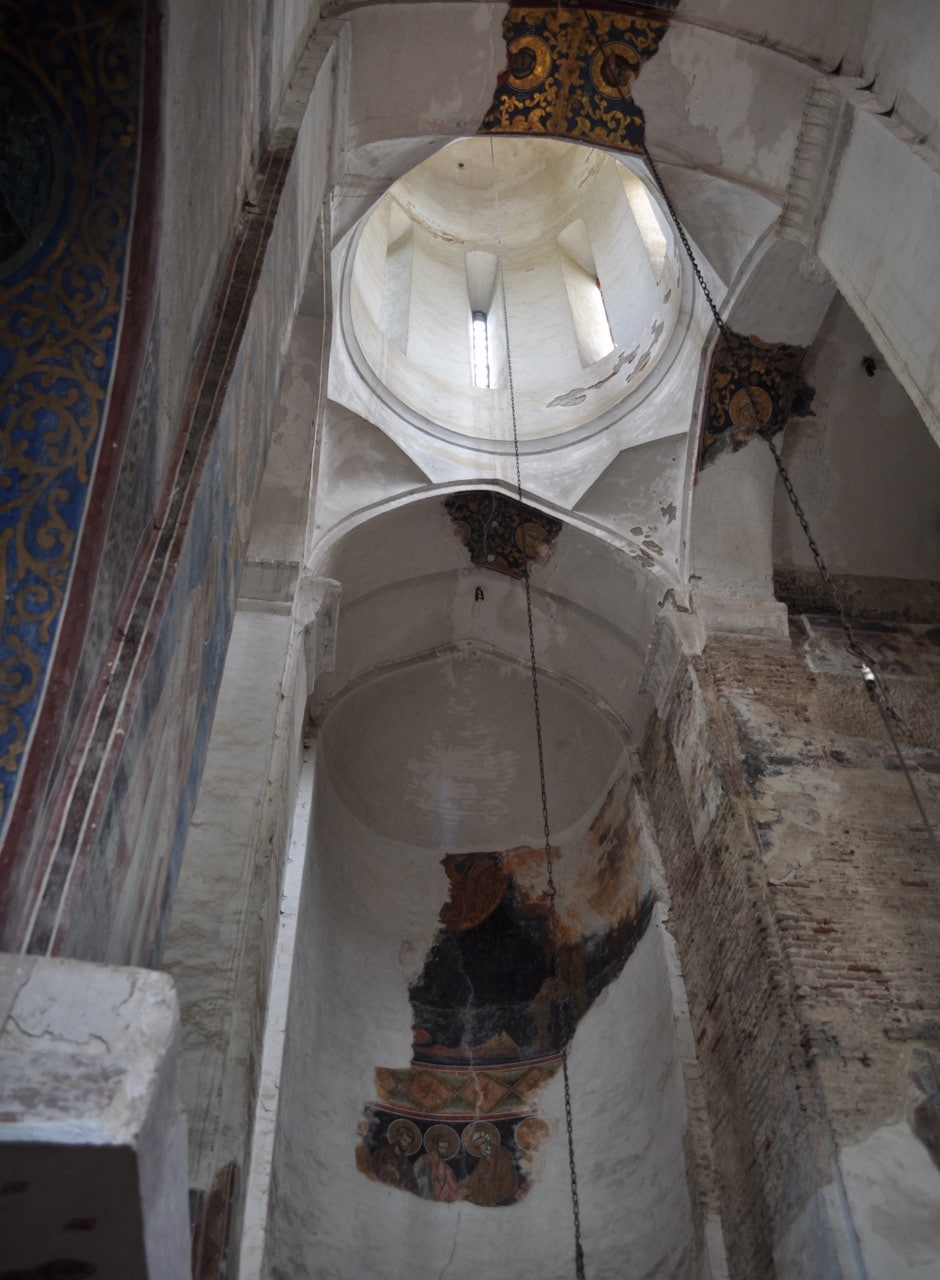
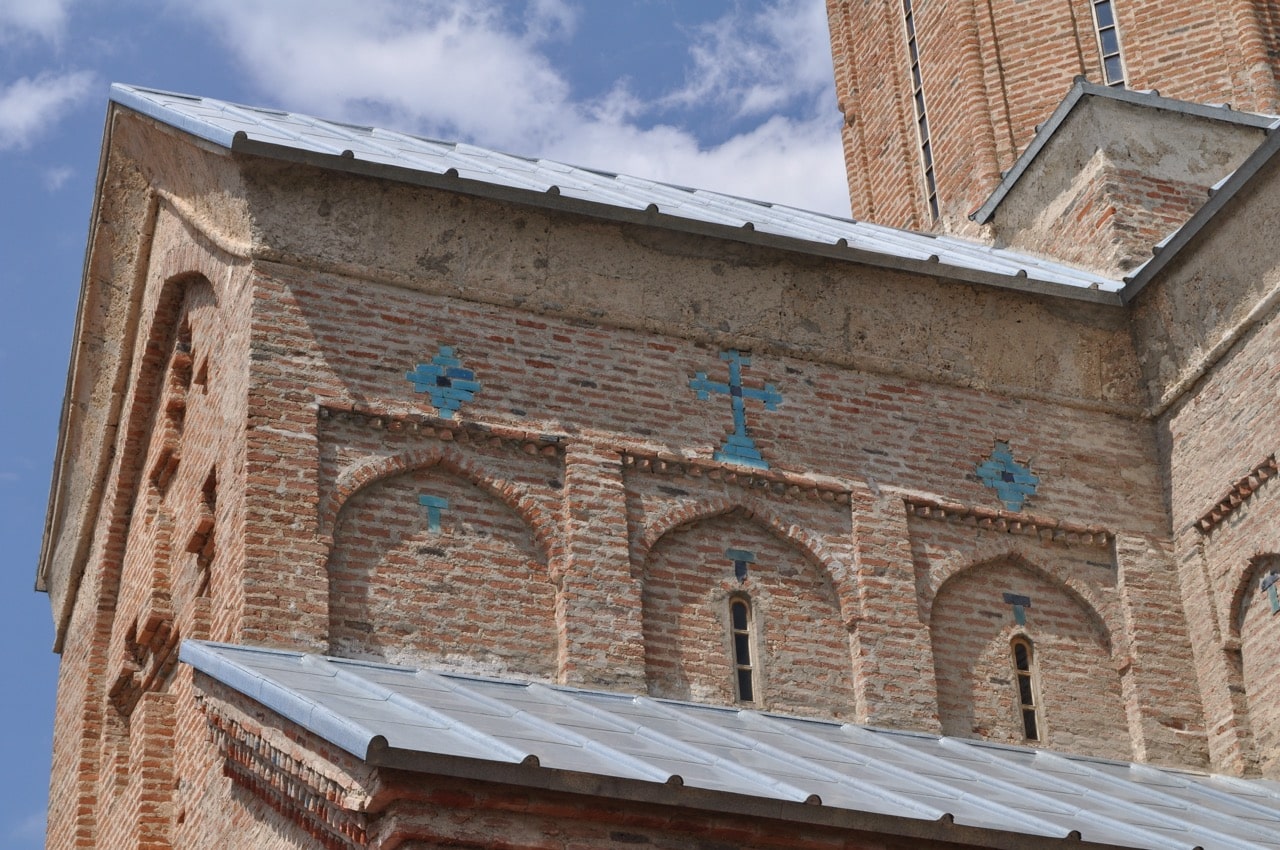
The church at Akhali Shuamta is built on the cross-in-square plan that had become standard for Georgian domed churches from the mid-eleventh century onward. However, its façades, decorated with slight rectangular and arched recesses, show the obvious influence of Iranian architecture - the result of the political and cultural penetration of eastern Georgia by Safavid Iran. In the interior of the church, this influence is revealed in blunt pointed arches and triangular decorative squinches, which resemble muqarnas.
The church is built entirely of brick. Turquoise blue glazed insets in the brickwork serve to create contrasting color accents. All four façades feature large crosses that are deeply recessed in brickwork.
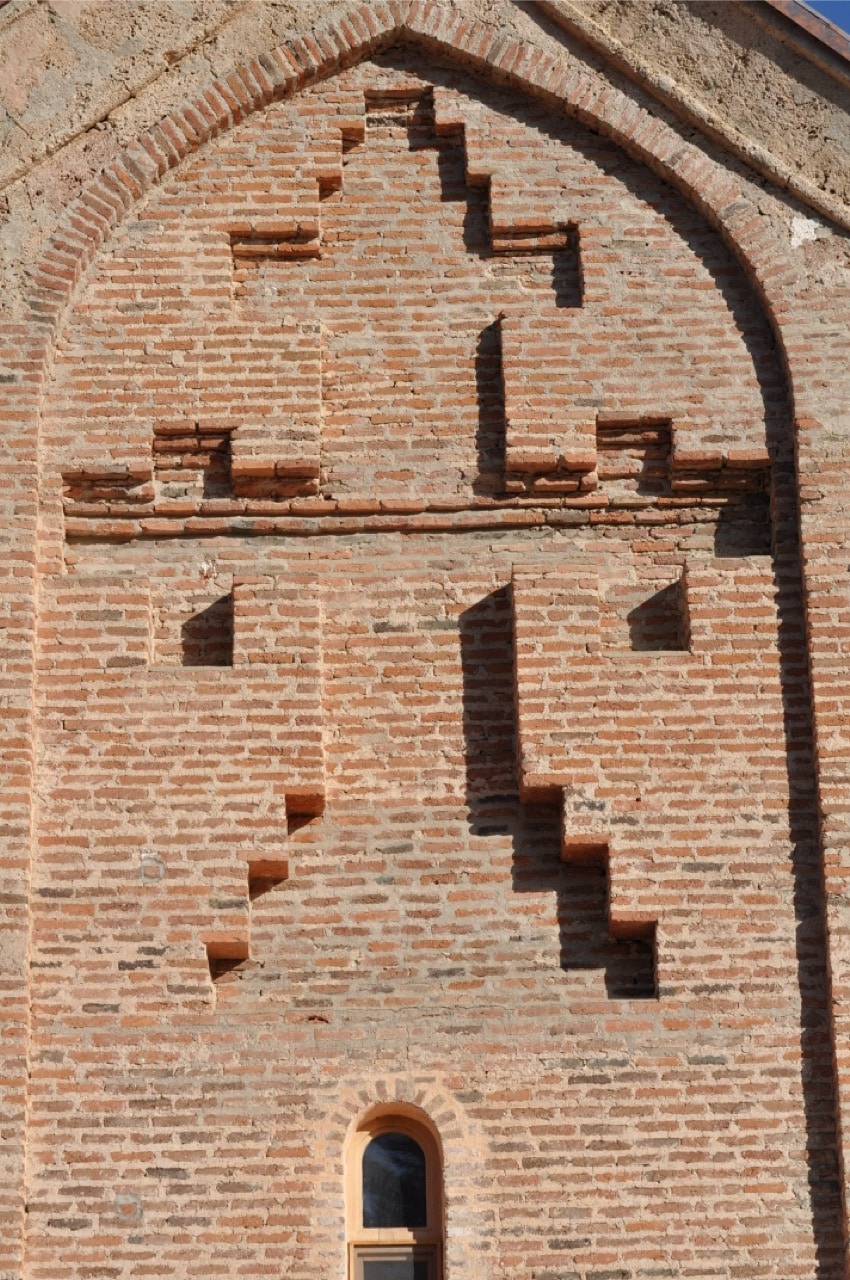
Like other sixteenth-century churches of Kakheti, Akhali Shuamta is a lofty building with a tall drum of soaring proportions, emphasized by high and narrow windows, cut one within each of its eight facets.
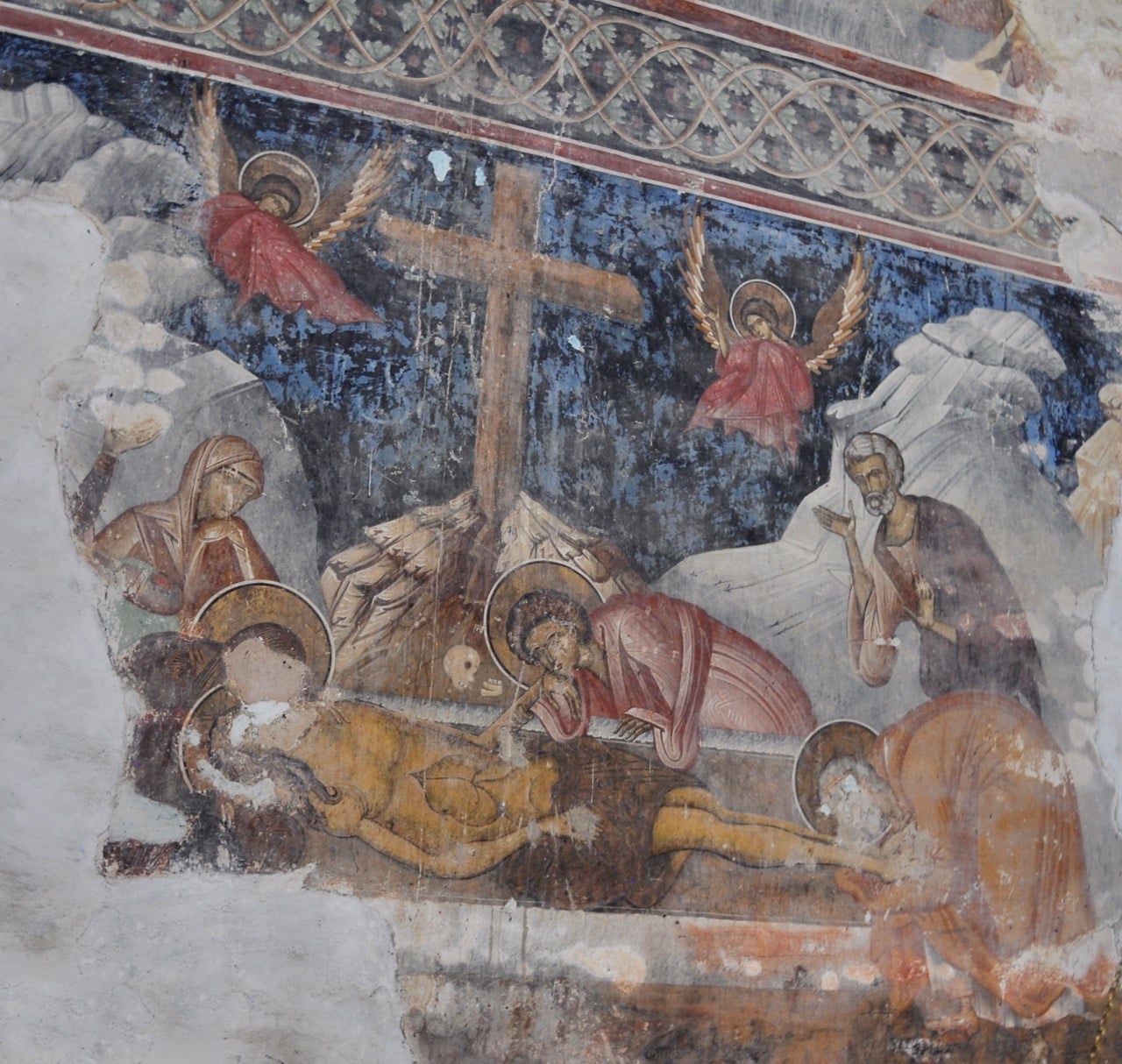
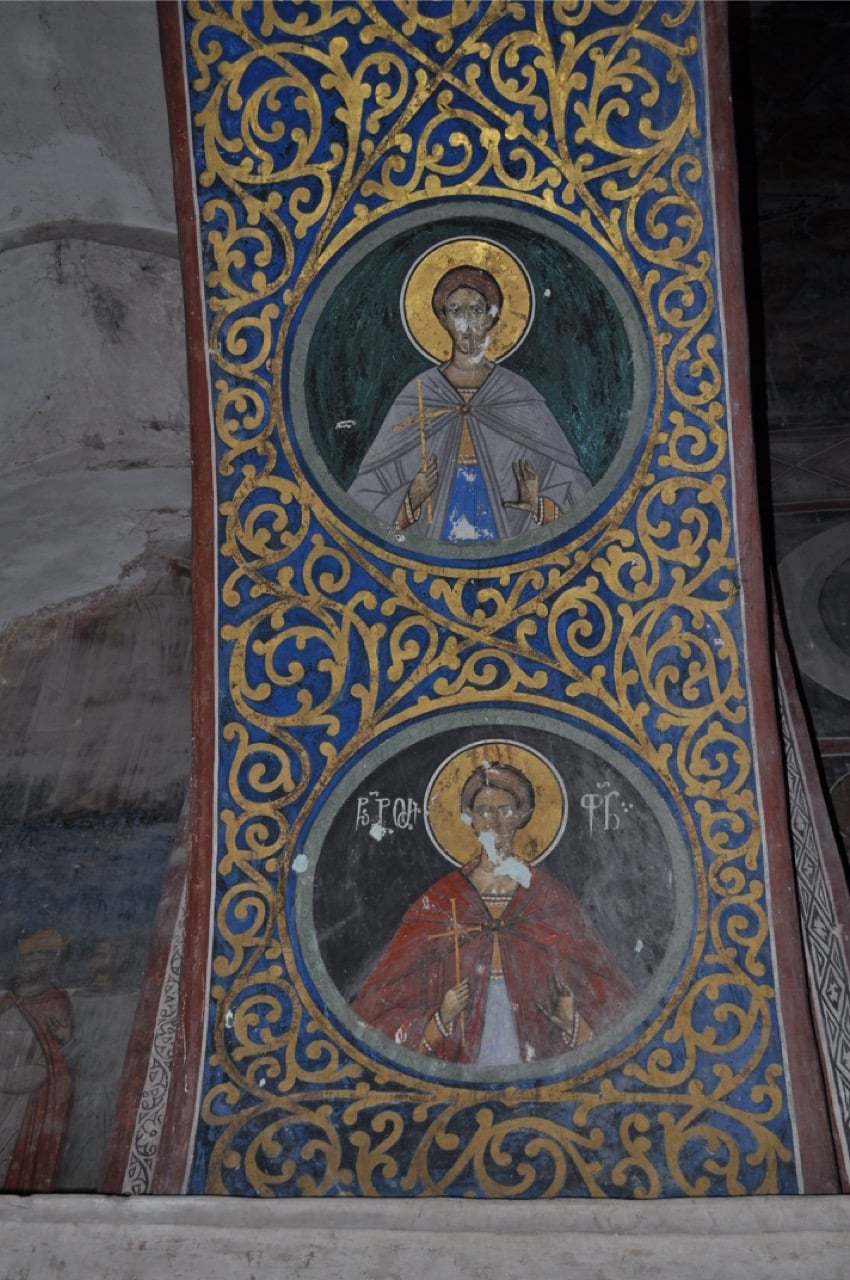
Soon after the church's completion, its interior was richly decorated with murals. The murals, preserved in large fragments, are among the best examples of the sixteenth-century art of Georgia. They include the Great Feasts, the miracles and passions of Christ, illustrations of the akathist of the Mother of God, scenes of the life of St Nicholas, and numerous images of prophets, saints, and martyrs.
In the late sixteenth century, Thekla, the daughter of Tinatin and Levan, added the Chapel of the Archangels to the church. Later, a three-sided ambulatory was built that enveloped the church from the west, south, and north. It was demolished in the 1840s and rebuilt from 2018 to 2023. Between 1762 and 1798, the church was restored by King Erekle (Heraclius) II of Kartl-Kakheti (east Georgia), as noted in the inscription above the western entrance.
In the nineteenth century, the church became the burial site of the noble Chavchavadze family. Closed during the Soviet period, the monastery was reopened in 1990, and now functions as a nunnery. Residential quarters for the nuns were constructed to the southwest of the church in the 2000s.
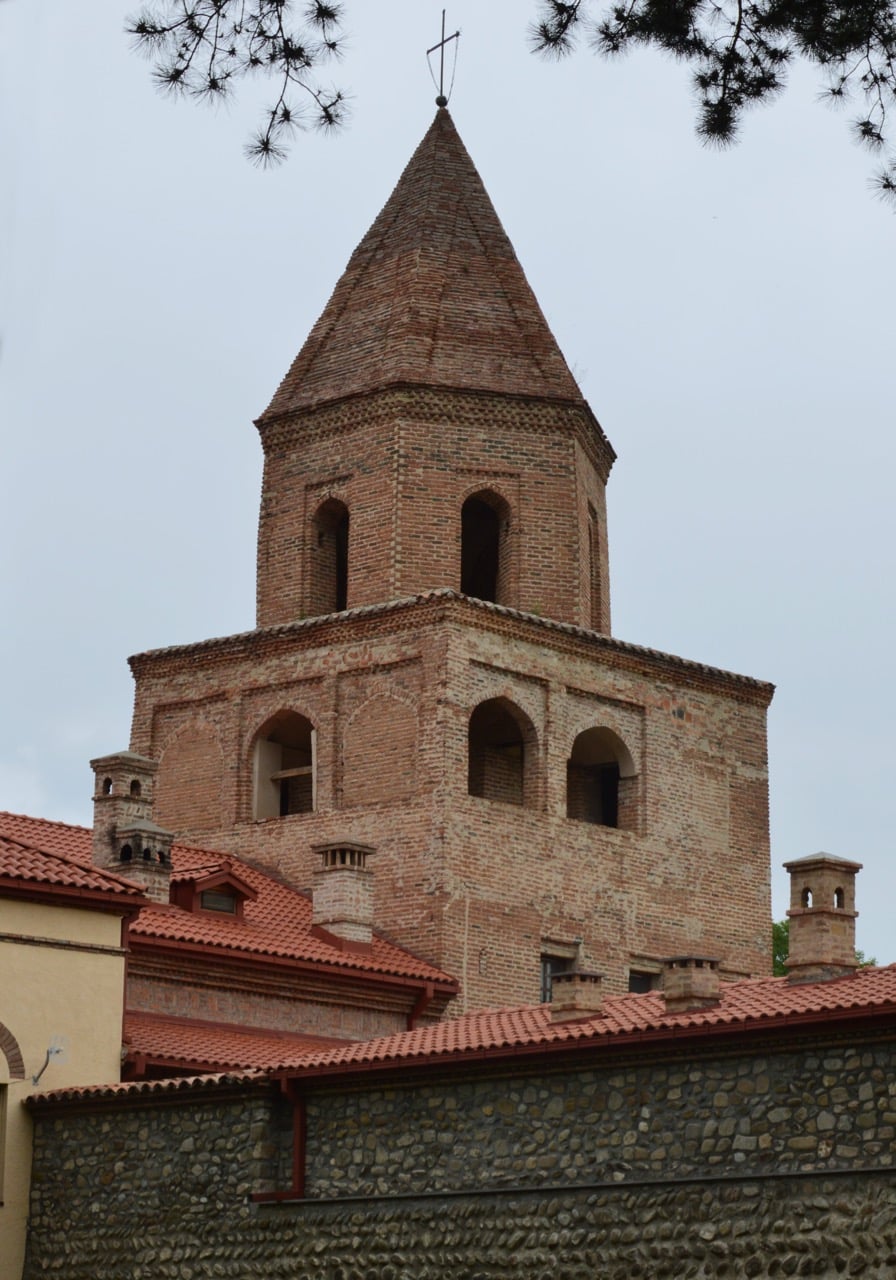
A four-story bell tower standing to the northwest of the church is contemporary to the foundation of the monastery.