




 Share this article
Thermal bathhouses built over hot springs occupy a special place in the urban history of Tbilisi. The legend surrounding the city’s foundation by King Vakhtang Gorgasali links this event directly to the hot springs. Written records indicate that the thermal baths were already a landmark of the city in early times. In the tenth century, the Arab geographer Ibn Hawqal wrote: “[Tbilisi] has hot baths, in which the water is warm without fire.”
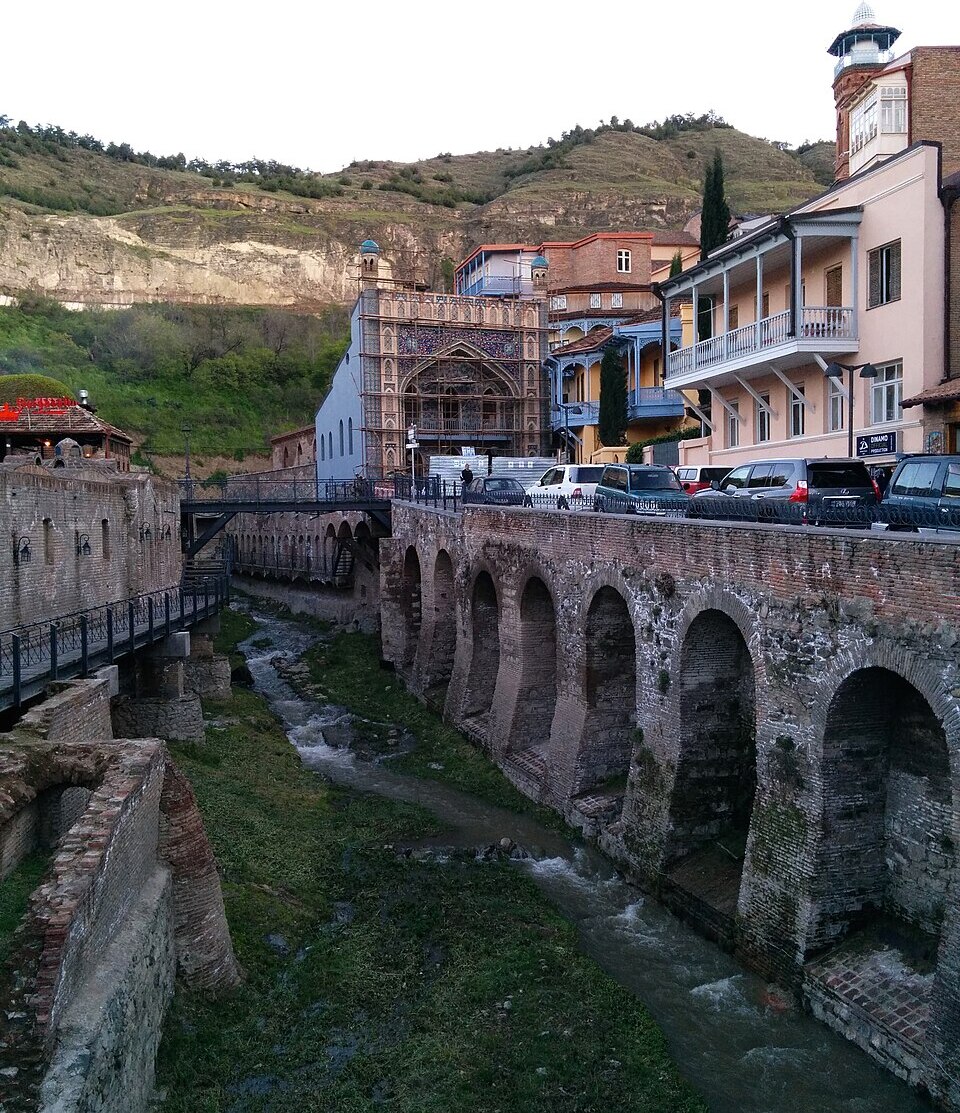
Beyond their primary hygienic function, the baths played an important social and recreational role in the lives of Tbilisi’s residents. They served as places for relaxation, entertainment, and socializing, attracting both locals and visitors. Many nineteenth-century travelers mentioned them in their writings, including the famous Alexandre Dumas, who was deeply impressed by Tbilisi’s baths.
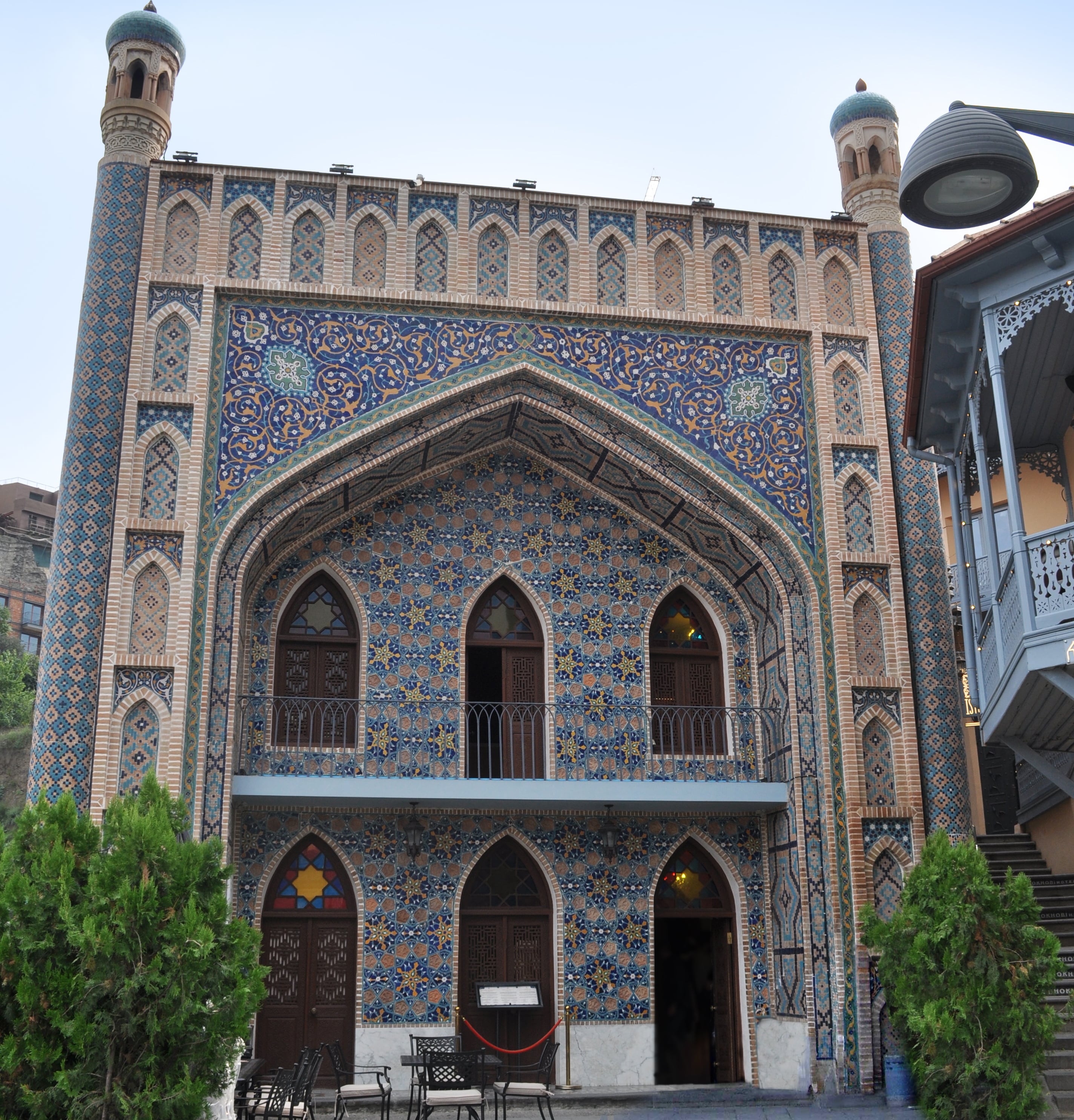
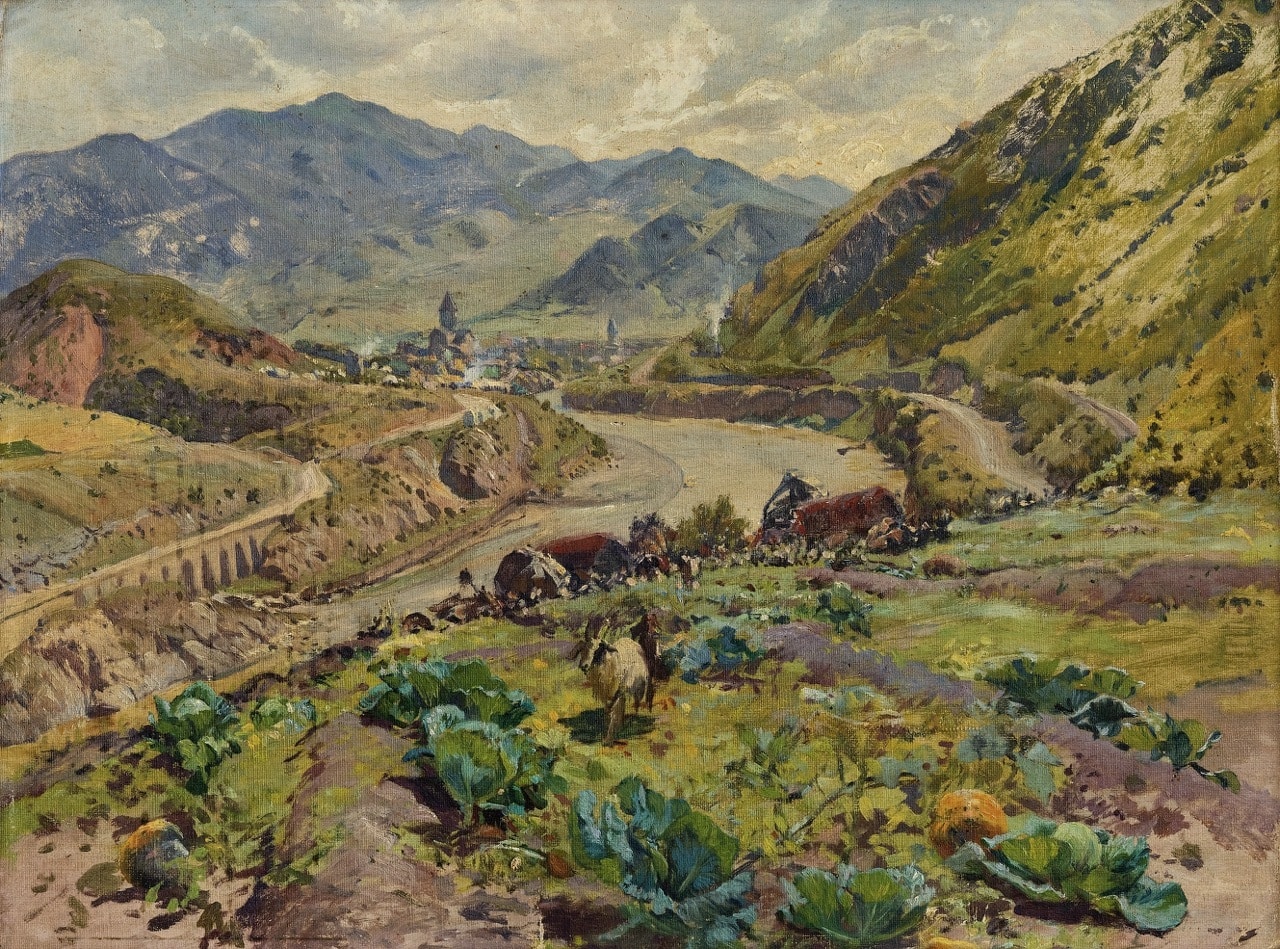
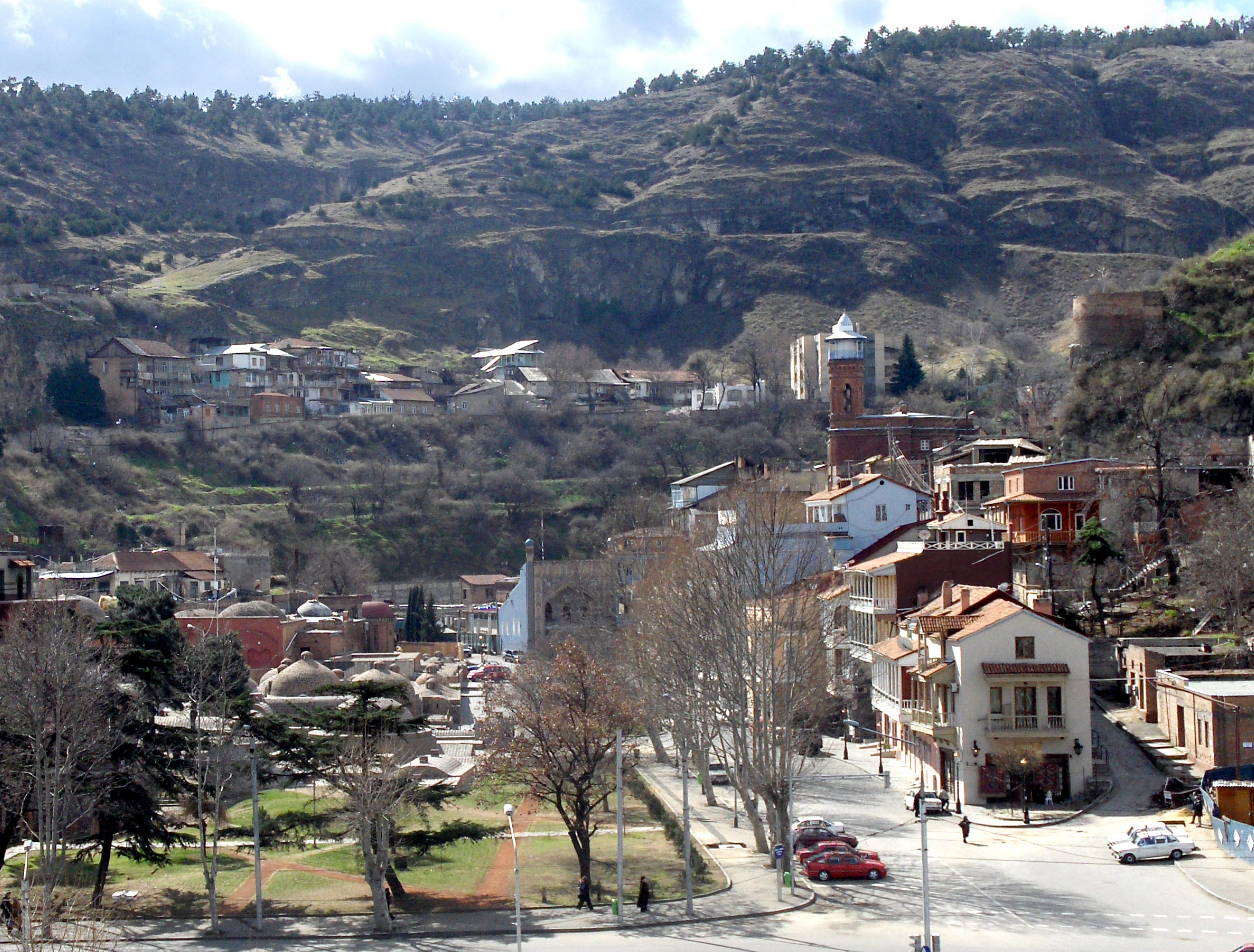
Tbilisi’s historic bathhouses are located in Abanotubani, which means “district of baths” in Georgian. Hot sulfur springs emerge from the ground in the picturesque Leghvtakhevi Gorge, where the Tsavkisistsqali, a tributary of the Kura River, flows. A bathhouse on the river’s left bank stands out for its size and architectural design. It belonged to the noble Orbeliani family and became known by their name. The earliest documented evidence of its existence dates to the late eighteenth century, when it appeared on a map of Tbilisi dated 1782. However, some parts of the building may date to an earlier period.
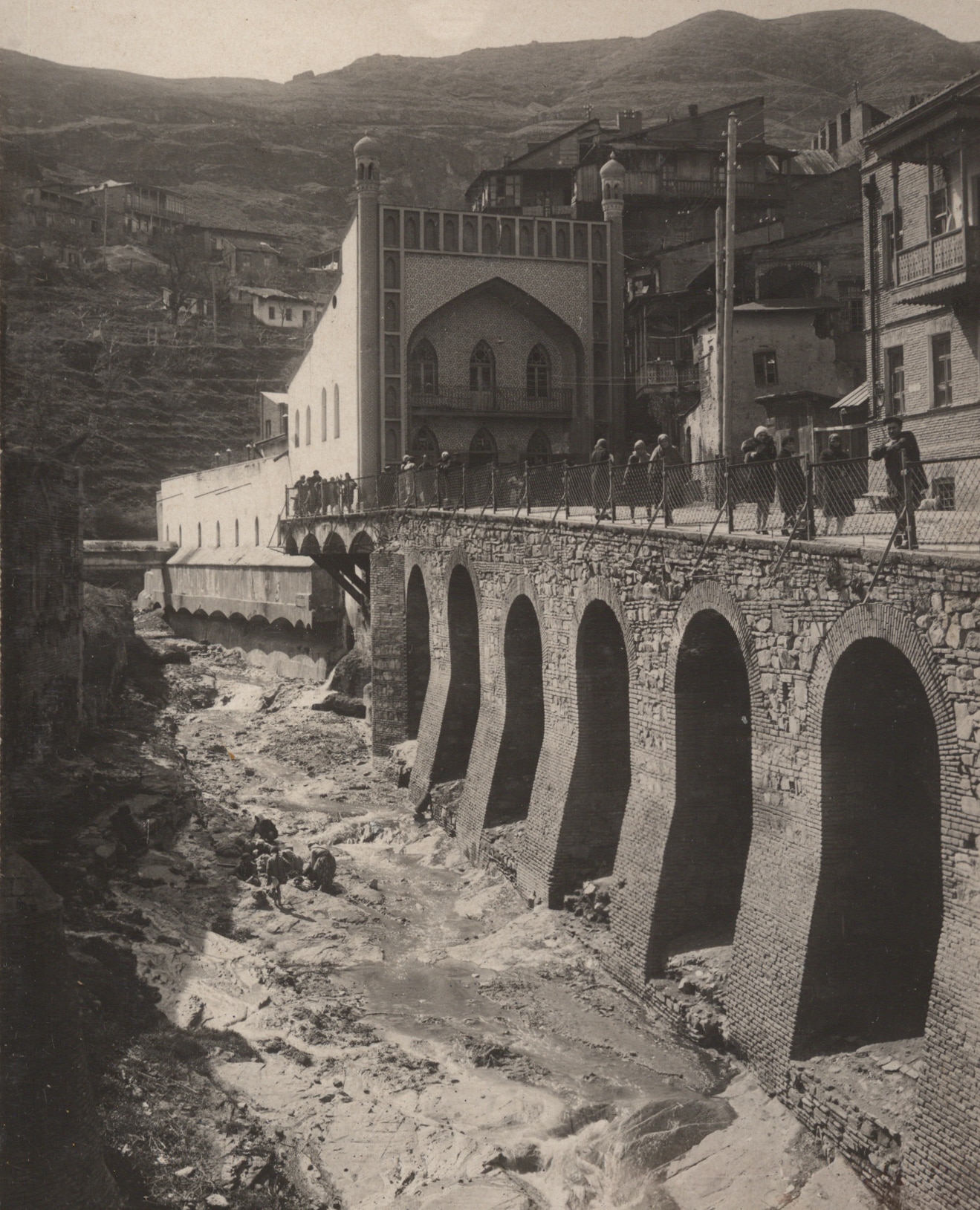

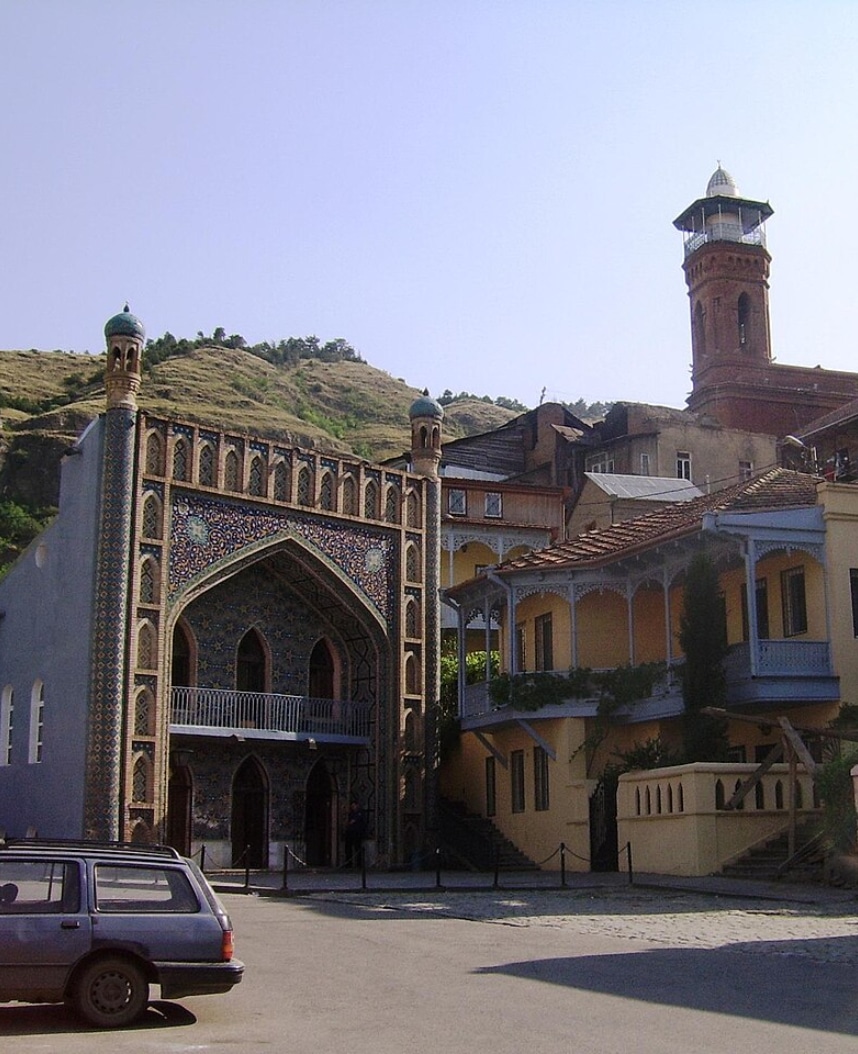
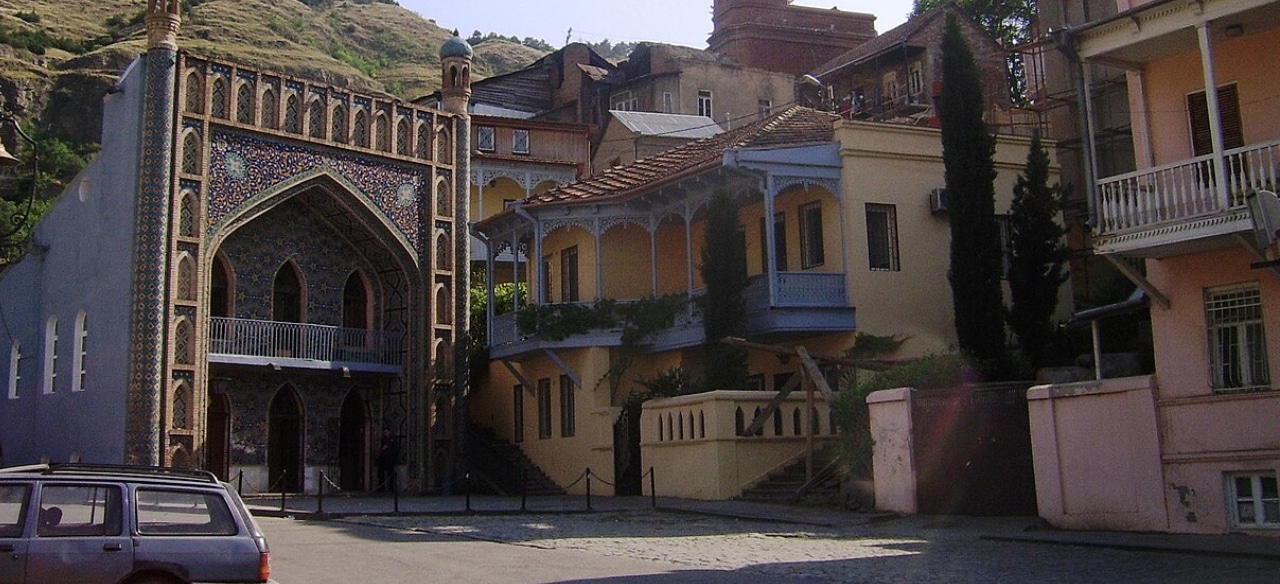
During the nineteenth and early twentieth centuries, the building underwent several reconstructions. The most significant work was carried out in the 1890s, when its main façade, renowned for its picturesque decoration, was created. Since then, the bathhouse has been known as Chreli Abano (“multicolored bath” in Georgian). Its façade reflects the architectural Orientalism that gained popularity in Tbilisi during the second half of the nineteenth century. Its design was directly inspired by the pishtaq, a monumental portal characteristic of Iranian architecture.
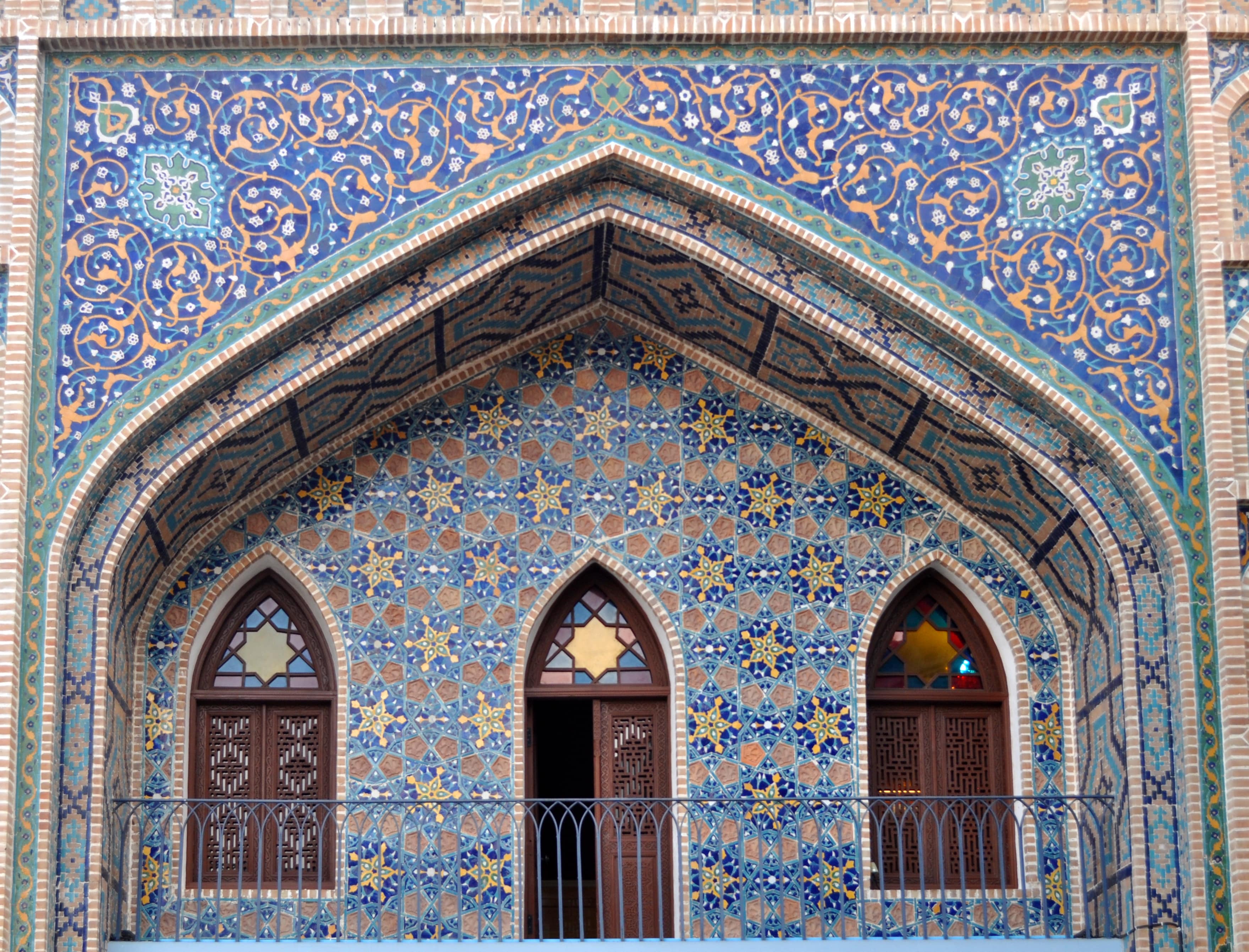
A deep, arched recess occupies the center of the façade. The depressed pointed shape of the arch is characteristic of Iranian architecture of the Safavid period. Within the recess, doors and windows are arranged in two tiers, with three openings on each level. A row of shallow decorative niches frames the central section along its sides and top. The edges of the façade are articulated with narrow cylindrical forms topped by small domed turrets.
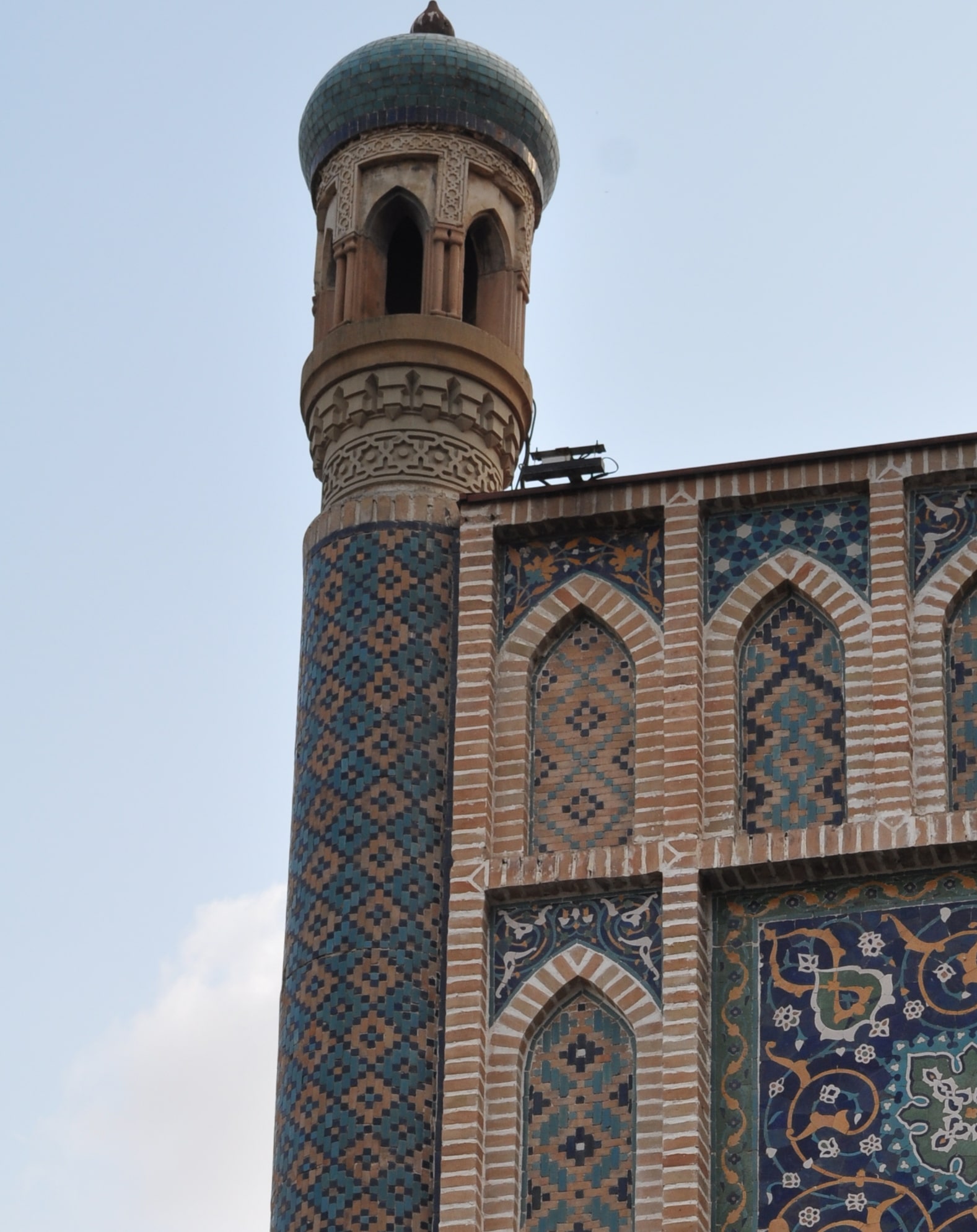
The façade’s most striking feature is its polychrome cladding of glazed ceramic tiles and bricks, arranged in an intricate pattern of floral and geometric motifs. Blue and turquoise dominate the color scheme. The artistic effect of this façade is unique to Tbilisi, with no parallel elsewhere in the surrounding area or the city as a whole.
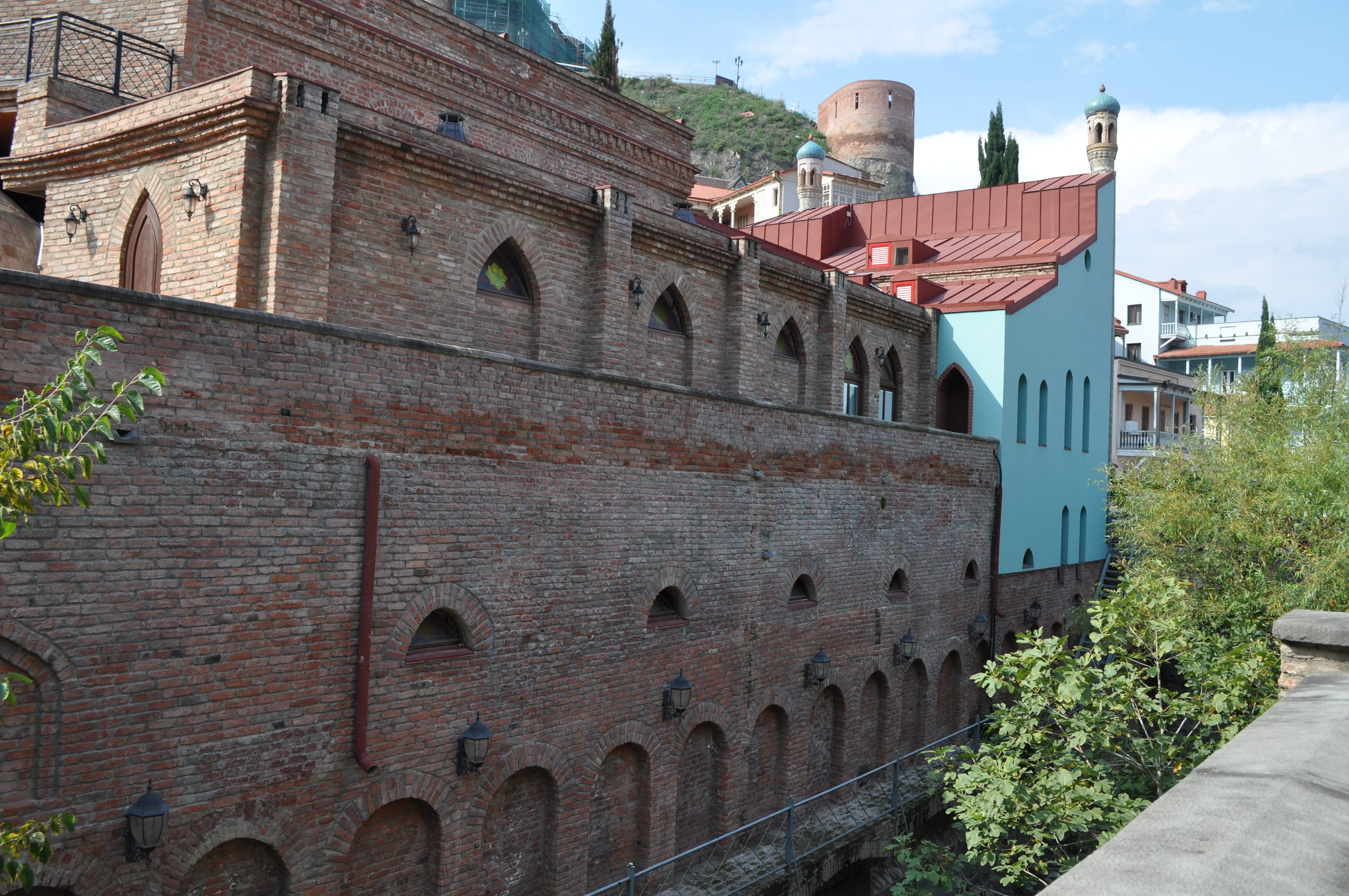
The other visible façade of Chreli Abano extends along the bed of the Tsavkisistsqali River. It is relatively plain, articulated only by arched niches. The irregular arrangement of these niches and the use of two different types of brick reflect the building’s complex history.
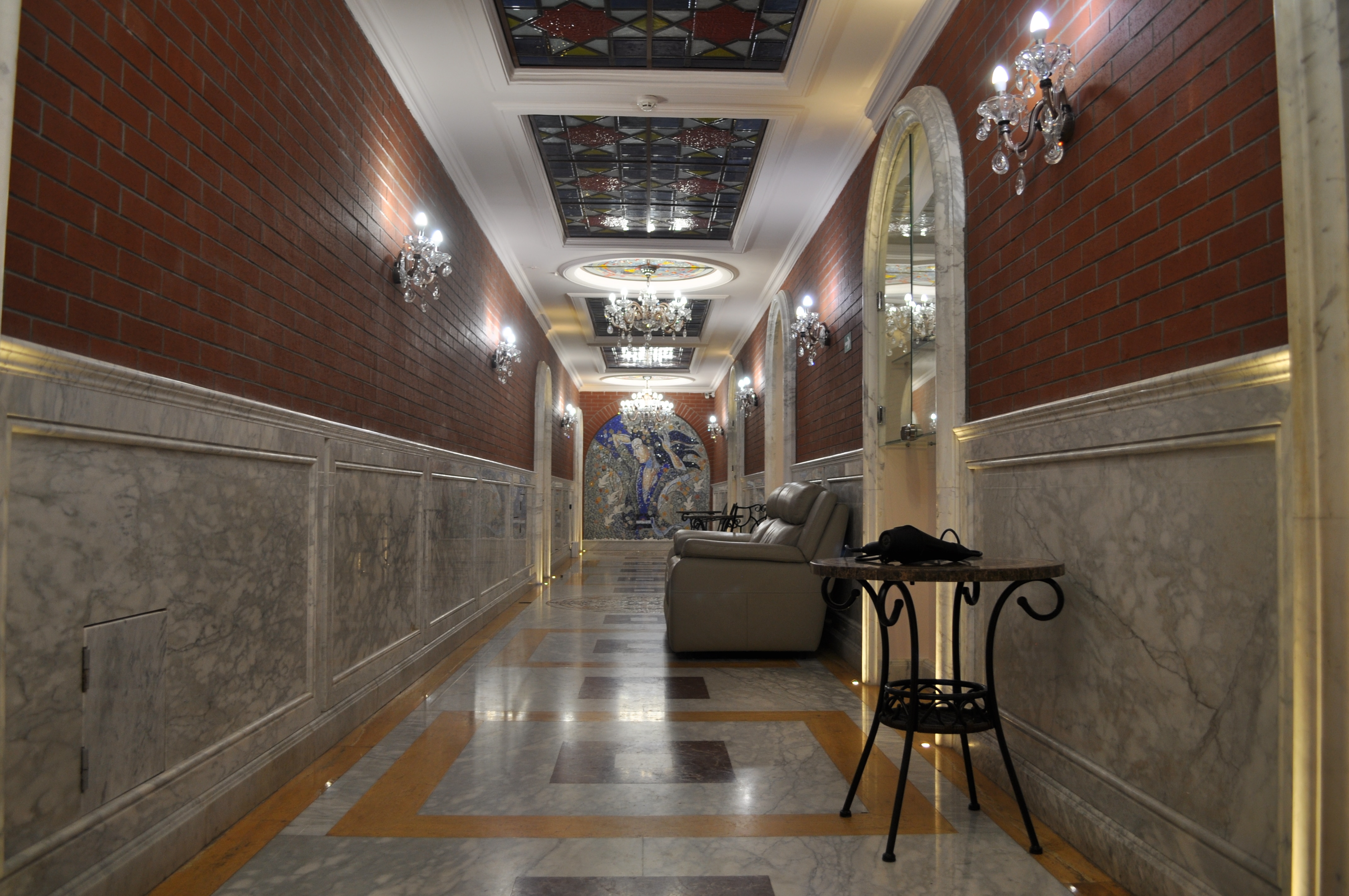
The bathhouse has an elongated plan and comprises numerous rooms on different levels. The hall containing a large pool is covered by a low dome supported on squinches, a technique rooted in the architecture of late medieval bathhouses. Externally, the dome is visible from the rear of the building.
Since the 1970s, Chreli Abano has undergone several restoration
and renovation campaigns, the most recent of which took place between 2015 and
2017. Today, the building has been fully refurbished and continues to serve its
original function.