


- დახარისხება
- თარიღი
დაამატეთ სახელები, თარიღები ან ნებისმიერი ველი



დაამატეთ სახელები, თარიღები ან ნებისმიერი ველი

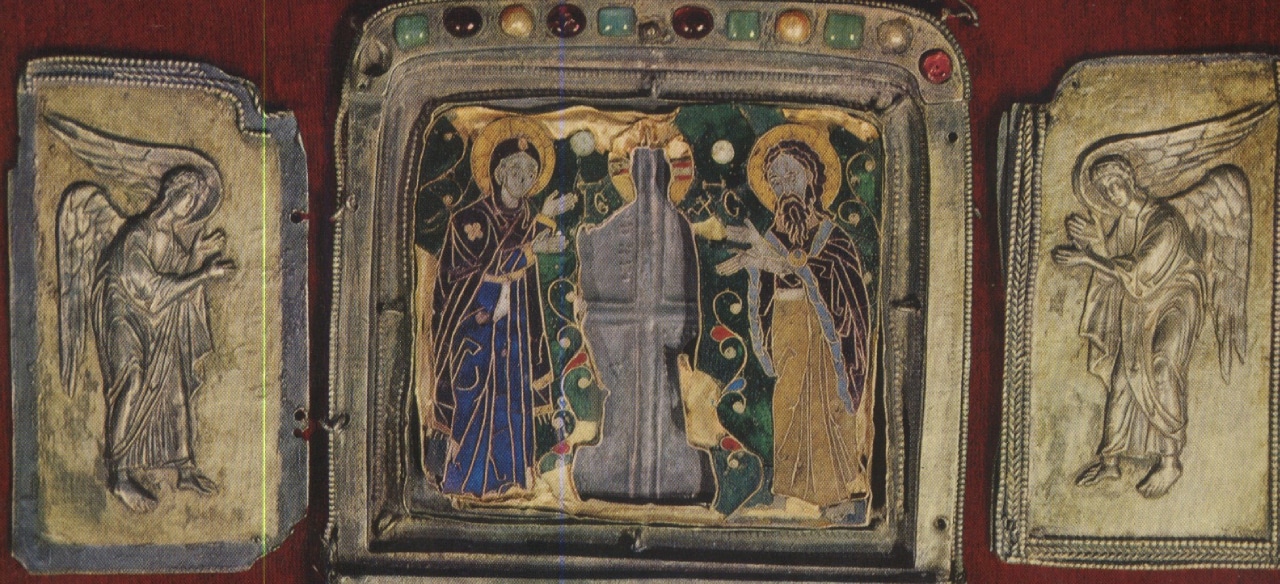
შუა საუკუნეების ქართული ხელოვნების უძველეს ნაწარმოებთა შორის განსაკუთრებულ ყურადღებას იმსახურებს მცირე ზომის კარედი ხატი, რომელიც მარტვილის ენკოლპიონის სახელით არის ცნობილი (მე-8-9 სს.). ეს ხატი საუკუნეების განმავლობაში მარტვილის მონასტერში ინახებოდა. ენკოლპიონი წარმოადგენს რთული შედგენილობის ჭედურ სამკარედს - ტრიპტიქს, რომლის დეკორი სხვადასხვა მასალითა და ტექნიკით არის შესრულებული. ტიხრული მინანქარი, მოოქრული ვერცხლი ჭედური ფიგურები, სევადის სახარების სცენები კარედის ზურგზე და ძვირფასი თვლები ქმნის განუმეორებელ მხატვრულ ეფექტს.
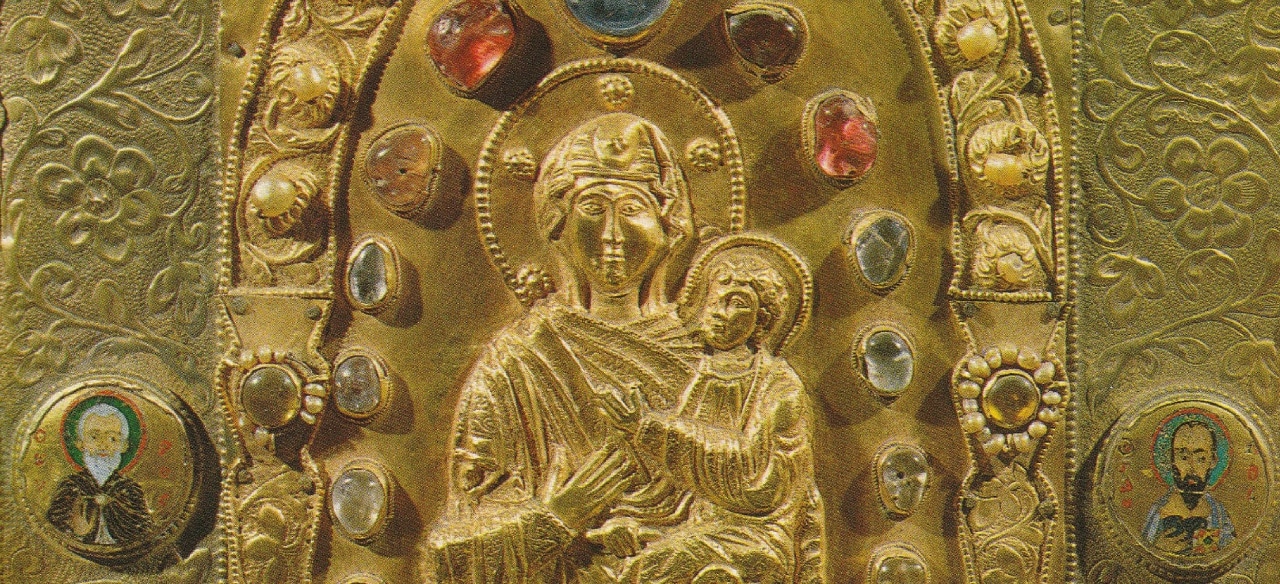
საქართველოში ღმრთისმშობლის თაყვანისცემას მრავალსაუკუნოვანი ისტორია აქვს. დედაღვთისას, როგორც კაცობრიობის მეოხის მნიშვნელობას ემატებოდა საქართველოს დედაღვთისას წილხვდომილობის იდეა.

Archeological excavations in Armaziskhevi unearthed numerous artifacts of significant importance characterized by high aesthetic and technical quality that shed light on the art of silversmiths in pre-Christian Kartli (a Kingdom in Eastern Georgia). The silver and golden objects found in the necropolis of local governors (pitiakhshs) bear witness to active cultural exchange between Kartli and various countries of the East and West (e. g. Iran, Rome, etc.). Silver and golden objects have both material and aesthetic value. Due to its physical and technical properties, silver has been highly valued since antiquity. This precious metal was widely used for vessels, tableware, jewelry, and furniture decoration. Excavated artifacts from Armaziskhevi, dating from the first to third centuries CE, once belonging to the local aristocracy demonstrate their luxurious lifestyle and wealth.
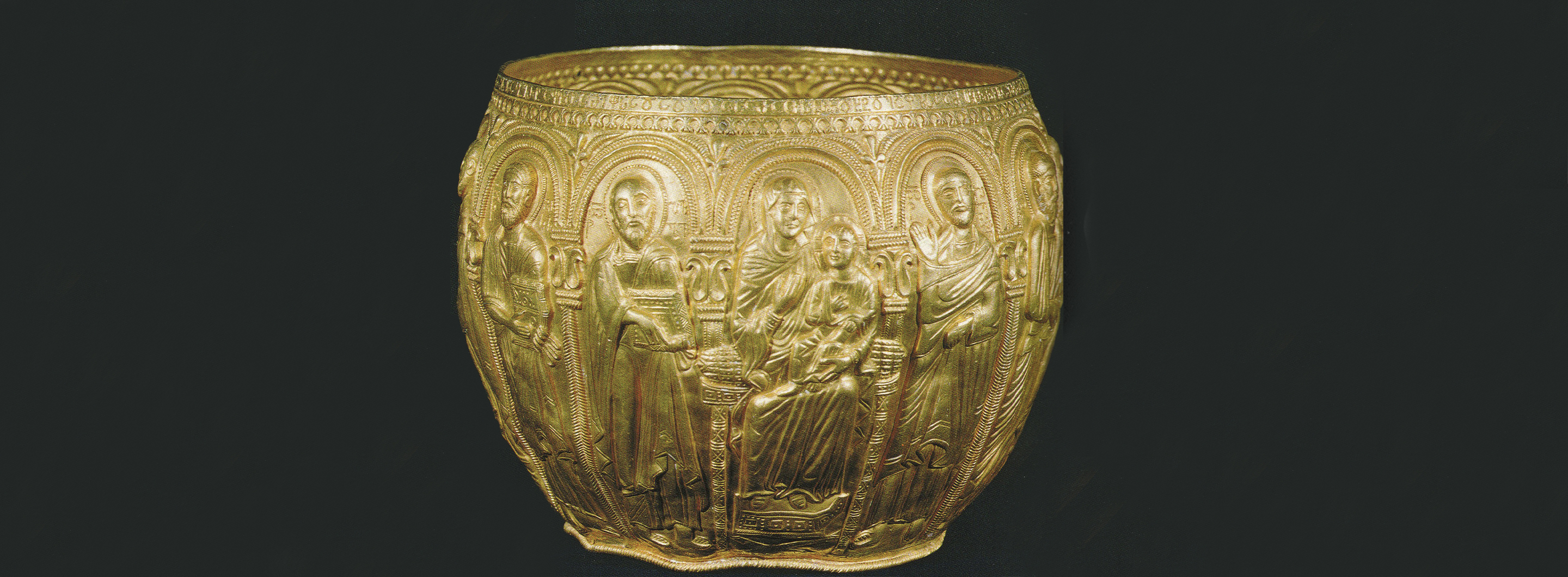
შუა საუკუნეების ქართული ჭედური ხელოვნების ქმნილებებს შორის მნიშვნელოვანი ადგილი უკავია საღვთისმსახურო ნივთებს - ბარძიმებს, სამწერობლებს, საცეცხლურებს, რომლებიც საღვთო ლიტურგიის აუცილებელი „მონაწილეები“ არიან. დღეისათვის შემორჩენილი შუა საუკუნეების ქართული საეკლესიო ნივთების ნიმუშები მხოლოდ უმნიშვნელო ნაწილია იმ სიმდიდრისა, რომელიც საუკუნეების განმავლობაში ინახებოდა საქართველოს ეკლესია - მონასტრებში.

Secular portraiture in Medieval Georgia developed in close connection with religious art. The creation of “portraits” was connected with the ongoing socio-political processes in the country, particularly with the strengthening of feudal society. As in Byzantium, images of feudal lords appeared in church art in the 6th – 7th cc. Insertion of the figures of laymen into the decoration programs of the churches and stone cross pillars aimed to demonstrate their power and place in the feudal hierarchy.

In the 1940s, archaeologists discovered the necropolis of the Pitiakhshs, rulers of Iberia (eastern Georgia) in Armazi, which was part of the ancient Georgian capital, Mtskheta. The graves of the ruling aristocracy were distinguished by numerous precious objects, including various types of jewelry: necklaces, rings, earrings, buckles golden clothes adornments. The discovered objects are striking for their sophisticated technical and aesthetic qualities, indicating the highly-developed tradition of goldsmithery in eastern Georgia during the first centuries CE.
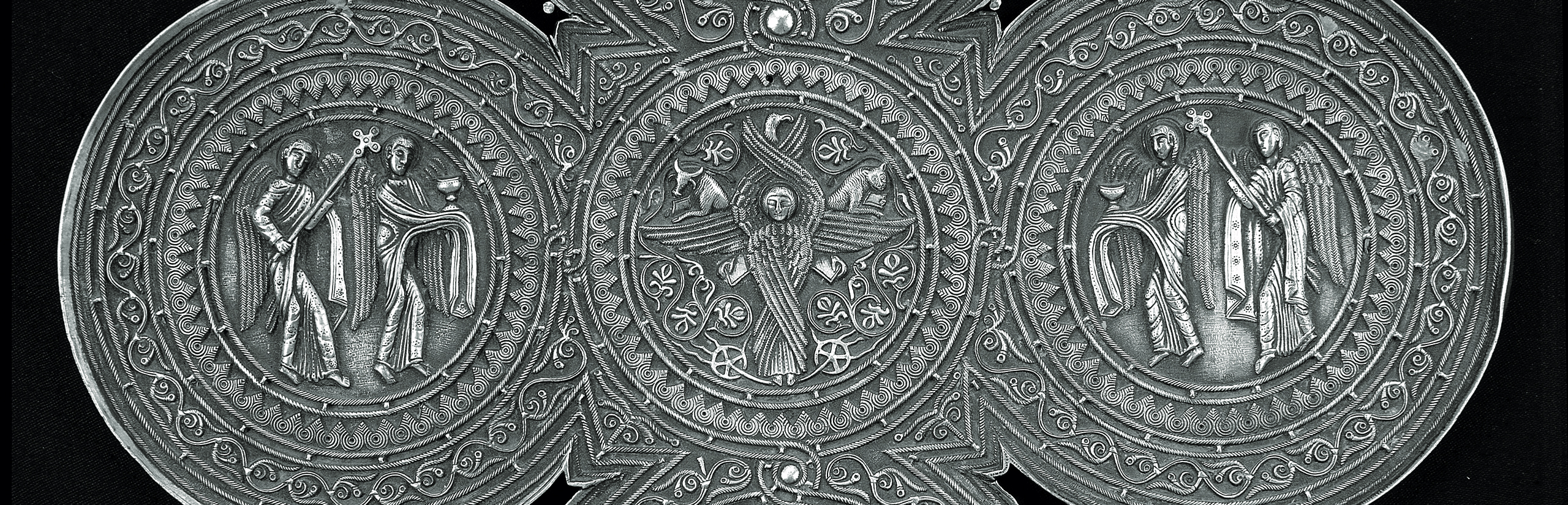
Georgian metalwork of the Middle Ages is an important phenomenon in the history of art. The ancient local tradition of goldsmith and silversmith has continued throughout the Christian era. Georgian masters produced a wide range of church artifacts: crosses, icons, book-covers, liturgical implements. For their creations, the Georgian masters mainly used silver, which was frequently plated with gold. Some non-ecclesiastical silver vessels from the 12th–13th century have also been preserved along with the precious metal object of church art.

The custom of erecting crosses in Georgia traces back to the time of Christianization of the Kingdom of Kartli in the 4th century. According to Georgian church tradition St. Nino, who converted Kartli to the new faith, put up wooden crosses in place of pagan idols to symbolize the country’s Christianization.
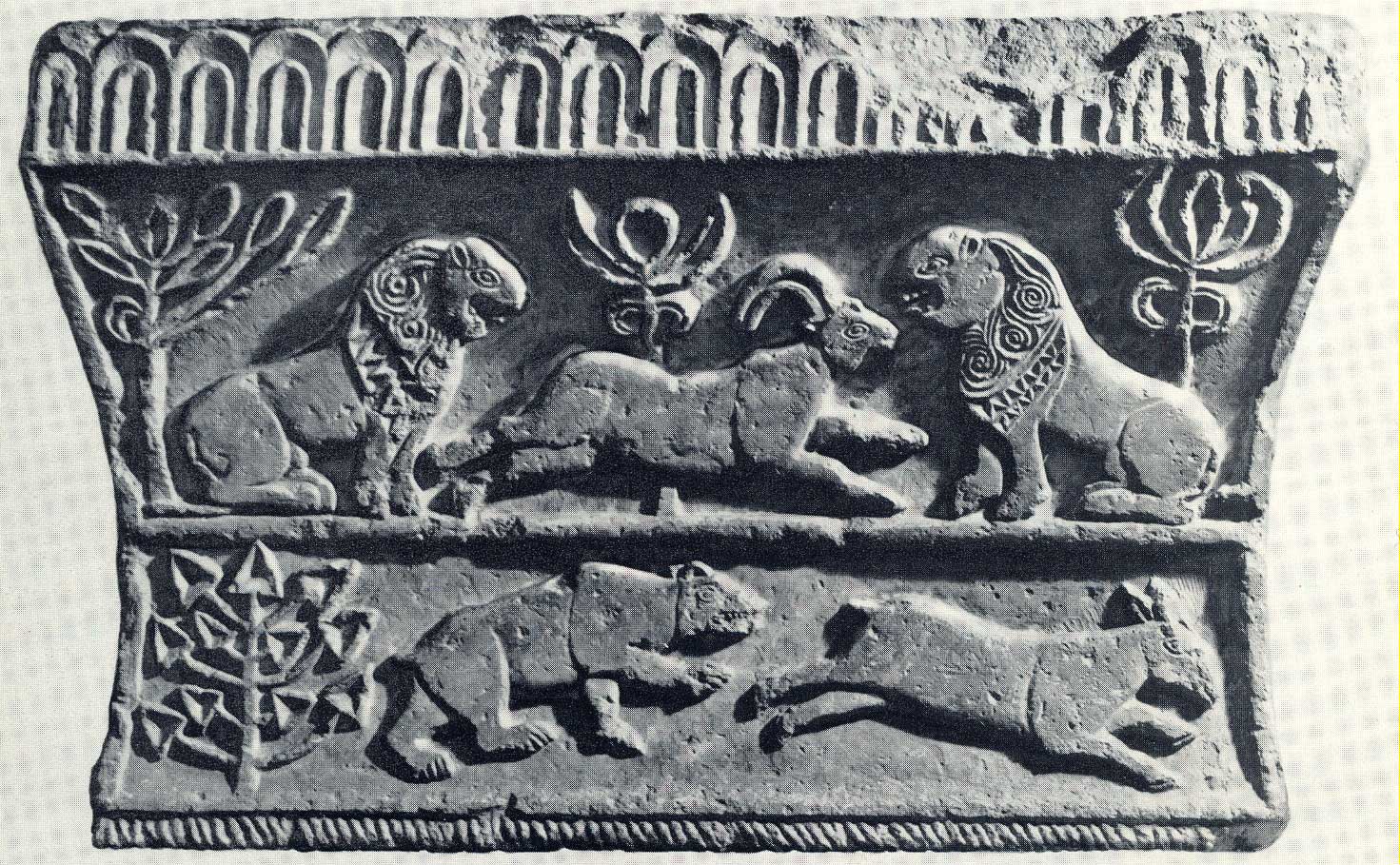
Medieval Georgian sculpture was formed in the bosom of local culture under the influence of Hellenistic and Persian, as well as the East Christian artistic traditions.