


- დახარისხება
- თარიღი
დაამატეთ სახელები, თარიღები ან ნებისმიერი ველი



დაამატეთ სახელები, თარიღები ან ნებისმიერი ველი

.jpg)
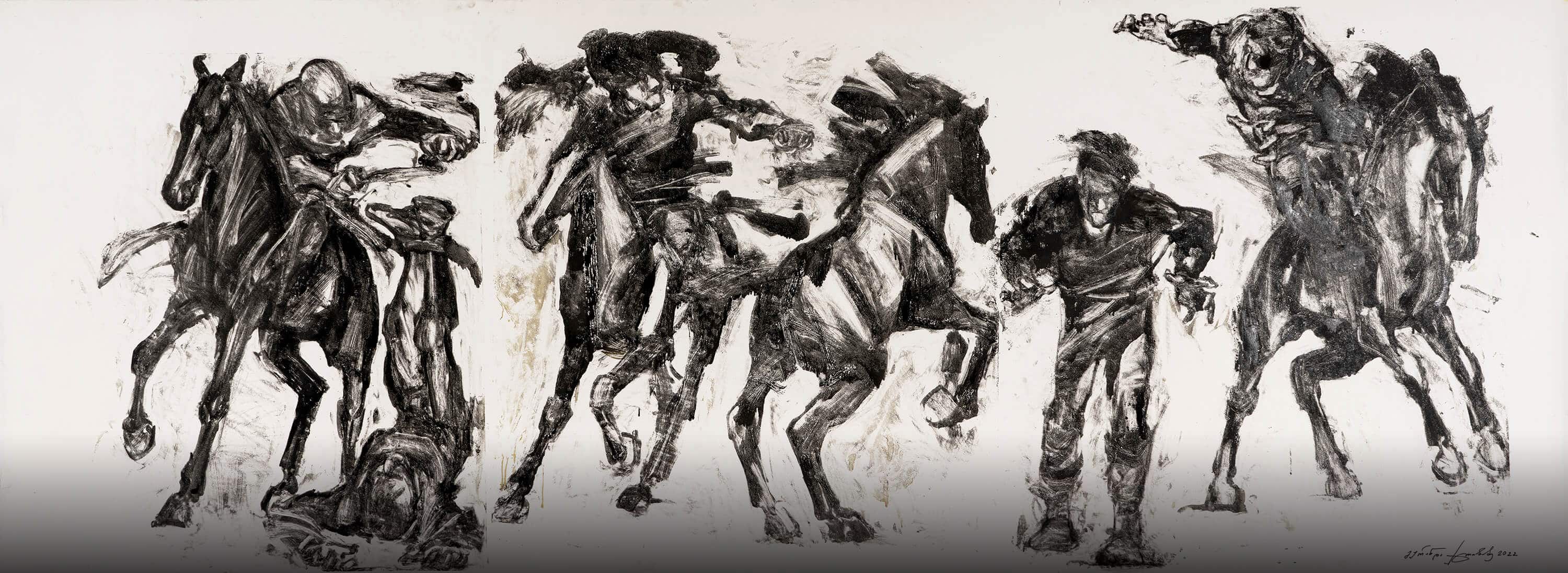
გვიანფეოდალური ხანის საქართველოს მომავალი დიდი განმანათლებელი, სულხან-საბა ორბელიანი, 1658 წელს სოფელ ტანძიაში დაიბადა. მამამისი, ვახტანგ ორბელიანი, ქართლის სამეფოს მდივანბეგად მსახურობდა, ხოლო დედა, თამარი, ზაალ არაგვის ერისთავის ასული იყო. სულხანმა ბავშვობა ტანძიაში გაატარა, სადაც ძმებთან ერთად იზრდებოდა, ხოლო ტანძიის შემდეგ ძირითადად დმანისში ცხოვრობდა.
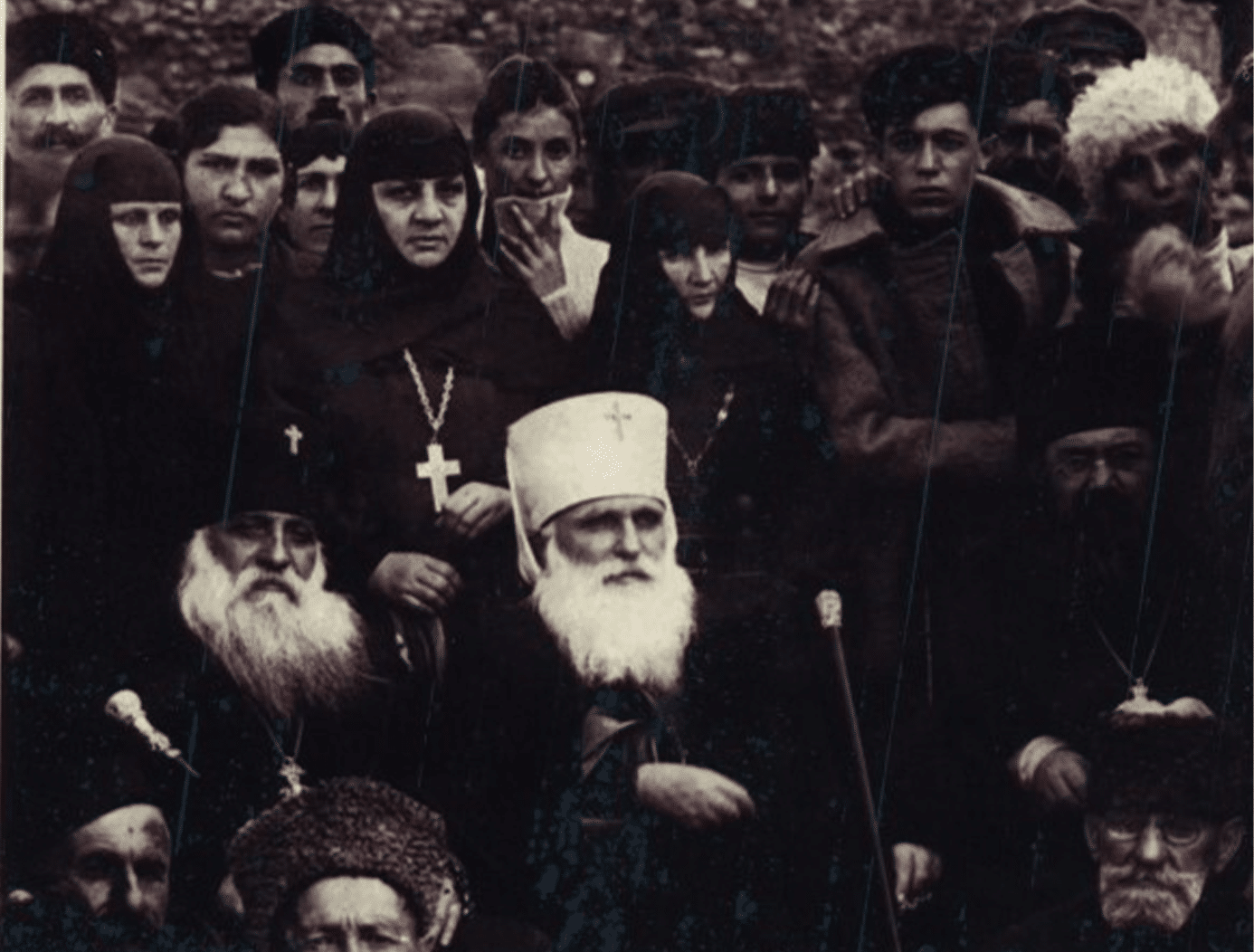
Ambrosius (secular name: Besarion) Khelaia came from a family of priests and missionaries. His father, Zosime Khelaia, and his grandfather, David Khelaia, were active missionaries in Abkhazia. Ambrosius’ father served at one of the most revered shrines of western Georgia, the Church of St. George in Ilori. In the Georgian imagination, Ilori has been shrouded in a mystical veil since ancient times.
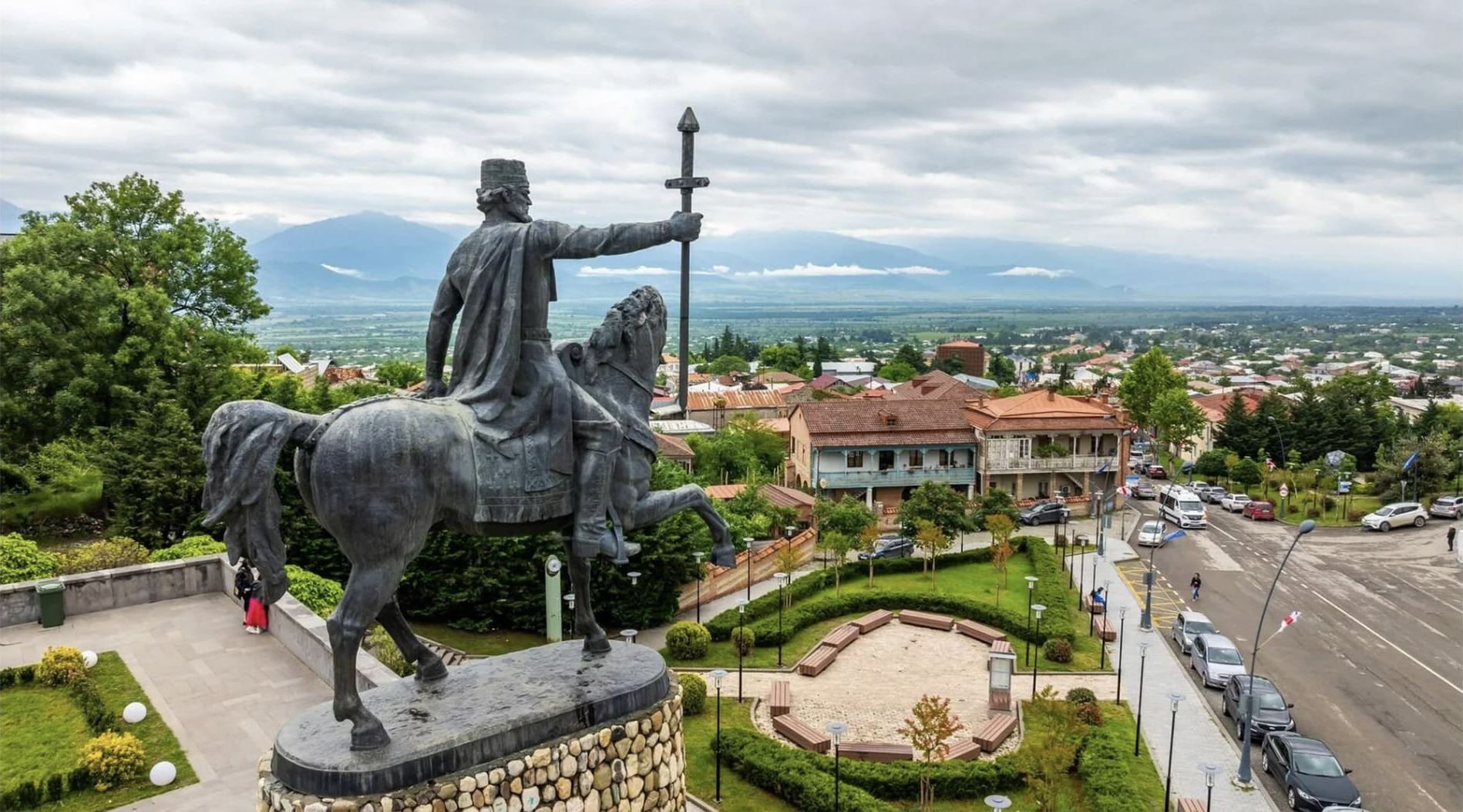
მეფე ერეკლე კახეთის მეფის, თეიმურაზ II-ის ვაჟი იყო. მეფე თეიმურაზ II კახეთს 1709-1744 წლებში განაგებდა (ჯერ როგორც უბრალოდ გამგებელი, შემდეგ კი - მეფე, 1744 წელს ის ქართლში გამეფდა). საინტერესოა რომ თეიმურაზის მამა, ერეკლე I (1688-1709), და ძმა - კონსტანტინე II (1722-1732), მაინცდამაინც არ გამოირჩეოდნენ არც სარწმუნოების და არც მაღალი იდეალების ერთგულებით
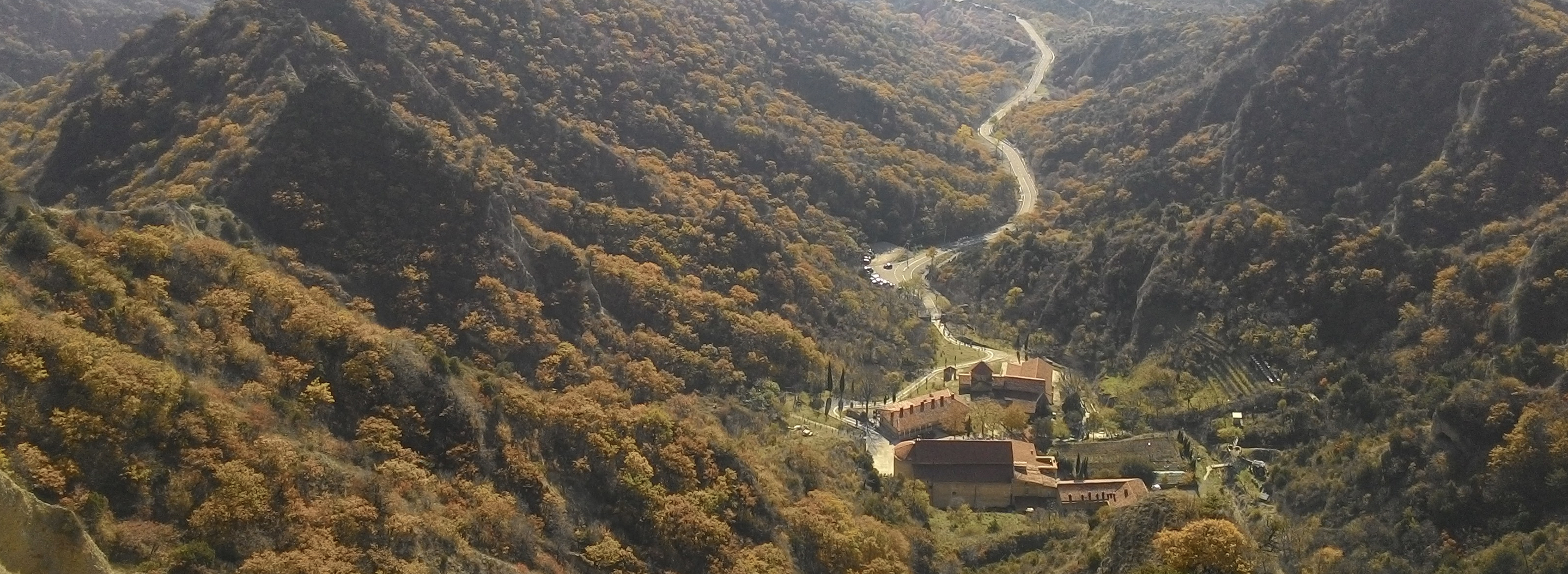
The men were both ascetics and missionaries, whose mission was to preach Christianity, and the foundation of monasteries became part of this mission. It is hard to know to which theological doctrine these ascetics adhered, and there is a great variety of scholarly opinion regarding this fact, seeing some declaring them Chalcedonians, others anti-Chalcedonians, while part of the academic community believes them to have been Nestorians.
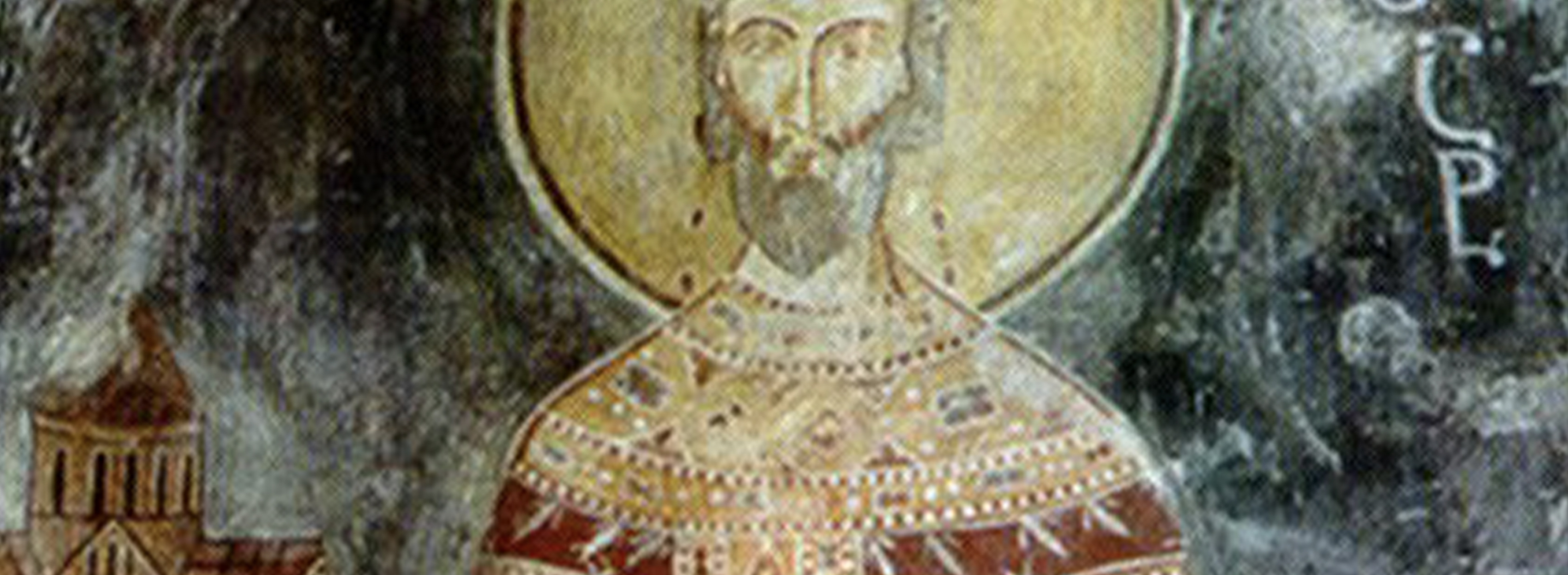
At the end of the tenth century, the Georgian kingdoms and principalities entered a decisive battle for the unification of all the Georgian lands. The Kingdom of Apkhazeti (western Georgia), Tao-Klarjeti (southern Georgia), and Kartli, dominated by various great houses and the Kingdom of Kakhet-Hereti, struggled for dominance and supremacy in the Caucasus. In the early 10th century, the leading political role was assumed by Apkhazeti, yet, soon, the southern Georgian kingdom of Tao-Klarjeti was to re-emerge as a significant force in Caucasian politics.

In 813, the Presiding Prince Ashot I Curopolate fled the Arab oppression in Tbilisi and went to the southern Georgian province of Klarjeti. There, he established the new principality of Tao-Klarjeti. This principality played a crucial role in the history of Georgia during the ninth and tenth centuries, although Prince Ashot was not the first to set up home there. Before Ashot, men and women who sought seclusion for a ‘holy life’ had traveled to Klarjeti; monks and nuns led by medieval Georgian monastic leader Gregory of Khandzta (759–861). The intensive monastic colonization of these lands was one of the strongest factors that contributed to the rise of the Principality/Kingdom of Tao-Klarjeti.

King Vakhtang I Gorgasali (ca. 442–502) was arguably the greatest Georgian king of late antiquity. From the early Middle Ages onwards, he became one of the main protagonists of Georgian folklore - a great king whose power could shake even the icy peaks of the Caucasus; a fierce fighter with superhuman strength and bravery. Unfortunately for scholars, most medieval accounts about King Vakhtang are predominantly legendary. However, that does not mean he did not exist and was invented later, nor is he as legendary as, say, King Arthur. Indeed, most scholars agree that King Vakhtang was a historical figure who ruled the Kingdom of Iberia in the late fifth century.
_copy.jpg)
The reign of Queen Tamar was a unique event, not only in the history of Medieval Georgia, but also in the history of Medieval Christendom as a whole. This female king ruled her kingdom as a true and lawful ruler in her own right.
_(Photo_by_Archpriest_Ilia_Chighladze).jpg)
Since George was unable to solve the major problems that Georgia was facing, he abdicated and placed the crown on the head of his sixteen-year-old son, David. This young man represented new hope for the Georgian Kingdom. The once glorious kingdom was now completely helpless, and lay in ruins.
).jpg)
This is the fascinating and miraculous story about the conversion of the Iberian (eastern Georgian) Kingdom to Christianity at the beginning of the fourth century.
_(1).JPG)
Colchis was the first definitive political formation created by the ancestors of modern Georgians. It emerged in the lands of western Georgia (while another ancient Georgian kingdom, that of Iberia, was established in eastern Georgia).

The story of Parnavaz (299-234 B.C.) begins with a legend about the military expedition of Alexander the Great in Iberia (eastern Georgia or Kartli). Alexander conquered all the lands of the known world, and during his glorious conquests he also visited Iberia.