Christmas is Coby — How a Georgian Immigrant Shaped America’s Christmas Ornament Tradition
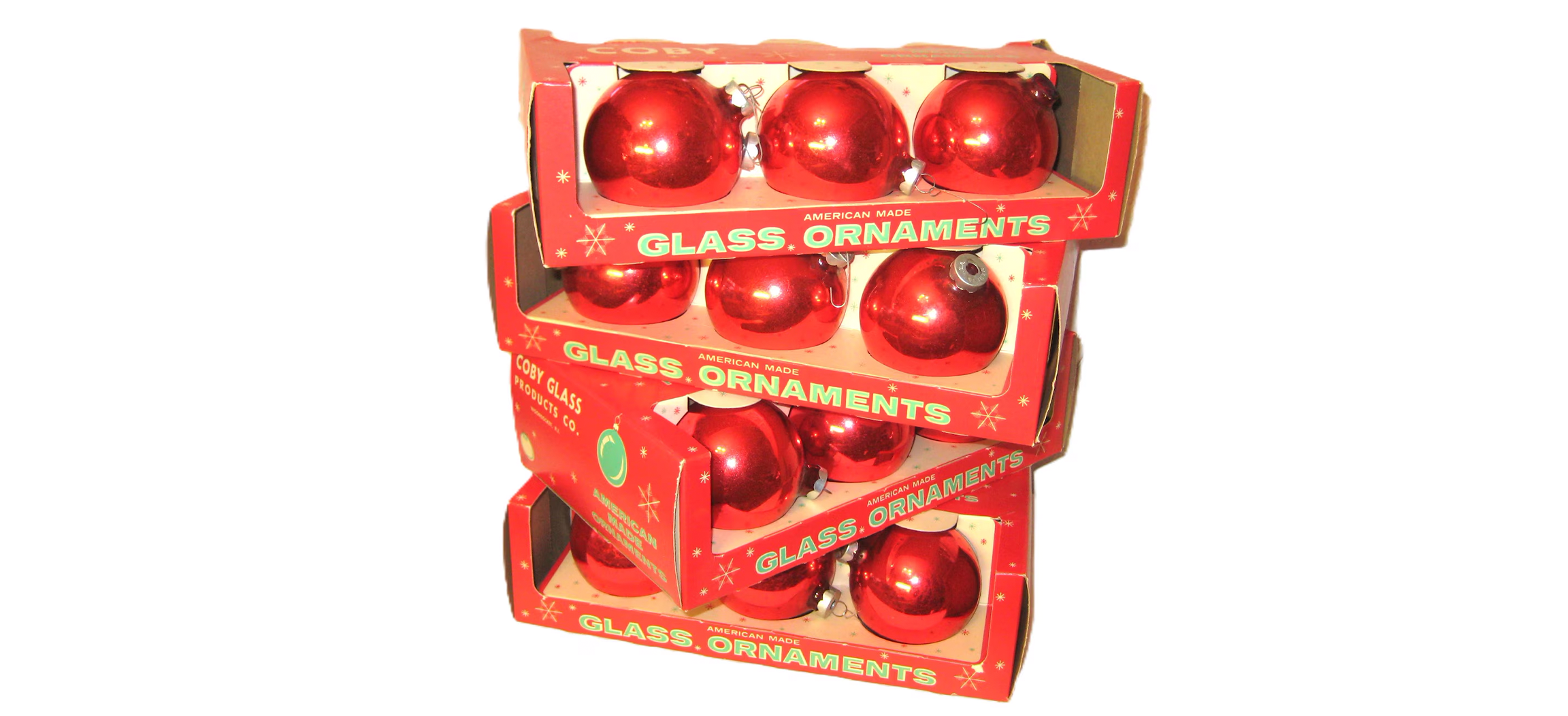
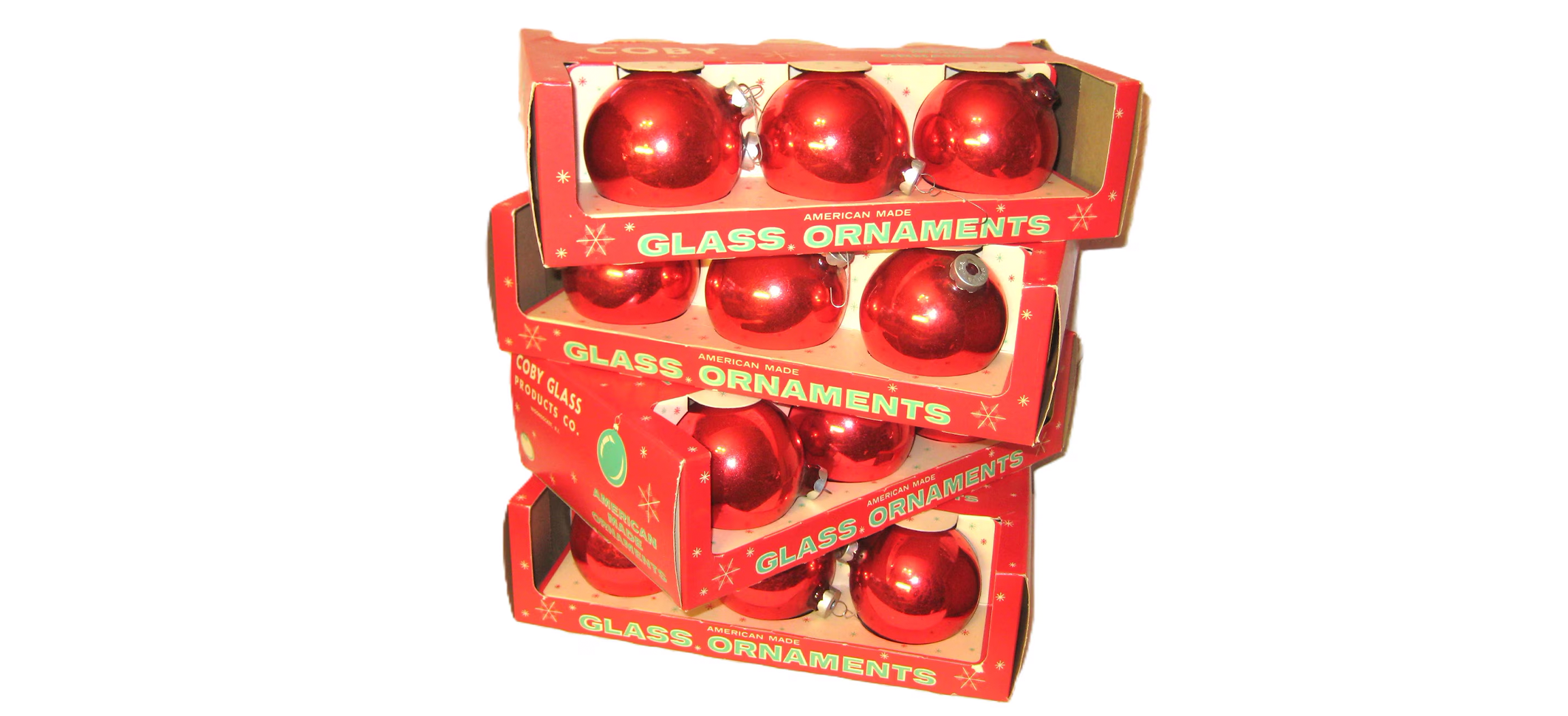
Shimmering glass, soft colors, silvery surfaces and distinctive packaging. Twelve Christmas tree ornaments, carefully placed in boxes of deep burgundy—the color of the state flag of the First Republic of Georgia—bore an engraved inscription: “Christmas is Coby.” Through this emotionally charged brand message, their creator, a Georgian immigrant, wished Americans a Merry Christmas.
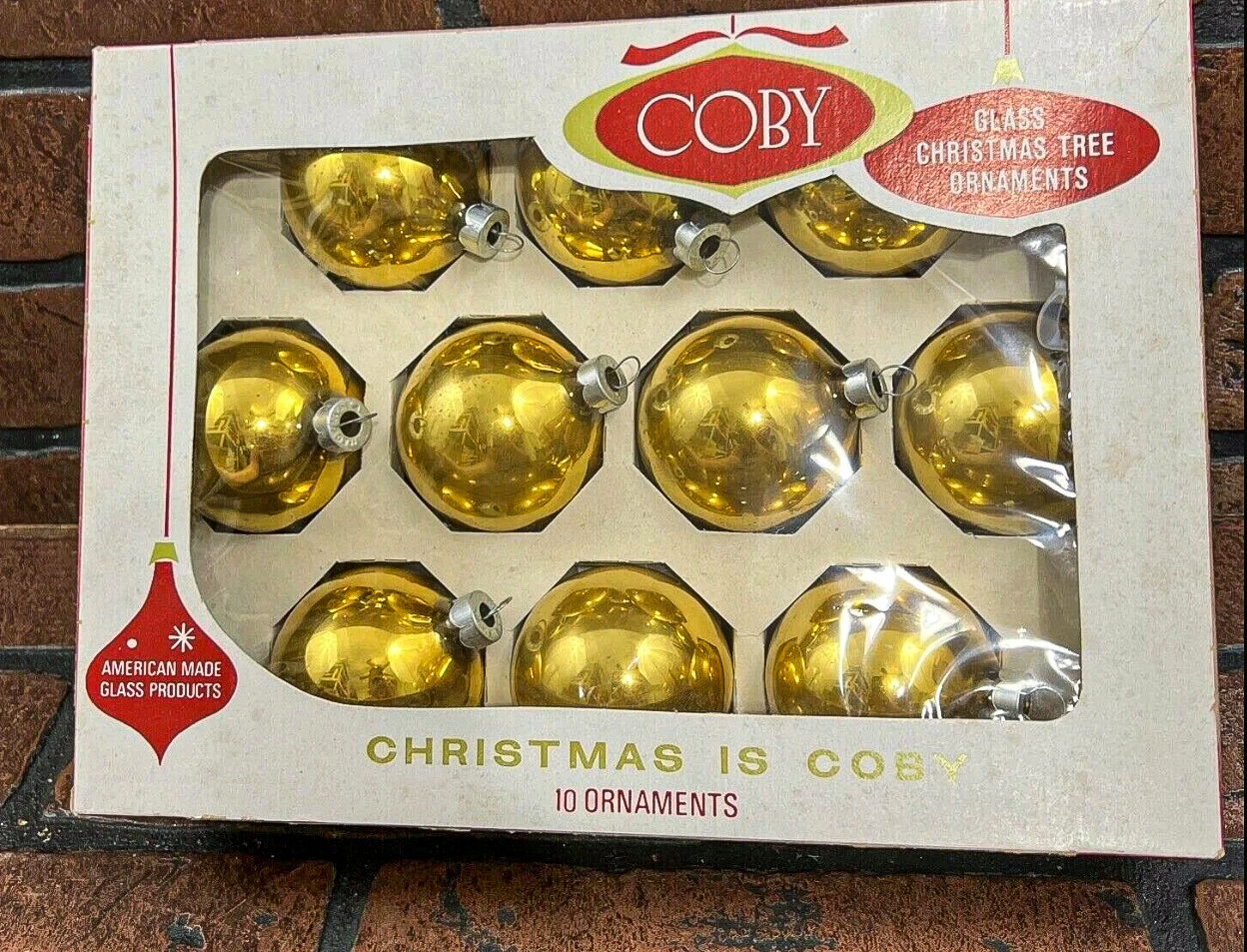
“Christmas is Coby” — Christmas ornaments created in America by Grigol Kobakhidze
The slogan “Christmas is Coby” became one of the most memorable phrases in American holiday marketing. Coby’s glass baubles were passed down from generation to generation, cherished as family Christmas heirlooms.
In post-World War II America, George Coby developed a distinctive Christmas visual identity at a time when people were longing to restore warmth, bright colors, and a festive spirit to their homes. Demand for Christmas decorations was rapidly growing, marking a turning point for the Coby Glass Company. While continuing to manufacture technical glass, the company introduced electric Christmas tree lights filled with a chemical liquid—known as “Babel Lamps” —which replaced real candles. Soon after, Coby Glass began producing handmade glass Christmas ornaments.
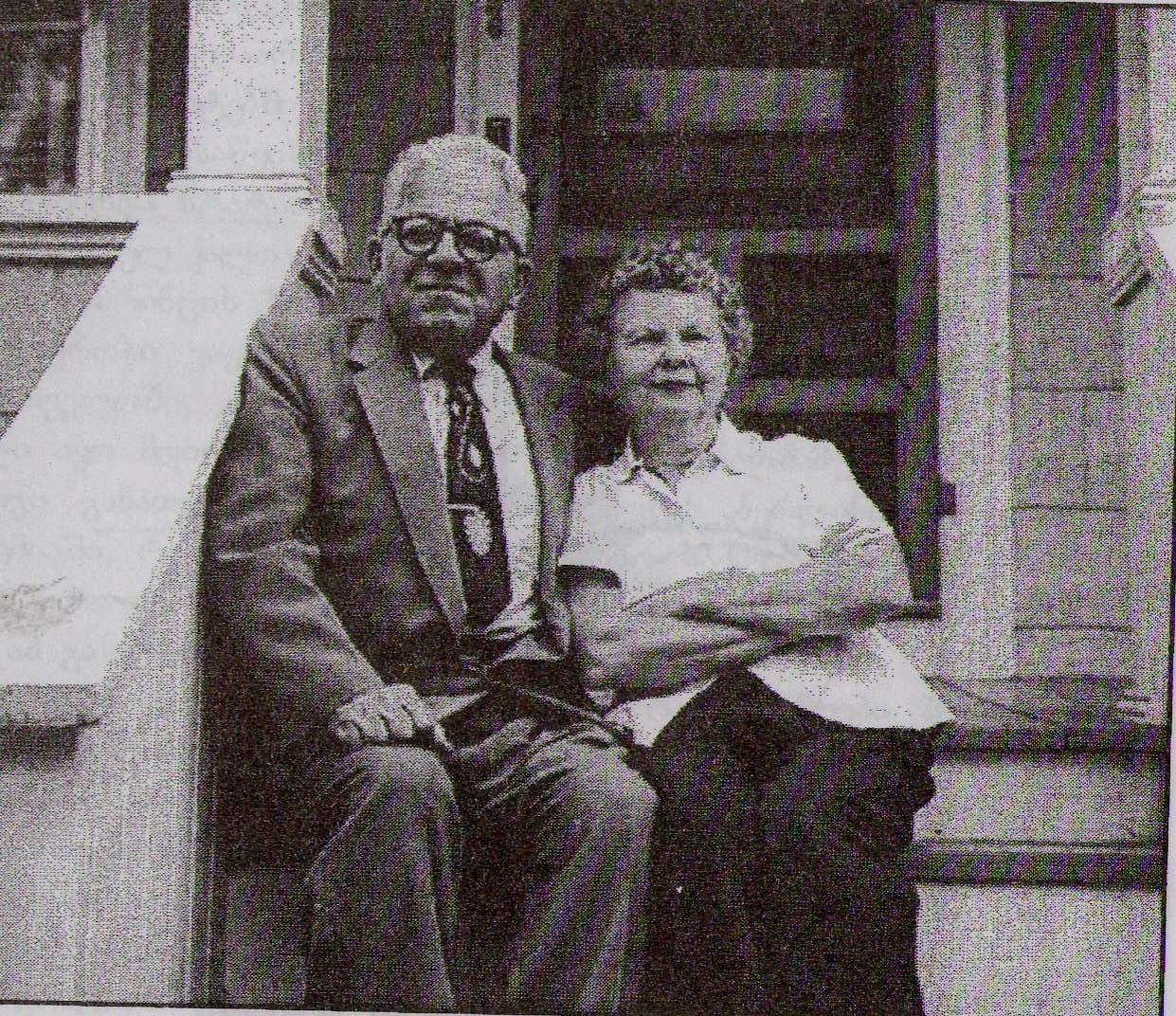
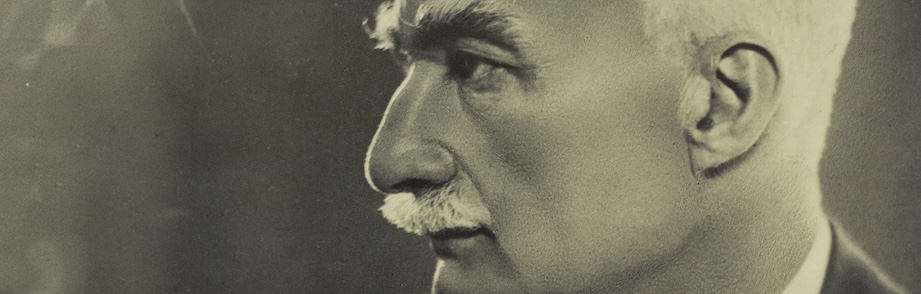
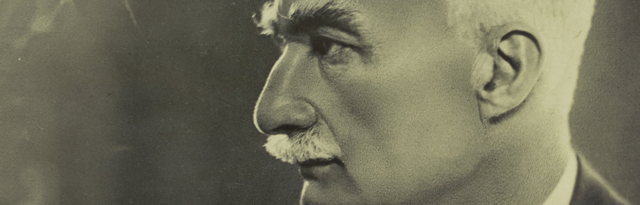
Grigol Kobakhidze
The Coby Glass Company was founded in 1919 in Attleboro, Massachusetts, by George Coby, born Grigol Kobakhidze. An immigrant from Georgia, Coby built the company during an era when America symbolized new beginnings for newcomers. In its early years, the firm specialized in architectural glass, medical glassware, and industrial components.

Logo of COBY GLASS Company
Born in the village of Tkhmori in Racha, Grigol Kobakhidze ran away from home at the age of ten in search of adventure. Asking for directions along the way, he first went to Okriba and Kutaisi, and later journeyed to Borjomi, where his older brother Levan worked as chief machinist at a newly opened glass factory. He then spent four years in Borjomi honing his glass-working skills. His search for adventure eventually led him to Europe and, at the beginning of the twentieth century, to the United States. Little did he know on arrival that his experience working alongside his brother at the Borjomi glass factory was to brighten up Christmas celebrations for generations of Americans to come.
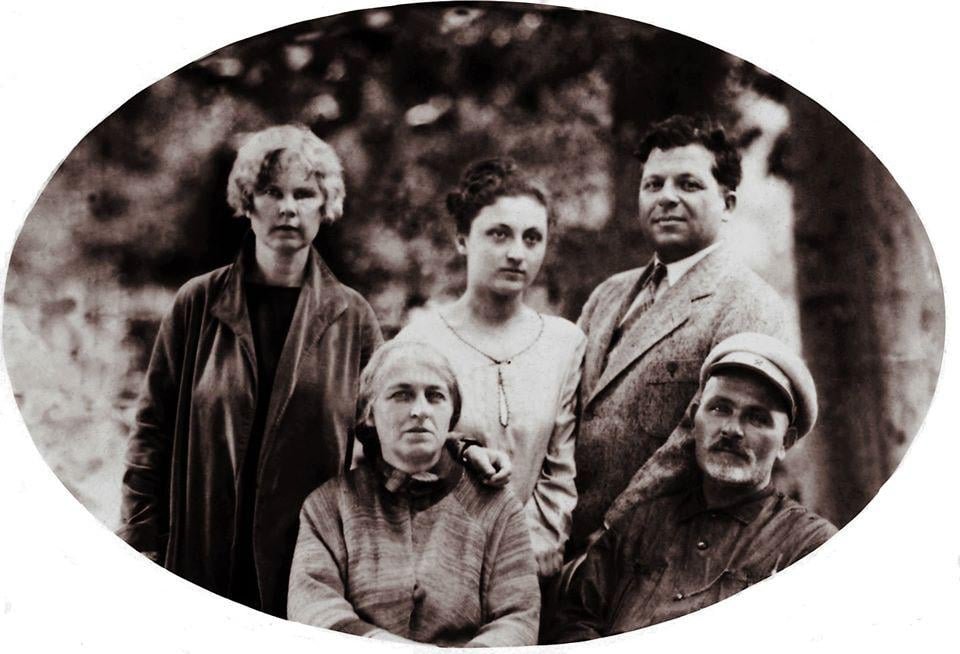
Sitting: Grigol Kobakhidze’s sister-in-law and brother, Ekaterine and Levan Kobakhidze.
Standing: Grigol Kobakhidze’s wife Dasha Nodvikova, his niece Zina Suladze, and Grigol Kobakhidze.
Grigol Kobakhidze returned to Georgia twice in the 1920s. He brought gifts for his mother, opened a school and a pharmacy in his home village, built a bridge over the Sharaula River, and repaired a church. They say that on his last visit, his nephew warned him of rumors that he was about to be arrested, and so he left Georgia for a second time—this time for good.

In 2023, a photo museum dedicated to Grigol Kobakhidze opened in the village of Tkhmori, and the building he once purchased for his shop still stands there.
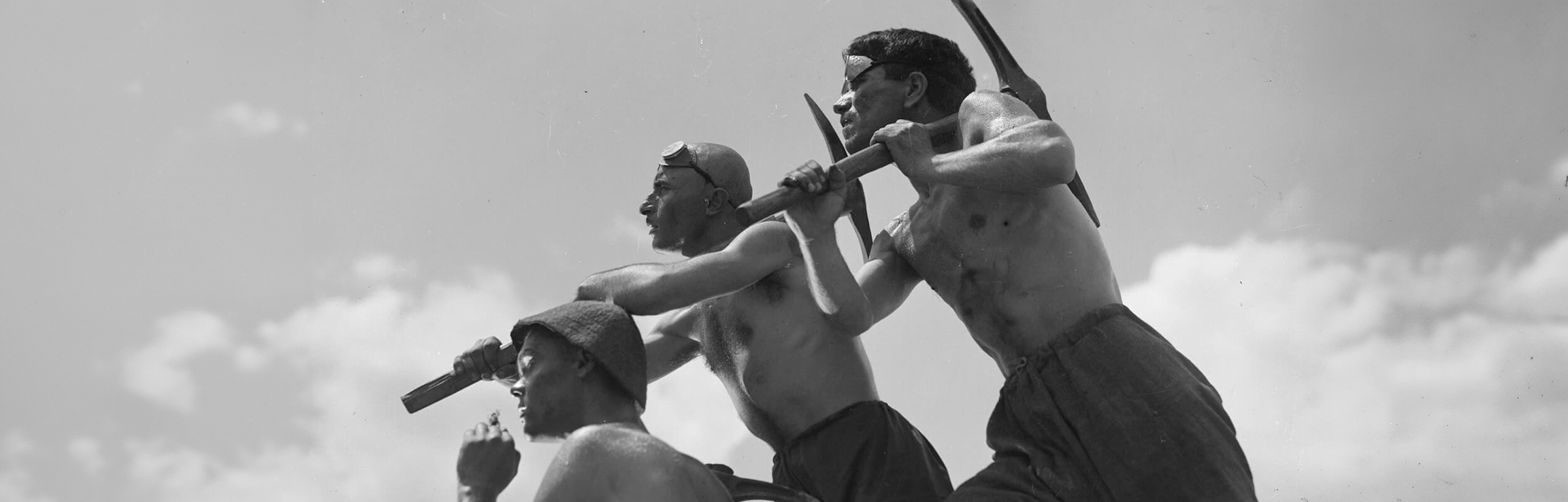
In the United States, Grigol Kobakhidze quickly established himself as an inventor and entrepreneur. At the height of his success, he was nicknamed “the Georgian King” for the construction technologies he developed. These included waterproof concrete for skyscraper construction, and durable glass blocks. These and other inventions made him the first Georgian millionaire in America. In the 1920s, a plethora of large-scale construction projects began in the United States, a period known as the “Race to the Sky.” In New York City, companies fiercely competed to build the tallest skyscraper. George Coby and his company were invited to take part in the construction of the Empire State Building, which remained the tallest building in the world until 1970. The company was tasked with manufacturing and installing glass panels that, unlike ordinary windows, were capable of withstanding wind pressure at more than 1,250 feet high.


Worker installing a window
Coby Glass brought a crew of expert glaziers to work on New York’s Empire State Building, many of whom were recent immigrants seeking opportunities in the booming city. George personally trained them in his patented installation method, emphasizing safety, efficiency, and pride in craftsmanship. The team faced wind, ice, and dizzying heights, but under George’s guidance, they worked with clockwork precision. Each pane fitted perfectly; each seal held strong. The Empire State Building was completed in one year and 45 days, and officially opened on May 1, 1931.
Grigol Kobakhidze was engaged in charitable work throughout his life, providing particular support to Georgian immigrants not only in the United States, but also in Europe. The royal crown–shaped perfume bottles for Prince Matchabelli, the fragrance brand of the renowned Georgian immigrant and perfumer Giorgi Matchabeli, were initially produced in Germany, and later manufactured by Kobakhidze’s company.
At one point, Grigol Kobakhidze looked into bringing his nephews and other close relatives to America, but found he was unable to do so. Indeed, as a result of the repressions that had begun in the Soviet Union, he was forced to sever all contact with his family. Kobakhidze took on the Italian-born siblings Jim and Julie Puglisi as business partners. They continued his work, and the company has retained its original name to this day. Grigol Kobakhidze passed away in 1967 at the age of 84.
From the 1940s onward, Coby Christmas Toys were sold in both supermarkets and specialized holiday boutiques. Each box proudly bore the inscription: “Made in the USA by Coby Glass Products Co.” During the holiday season, Coby’s glass ornaments illuminated thousands of American homes.
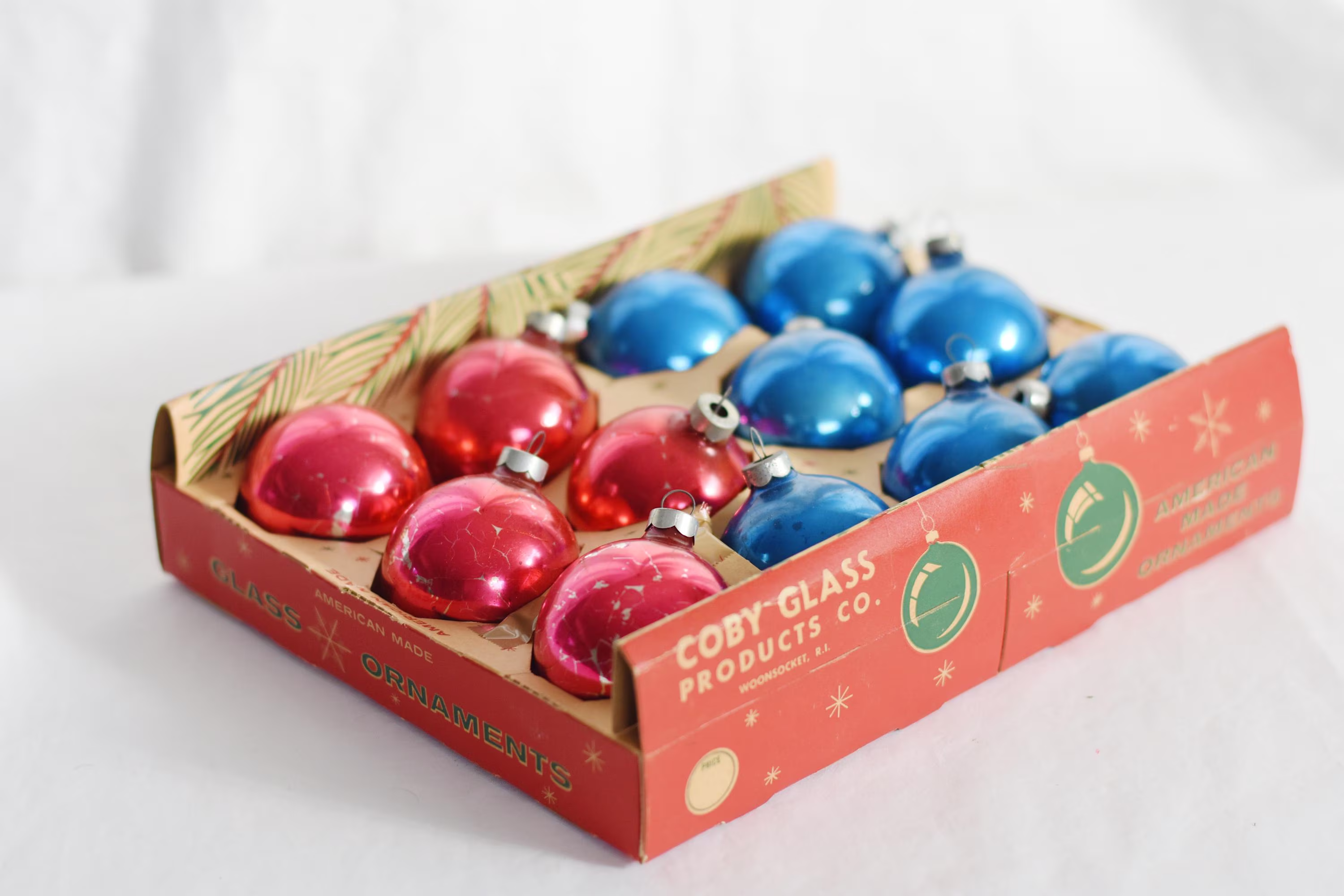
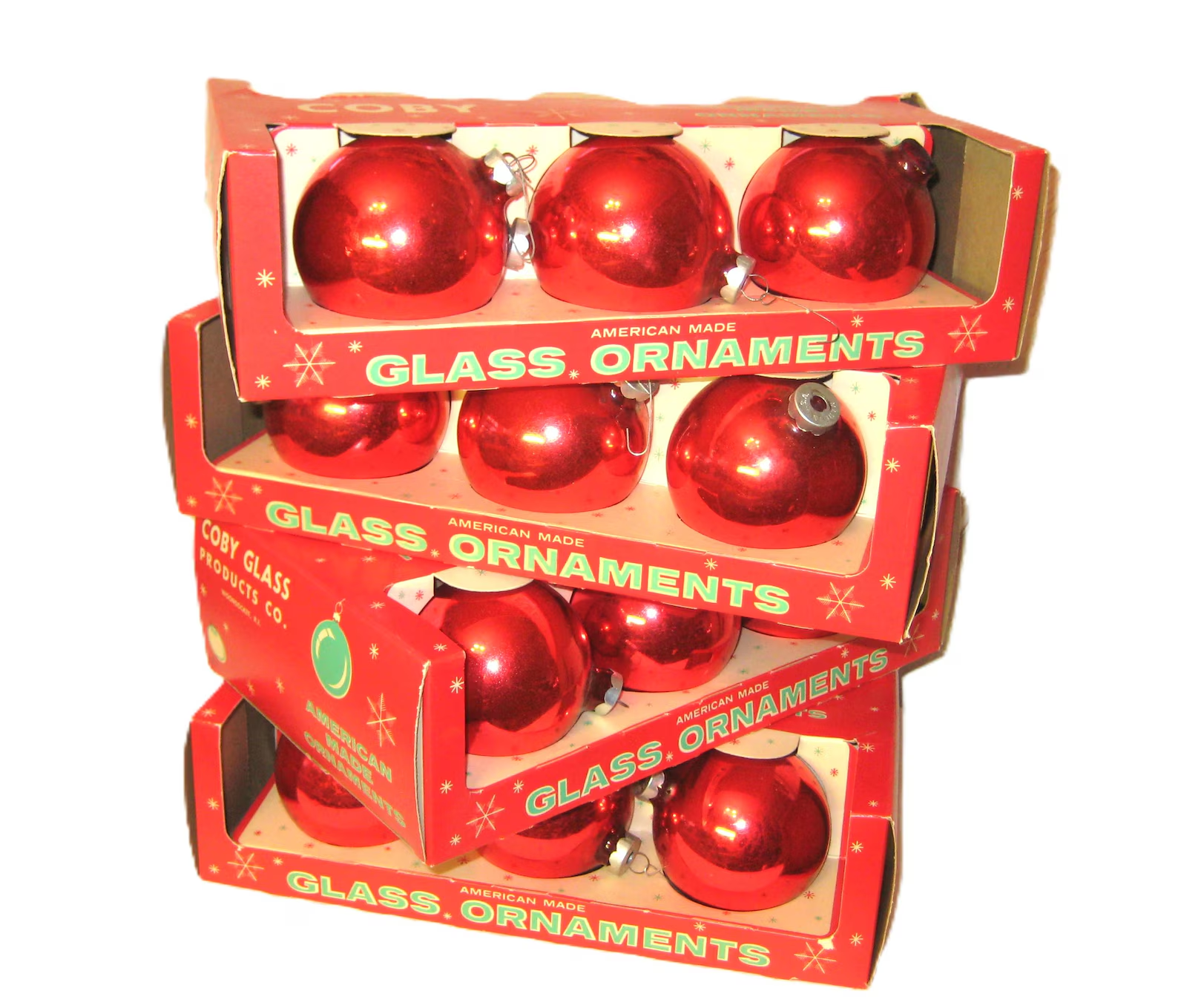
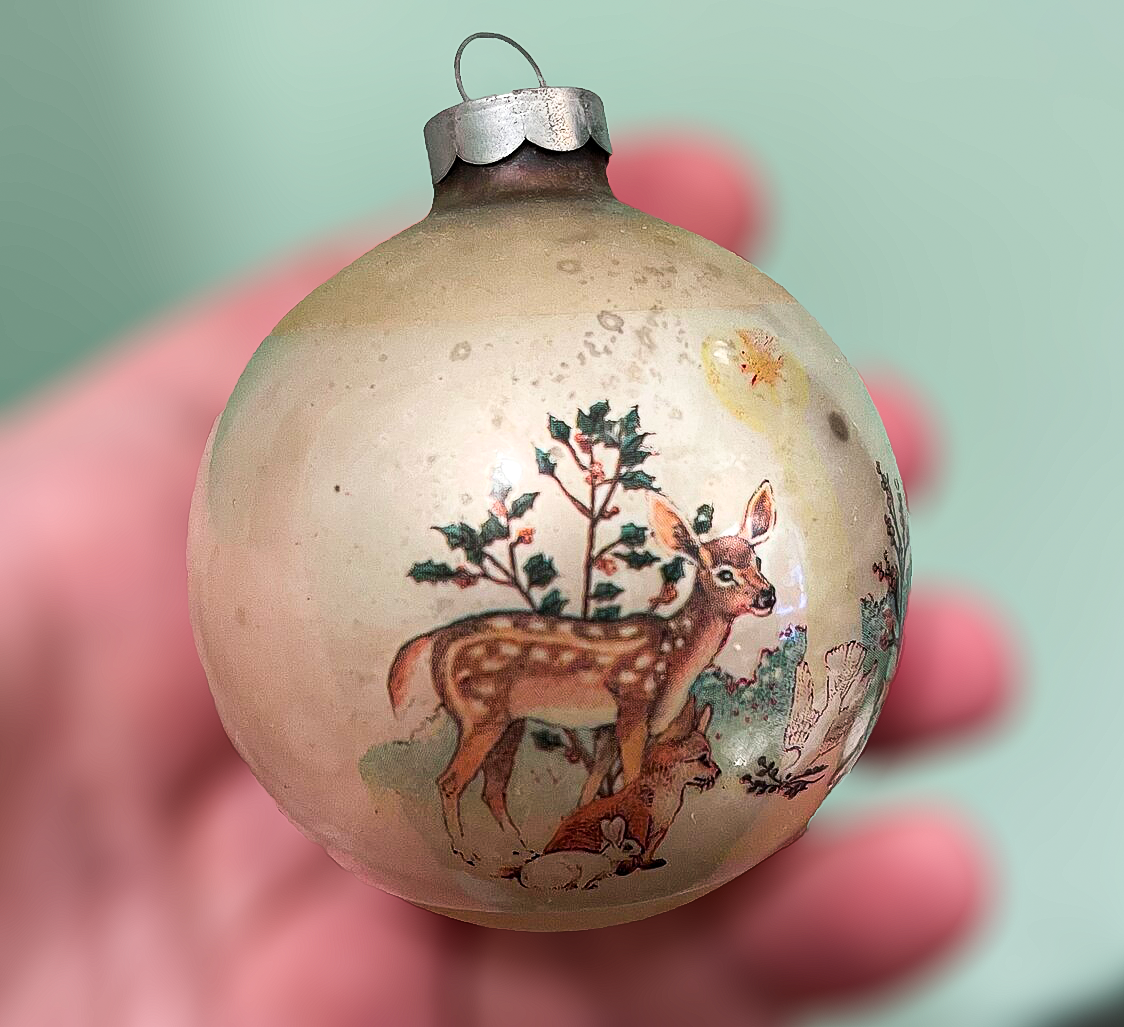
Very rare of Coby's Glass from a private collection of Manuchar Pirveli
Today, Coby Christmas baubles are no longer in production. Yet for collectors and admirers of vintage holiday décor, Coby Christmas Toys can still be found on online marketplaces, where they continue to evoke a powerful sense of nostalgia in American households. For those who take special pleasure in decorating their Christmas trees and appreciate vintage ornaments, it’s quite possible that George Coby’s colorful glass baubles are already part of your home collection. Take a closer look at their packaging—you may be the owner of Christmas ornaments created by the Georgian Grigol Kobakhidze, known in America as George Coby.