





 Share this article
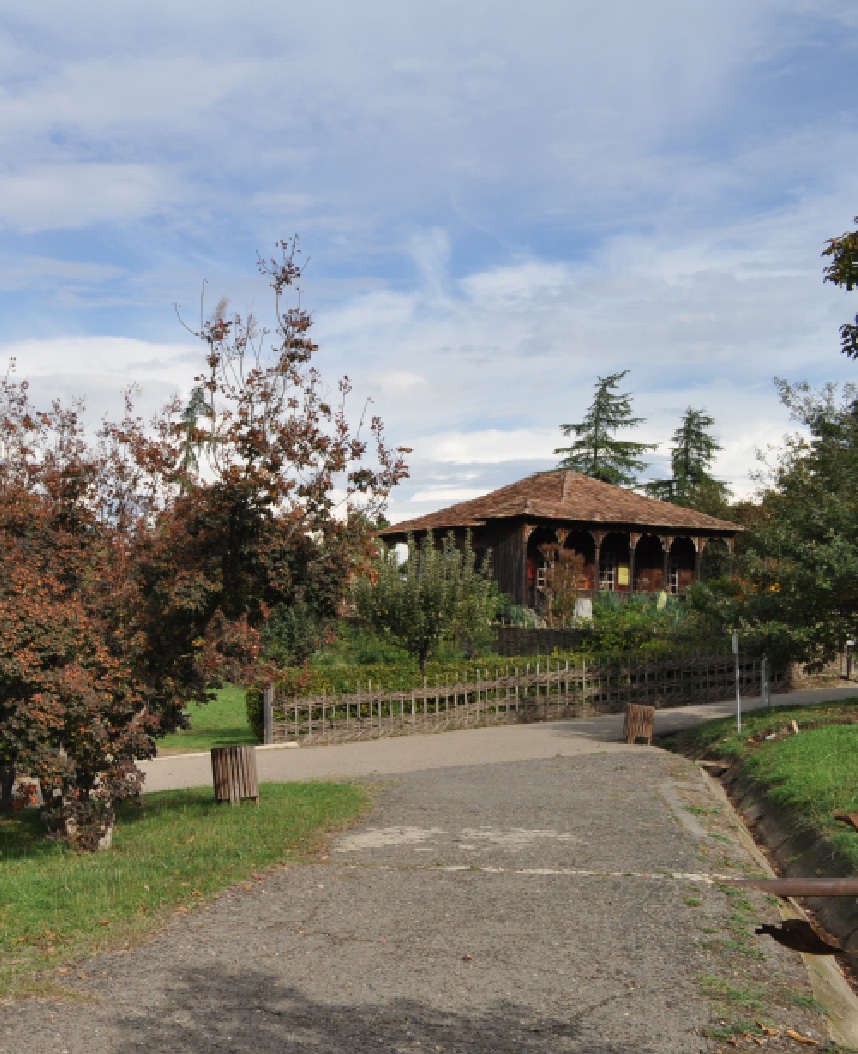
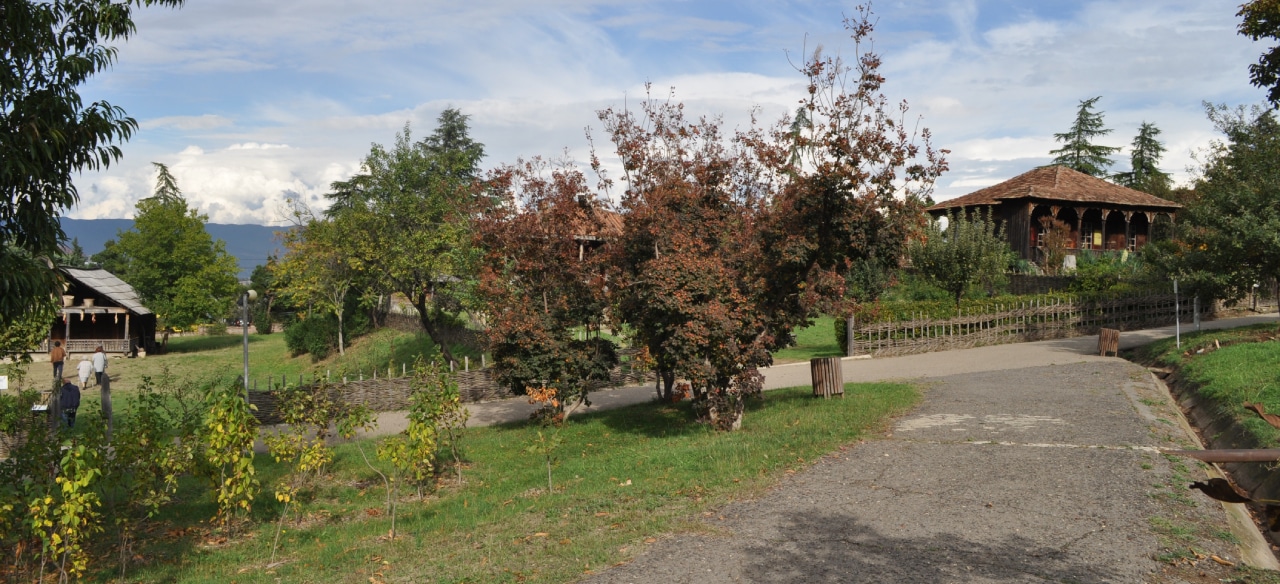
The Open Air Museum of Ethnography is located on the northern slope of the Trialeti Mountain Range, on the outskirts of Tbilisi. It was founded in 1966, but its development took considerable time, and it did not open to the public until 1976. It was the first museum of its kind in the Caucasus. Today, it forms part of the Georgian National Museum.
Two individuals made particularly significant contributions to the establishment of the museum. The first was Giorgi Chitaia, who conceived the idea of creating the museum and developed the concept for its layout. The museum is now named in his honor. The second was Longinoz Sumbadze, an architect and researcher of Georgian vernacular architecture. He developed the museum’s master plan and oversaw the selection of architectural structures from various regions of Georgia, which were subsequently relocated to the site and reconstructed.
Open-air ethnographic museums first appeared in Scandinavia in the late nineteenth century in response to the threat posed to vernacular dwellings and traditional folk culture by rapid urbanization and industrialization. From the 1950s onward, the aims and operating principles of open-air museums were developed with the participation of the International Council of Museums (ICOM). By the second half of the twentieth century, the preservation of vernacular architecture and traditional culture had become an increasingly urgent issue in Georgia as well. Giorgi Chitaia was well acquainted with international experience in this field. His vision was to adopt the best European practices while taking local specificities into account, including not only the characteristics of vernacular architecture itself but also the natural environment and terrain.
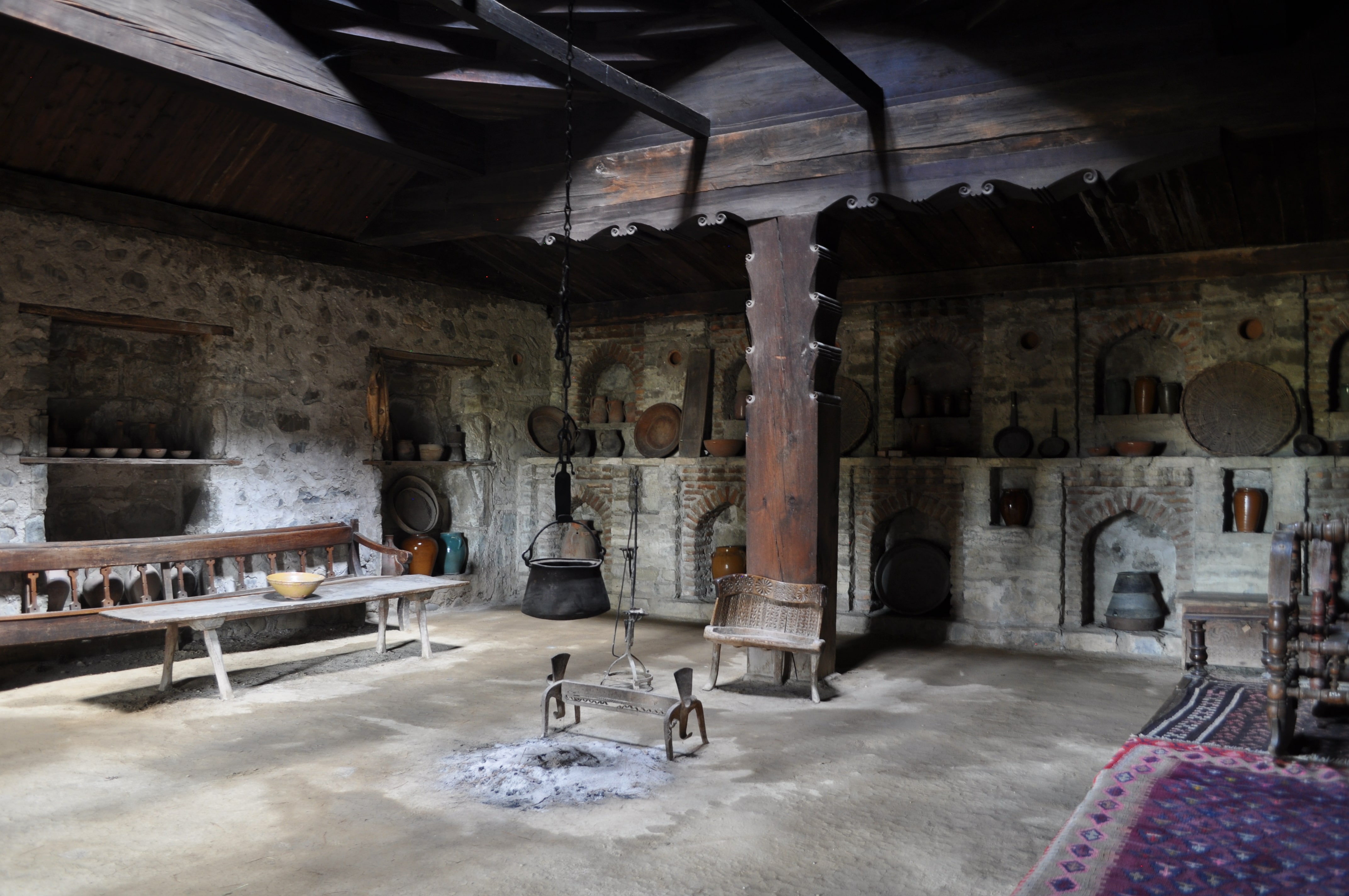
The Open Air Museum of Ethnography covers an area of more than 50 hectares. It is divided into eleven zones, ten of which represent individual historical regions. Eastern and Western Georgia are each represented by five zones. In total, the museum contains approximately 70 buildings, including both dwellings and auxiliary structures. These house more than 8,000 artifacts, including tools, textiles, ceramic and metal vessels, and other objects that illustrate the daily activities, artistic practices, and social traditions of the Georgian people.
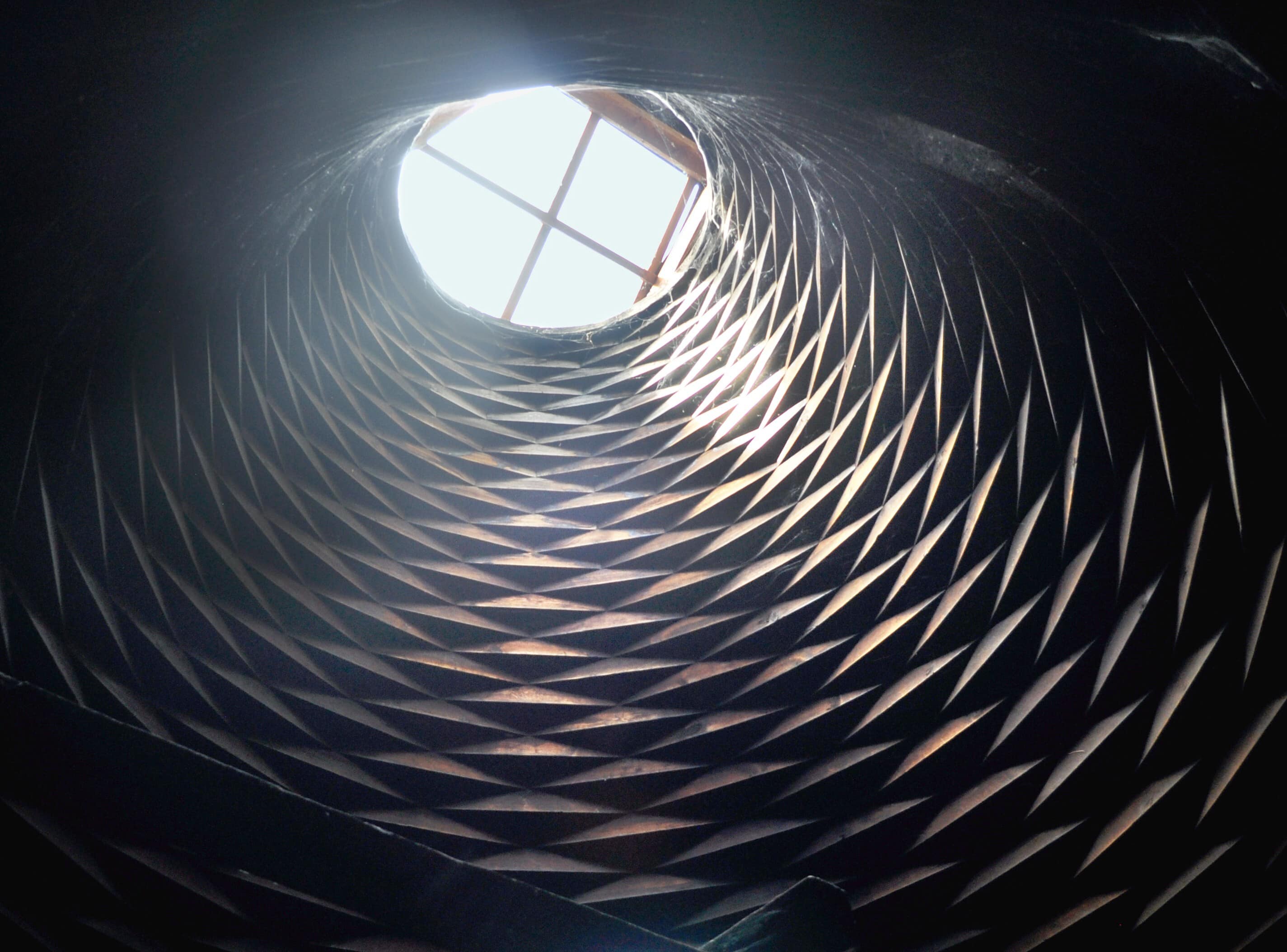
Among the structures representing domestic architecture in eastern Georgia, particular attention should be drawn to the vernacular house relocated from Teliani (formerly Karaghaj), in Shida Kartli. The building represents the darbazi, a traditional dwelling characterized by a pyramidal roof known as a gvirgvini, constructed from successively stepped layers of hewn beams. The gvirgvini of the Teliani house has a dodecagonal form at its base and consists of 440 beams.
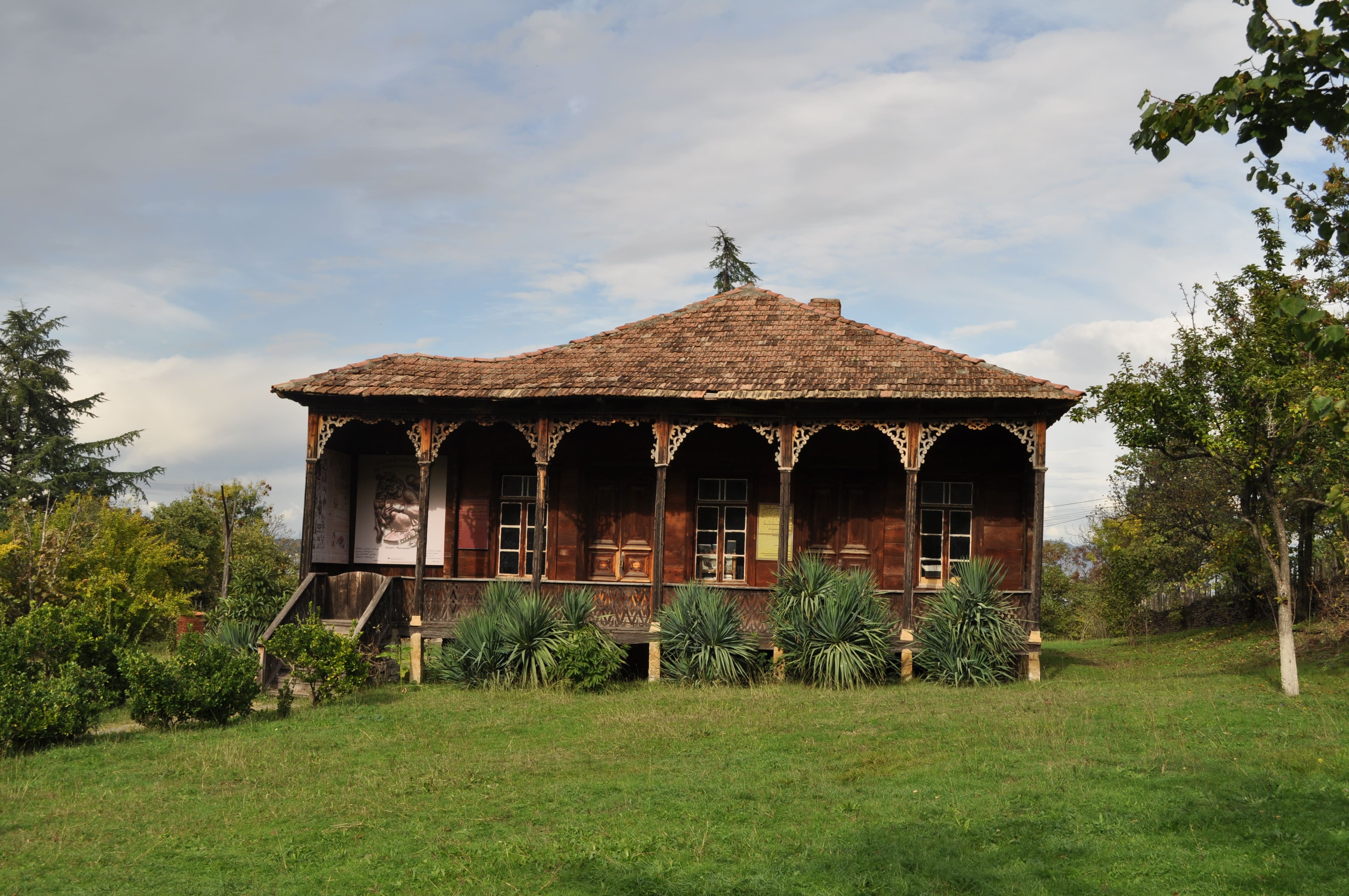
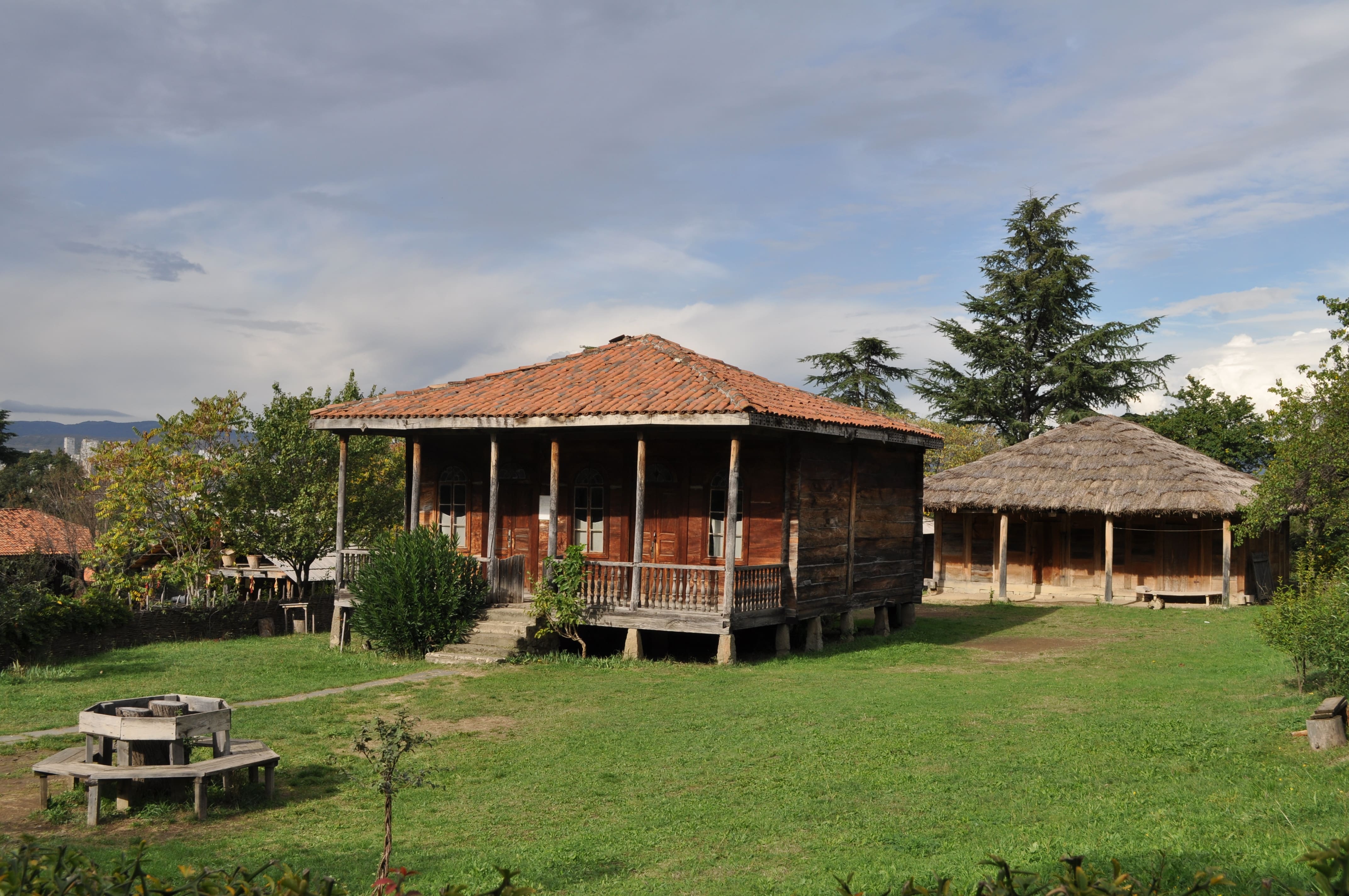
The zones representing western Georgia contain fine examples of the oda, a traditional wooden house with a large balcony characteristic of Imereti, Guria, and Samegrelo.
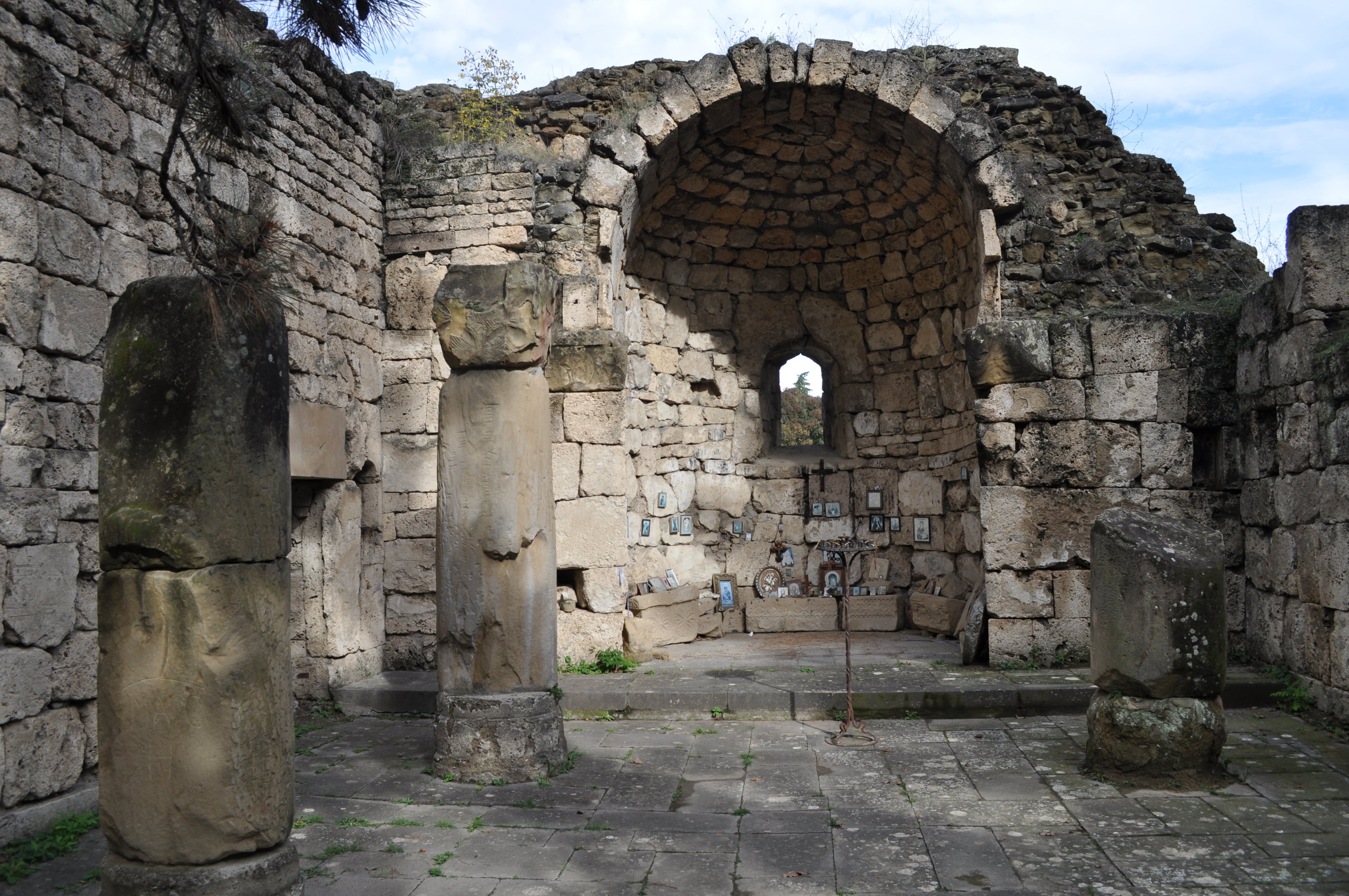
The museum’s eleventh zone is dedicated to archaeological monuments. Among its principal exhibits is a small sixth-century basilica relocated from the village of Sioni in Tianeti, where the construction of a water reservoir threatened the building with complete deterioration. The church features two pairs of columns and a projecting polygonal apse.
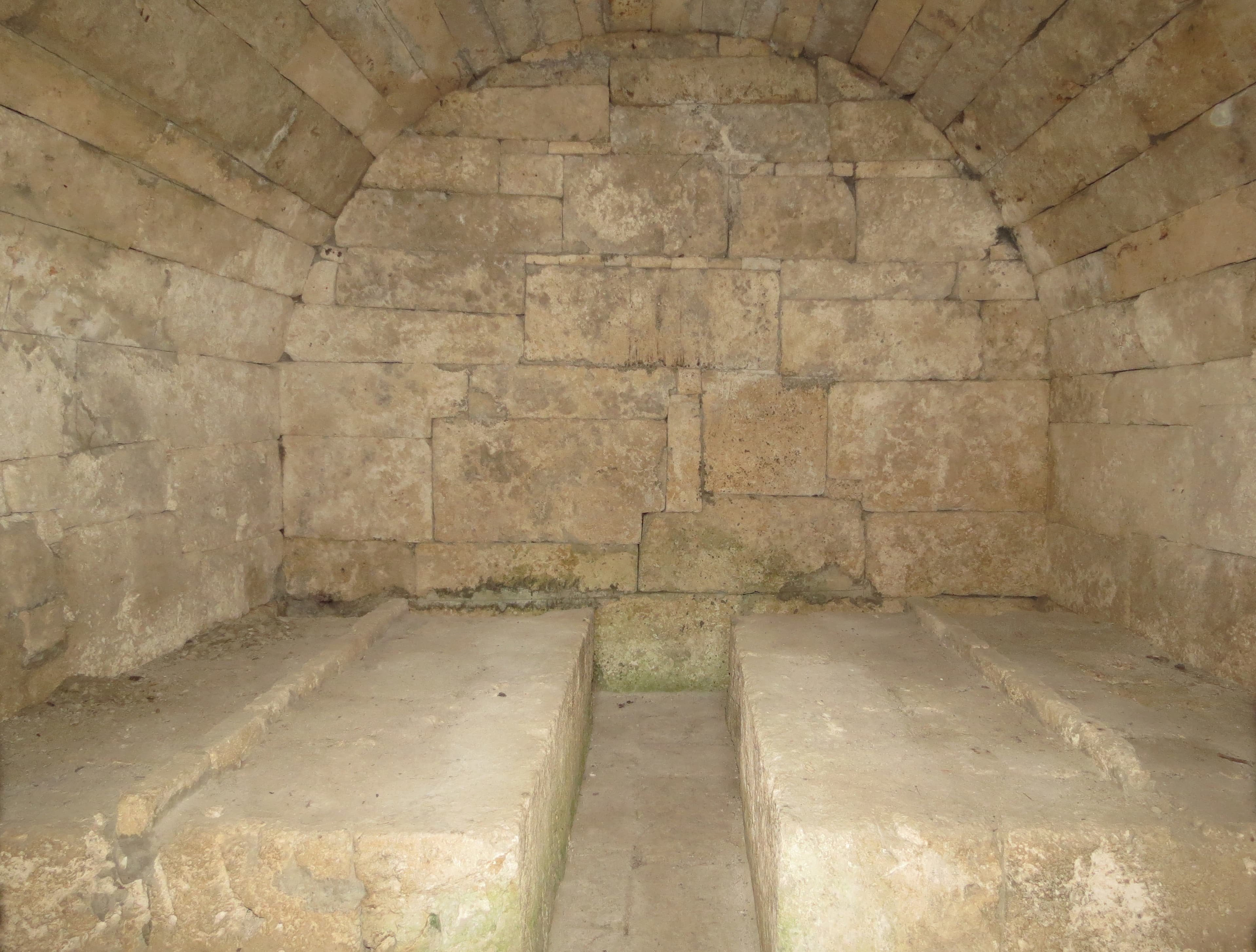
A burial vault from the same location was also transferred to the museum and reconstructed below the church.
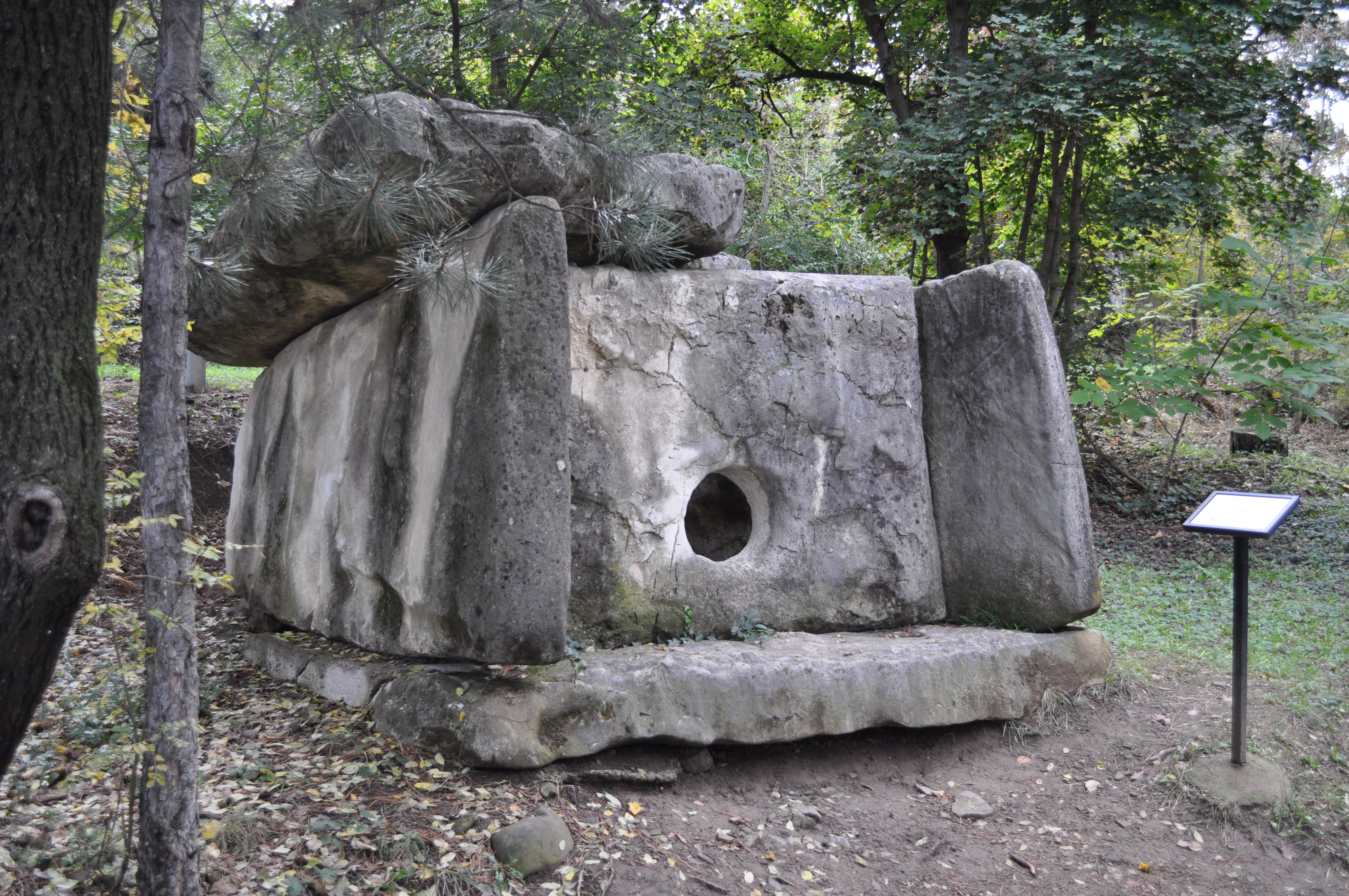
Another notable monument in the archaeological zone is a dolmen from the village of Eshera in Abkhazia, dating back to the second millennium BC. This megalithic burial structure consists of four large upright stones supporting horizontal slabs. The zone also displays examples of early medieval stelae and a collection of late medieval gravestones.