

- დახარისხება
- თარიღი
დაამატეთ სახელები, თარიღები ან ნებისმიერი ველი



დაამატეთ სახელები, თარიღები ან ნებისმიერი ველი

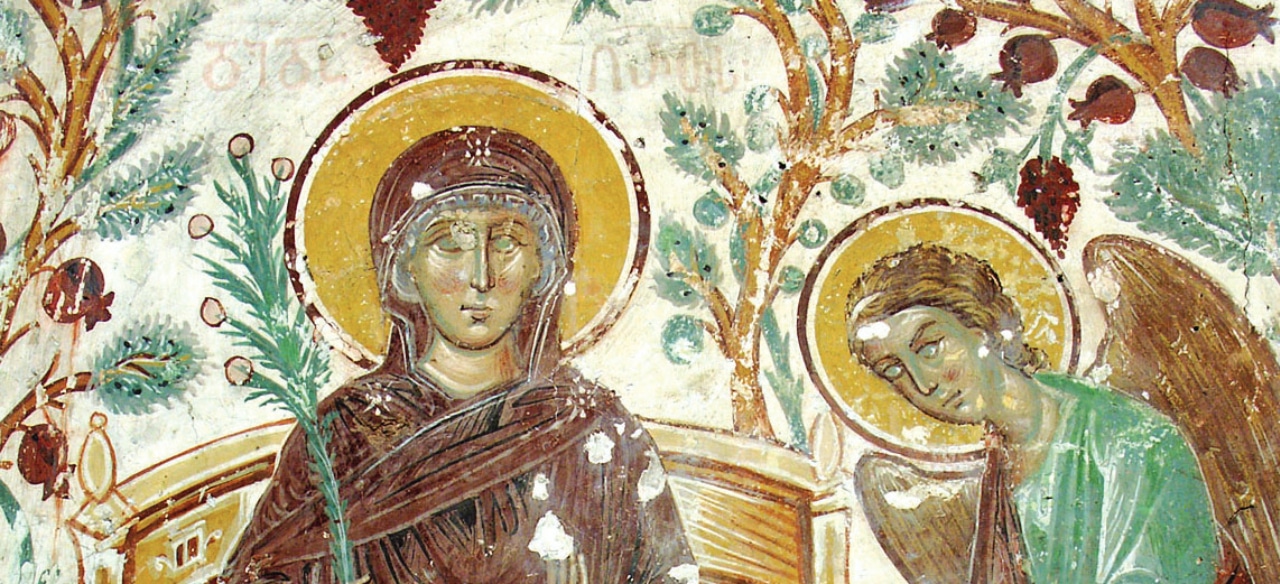
A single -nave church near the village of Nabakhtevi used to be the main church of a big monastery built in the 14th c. in Kartli, the central region of east Georgia. It was a family church of the Amirejibi feudal house built and decorated upon their commission.
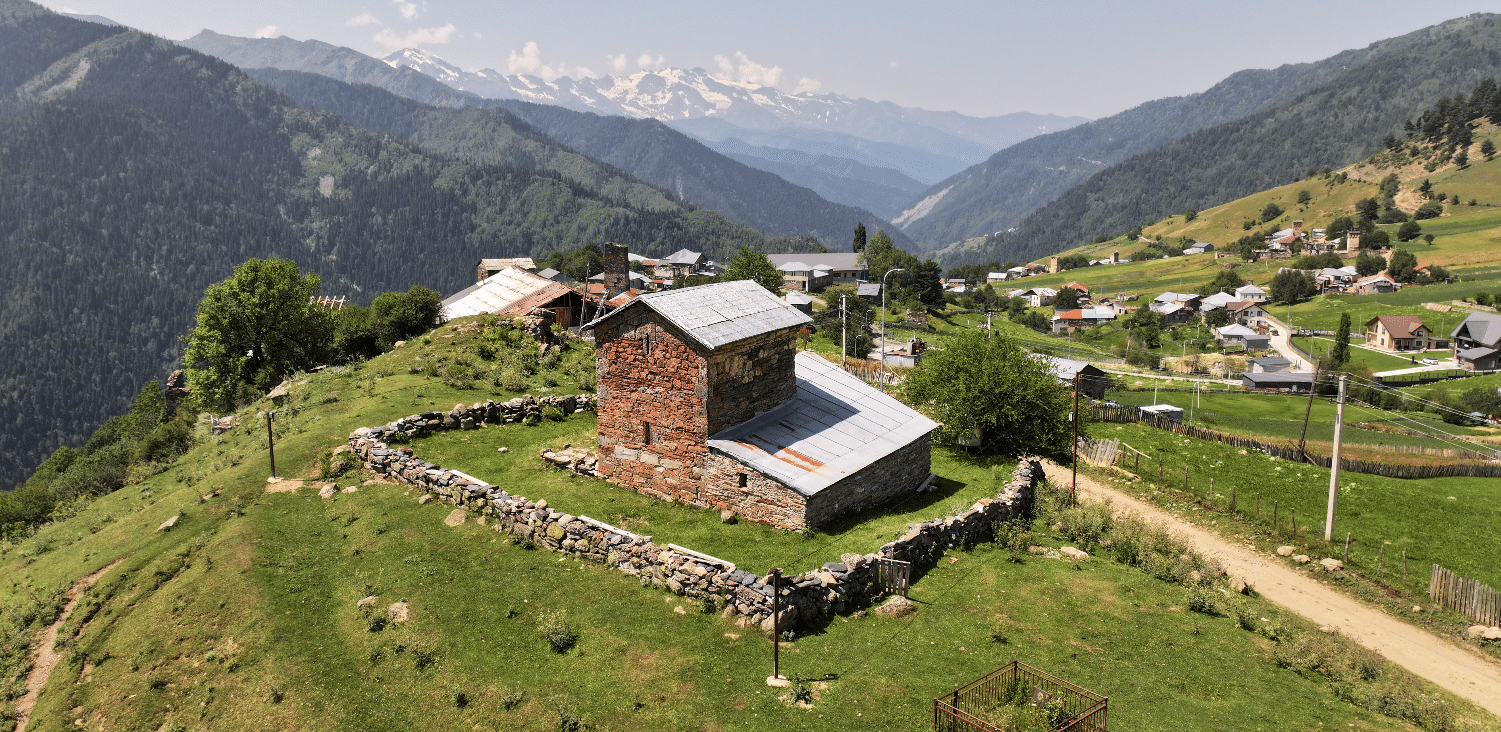
The village Tsvirmi comprises several painted churches, among them the church of the Archangels located in the Zagar district. The single nave two -storied church is dated to the 9th c. It is one of the oldest churches in Upper Svaneti. The interior of the ground floor is covered with murals and displays a rather developed program of the painting.
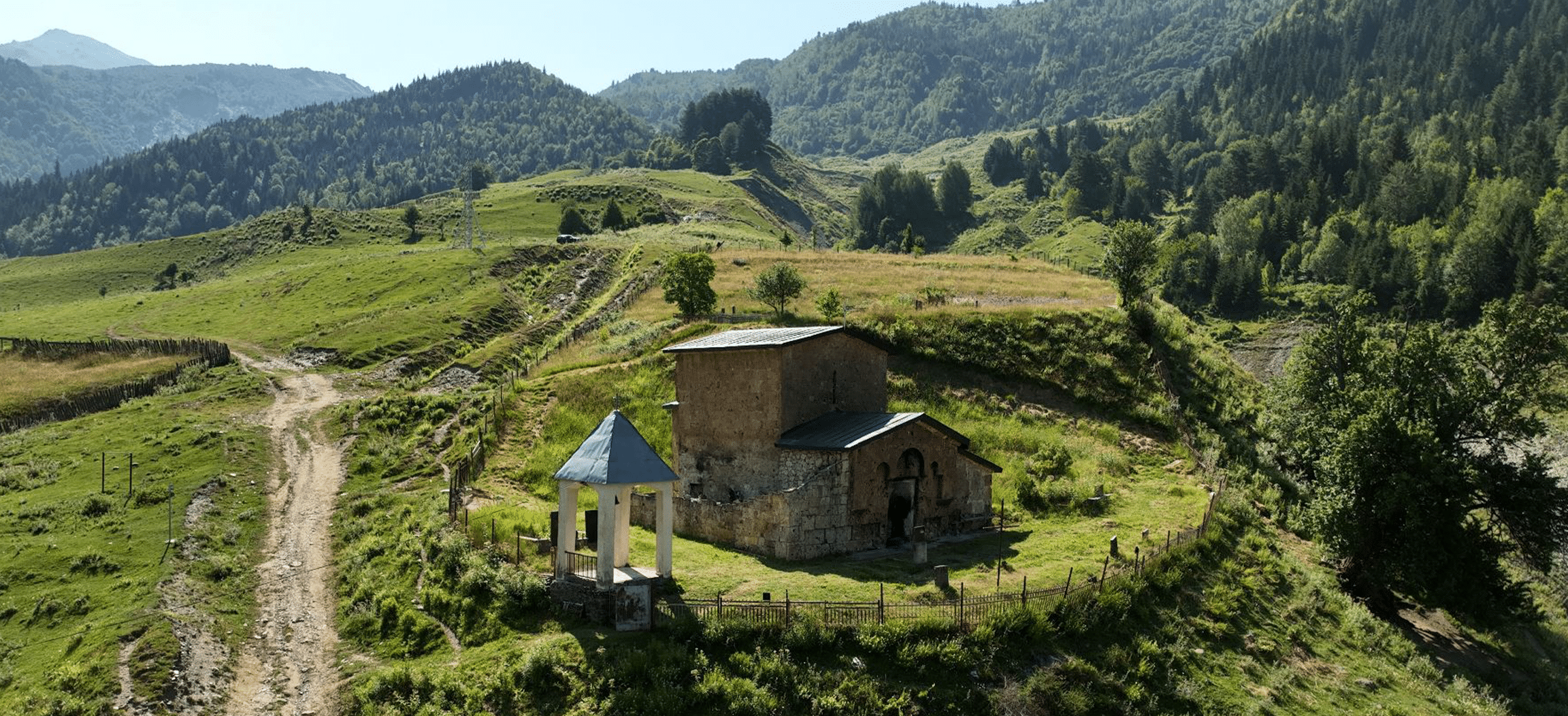
Ushguli is the highest inhabited settlement, not only in Upper Svaneti, but in the whole of the Caucasus. It is located at 2400 m. above sea level, at the base of the Shkhara mountain, in the narrow gorge of the River Enguri.
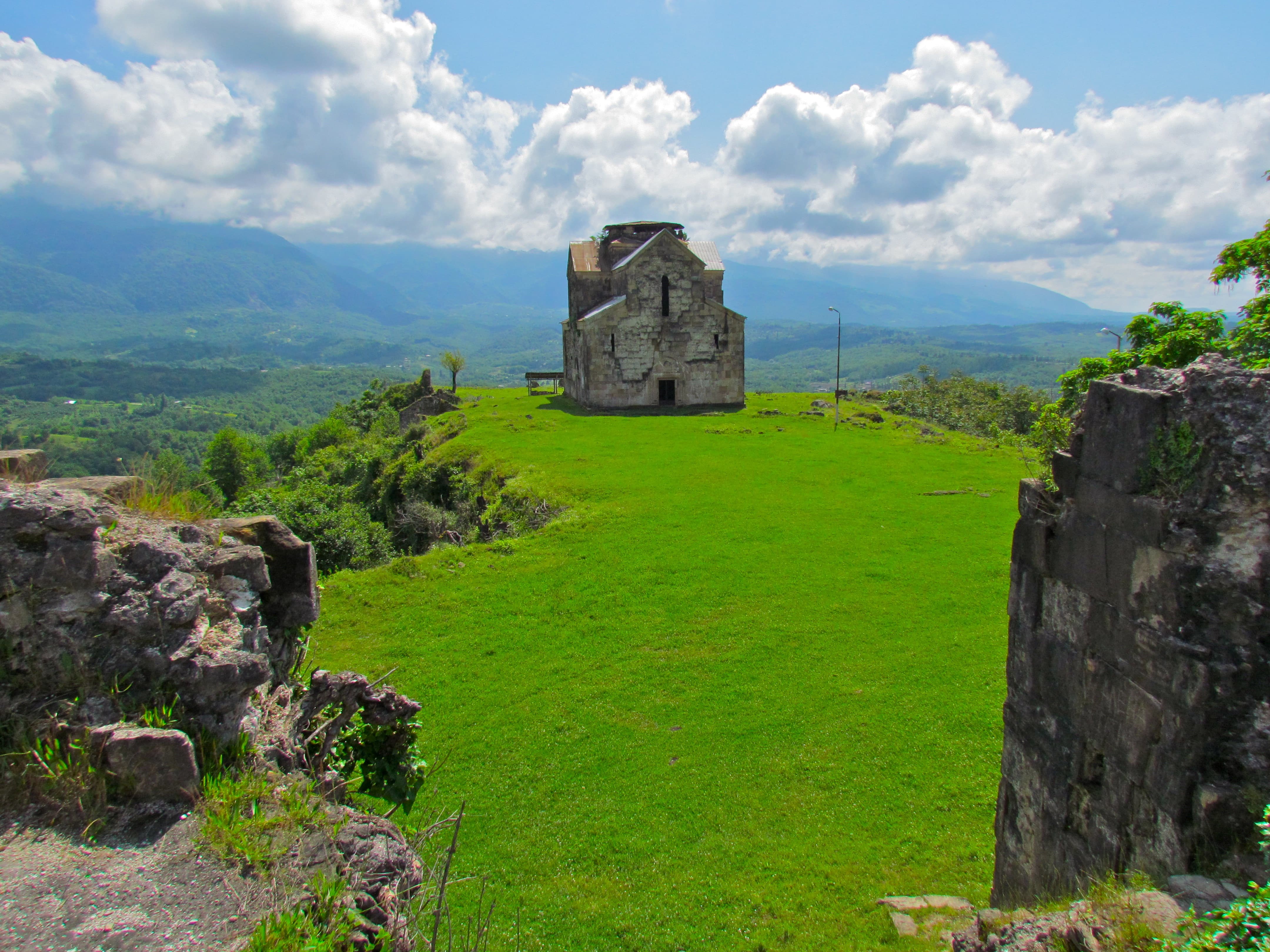
The Bedia Monastery is one of the most famous and revered Christian sites in Georgia. It is located in western Georgia, in the historical region of Abkhazeti, once a kingdom of medieval Georgia. Bedia played an important role in both the history of Abkhazeti and that of the country as a whole
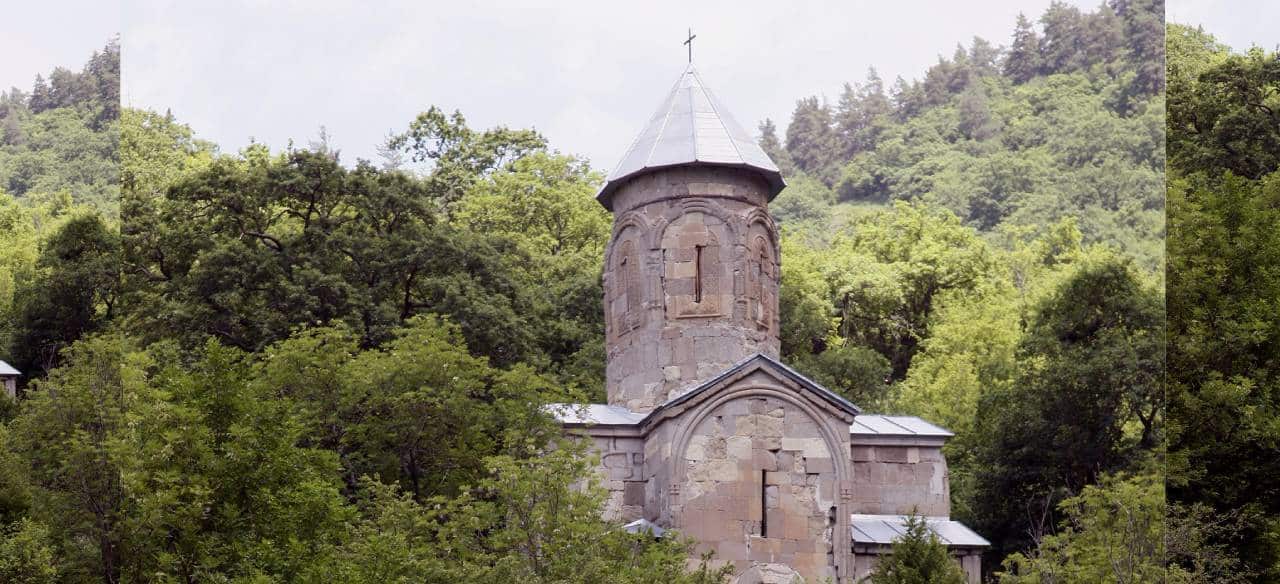
The St. George church is located in the region of Shida Kartli in Tedzami valley, in the picturesque forest, near the village of Ikvi, not far from the Rkoni monastery.
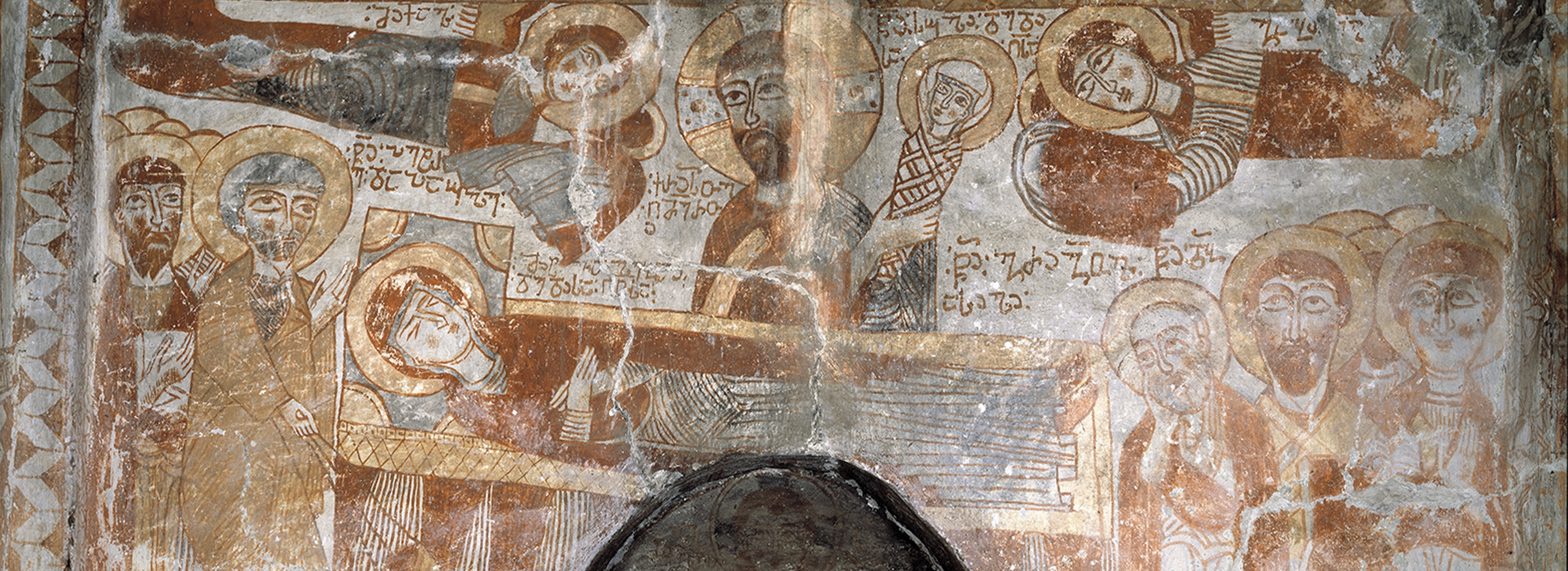
A small single-nave church dedicated to St. Barbara (Barbal) is located in the village of Khe in the Kala community, Upper Svaneti. It was built of well-cut stones at the turn of the 11th century. The vault of the church is supported by an arch resting on pilasters that divide the side walls into two compartments, each of which features blind arches.
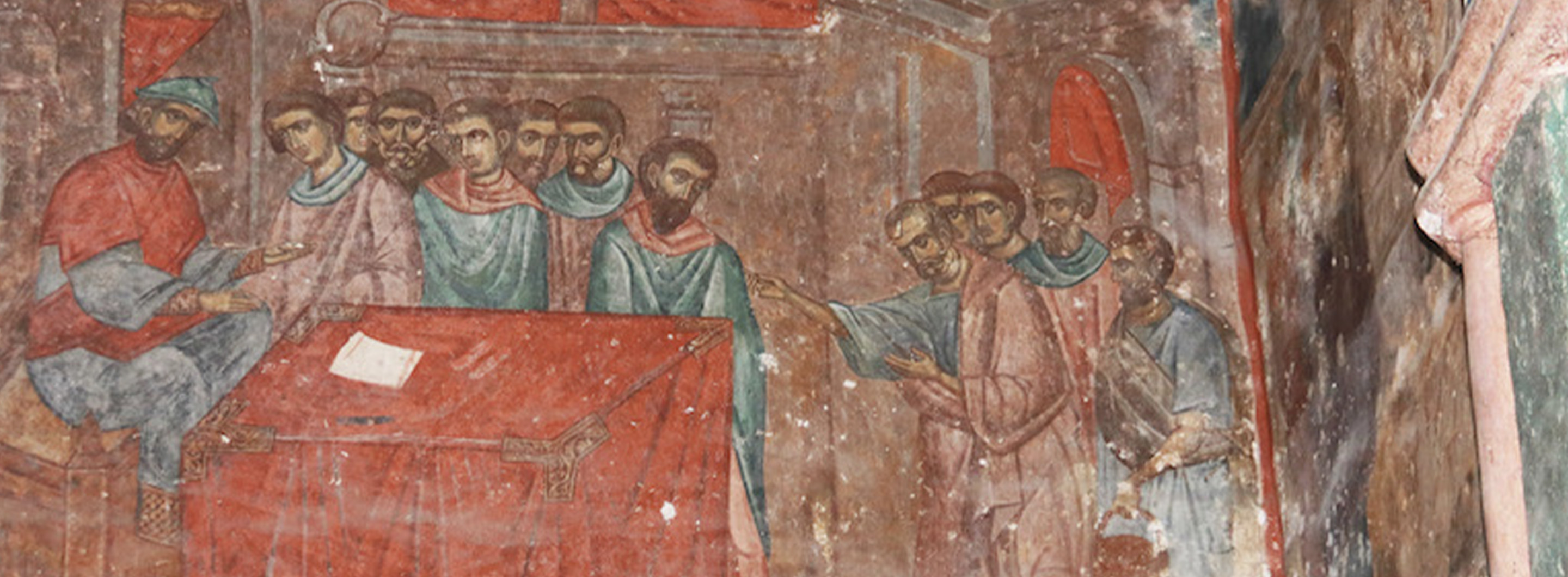
Zarzma Church of the Dormition of the Virgin is located in Samtskhe, a historical southern region of Georgia. The first church was built here in the 9th century. It was founded by the holy monk St. Serapion of Zarzma. The church was reconstructed several times, the most recent being at the turn of the 13th-14th centuries. The church is a cross-in-square building with a tripartite arched gallery to the south. It is built of well-cut ashlars. It is characterized by features common to Georgian architecture from the second half of the 13th and the 14th centuries. Nearby the church is a belfry that dates from the same period.
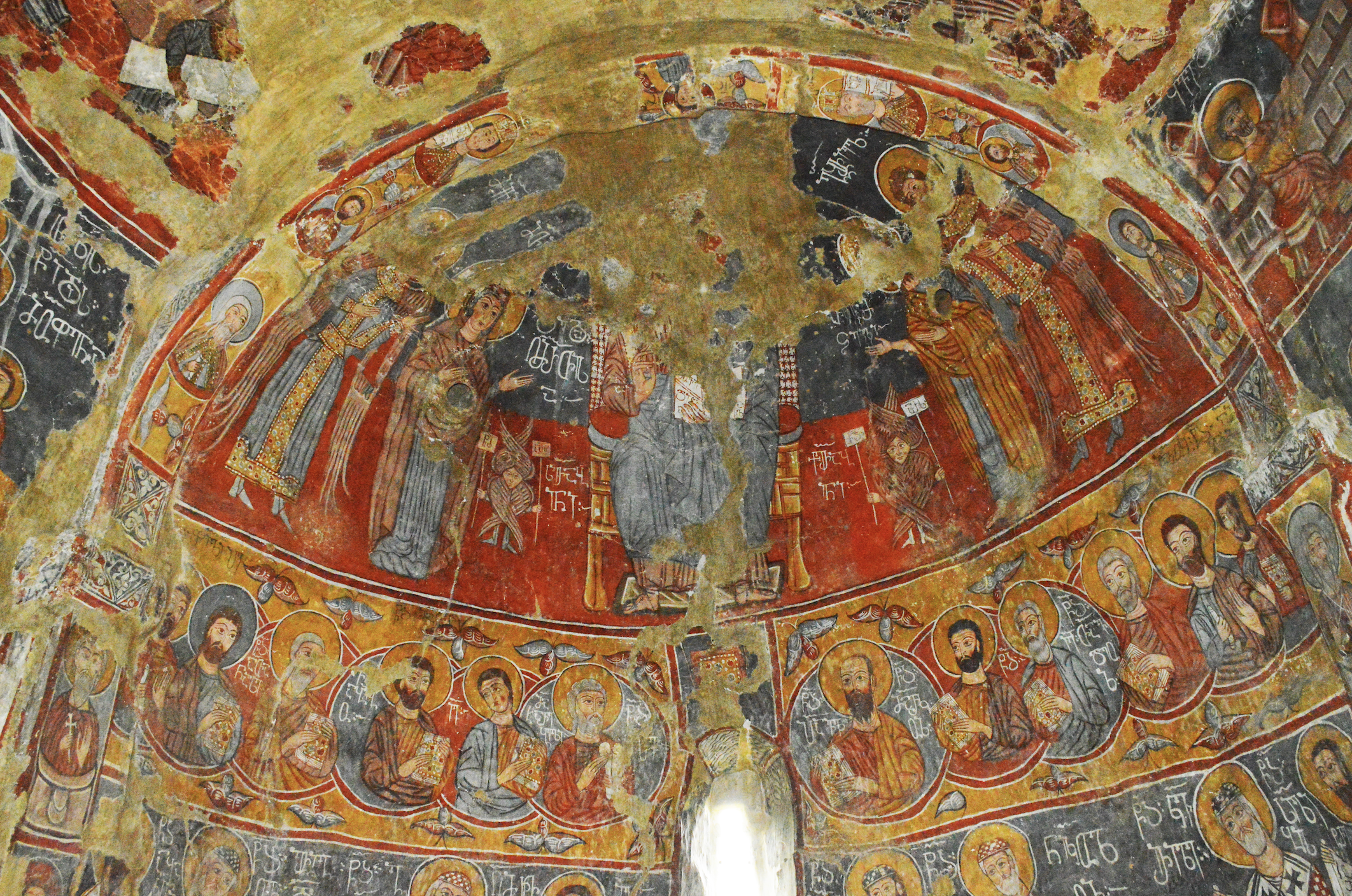
The village of Bugeuli is located in Racha, in the highlands of western Georgia, not far from the regional center Ambrolauri. The 15th-16th century single- nave church built of well-hewn stones stands in the center of the village cemetery. Both the building and the murals in the interior suffered greatly from an earthquake in 1991.
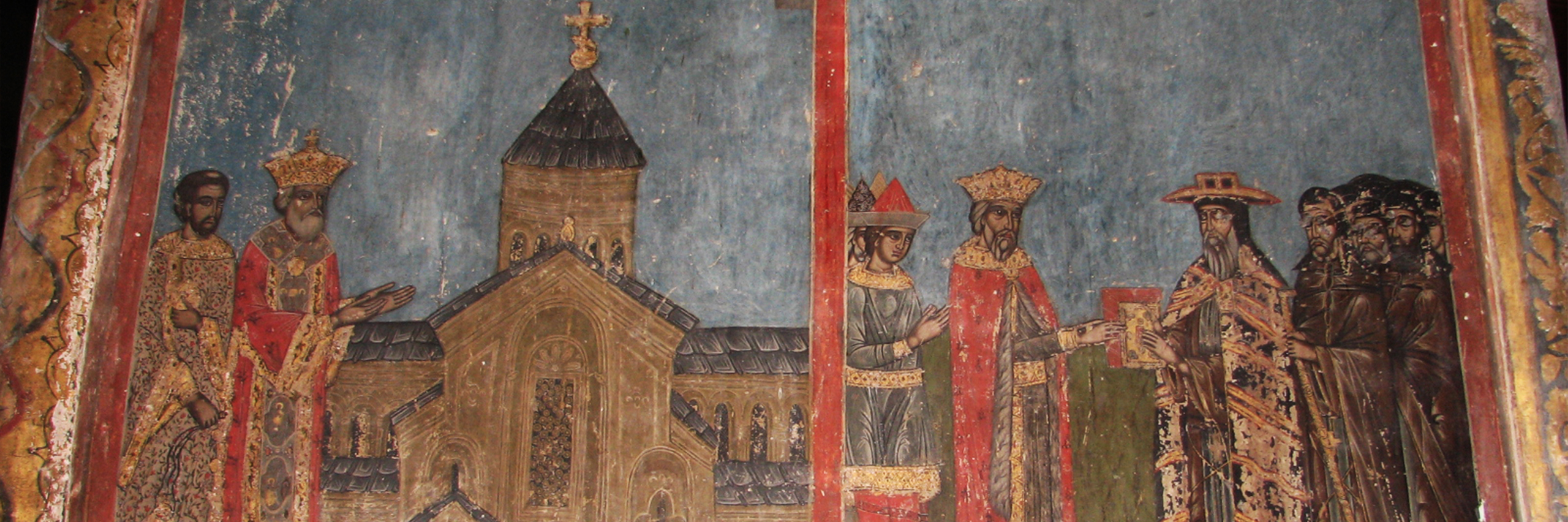
Svetitskhoveli Cathedral is the leading religious center of Georgia. This is the place where catholicos-patriarchs of Georgia have been consecrated since early Christian times. and where Holy Ointment has been prepared for distribution throughout the entire country. However, the foremost significance and sacred meaning of this location is rooted in the ancient belief that the Tunic of Christ, his only material relic, is buried here.
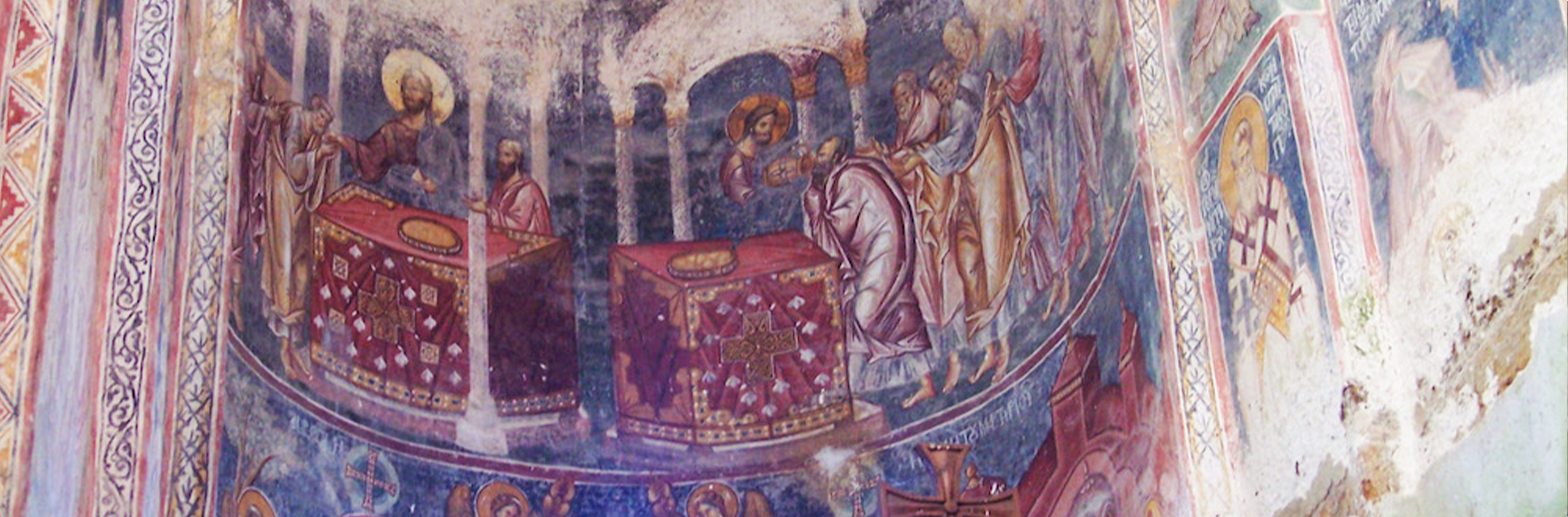
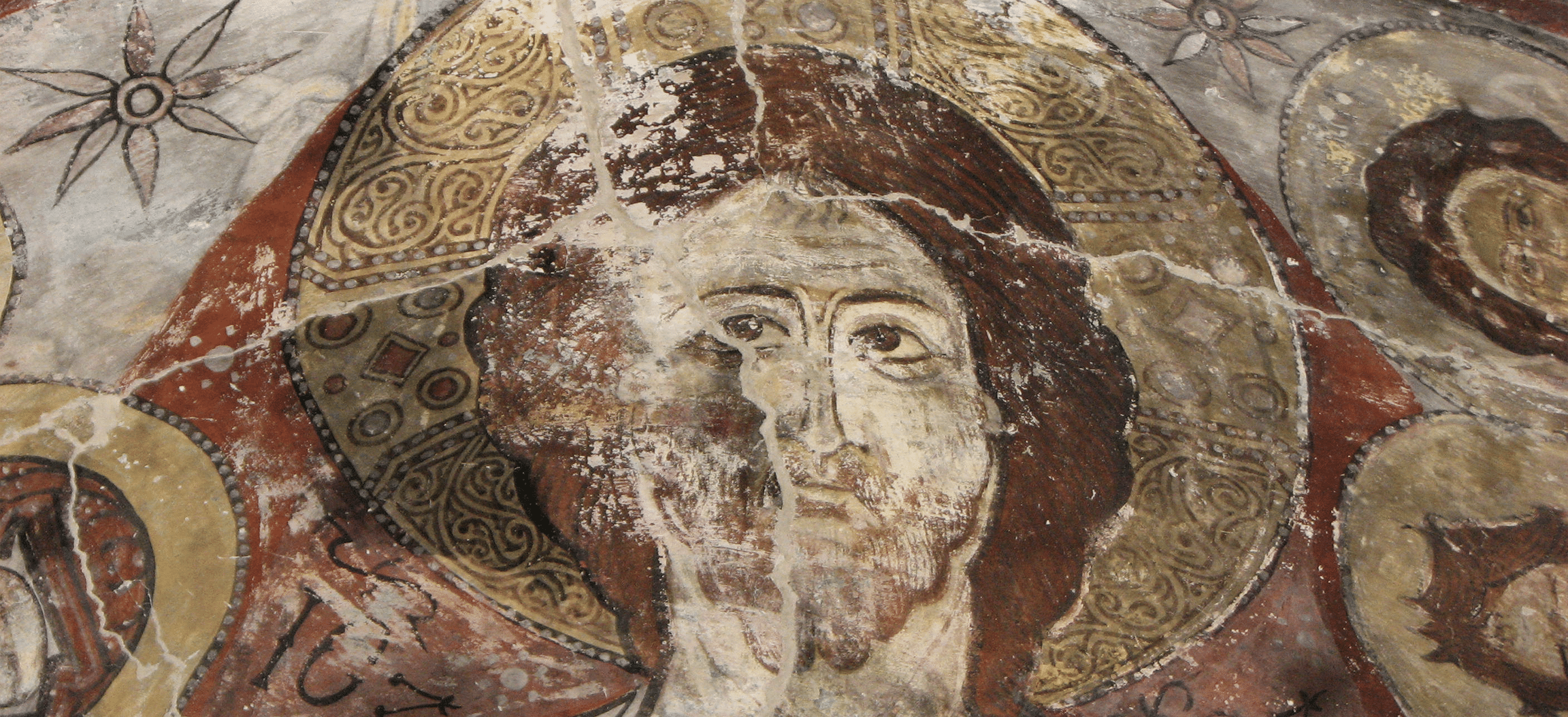
The church was decorated with murals from the very beginning of the 11thc. Unfortunately, very scant fragments of these paintings are preserved in the diaconicon and prosthesis, mostly comprising ornamental bands, as well as a few figures: e.g. the figure of the Prophet Zachariah with an accompanying Georgian inscription. Both the paleography of the inscriptions and the style of the painting reveal many common features with murals from this period in other regions of Georgia, namely Tao-Klarjeti.
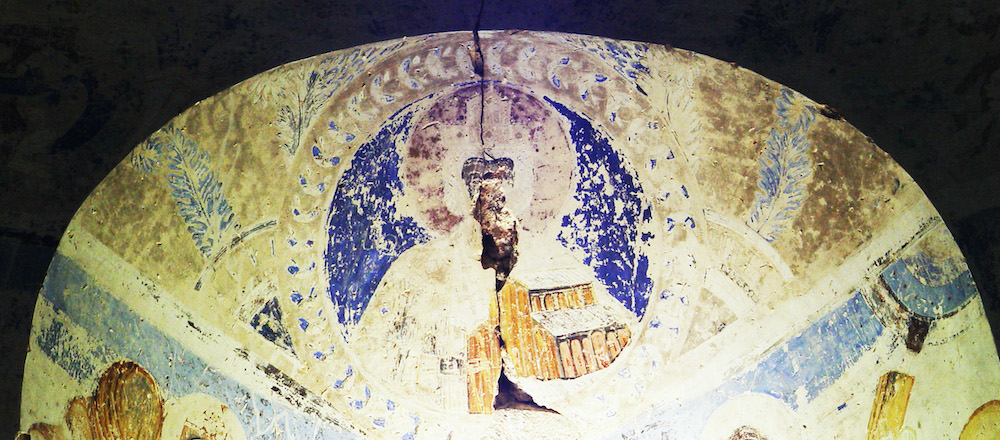
The Tenth Century Murals of Otkhta Ekleisia Church (Dőrt Kilise) in Tao-Klarjeti (present-day Turkey)
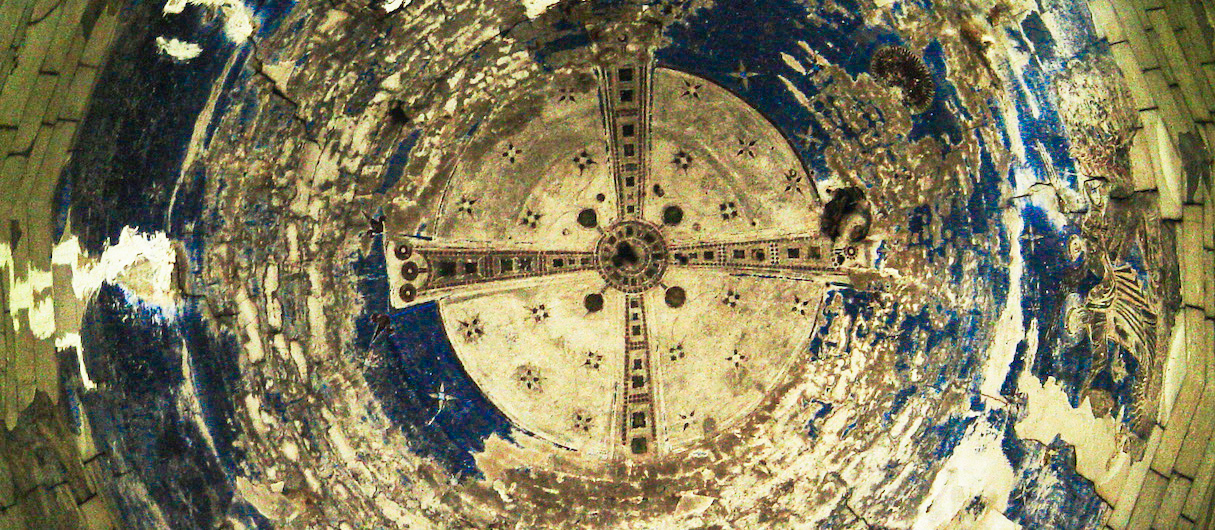
The Tao-Klarjeti region, which is located in what is now north-eastern Turkey, used to be one of the most prominent political and cultural centres of medieval Georgia, especially in the 9th –13th cc. The history of these monuments is closely linked to one of the most important moments in the history of Georgia – namely the upsurge of a strong movement aimed at unifying the Georgian kingdoms and principalities was initiated in this very region in the 9-10th cc.
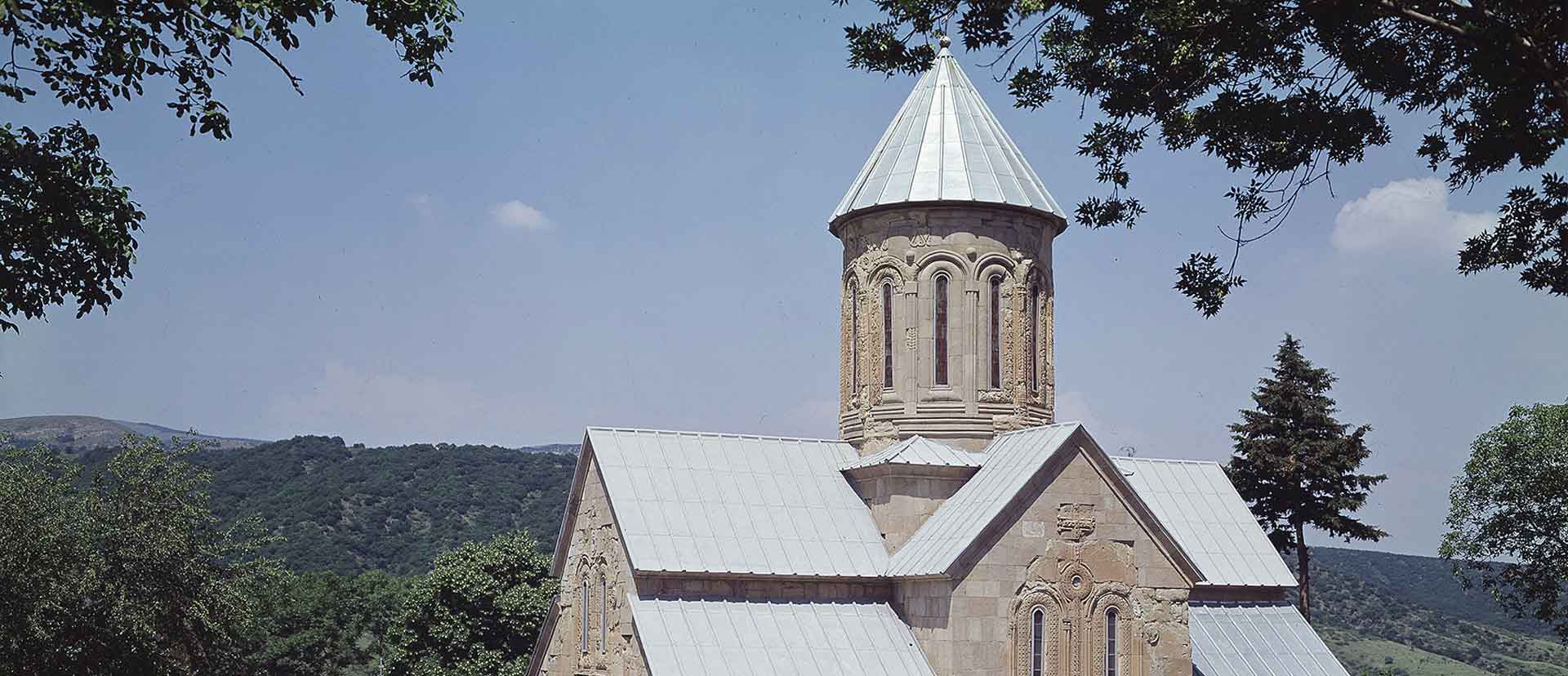
Betania monastery is located in the valley of the River Vera, not far from Tbilisi. The monastery was founded in the 11th century by the powerful Orbeliani family, and became a shrine for its members.
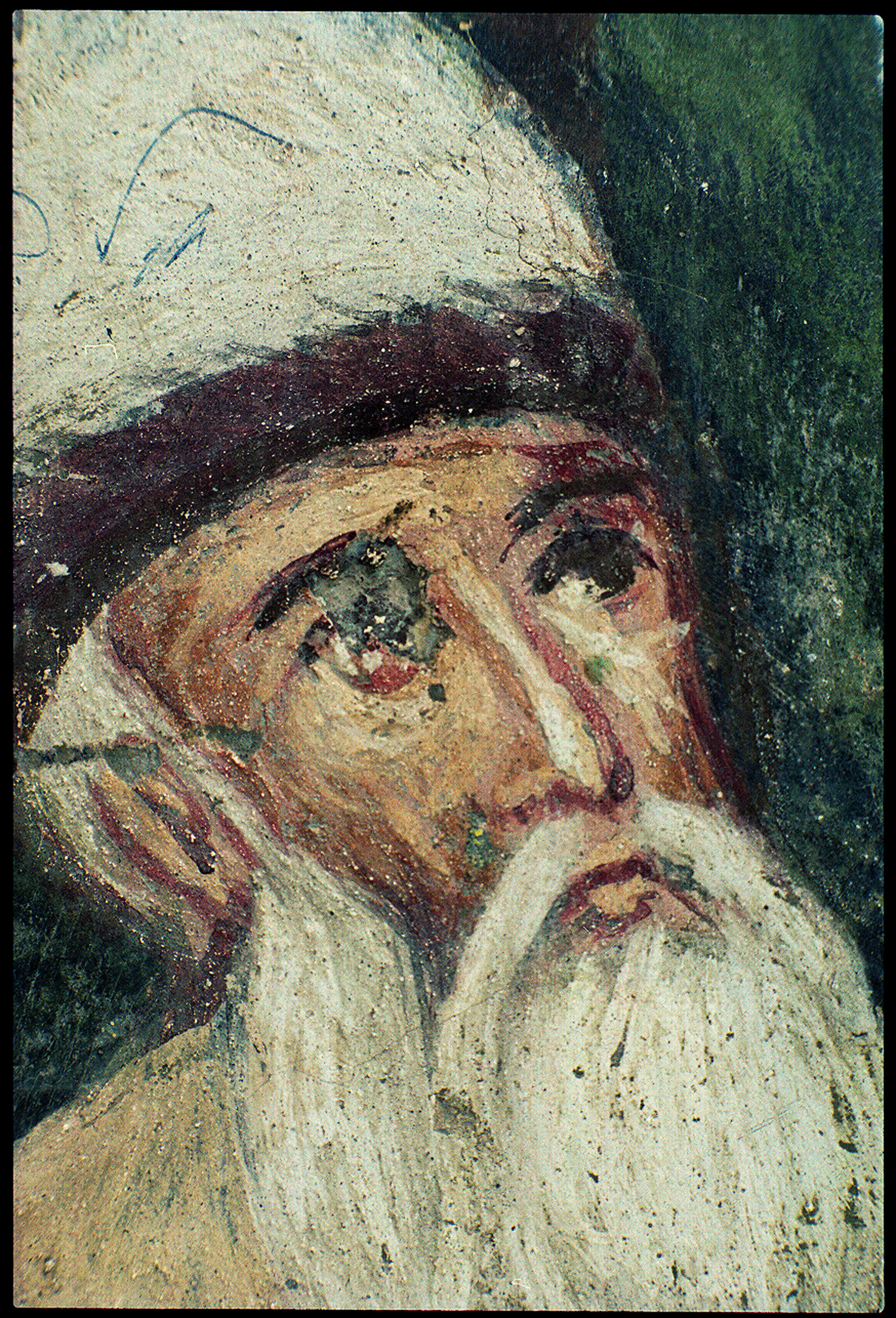
The Holy Cross Monastery in Jerusalem occupies a special place among the churches and monasteries that have been associated with the activities of Georgians in the Holy Land since the 5th c.
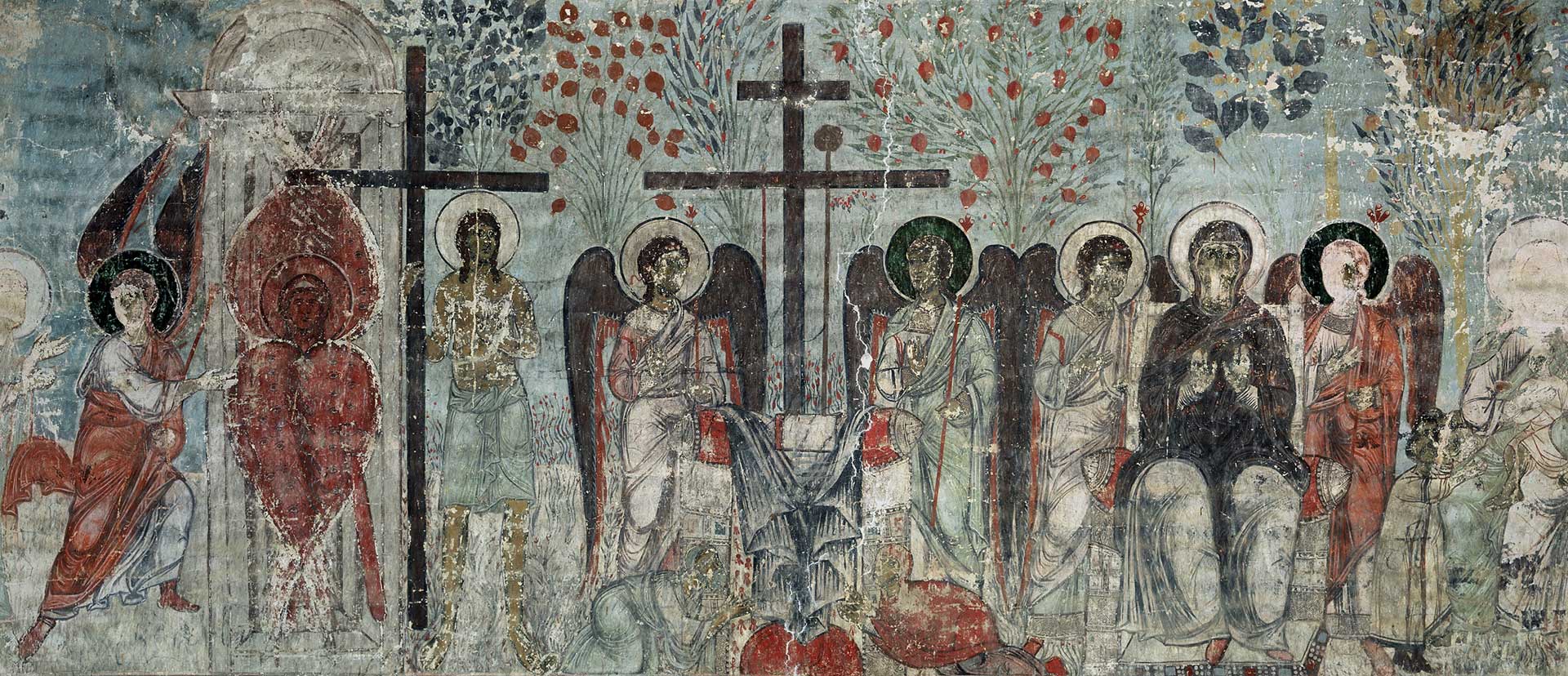
The church of the Virgin at Timotesubani is located on the bank of the River Toristskali in the picturesque Borjomi gorge, not far from the town of Borjomi itself in the historic region of Tori. In historic sources the monastery is referred to as Kimotesmani and was founded by Shalva Toreli, eristavt-eristavi, the chancellor of Queen Tamar.
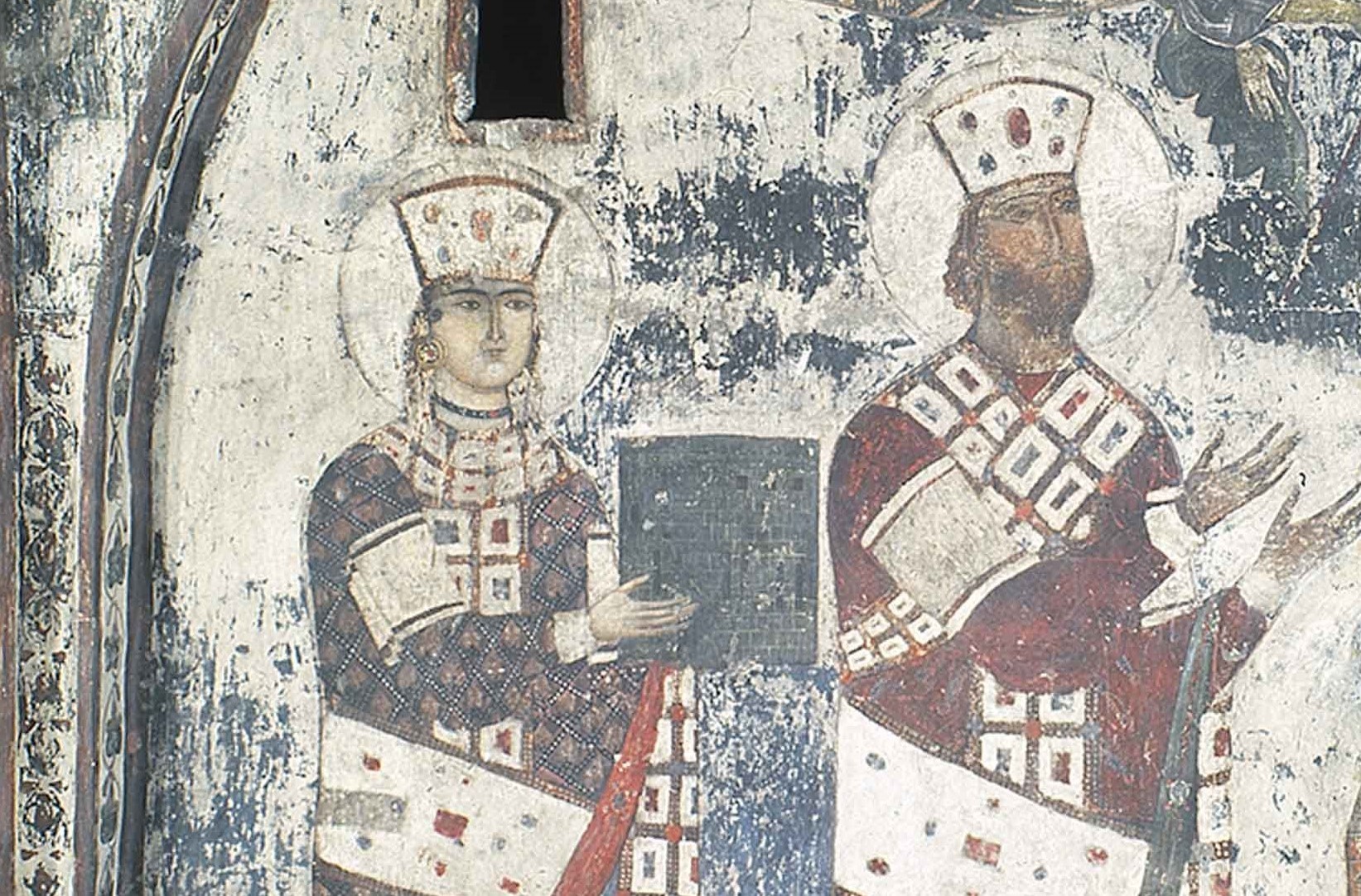
Vardzia’s rock-hewn architectural ensemble is situated in historic Javakheti, South Georgia, on the left bank of the river Mtkvari. It served as fortification, as well as religious and habitation purposes, and has outstanding artistic and historical significance.
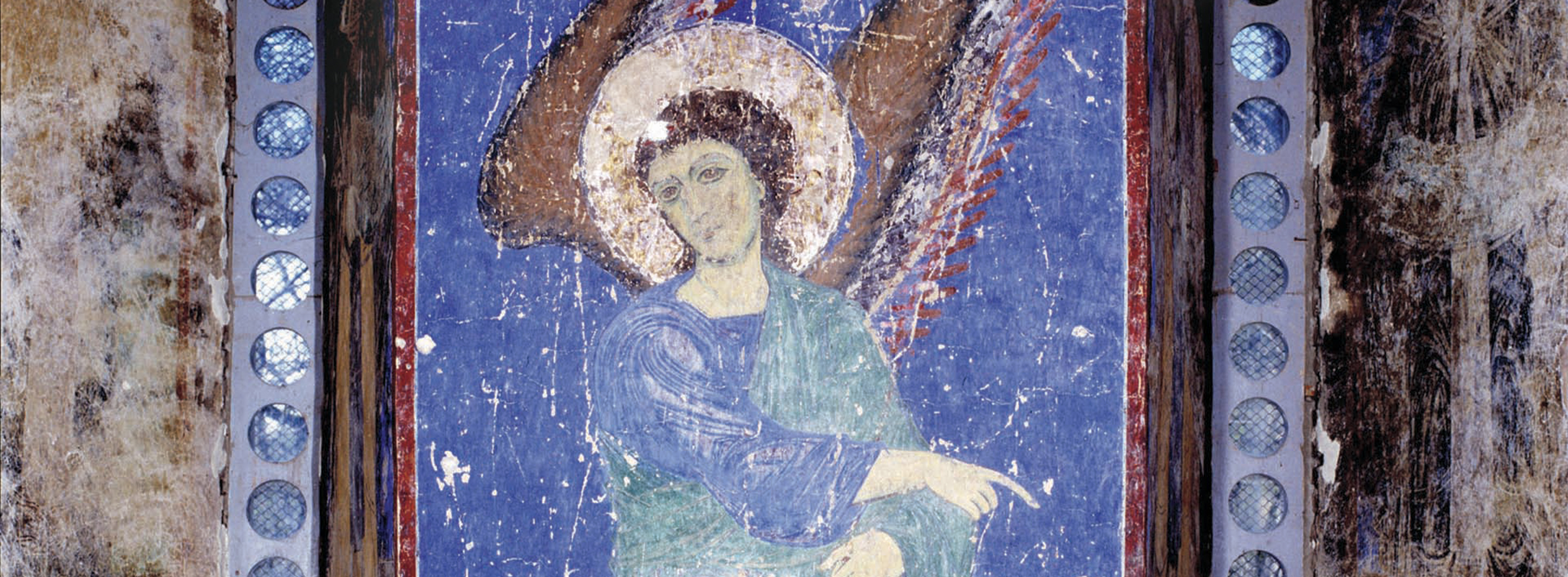
St. Nicholas church, a cross-dome brick construction, was commissioned by Antoni Glonistavisdze, Archbishop of Tshkondidi and Mtsignobartukhutsesi (the chancellor) of Queen Tamar, in the early 13th c.