

- Sort by
- Date
Feel free to add tags, names, dates or anything you are looking for



Feel free to add tags, names, dates or anything you are looking for
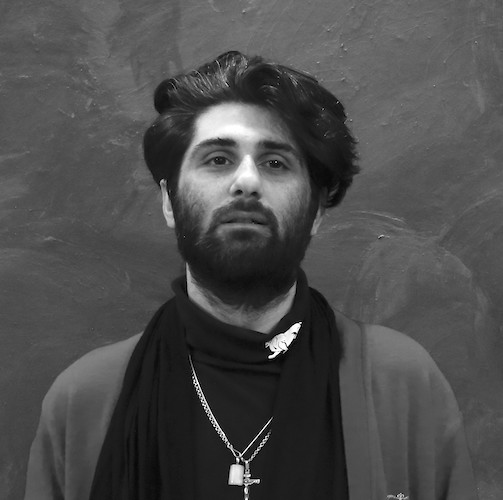
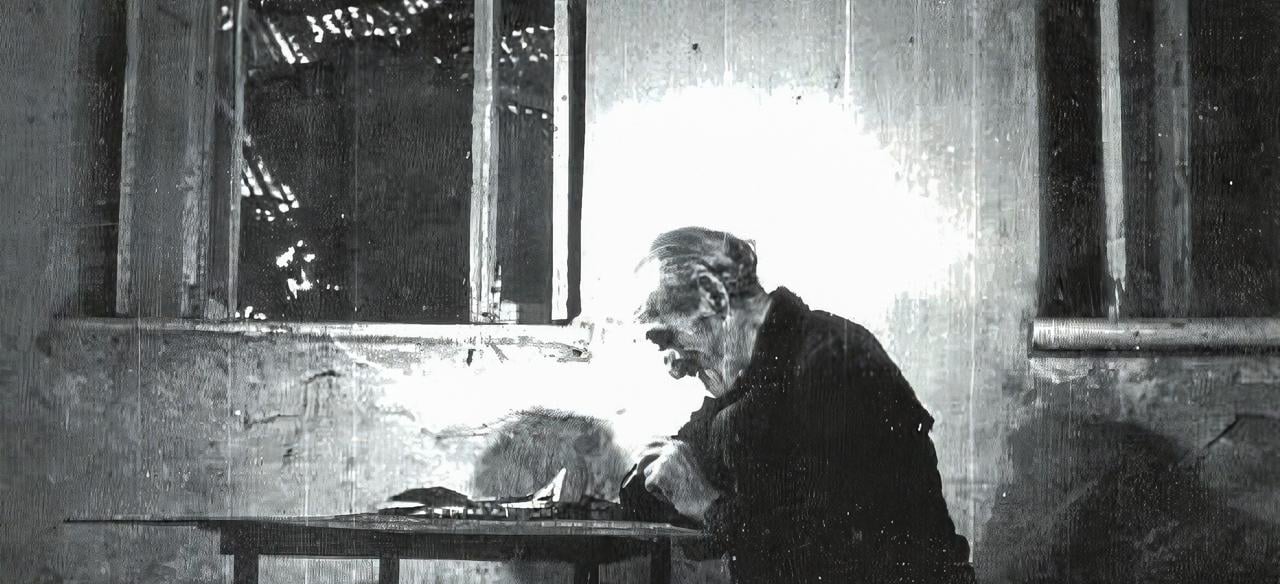
Georgian primitivism is often associated with Niko Pirosmani, although his work cannot be confined to that single category. His art engages with much broader pictorial traditions, and its uniqueness extends far beyond what is usually meant by naive or primitivist painting.
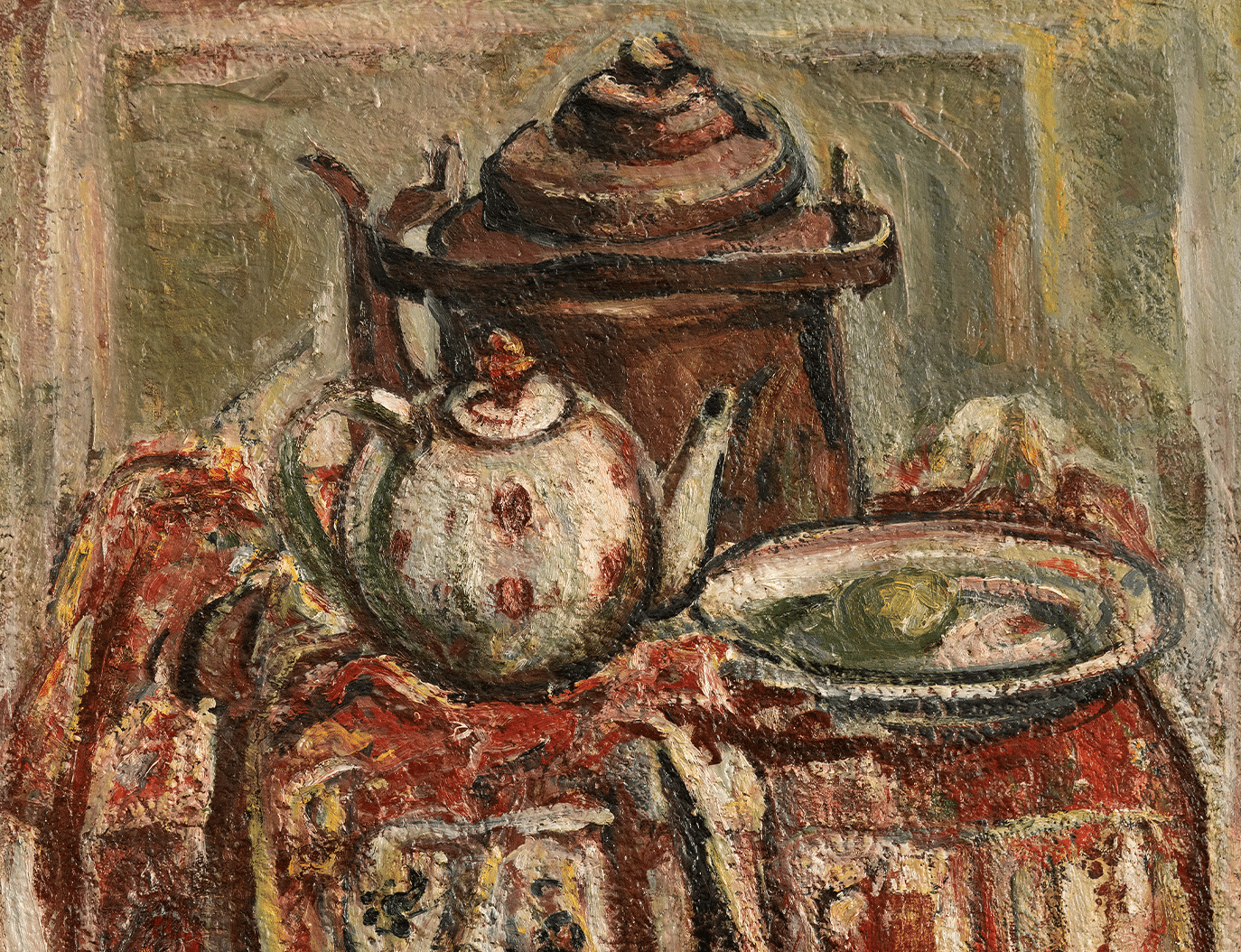
Albert Dilbaryan, known as Dilbo, emerged from the generation of the 1960s. His pictorial mise-en-scènes, shaped by a melancholic yet romantic worldview, stand apart from both the dominant styles of his contemporaries and the broader post-Stalinist canon. Though he never openly opposed Soviet ideology, Dilbo remained a quiet dissenter within his own “artistic shell.” For him, depicting unrealistic or fantastical imagery became a means for escaping the constraints of a collectivistic society.
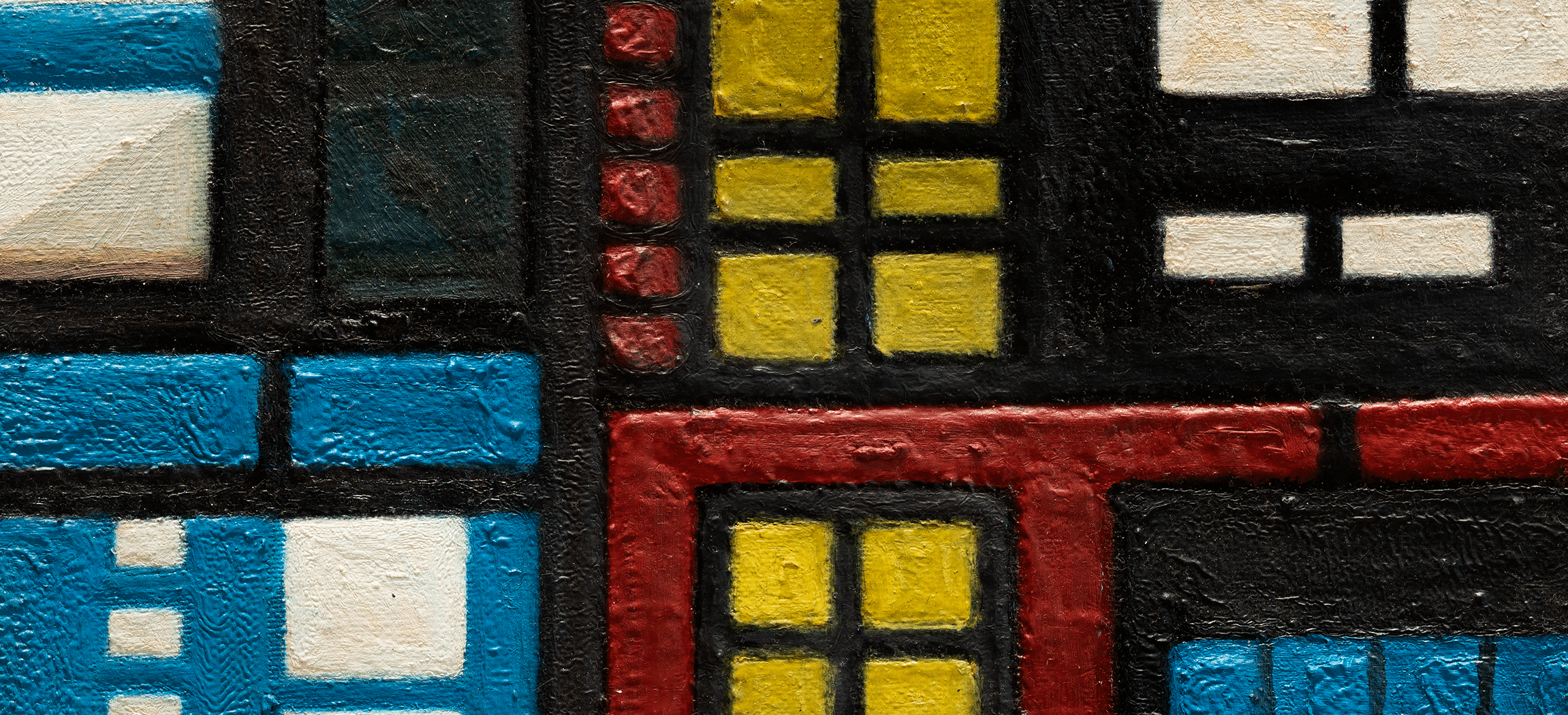
Avto Meskhi seemed to exist in a world of his own, like an “Angel of Base,” or a duende wandering among the ruins of avant-garde art. It is difficult to classify him within any specific style, or to assign him a fixed place in Georgian fine art. The clichés of “unofficial” or “nonconformist” art feel too inadequate—too superficial to capture the depth of his practice. His artistic matrix transcends both stylistic boundaries and established artistic processes: he seemed to exist in a state of constant existential suspension.
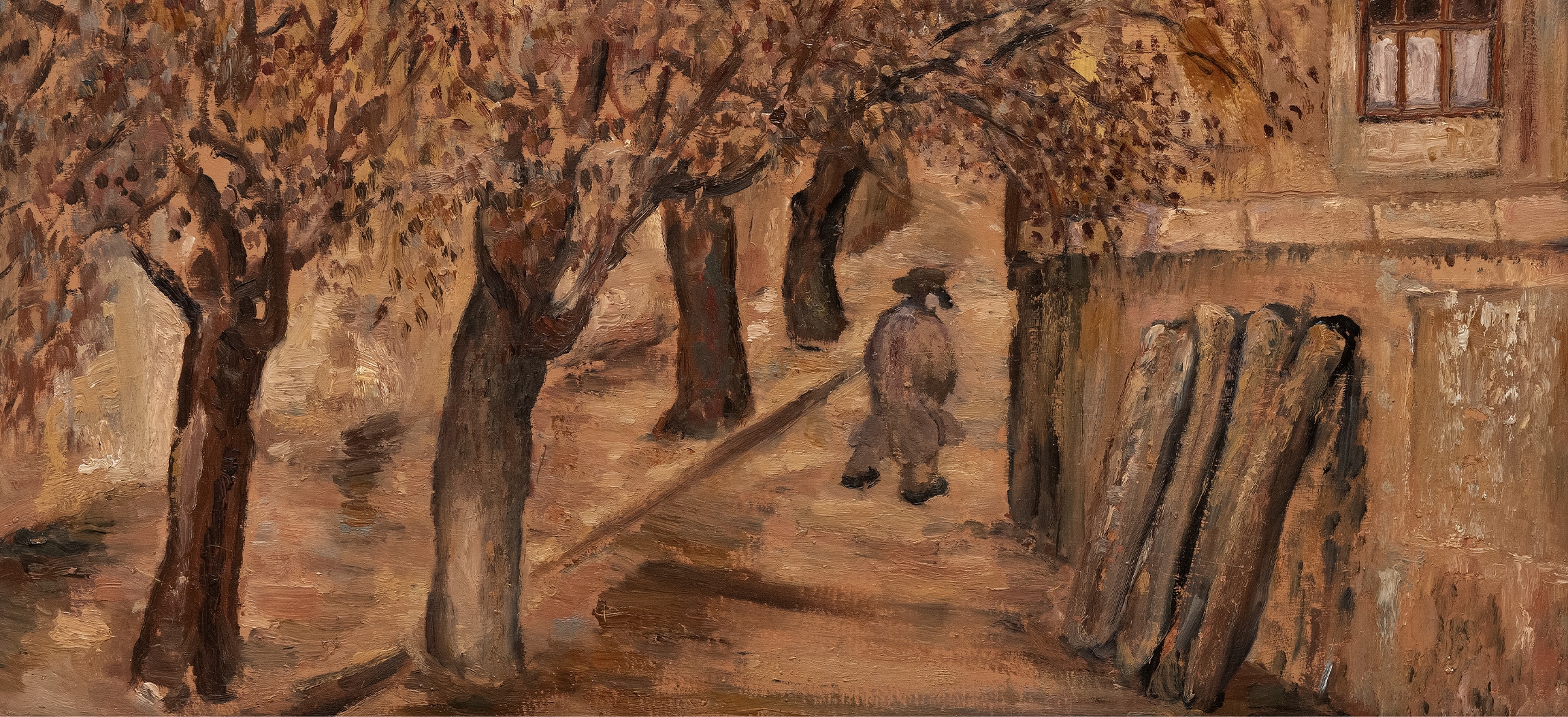
Temo Japaridze is one of the most prominent representatives of Georgian Soviet art. Although he belonged to the generation of the 1960s and 1970s, he greatly differed from his contemporaries in his courage, exploration of existentialism, intuitive coherence in relation to time, and immense individuality. From the 1950s to the restoration of Georgia's independence, several Soviet artists experienced "artistic crucifixion" or "Golgotha."
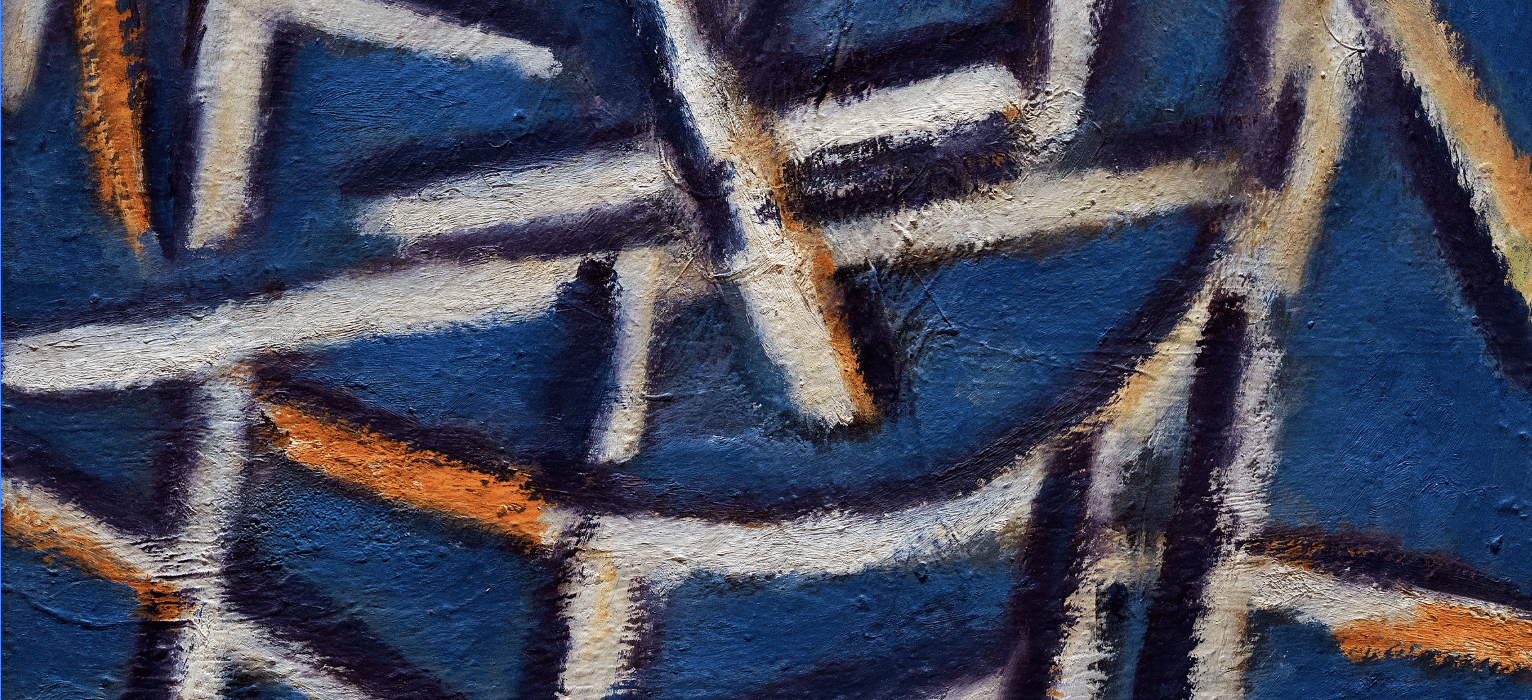
Sergo Chakhoiants belonged to the generation of artists of the 1950s, though it wasn’t until the 2000s that he gained recognition. His son, Alexander Chakhoiants, shared that the artist's lifelong dream was to hold a personal exhibition, a goal that remained unfulfilled. Sergo was deeply committed to his painting, spending more time in his studio than at home. His wife, an art critic, believed in his talent, and when Sergo was working, she often told their children not to disturb him. He never thought of his artistic subjectivism or distinctive style as exceptional, and often justified it to his family that he could not paint in any other way.
.png)
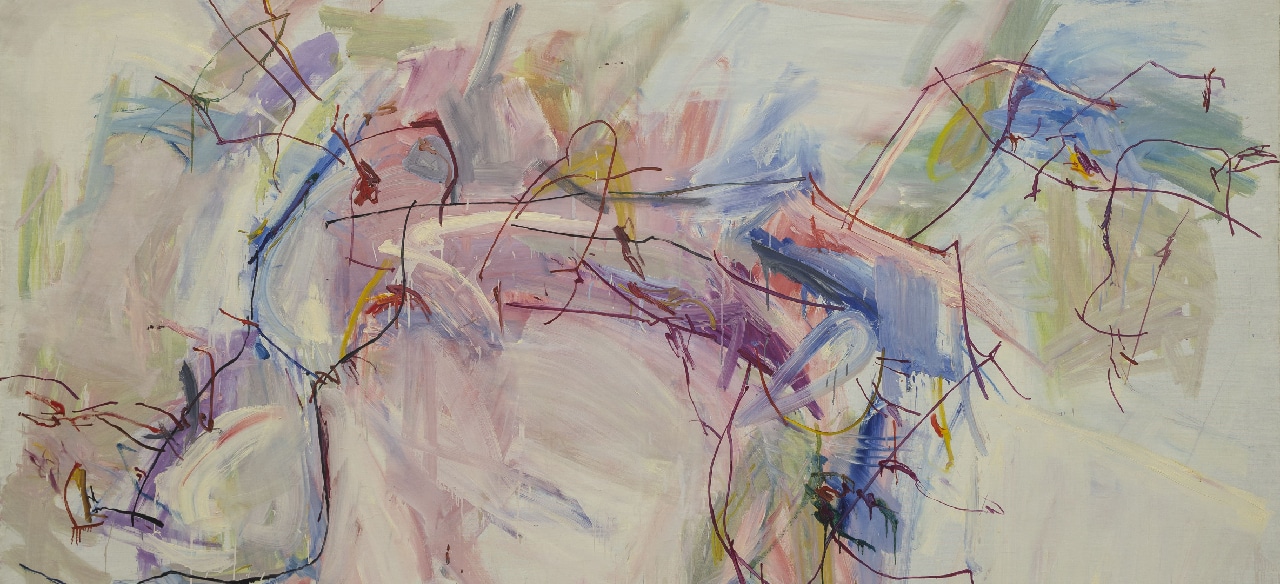
One of the most prominent representatives of abstract art, Wassily Kandinsky, said “The more frightening the world becomes…the more art becomes abstract.” In Europe of the 1910-20s, abstract or objectless art served as a “preface” to the First and Second World Wars, while in America of the 1940-50s, it was a post-traumatic condition caused by WWII, which also played a transitional role in postmodernism. In Georgia, abstraction emerged as a post-traumatic response to Stalinist art and as a “prophetic” expression of the country’s independence, against the backdrop of the civil war.
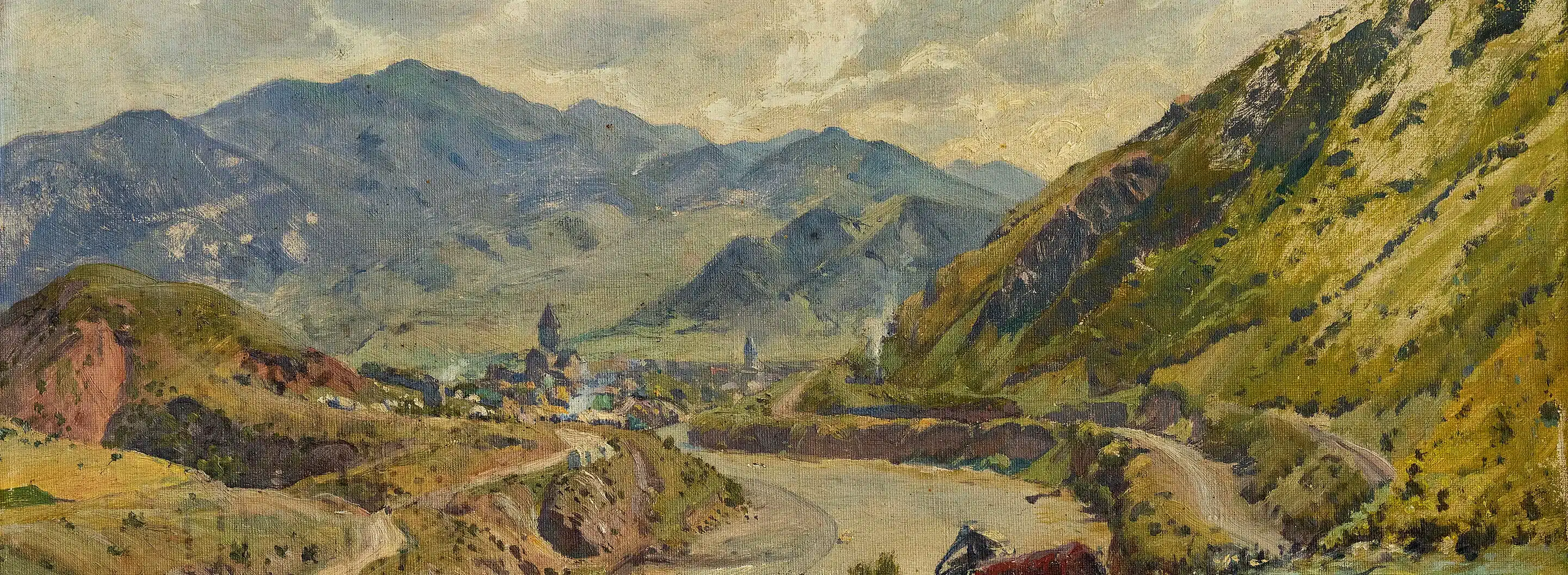
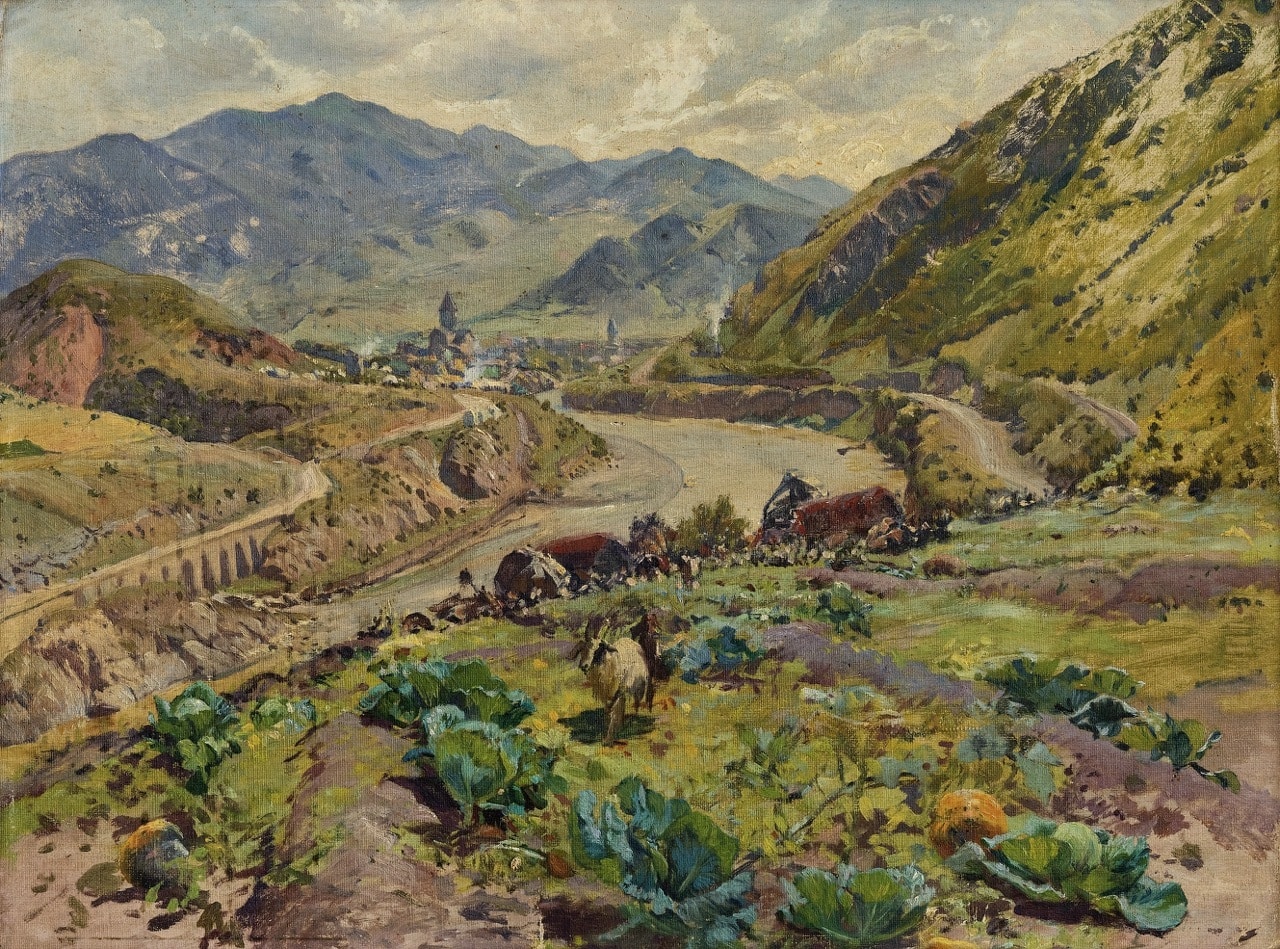
From the 1880s to 1910, a new stage began in Georgia’s fine arts development, propelled by professionally educated artists of the older generation that "gave birth" to modern Georgian secular painting. It was a move that partially broke the link with the Tiflis feudal, oriental, and portraiture painting school, which ceased to exist in 1880.
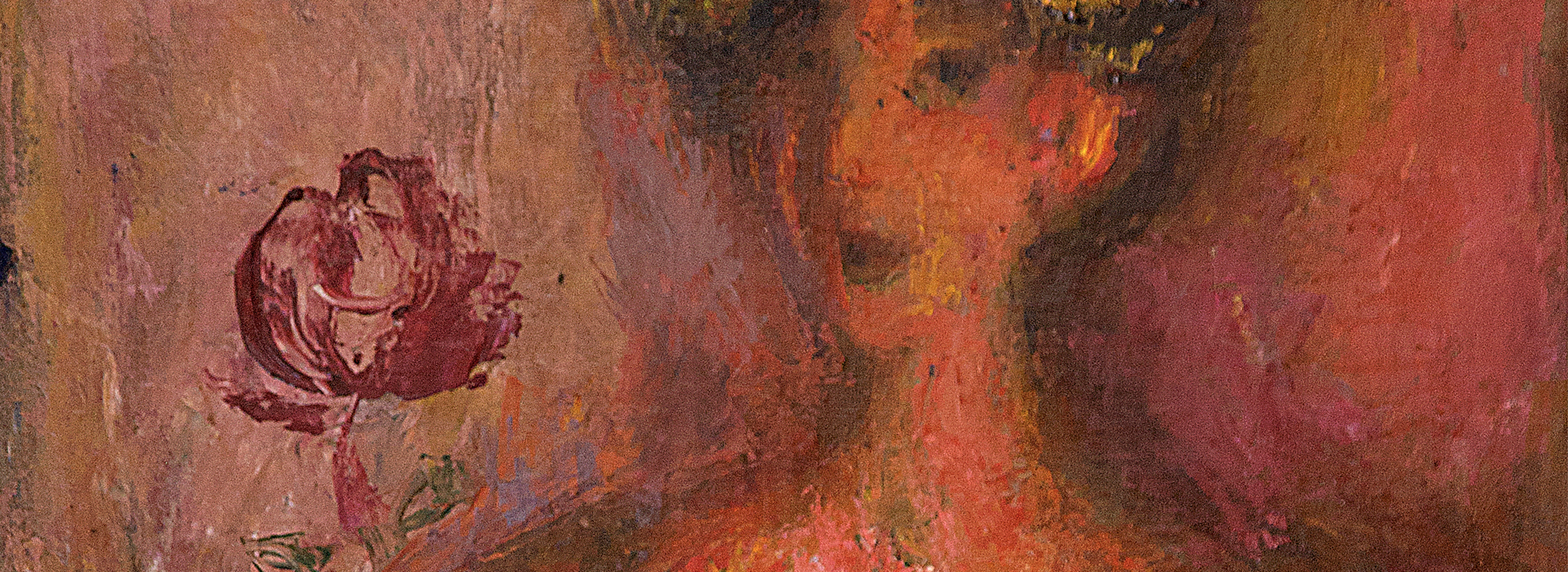
Esma Oniani's creative and personal worldview is based on an empirical exploration of pain, sadness, and vanity. In different languages, the word "worldview" presents peculiar linguistic transformations. The Germans, for example, express this idea with the term "Weltschmerz" (world pain), which refers to perceiving the world through spiritual pain. In Oniani’s creative work prevail epistemological beginnings based on cognition and ontological being. Man, as the central value in the world, shapes its cognitive existence. This principle is revealed in the anthropocentrism of Oniani’s poetry and painting, where every color, and everything – painting and word – are grounded in human emotions and expressiveness.
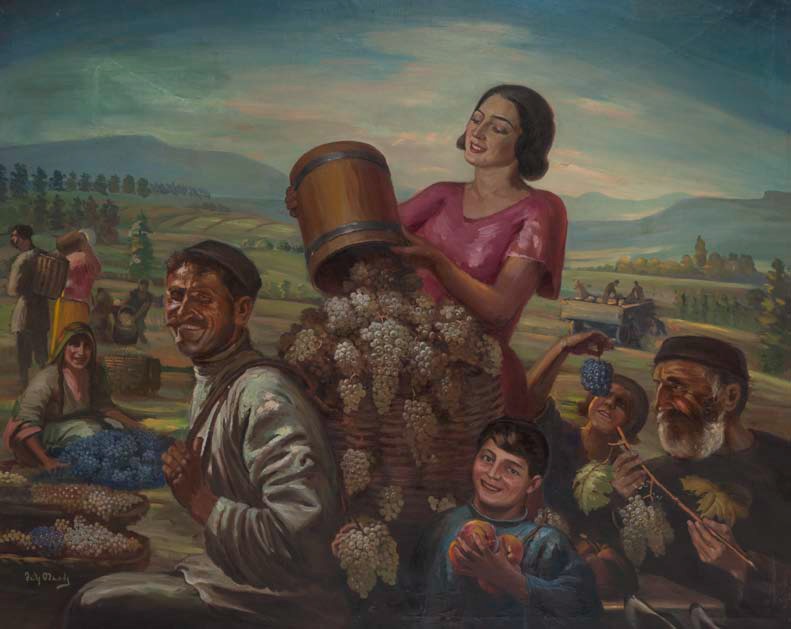
The formation and evolution of socialist realist art in Georgia commenced during the 1930s and 1940s. However, its ideological foundations in Russia were seen between 1922 and 1932. Critical realism (peredvizhniks), constructivism, neoclassicism, and French classical realism conditioned the eclectic visual language typical of socialist realism and its utopian ideology.
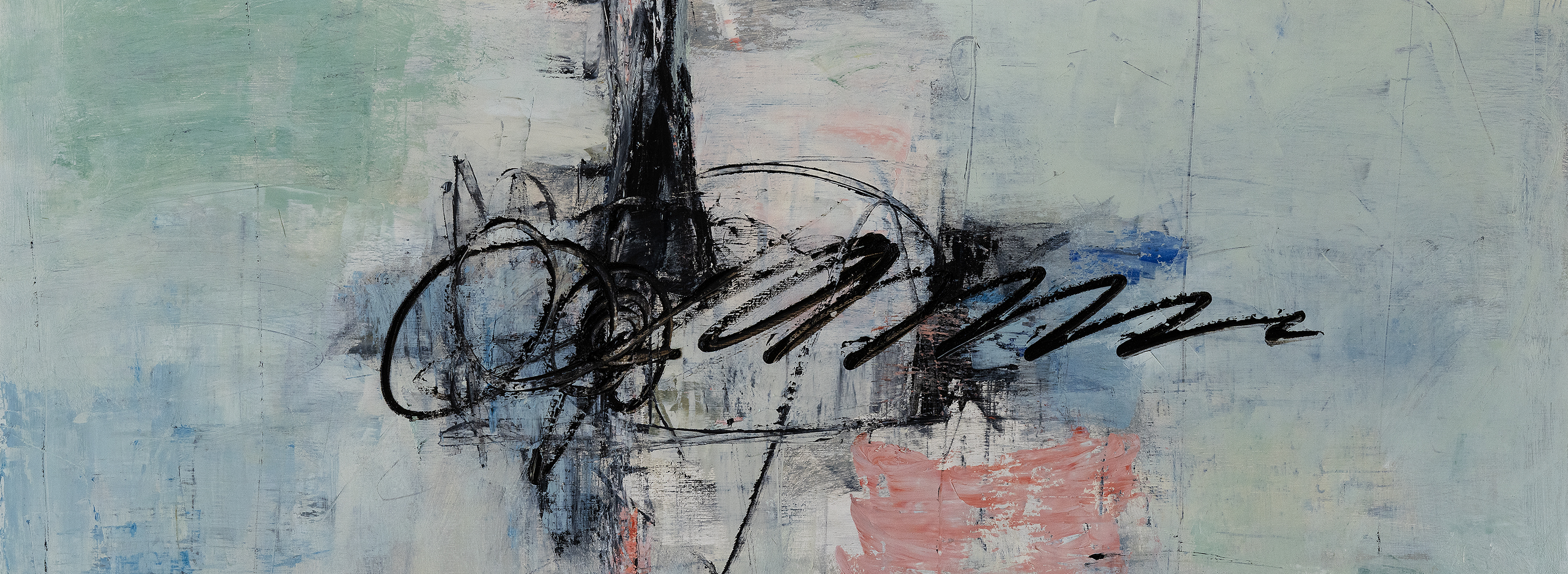
In Leila Shelia's artwork, one can discern distinct elements of separation, irreversibility, and irrationality. These elements emanate primarily from the powerful feminine characteristics that stand in contrast to more traditional masculine traits that are often to be found in Georgian art. This contrast is not aggressive, but rather transgressive in nature. The central theme revolves around an unending diary that is crafted with feminine sensibility and intuitive impulses. In the diary, the pages are in the form of painterly canvases, which serve as a unique testament for breaking free from the rigid constraints of the largely male-dominated Georgian art scene.