.jpg)


- დახარისხება
- თარიღი
დაამატეთ სახელები, თარიღები ან ნებისმიერი ველი



დაამატეთ სახელები, თარიღები ან ნებისმიერი ველი

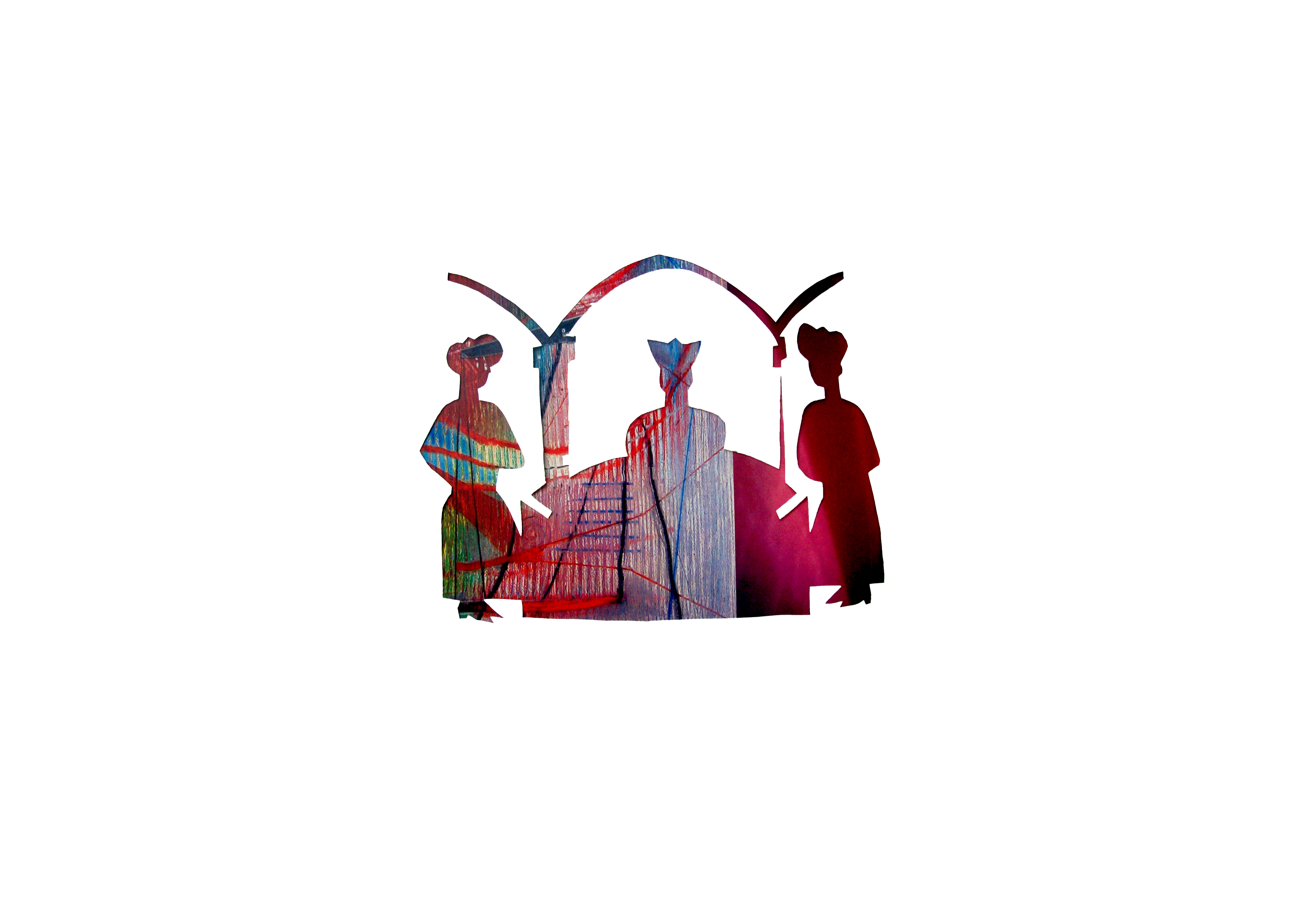
The Knight in the Panther's Skin — Artist's Book, featuring artworks by fifteen contemporary Georgian artists, was published back in 2015 and presented at the National Gallery in concurrence with an exhibition of the same works, which are now an official part of the Gallery’s permanent collection.
.jpg)
The Last Supper by Giorgi Kobiashvili is symptomatic of this epoch. In the picture, electronic information in the form of a neon wire, similar to the graphic line of a cardiogram, is directly incorporated into the structure of the composition, and the history of iconography gives way to iconological interpretations. The easily recognizable iconographic model developed by Christian art has been rendered as a mere scheme.
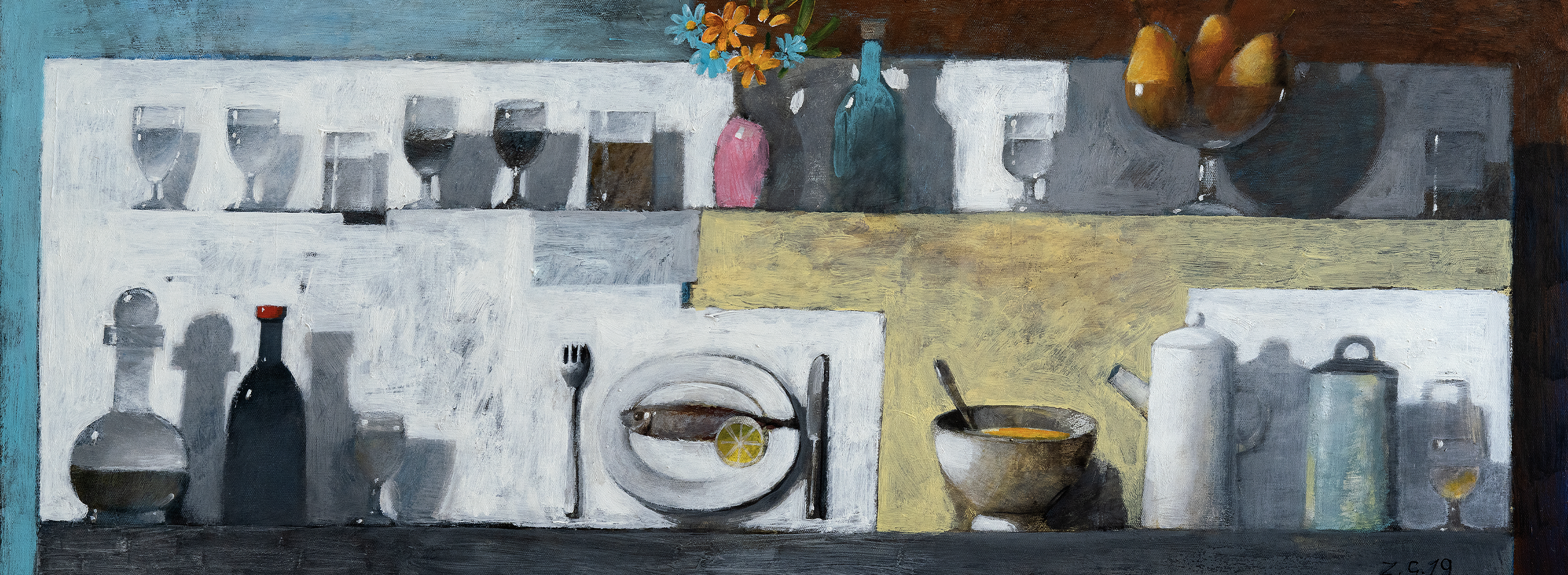
The window is a standard feature of his compositions, not only of this one. In general, the window theme has a conceptual significance in his painting. The world seen from a window is associated with different moments from his biography, with landscapes, moving people or animals, and various items placed on the windowsill. They seem to function as memory repositories, and hold determinate stories.
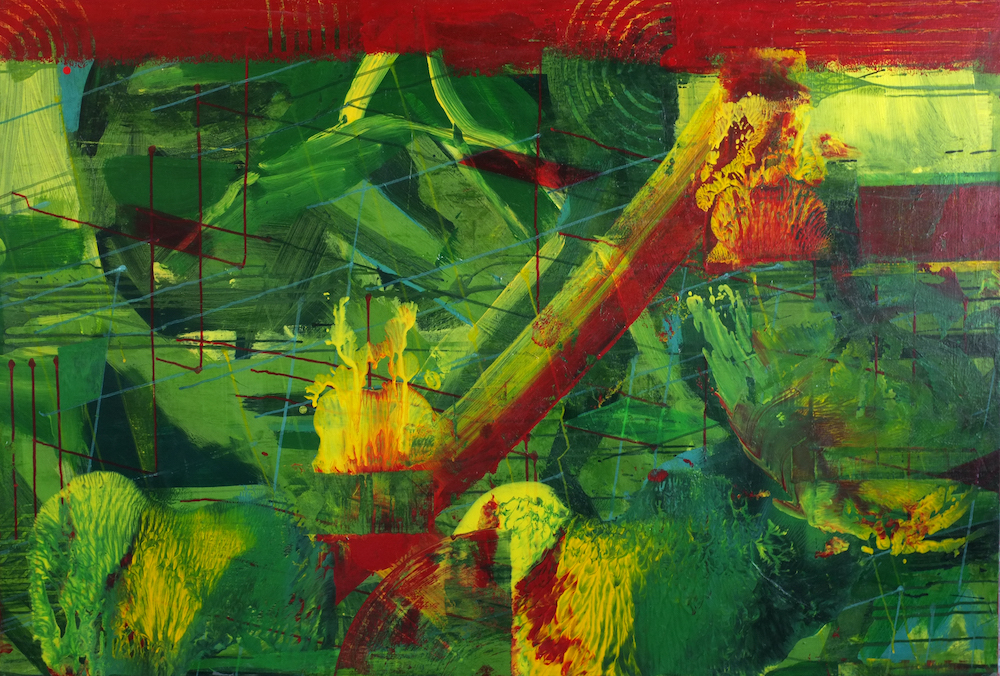
Koka Tskhvediani: "painting for me is not subject to explanations. It has a strong spontaneous energy, which was characteristic of the Abstract Expressionists; although today abstraction has acquired other meanings. My career as an artist began in the 1990s, during the crisis period of post-Soviet Georgia.
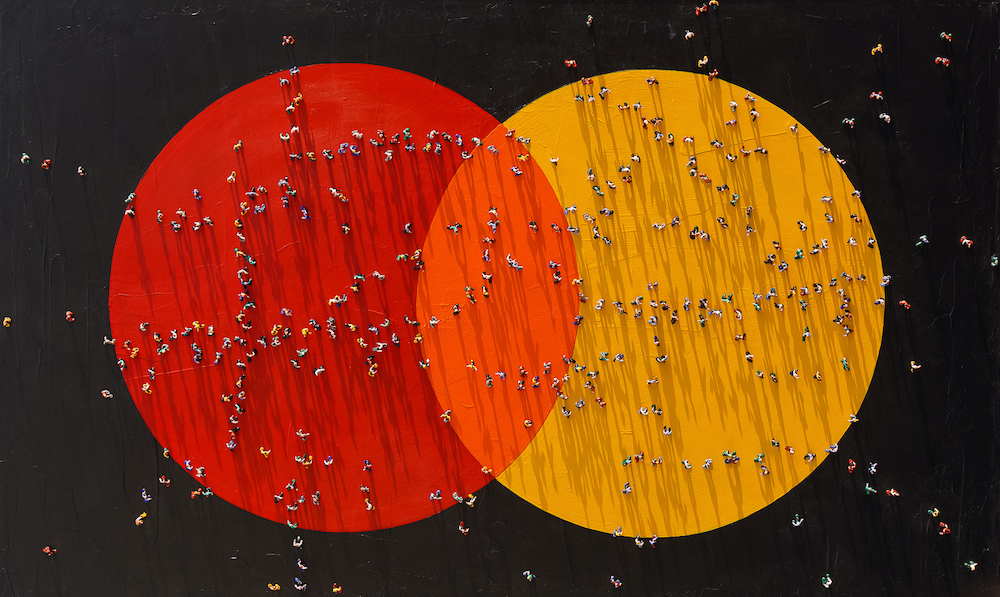
Merab Surviladze loves producing contrasts in scales, perspectives, textures and volumes. This time the contrast is more ironic than in his other earlier works because the image of the well-known brand, whose laconic and colorful logo should radiate only positivity – giving the impression that life is enjoyable and creating a sense of stability – here appears "suspicious" and resembles a field of chaotic movements.
.jpg)
Levan Mindiashvili is a Georgian artist currently residing in New York. In his artistic research, existential issues are constantly related to specific locations, the peculiarities of cities, the language of architectural textures, and forms of self-expression among cultures and subcultures. His visual thinking mostly opts for the format of multimedia installations.
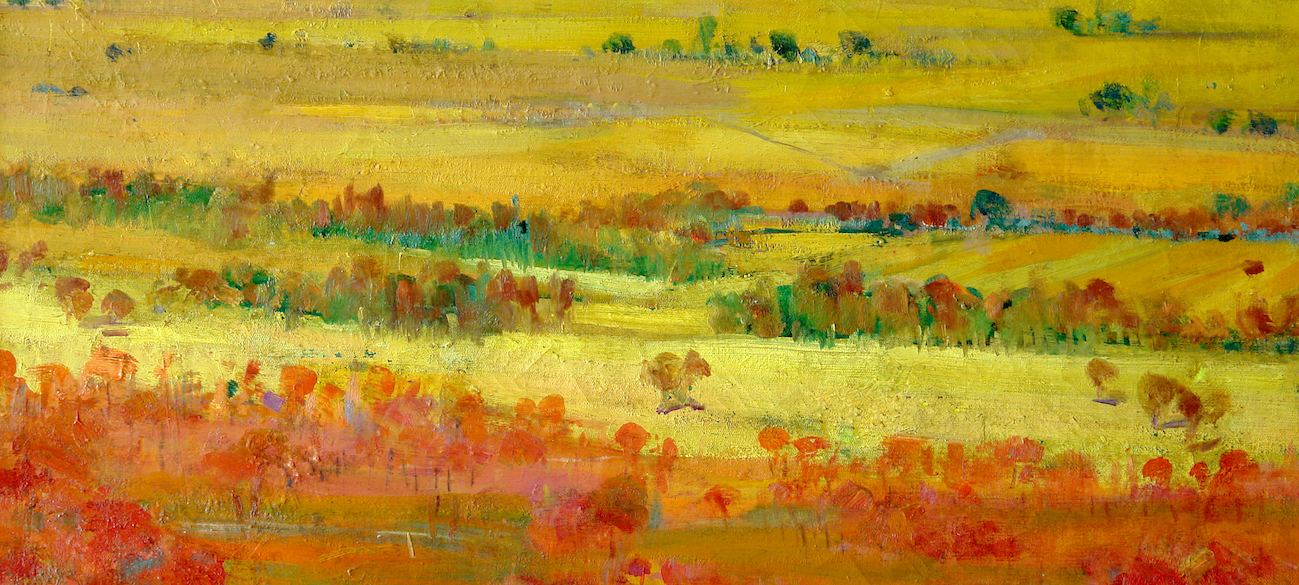
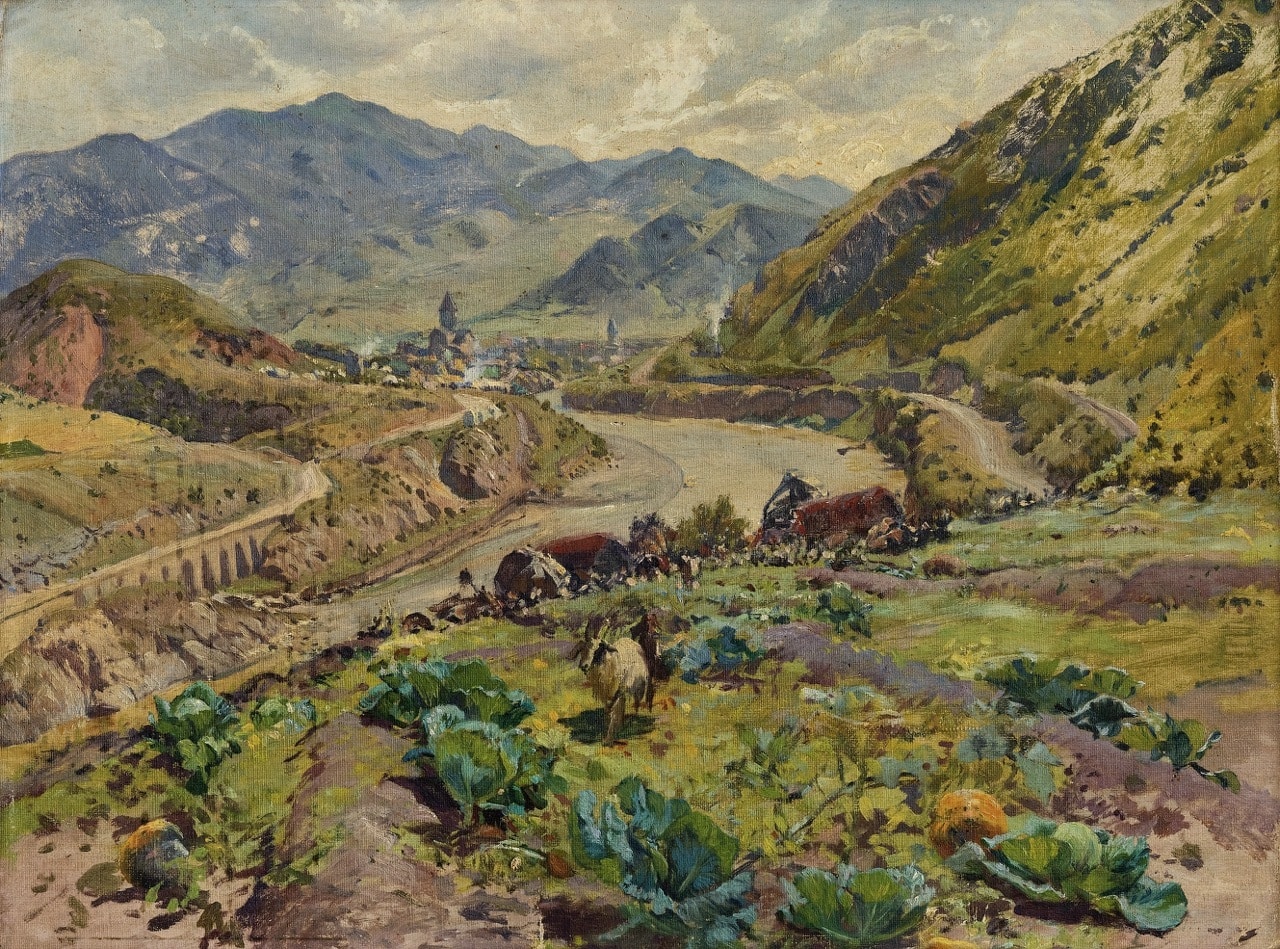
Guram Kutateladze’s landscapes display these encounters along with the emotions he experienced. Here the major focus is on infinity and incompleteness. The landscapes come to life thanks to their flexible shapes and textures that alter under the influence of light.
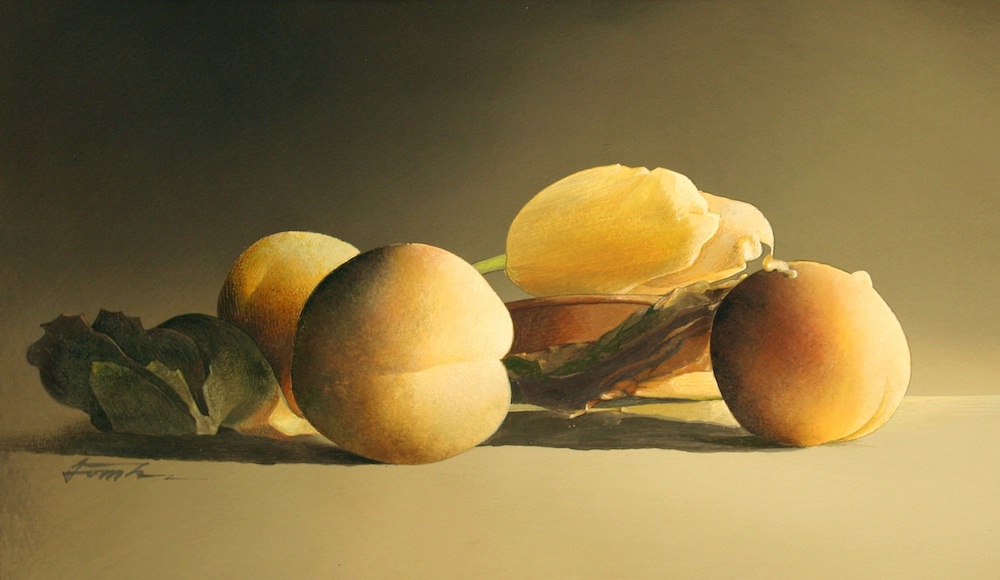
Tengiz Marr's long-term project, a series of still lives, is a kind of simultaneous dialogue with both old masters and representatives of contemporary trends, searching for relations between objects and words in order to discover what the still life genre might mean for contemporary painting, and what techniques can be employed to reflect the creatures of nature and their function for daily human life within the confines of modern consciousness.
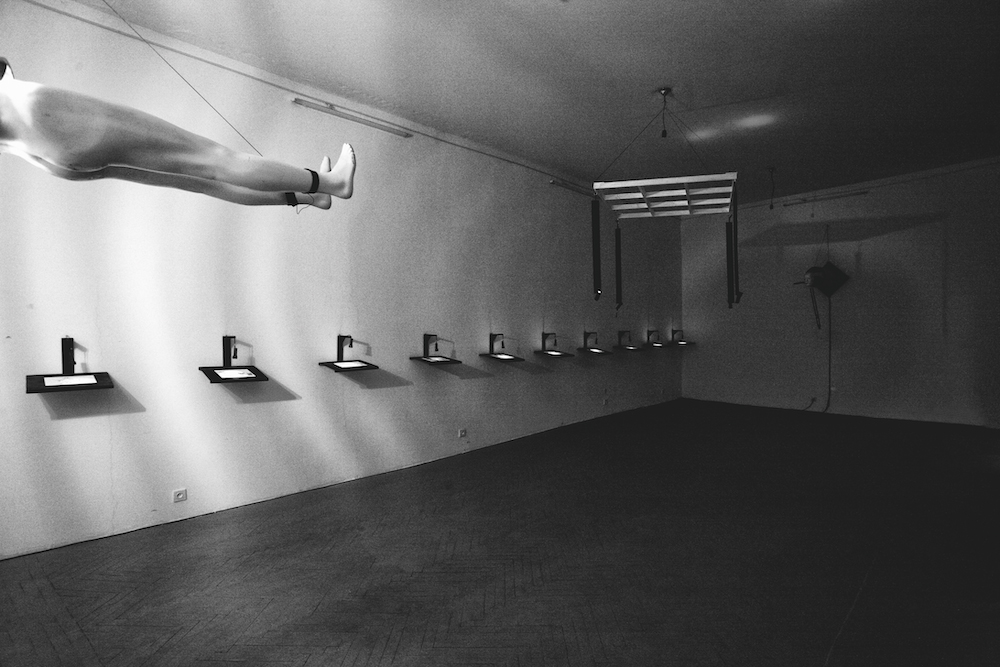
"I frequently think about where the inspiration and energy come from that make me continue working and designing different constructions. I am most of all interested in the topic of space: how a sculpture develops itself and relates to the external world, or how graphic works establish relationships with their internal universes,” - says Tengiz (Sepo) Sepiashvili about his work
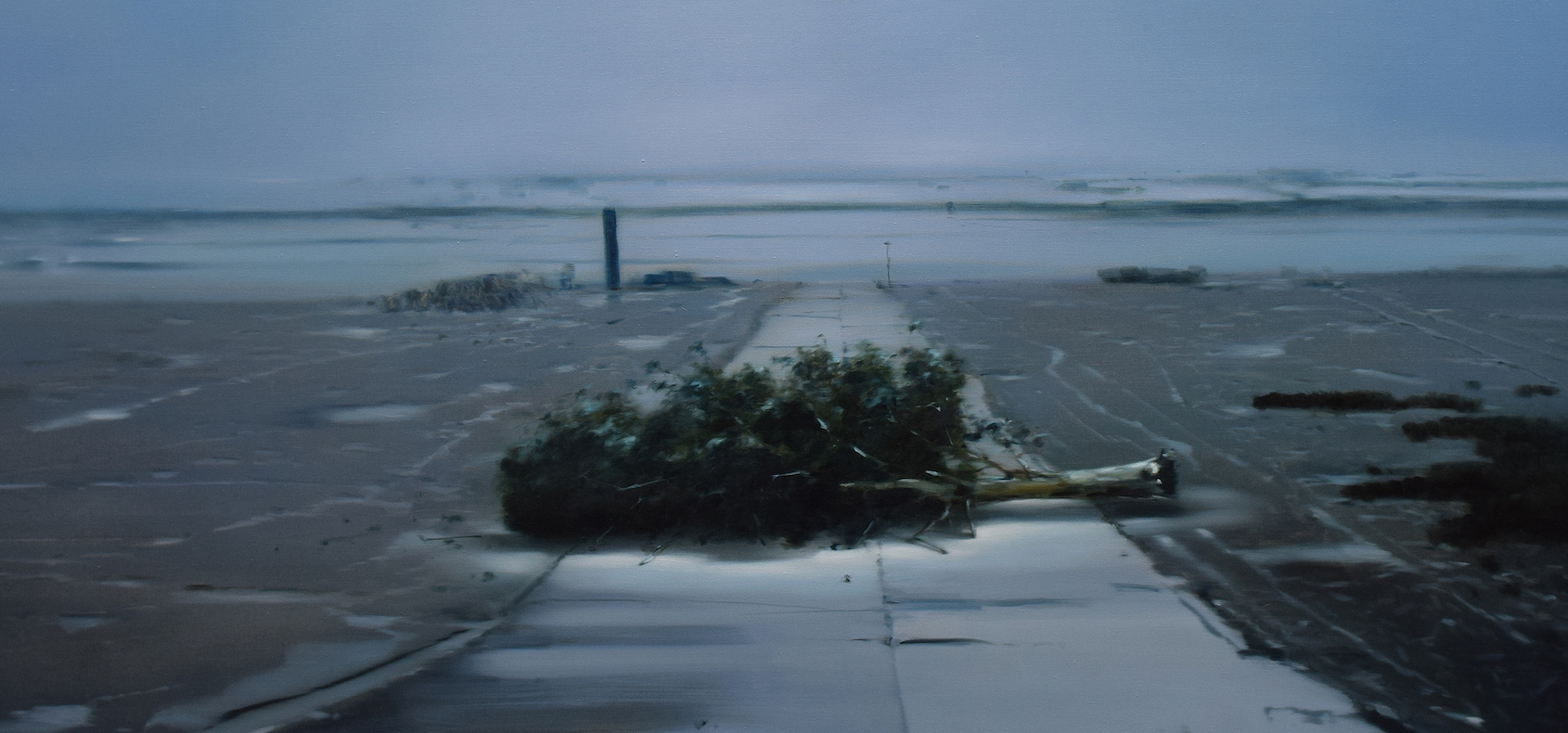
Since the very beginning of his artistic career, Tato Akhalkatsishvili has perceived the landscape as constituting a central component of his works. Akhalkatsishvili's landscapes developed over the years, with the incorporation of various technical and conceptual experiments, and are characterized by certain enigmatic features.
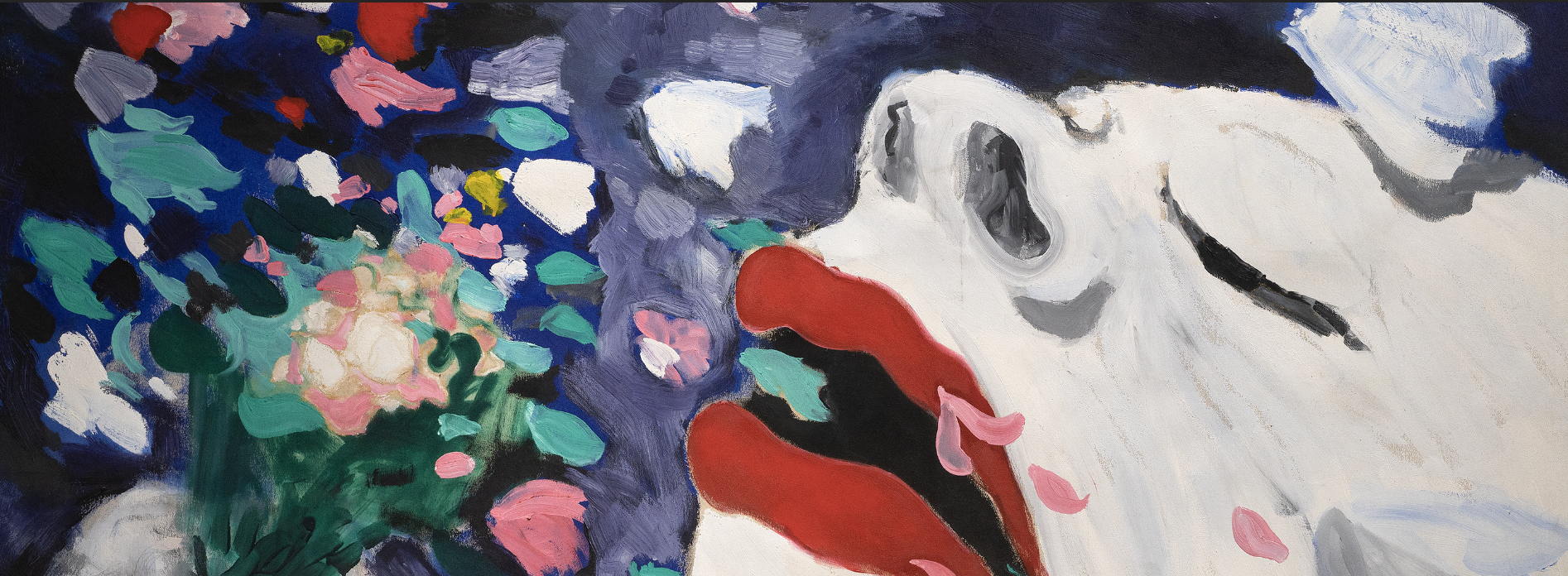
პოეტურ-მისტიკური კომპოზიციები მუდმივი ხაზია ოლეგ ტომჩენკოს მხატვრობაში და პერიოდულად ახალ-ახალი თემებით ჩნდება კოლორისტული ამოცანების, გამომსახველობისა და მიდგომების მრავალფეროვნებაში, მის ყოველთვის მაღალ პროდუქტიულობაში. მისტიკური იკონოგრაფიის ინტერპრეტაციები განყენებულ გარემოში მოსეირნე ზღაპრულ არსებებში, ანგელოსებში, ამოუცნობ მითოლოგიურ არსებებში და ბუნების მედიტაციურ სურათებში ყოველთვის ეგზისტენციალურ საზრისებზეა მიმართული, ადამიანის განცდებისა და გამოცდილებების ველშია და ღიად ჰუმანისტურია.
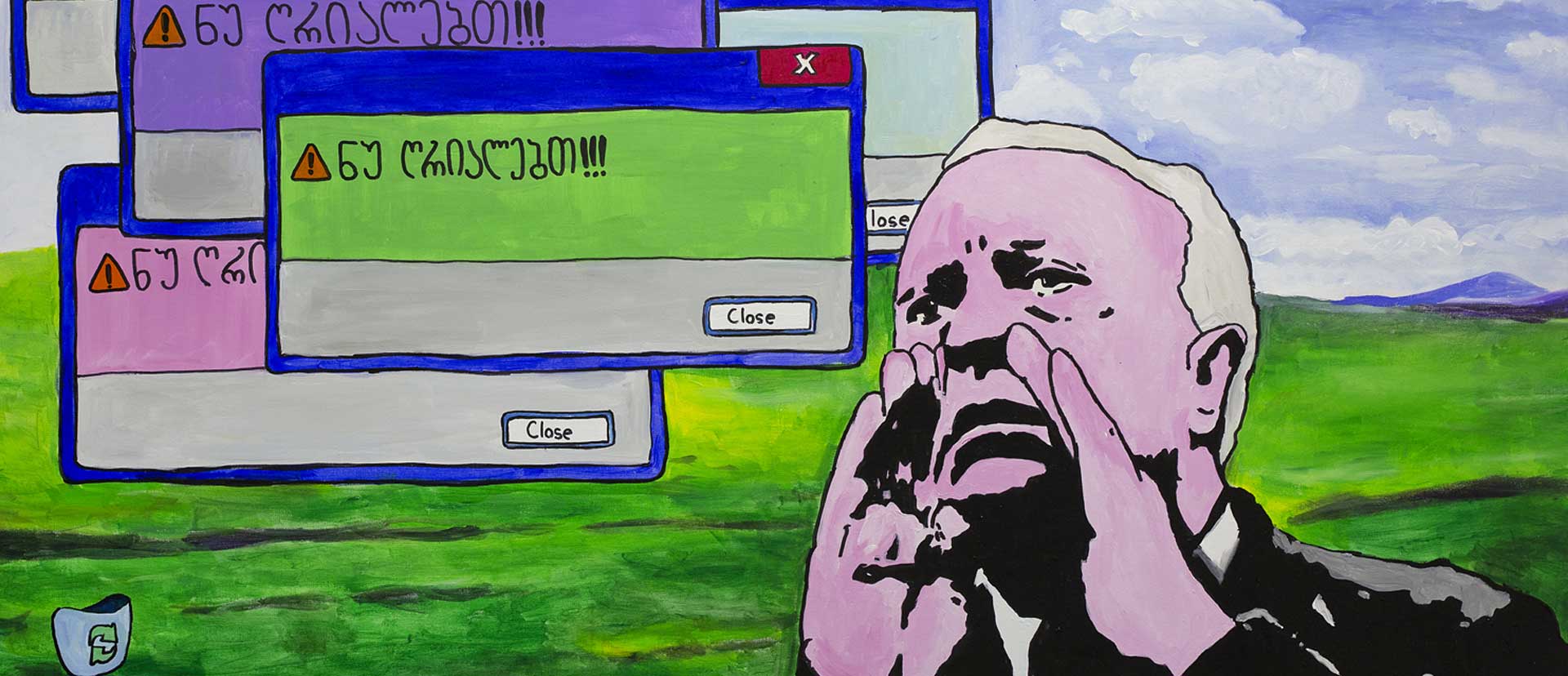
Gagosha – Georgian street artist Giorgi Gagoshidze was born in 1986. He works in different media: poetry, visual poetry, drawing, media art, etc. He studied computer science at Tbilisi University, and graduated with an MA in Technology Administration from Tallinn University of Technology.
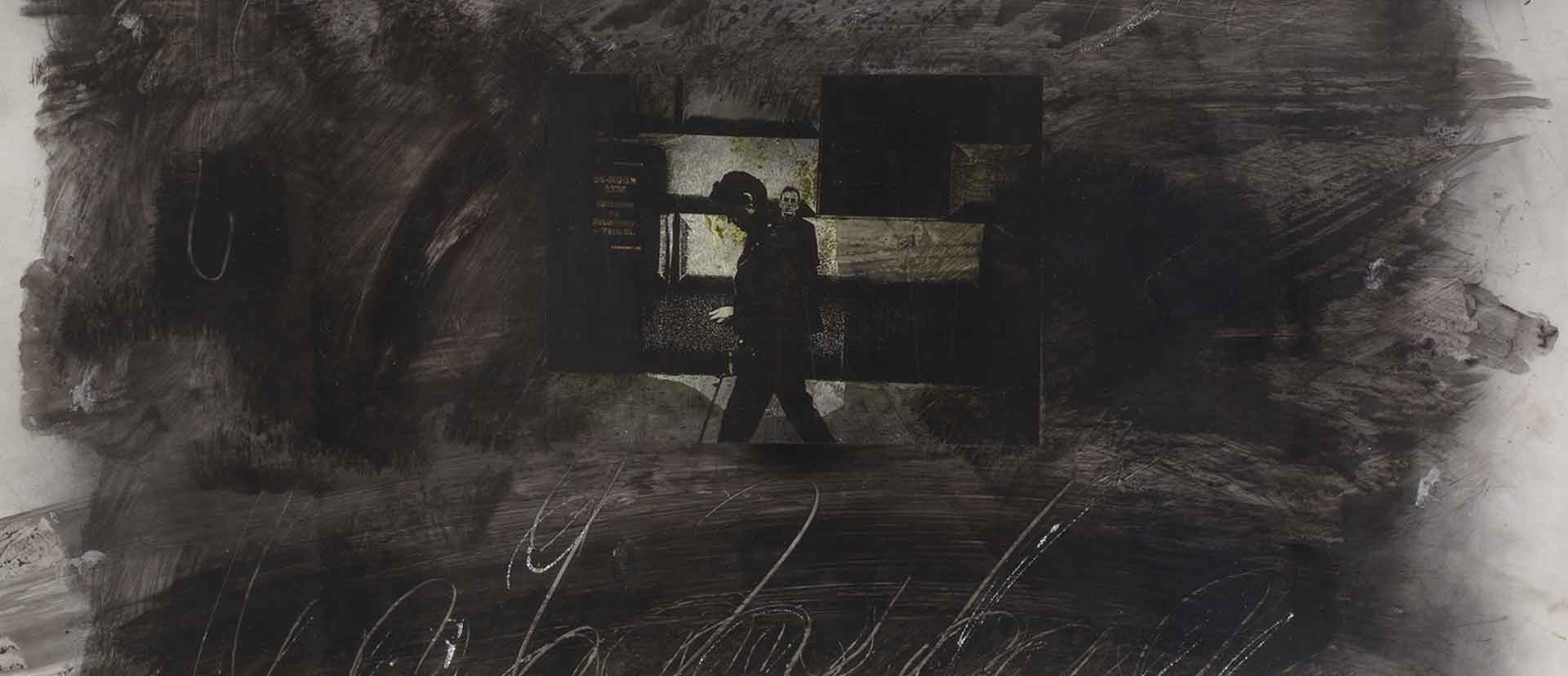
გიორგი (გოგი) ალექსი-მესხიშვილი დაიბადა 1941 წ. თბილისში ცნობილი არქიტექტორის ლადო ალექსი–მესხიშვილის ოჯახში. 1967 წელს დაამთავრა თბილისის სამხატვრო აკადემია და ამ დროიდან ის აქტიურად მონაწილეობს გამოფენებში, 1971 წლიდან გოგი ალექსი–მესხიშვილი იყო შ. რუსთაველის სახელობის დრამატული თეატრის და ზ. ფალიაშვილის სახელობის თბილისის ოპერისა და ბალეტის თეატრის დამდგმელი მხატვარი, ასევე თანამშრომლობს კ. მარჯანიშვილის სახელობის დრამატულ თეატრთან. 1975 წელს აირჩიეს რუსთაველის თეატრის მთავარ მხატვრად, სადაც ორმოცამდე სპექტაკლი გააფორმა.გოგი ალექსი-მესხიშვილმა შექმნა კოსტუმები და დეკორაციები მსოფლიოს წამყვანი თეატრებისთვის (ჩეხოვის სახელობის დიდი სამხატვრო თეატრი (მოსკოვი); „ლა ფენიჩე“ (ვენეცია); „თეატრ კომუნალე“ (ბოლონია); „ბავარიის ოპერა“ (მიუნხენი); „გაბიმა“ (თელ-ავივი); „სან-მარტინის“ თეატრი (ბუენოს აირესი); ჰელსინკის ნაციონალური თეატრი; მარინისა და დიდი დრამატული თეატრები (სანკტ-პეტერბურგი); „შაუშპილეჰაუზი“ (დიუსელდორფი); „მეტროპოლიტენ ოპერა“ (ნიუ იორკი)).გოგი ალექსი-მესხიშვილი 1995 წლიდან ცხოვრობდა და მოღვაწეობდა აშშ–ში, იყო დორტმუდის კოლეჯის პროფესორი, სადაც მიიღო საუკეთესო პედაგოგის წოდება. საქართველოში დაბრუნების შემდეგ, 2014 წელს, საქართველოს კულტურისა და ძეგლთა დაცვის სამინისტროს მხარდაჭერით დააარსა რუსთაველის თეატრთან არსებული გოგი ალექსი-მესხიშვილის თანამედროვე თეატრალური მხატვრობის სკოლა.
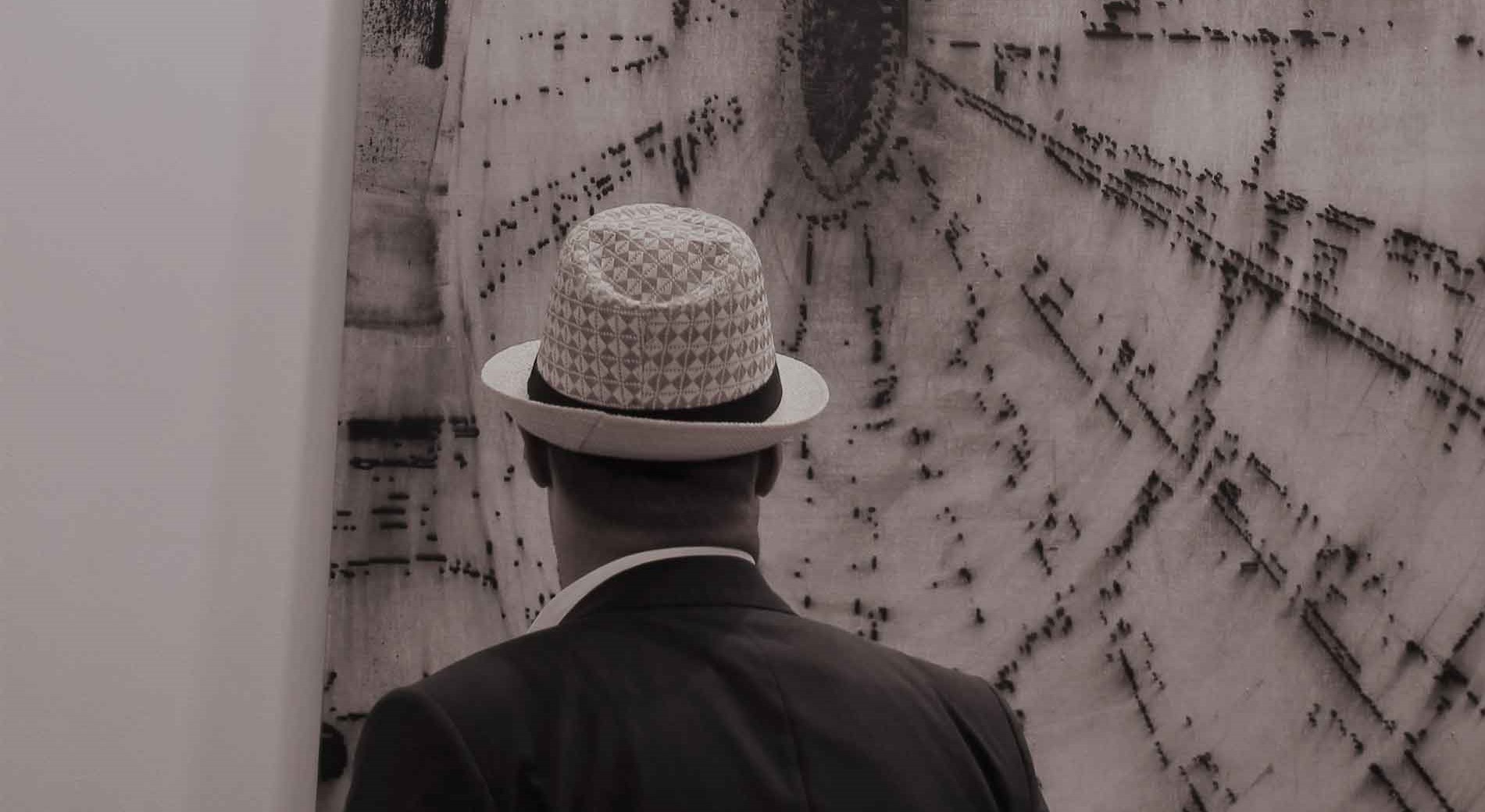
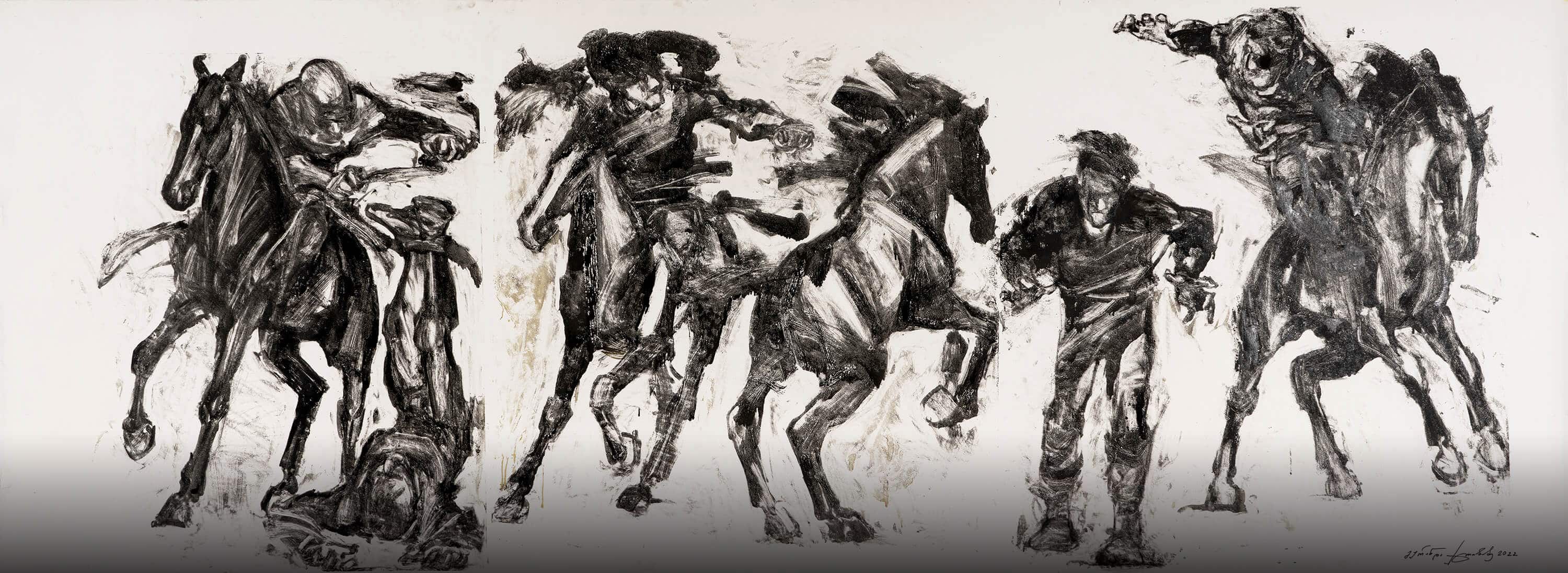
You might begin to familiarize yourself with Zura Apkhazi’s artwork at a show somewhere, but you are bound to have questions, which may only be answered by visiting his studio. As you view his pieces, characterized by customary elegance of exposition, at a gallery, their distinctive brutality, large format and accentuated textures will certainly remind you of German Neo-Expressionism—only at first glance.
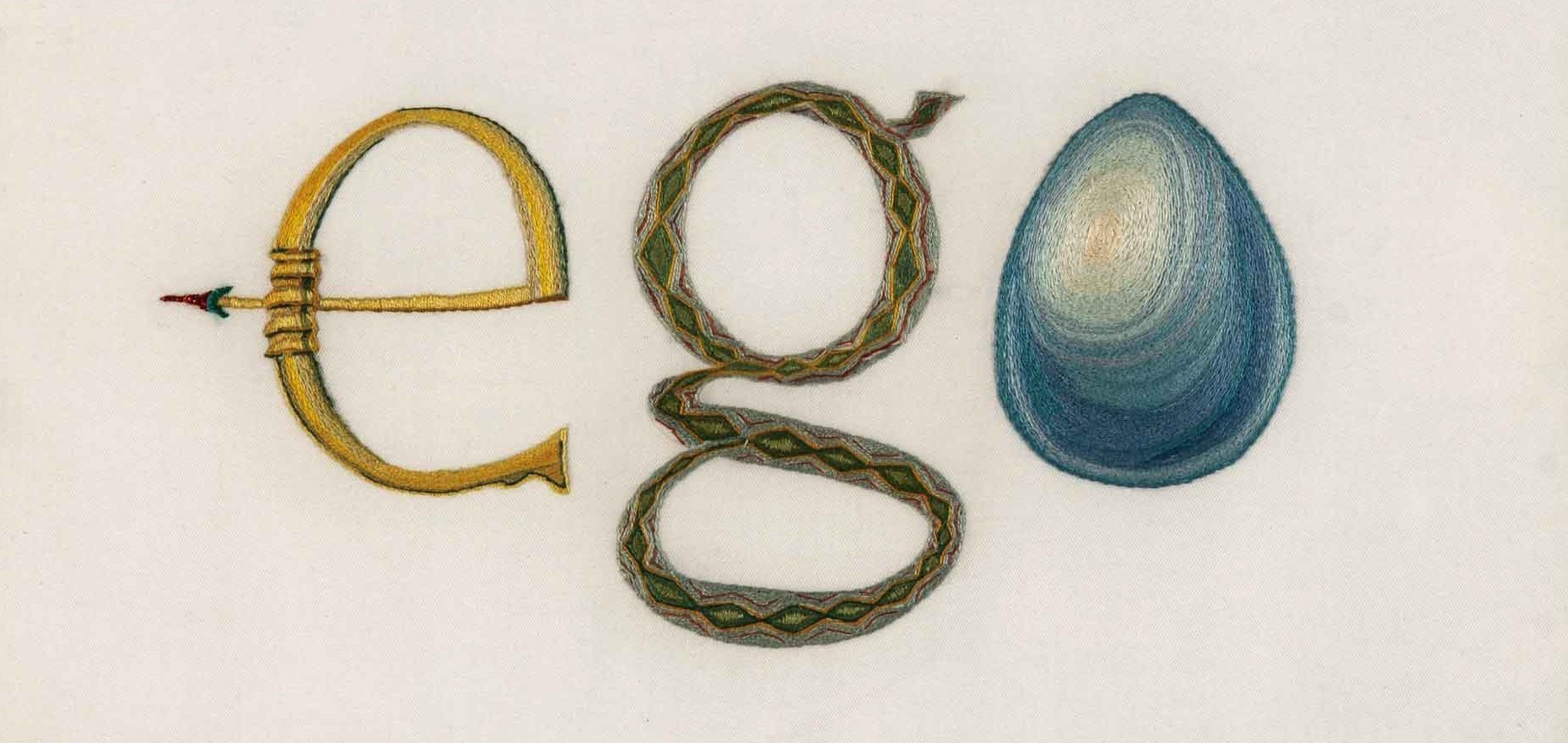
Koka Ramishvili is a Georgian artist, who lives in Geneva, works with different mediums and any of his projects is distinguished by reflexivity and exquisite quality. His art biography is very diverse: embraces artistic quests for general problems, as well as personal and intimate spaces.
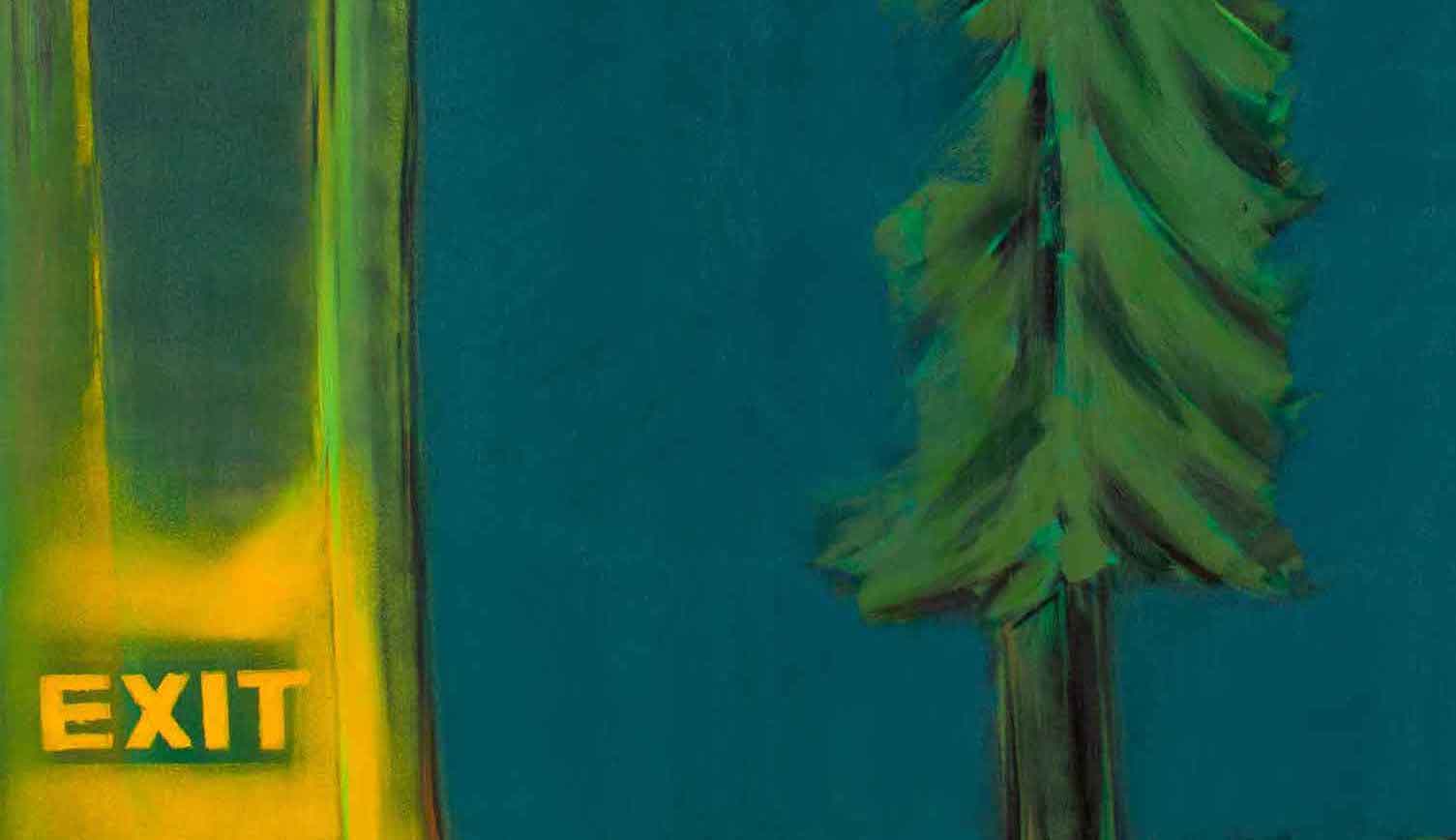
In the light of the ongoing pandemic, visual arts have been more concerned with the idea of timelessness and exploration of underlying spatial concepts. As a result of inherent global changes, interrelation with art has taken a brand-new form, restricting presence of time and space in virtually everyone’s life.
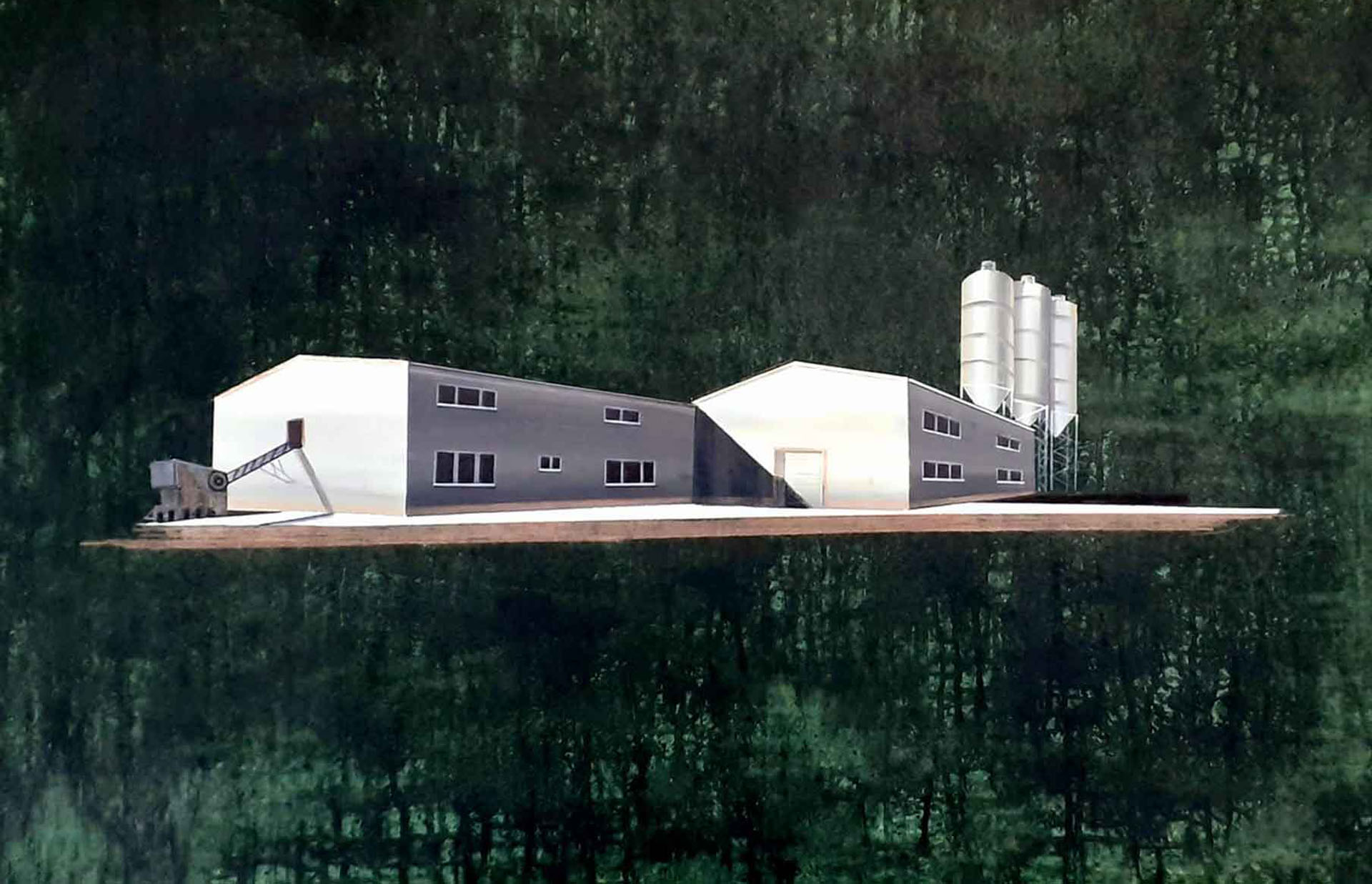
Architecture in developing countries is an excellent source for absurd content. Dehumanization of bureaucratic labyrinths and cynicism towards power in David Kukhalashvili’s expressive paintings seem to be intended for a new, animated version of The Trial by Kafka.
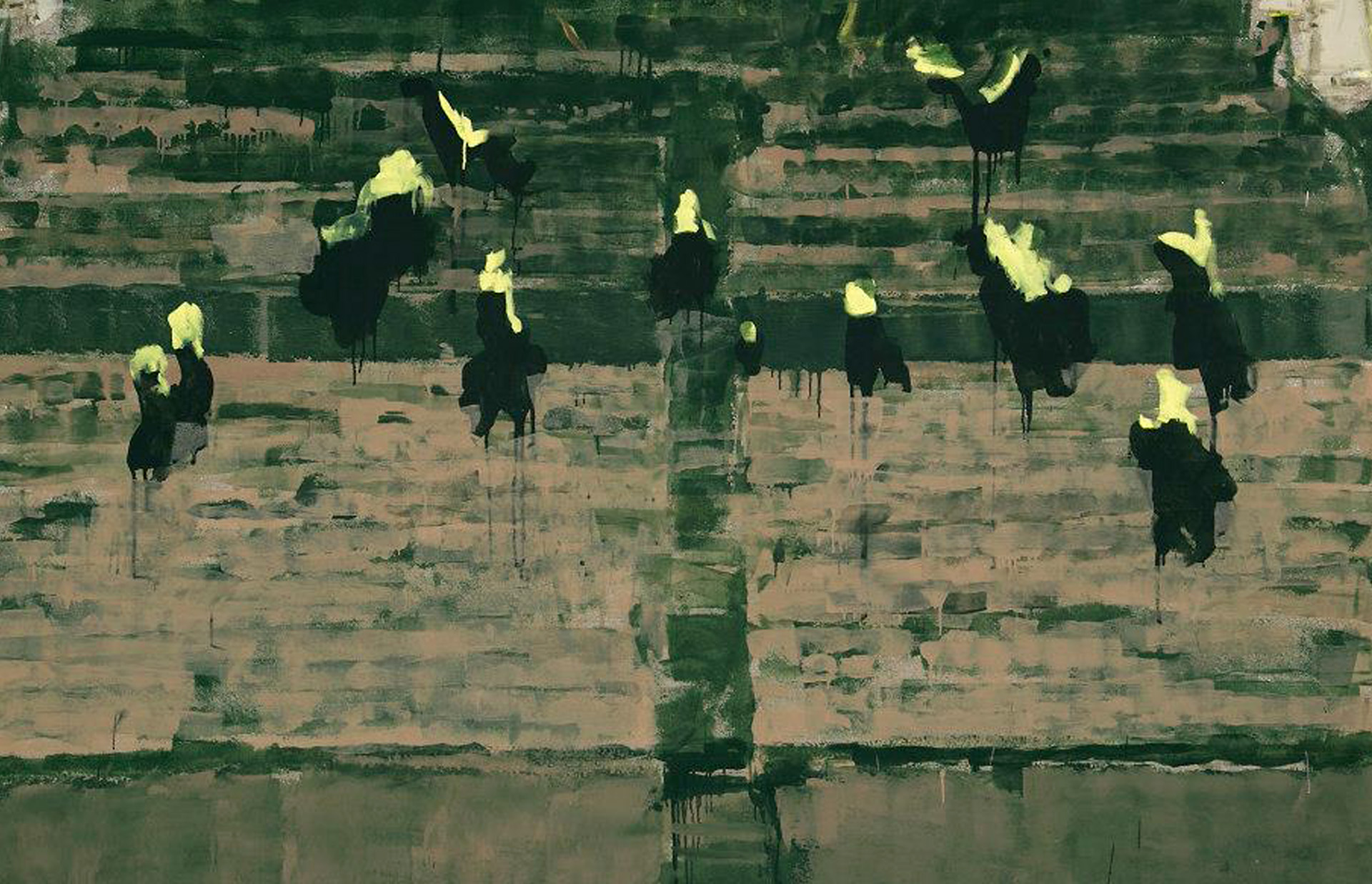
Vakho Bugadze is an artist who manages to strike a delicate balance between contrasting elements, combining brutal energy and sophisticated sensitivity to create a world free of tension in his works.
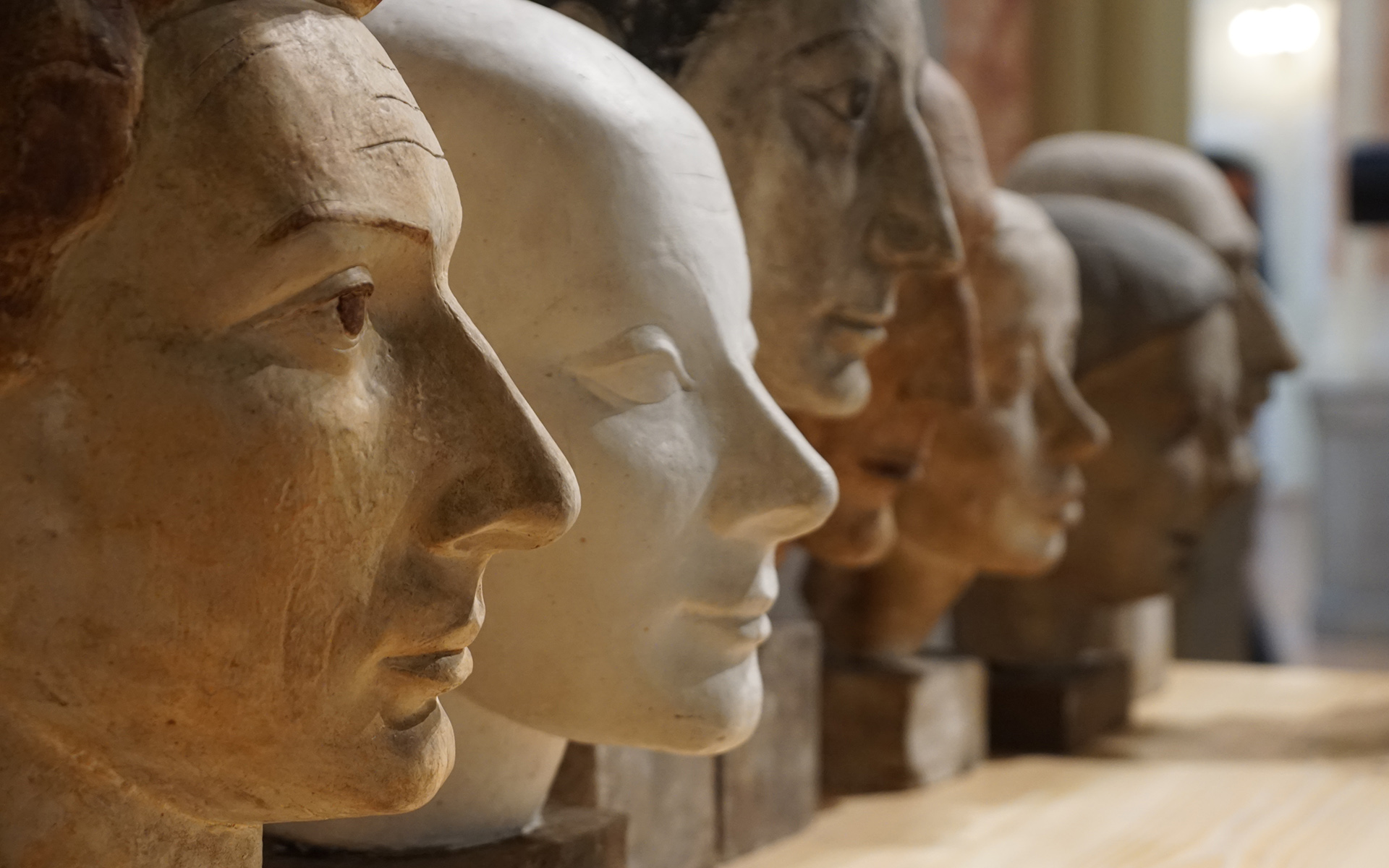
The depository for Rusudan Gachechiladze’s sculptures is located right in the yard of her house, in a small-size shed of the so-called “Italian yard”. Dusted shelves provoke associations of art-house movie-frames.
_100x150_cm._oil__acrylic___canvas_2017_(1).JPG)
Tato Akhalkatsishvili’s painting is full of variability of themes and serendipity, although they are integrated in one great and long-term project, which is Tato Akhalkatsishvili’s landscape.
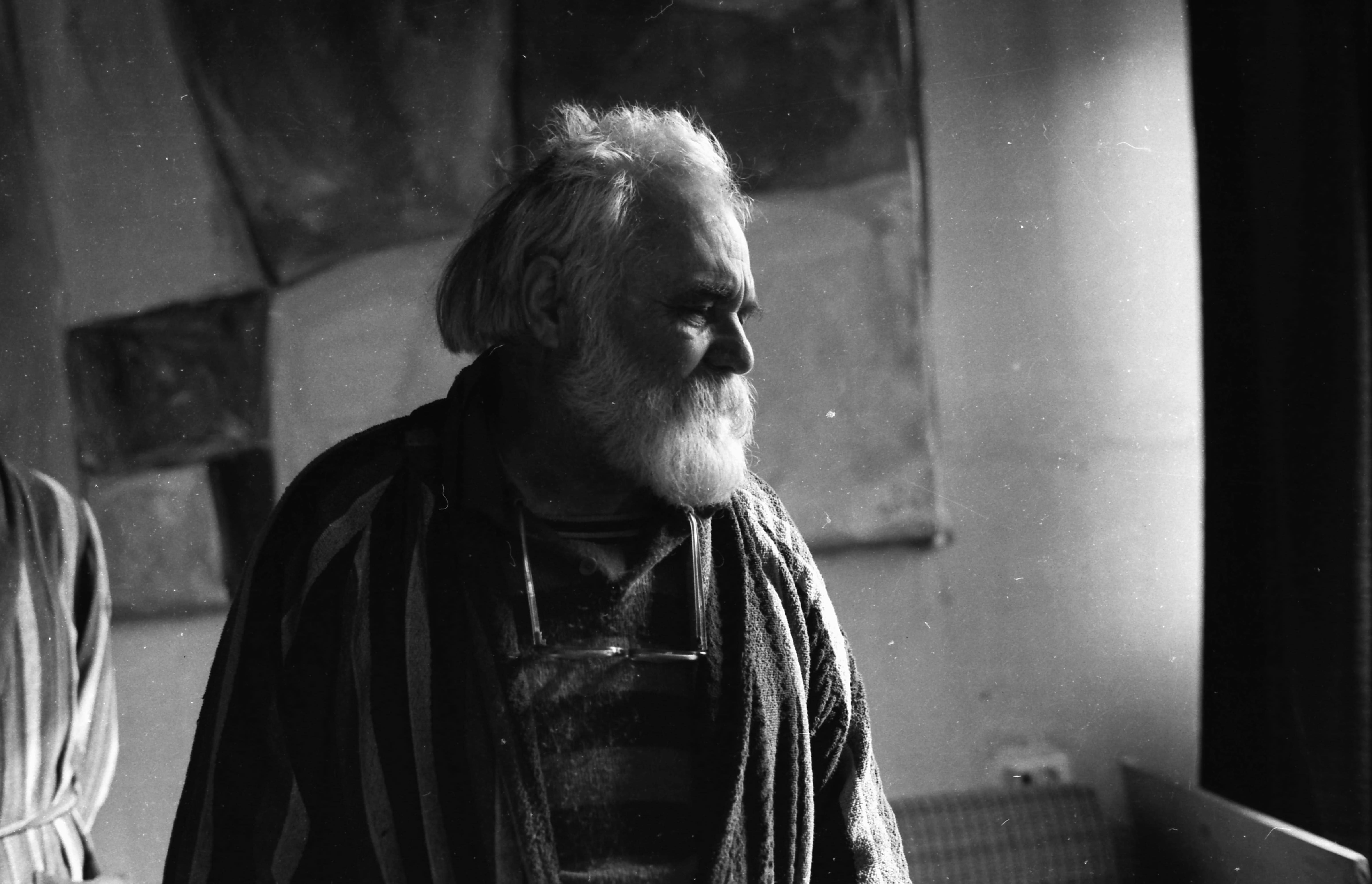
Alexander (Shura) Bandzeladze- Georgian representative of Abstract Expressionism. In the early 1990s, Alexander Bandzeladze was the eldest of acting figures of Georgian Contemporary Art and one of the first artists, who, in the 1960s and 1970s, deliberately engaged himself in late modernism problems and further influenced on-going art processes in Georgia.

Pandemic by Tamuna Melikishvili is one of the finest artistic commentaries on the subject-matter that has defined the modern era. Stylized portraits of strangers and passers-by are inserted on a page of a 1906 architectural album featuring iconic models of Renaissance-style windows. These windows are used as frames for the faces gazing out from within personal space, separated from the outside world, revealing the overarching mood of quarantine through their interests and anticipation, notes of despair and the inevitable psychological tension.