

- Sort by
- Date
Feel free to add tags, names, dates or anything you are looking for



Feel free to add tags, names, dates or anything you are looking for

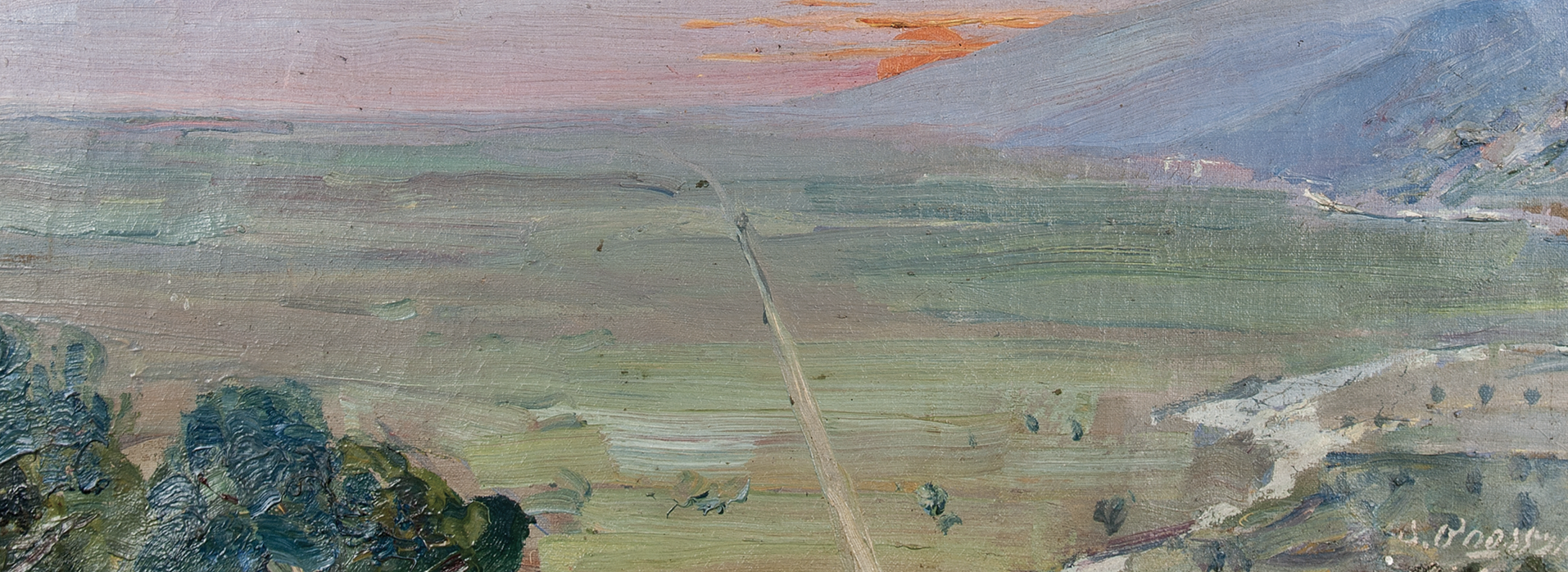
Aleksandre Tsimakuridze is recognized as one of the chief supporters of the landscape genre in 20th century Georgian realistic easel painting. Notwithstanding the significant contributions of figures such as David Kakabadze and Elene Akhvlediani, who established landscape painting both as a genre and as a thematic focus in Georgian art, it can be asserted that Aleksandre Tsimakuridze stands out as the first Georgian artist to devote himself entirely to the craft of landscape painting. Apart from a handful of portraits, Aleksandre Tsimakuridze’s artistic oeuvre is predominantly centered on landscape painting. As a result of his efforts, the genre of realistic landscape painting was firmly established in Georgian easel painting. Furthermore, the extensive years he spent teaching were equally significant, since he played a crucial role in nurturing and shaping the professional development of numerous Georgian landscape artists.
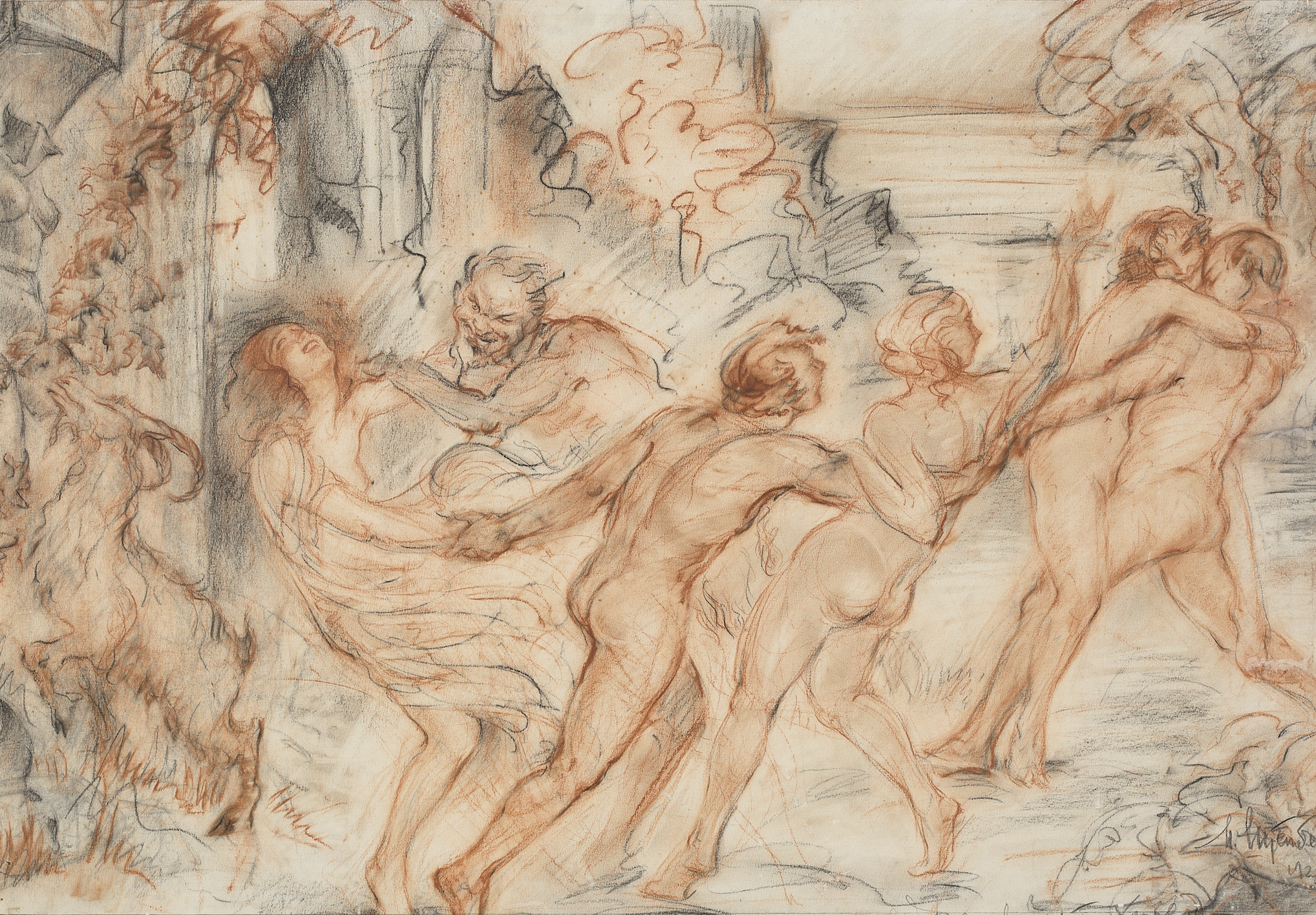
Georgian fine art from the first half of the twentieth century features numerous artists who have vanished from the pages of art history, as well as many outstanding artists who were compelled by the Soviet-era realities to modify their creative creed and identity. Among them, one of the most tragic figures is Irina Stenberg. The particular allure of Irina Stenberg's art, characterized by her boundless fantasy infused with eroticism and intertwined with subtle irony and grotesque elements, once resonated harmoniously with the delicate, decadent aesthetics of the modernist movement. However, her unique mode of artistic expression proved to be totally incompatible with the views of the Soviet government, which deemed only censored art as being safe and acceptable. The female artist's creativity and life of contradictions developed against the backdrop of this hidden conflict.

The emergence of landscape painting as a distinct genre within Georgian fine art can be attributed to the period of Georgian painting that dates back to the 1910s and 1920s. At that time, the landscape evolved into a fully developed artistic phenomenon, which gave rise to the fundamental characteristics of Georgian easel painting. It became a central theme among the artists of that period, and was actively employed by nearly every representative of the new generation.
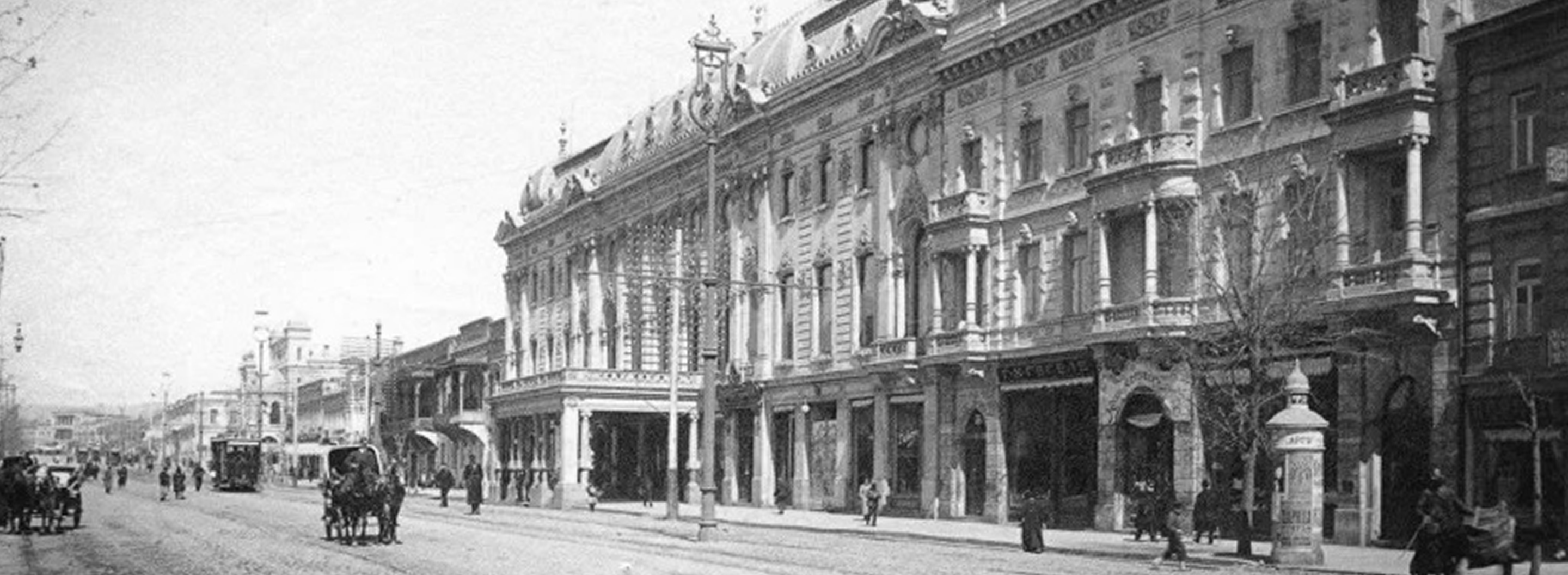
Cultural Life of the 1910-20s in Tbilisi
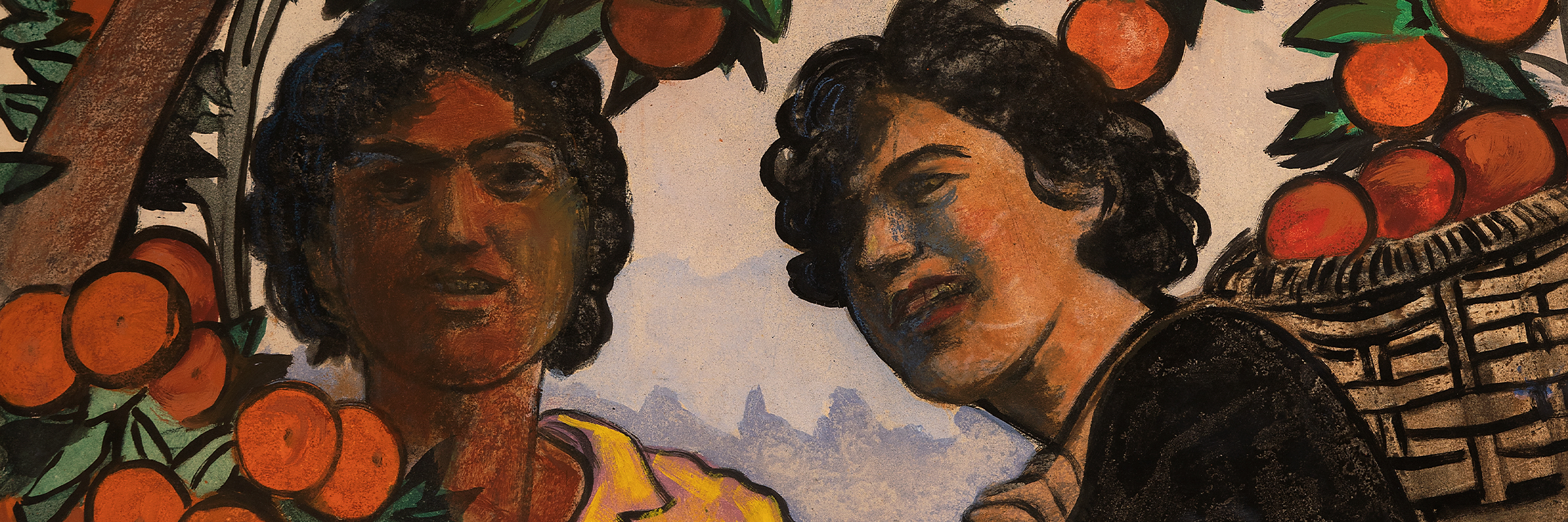
During the Soviet era (1930-1950s), the landscape genre played an essential role in Georgian easel painting, since the specifics of the genre offered creators the opportunity to act freely. During this period, for many painters the landscape provided the solution, while for others it was an intuitive “move” whereby the painting skills of an artist could be freely revealed - the style of execution became much more natural and realistic, while the choice of theme or motif was unrestricted, honest and non-violent
_(1).jpeg)
Since the beginning of the 20th century, when fine art declared a battle against physical representations of the material world and the figurative image “vanished" from the art world for almost half a century, the line of artistic development was decisively shifted. In the 1960s, material origins returned auspiciously to art, but nonetheless having acquired new features or, to put it literally: materiality, the new figurative style or novelty formation and its widespread conceptualization.
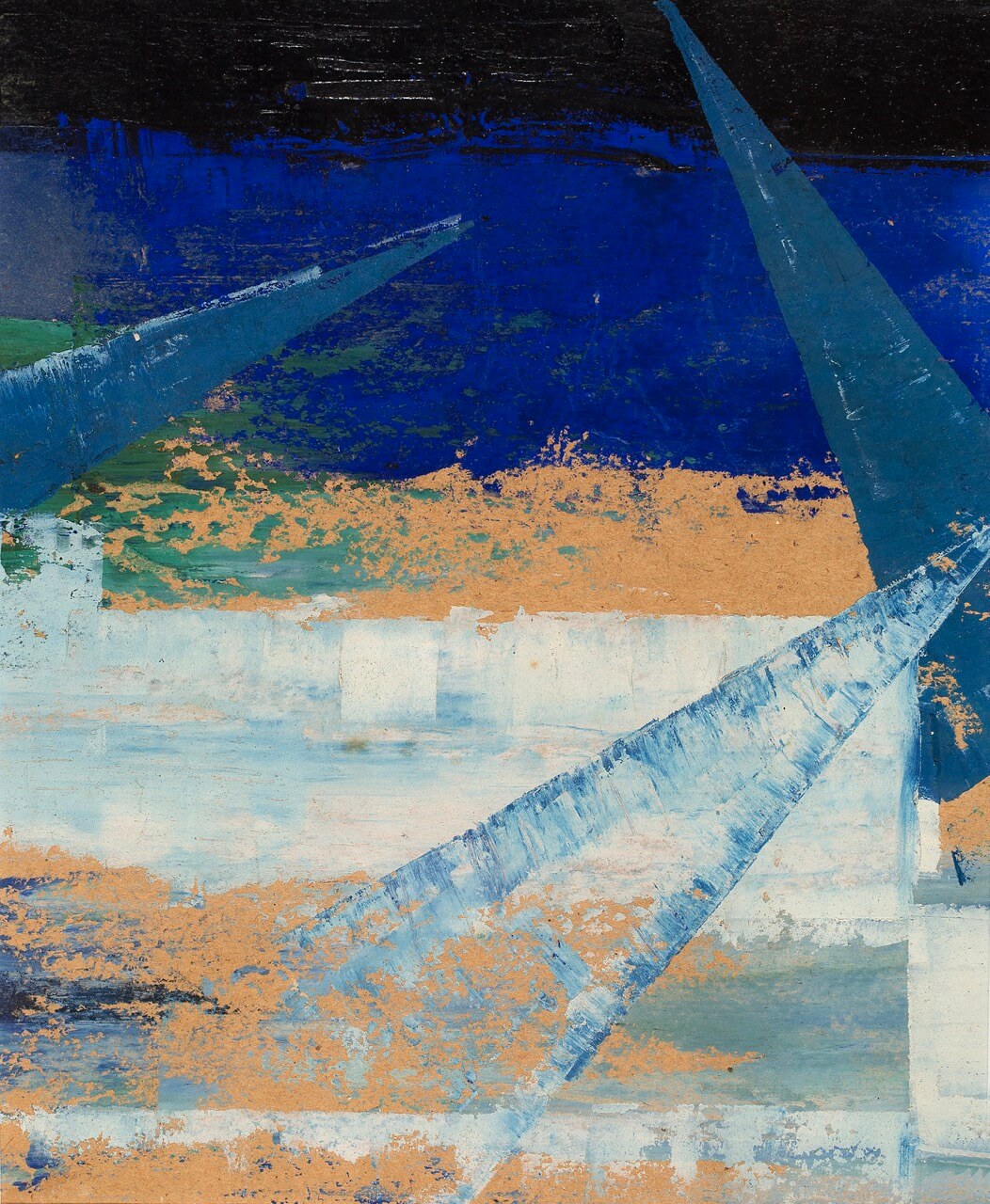
Lali tried her hand at almost all the avant-garde movements, but she did not adhere to any of them in their pure form. The artist managed to create her own style without imitating anyone else.
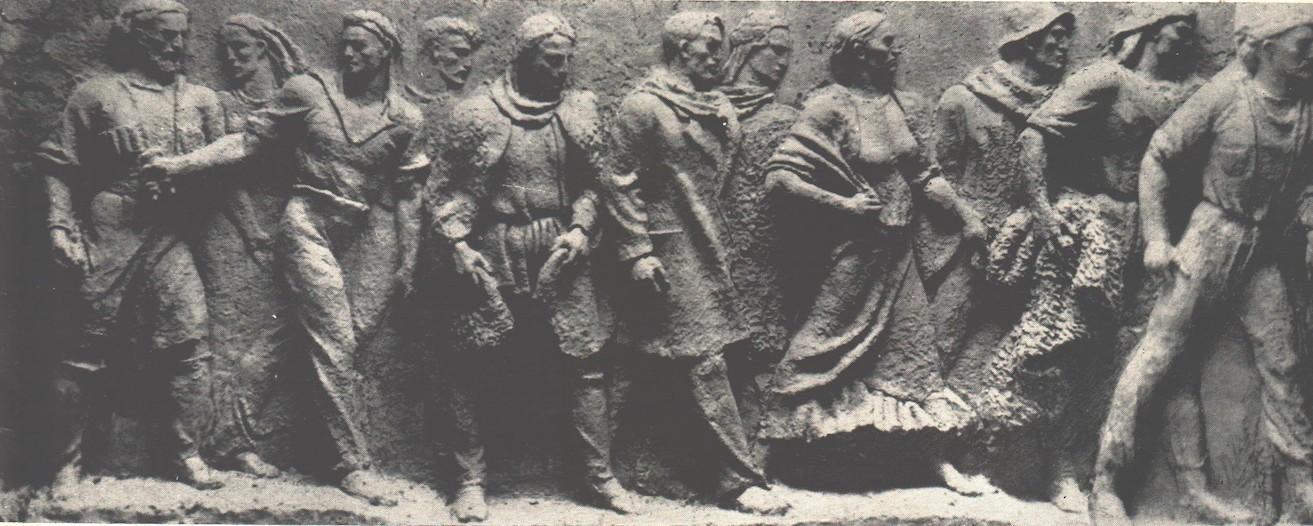
Tamar Abakelia was one of the most successful female artists of the first half of the 20th century – in the 1930s and 1940s. She was a multi-faceted creator: a sculptor, graphic artist, painter and illustrator, a theater and film painter, and finally, a socially and creatively active individual with a strong character.