.jpg)


- Sort by
- Date
Feel free to add tags, names, dates or anything you are looking for



Feel free to add tags, names, dates or anything you are looking for

The Knight in the Panther's Skin — Artist's Book, featuring artworks by fifteen contemporary Georgian artists, was published back in 2015 and presented at the National Gallery in concurrence with an exhibition of the same works, which are now an official part of the Gallery’s permanent collection.
.jpg)
The Last Supper by Giorgi Kobiashvili is symptomatic of this epoch. In the picture, electronic information in the form of a neon wire, similar to the graphic line of a cardiogram, is directly incorporated into the structure of the composition, and the history of iconography gives way to iconological interpretations. The easily recognizable iconographic model developed by Christian art has been rendered as a mere scheme.
The window is a standard feature of his compositions, not only of this one. In general, the window theme has a conceptual significance in his painting. The world seen from a window is associated with different moments from his biography, with landscapes, moving people or animals, and various items placed on the windowsill. They seem to function as memory repositories, and hold determinate stories.
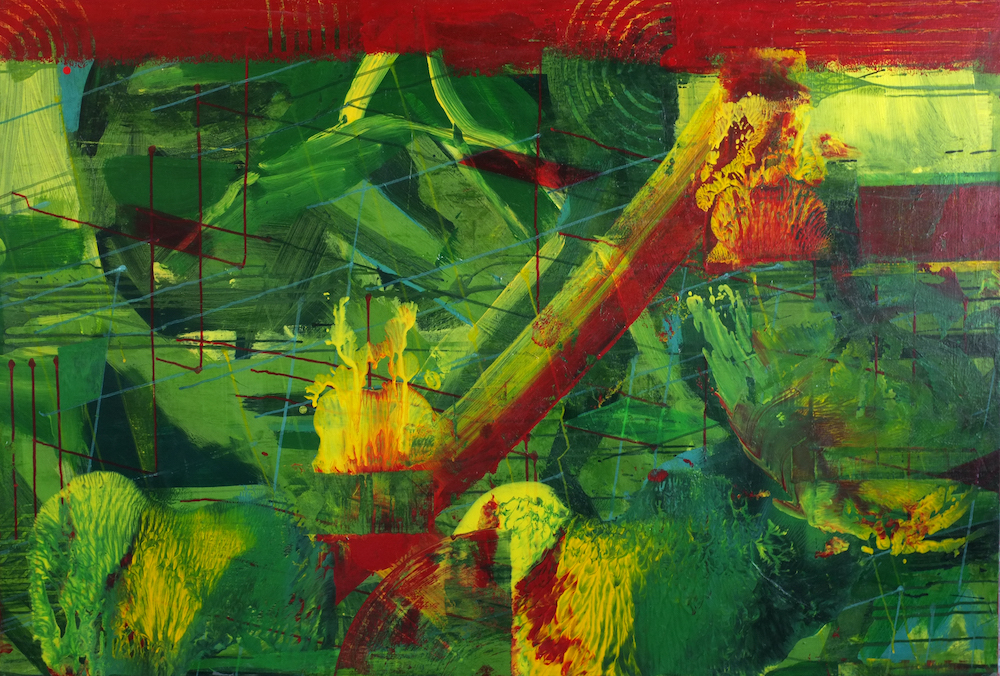
Koka Tskhvediani: "painting for me is not subject to explanations. It has a strong spontaneous energy, which was characteristic of the Abstract Expressionists; although today abstraction has acquired other meanings. My career as an artist began in the 1990s, during the crisis period of post-Soviet Georgia.
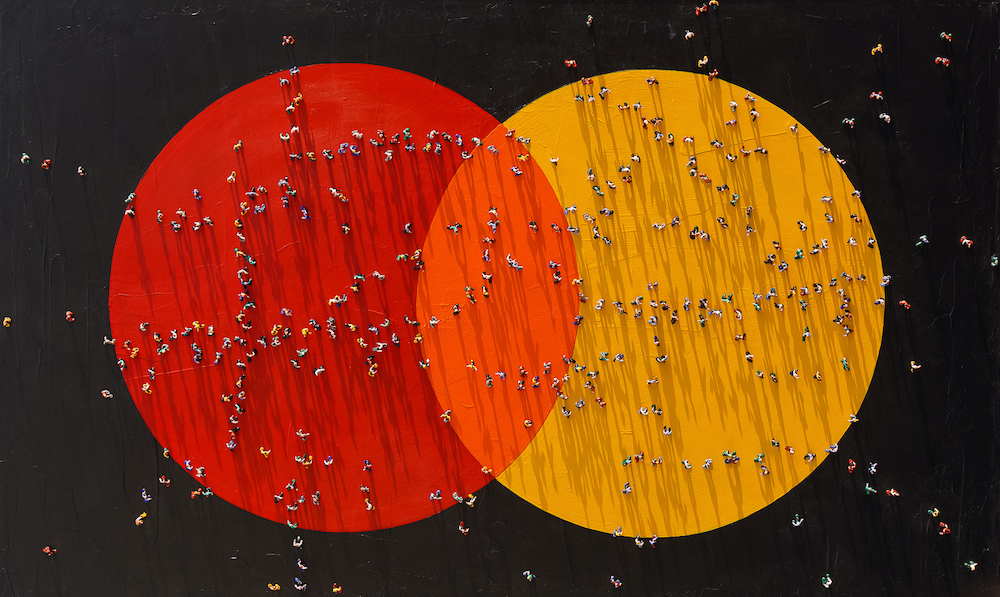
Merab Surviladze loves producing contrasts in scales, perspectives, textures and volumes. This time the contrast is more ironic than in his other earlier works because the image of the well-known brand, whose laconic and colorful logo should radiate only positivity – giving the impression that life is enjoyable and creating a sense of stability – here appears "suspicious" and resembles a field of chaotic movements.
.jpg)
Levan Mindiashvili is a Georgian artist currently residing in New York. In his artistic research, existential issues are constantly related to specific locations, the peculiarities of cities, the language of architectural textures, and forms of self-expression among cultures and subcultures. His visual thinking mostly opts for the format of multimedia installations.
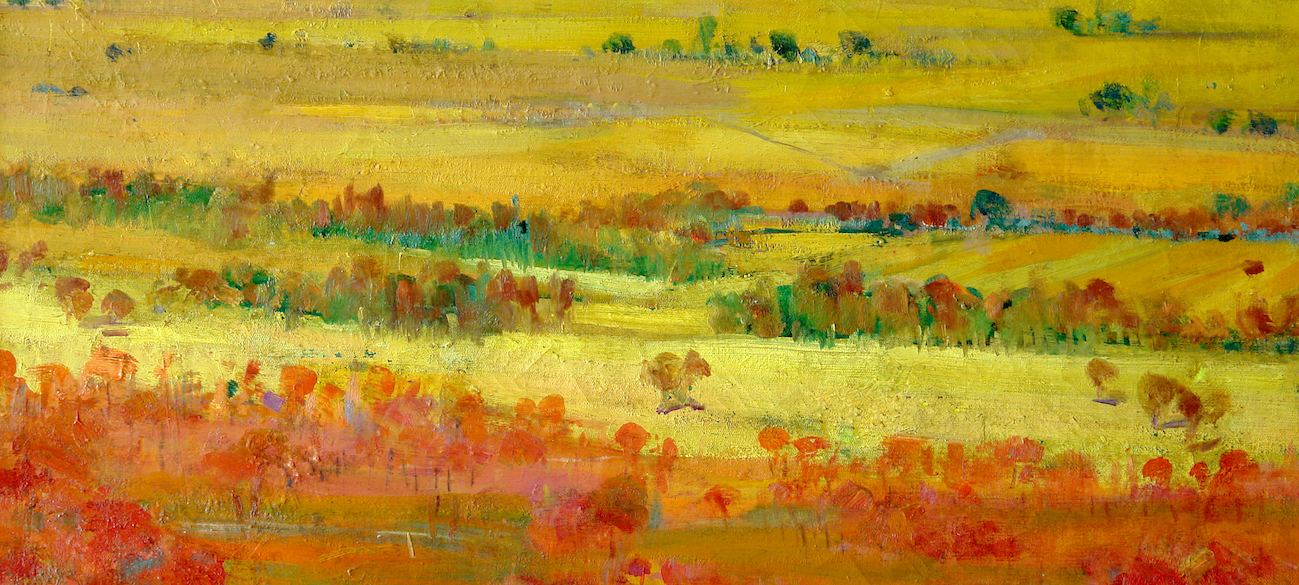
Guram Kutateladze’s landscapes display these encounters along with the emotions he experienced. Here the major focus is on infinity and incompleteness. The landscapes come to life thanks to their flexible shapes and textures that alter under the influence of light.
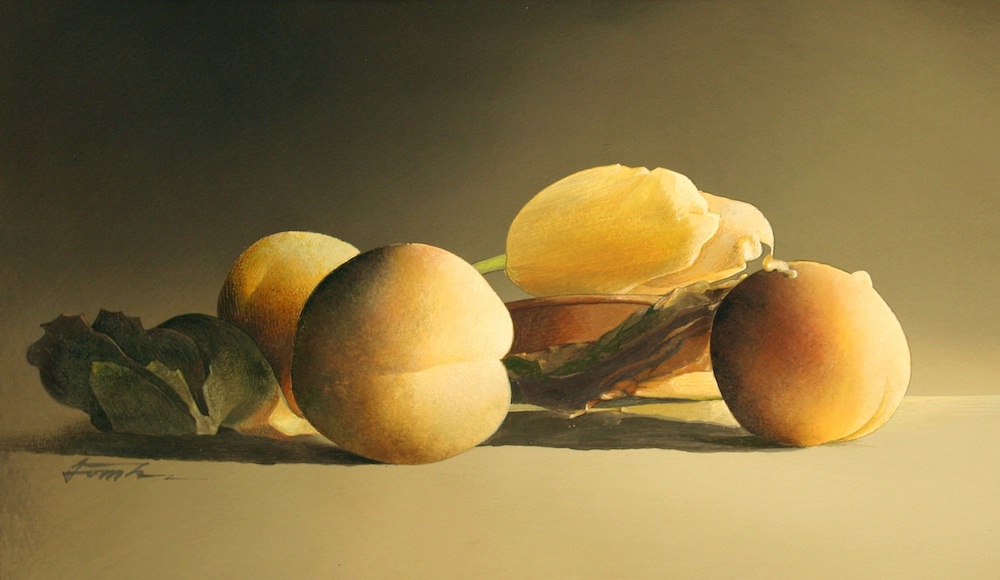
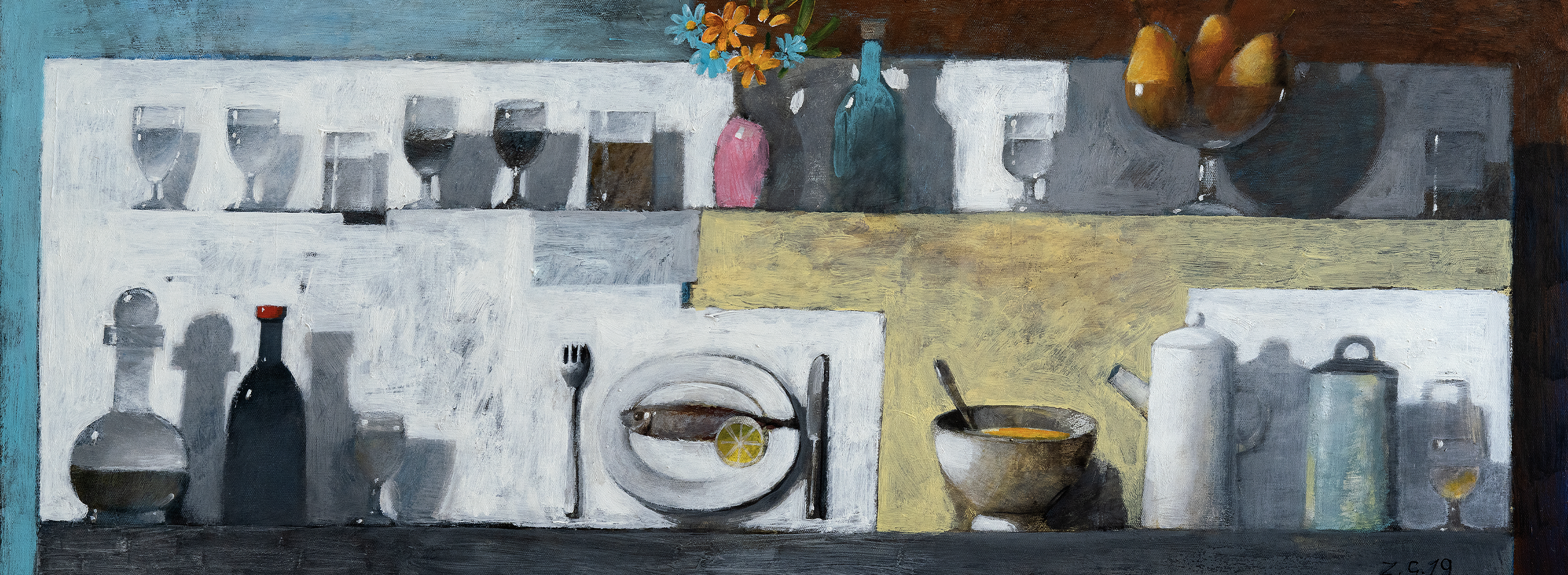
Tengiz Marr's long-term project, a series of still lives, is a kind of simultaneous dialogue with both old masters and representatives of contemporary trends, searching for relations between objects and words in order to discover what the still life genre might mean for contemporary painting, and what techniques can be employed to reflect the creatures of nature and their function for daily human life within the confines of modern consciousness.
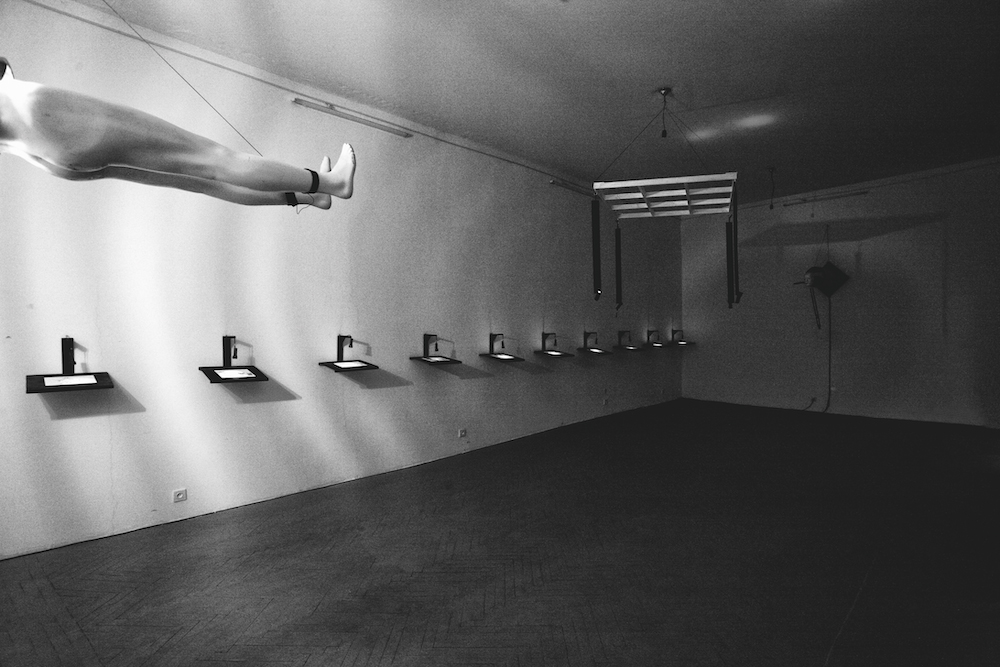
"I frequently think about where the inspiration and energy come from that make me continue working and designing different constructions. I am most of all interested in the topic of space: how a sculpture develops itself and relates to the external world, or how graphic works establish relationships with their internal universes,” - says Tengiz (Sepo) Sepiashvili about his work
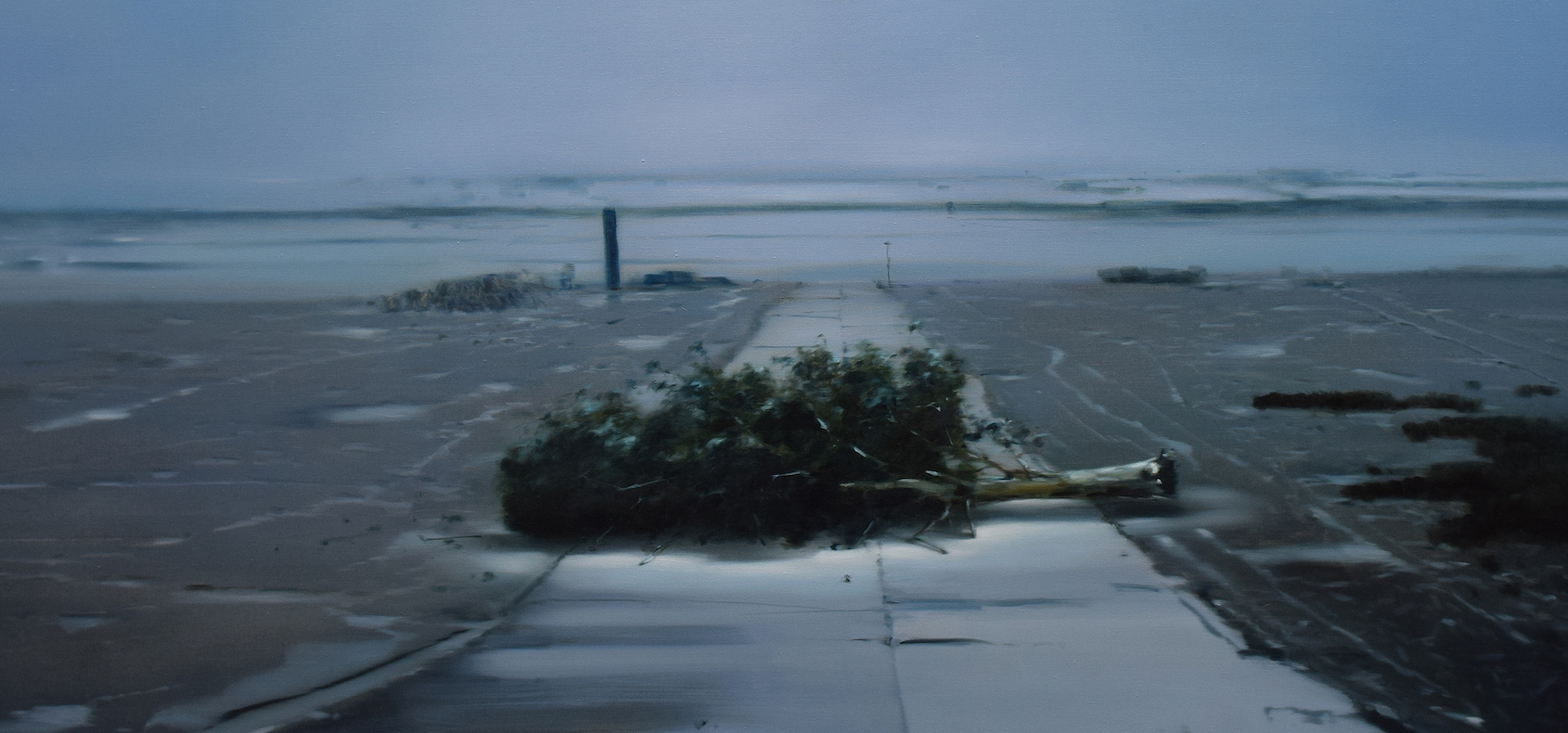
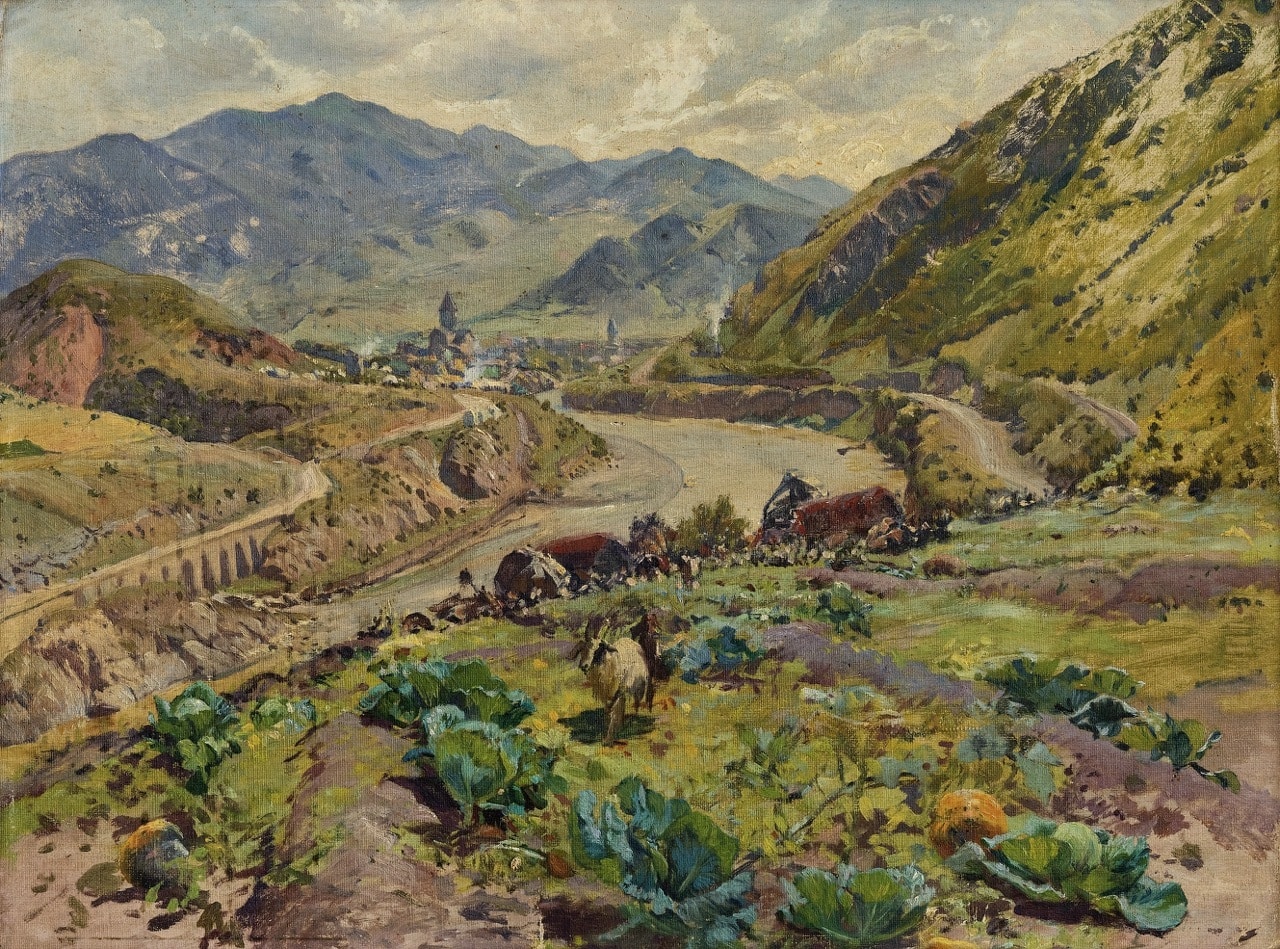
Since the very beginning of his artistic career, Tato Akhalkatsishvili has perceived the landscape as constituting a central component of his works. Akhalkatsishvili's landscapes developed over the years, with the incorporation of various technical and conceptual experiments, and are characterized by certain enigmatic features.
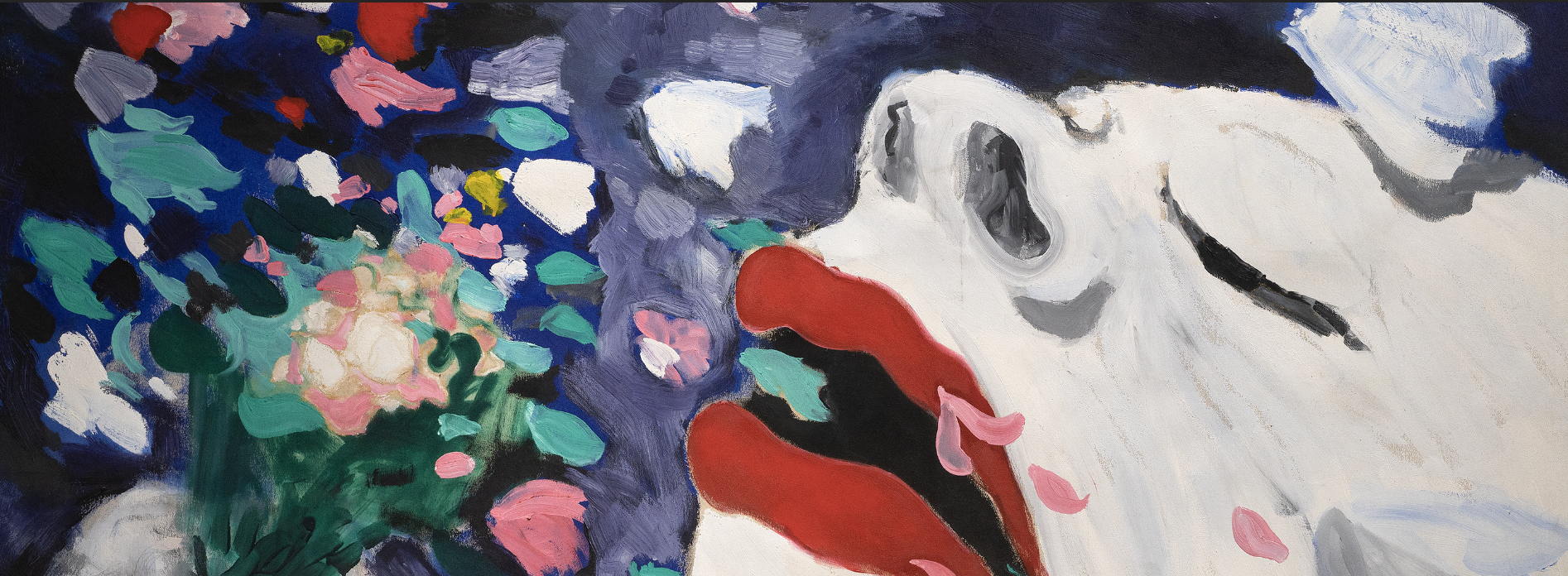
Stand Against, one of the most iconic performances in the recent history of Georgian art, was witnessed by random passersby through a window of the underground passage at Tbilisi’s Kolkhoz Square on a depressing day in 1991. The living sculptures of Oleg Timchenko and Niko Tsetskhladze, who had painted their faces gold, stood motionless like mannequins behind a shop window until finally breaking the glass, getting out and walking away. At that time, very little was known in Georgia about performance art, and there were also very few people who would analyze and talk about it. The public had no opportunity to find out about performance art, reflect on it, and later express an opinion. One can even say that the artists themselves were not fully conscious of their actions. Their motivation was fueled by a desire to speak the language of modern art, which was perceived at the local level as something completely foreign. In any case, this work evidenced the artists’ high sensitivity and intuition, conveying the main message through visual and bodily gesture: the stagnating society, which was locked in its own problems, needed to take an aggressive step and even break glass in order to overcome barriers. A little later, when Georgian art of the 1990s became a subject of research, Stand Against was accorded more recognition and acknowledged as an important cultural event of that period.
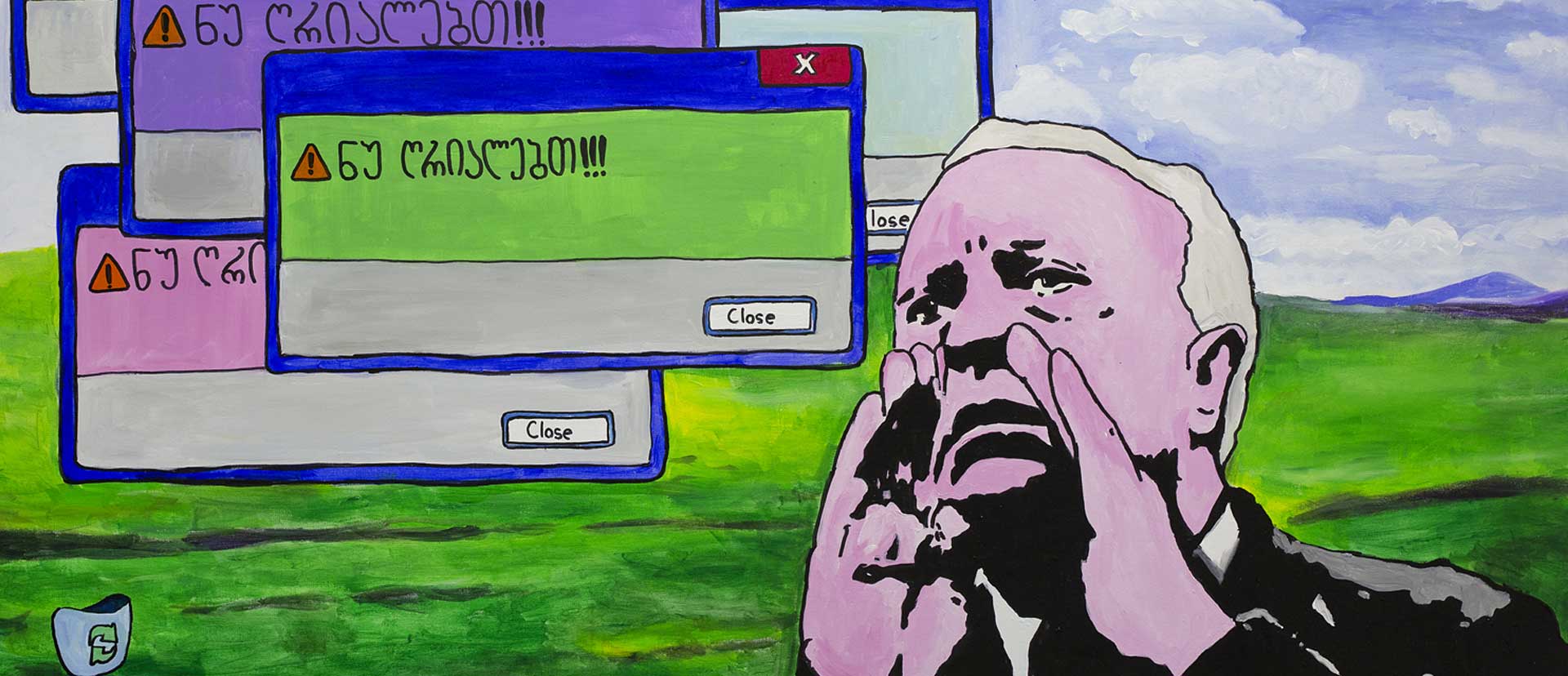
Gagosha – Georgian street artist Giorgi Gagoshidze was born in 1986. He works in different media: poetry, visual poetry, drawing, media art, etc. He studied computer science at Tbilisi University, and graduated with an MA in Technology Administration from Tallinn University of Technology.
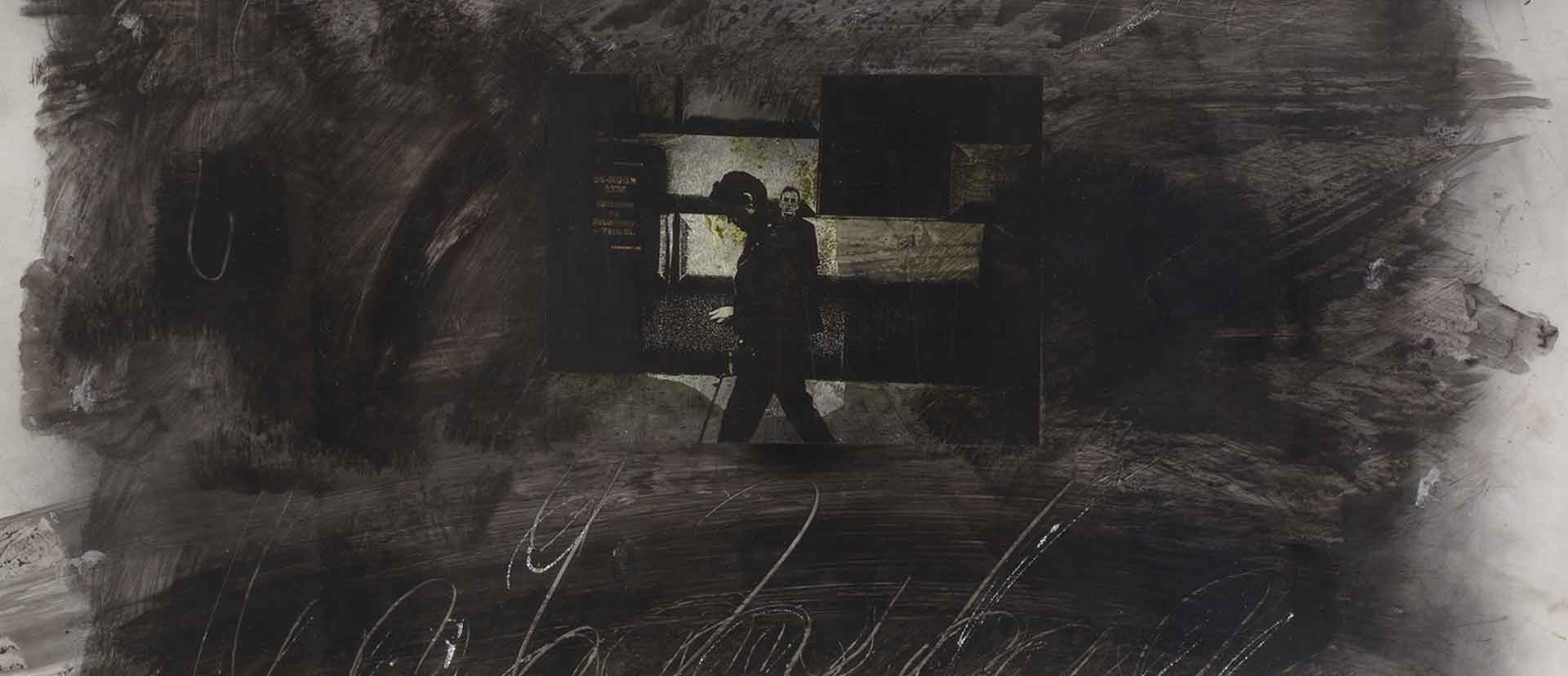
Georgi (Gogi) Alexi-Mesxishvili was born in 1941 into the family of renowned architect Lado Aleksi-Mesxishvili. In 1967 he graduated from the Tbilisi State Academy of Arts, and since that time has actively participated in exhibitions. Beginning from 1971, Gogi Alexi-Mesxishvili served as stage designer of the Shota Rustaveli Drama Theatre, Zakaria Paliashvili Tbilisi Opera and Ballet Theatre, and also cooperated with the Kote Marjanishvili State Drama Theatre. In 1975 he was elected as head designer of the Shota Rustaveli Drama Theatre, where he designed the sets for approximately 40 performances. Gogi Alexi-Mesxishvili has created costumes and set designs for many leading theaters in the world, including: the Chekhov Moscow Art Theatre, La Fenice (Venice), the Teatro Comunale di Bologna, the Bavarian State Opera, the Habima Theatre (Tel Aviv), the Teatro General San Martin (Buenos Aires), the Finnish National Theatre (Helsinki), the Mariinsky and the Bolshoi Drama Theatre (St. Petersburg), the Schauspielhaus (Düsseldorf), and the Metropolitan Opera (New York). From 1995 Gogi Alexi-Mesxishvili lived in the USA, where he worked as a professor at Dartmouth College. There he was awarded the title of best professor. After his return to Georgia in 2014, the artist established the Gogi Alexi-Mesxishvili School of Contemporary Theatre and Design with support from the Ministry of Culture and Monument Protection of Georgia.
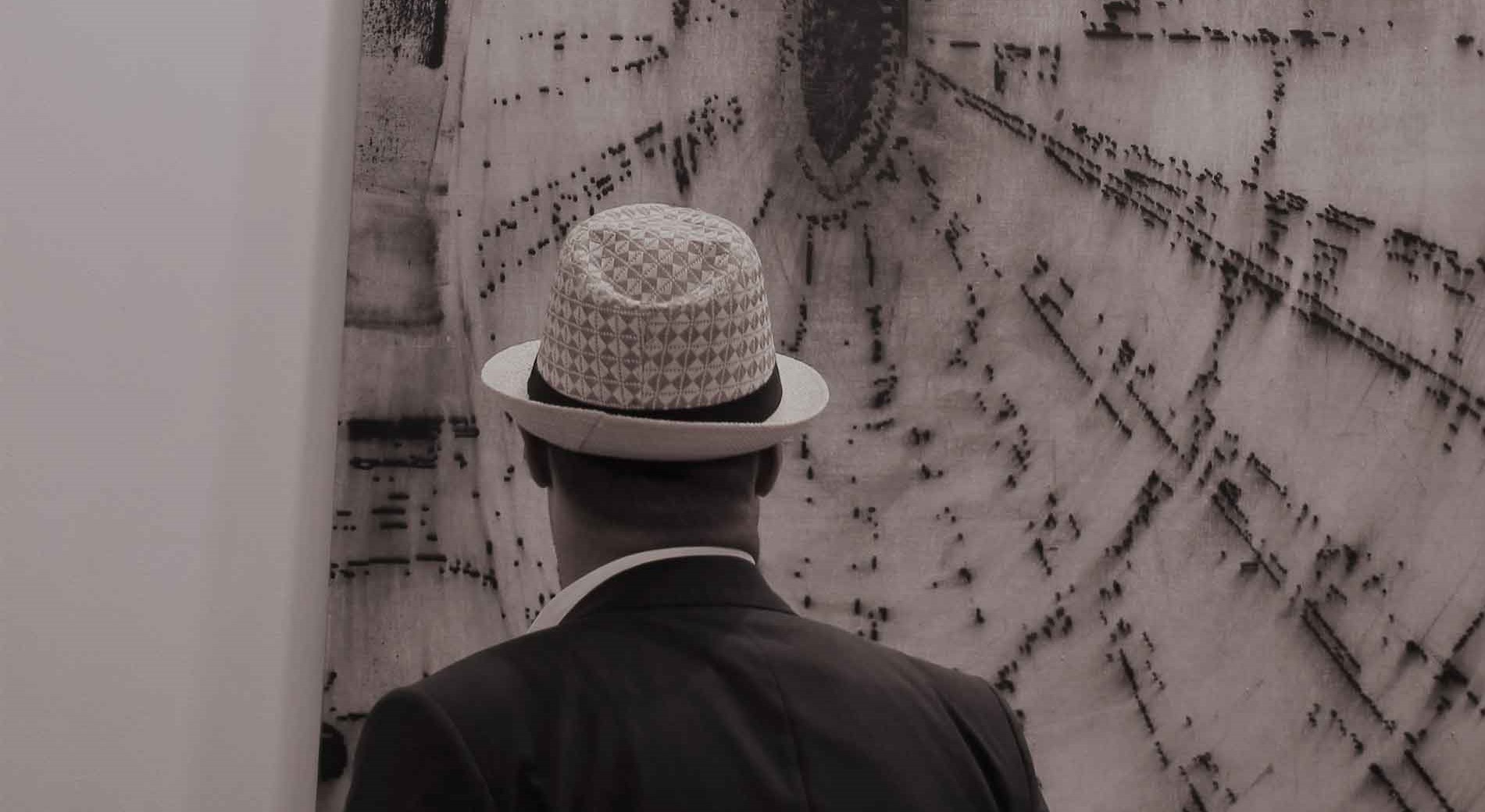
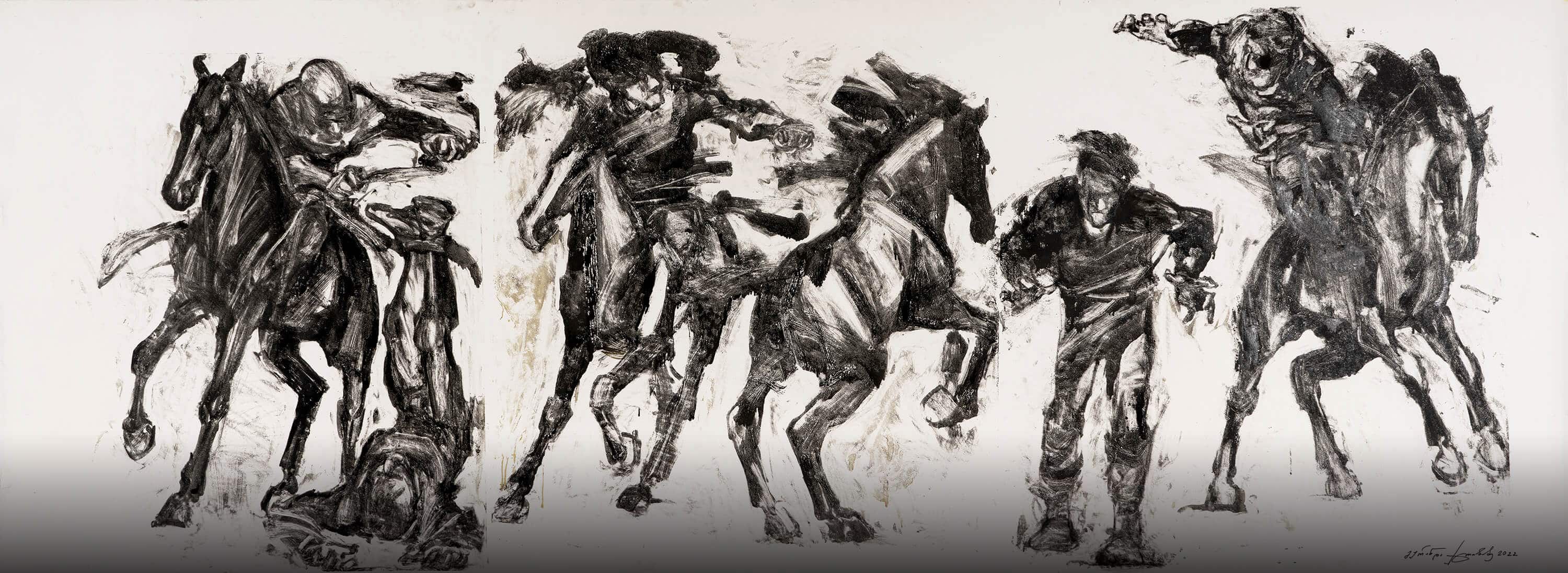
You might begin to familiarize yourself with Zura Apkhazi’s artwork at a show somewhere, but you are bound to have questions, which may only be answered by visiting his studio. As you view his pieces, characterized by customary elegance of exposition, at a gallery, their distinctive brutality, large format and accentuated textures will certainly remind you of German Neo-Expressionism—only at first glance.
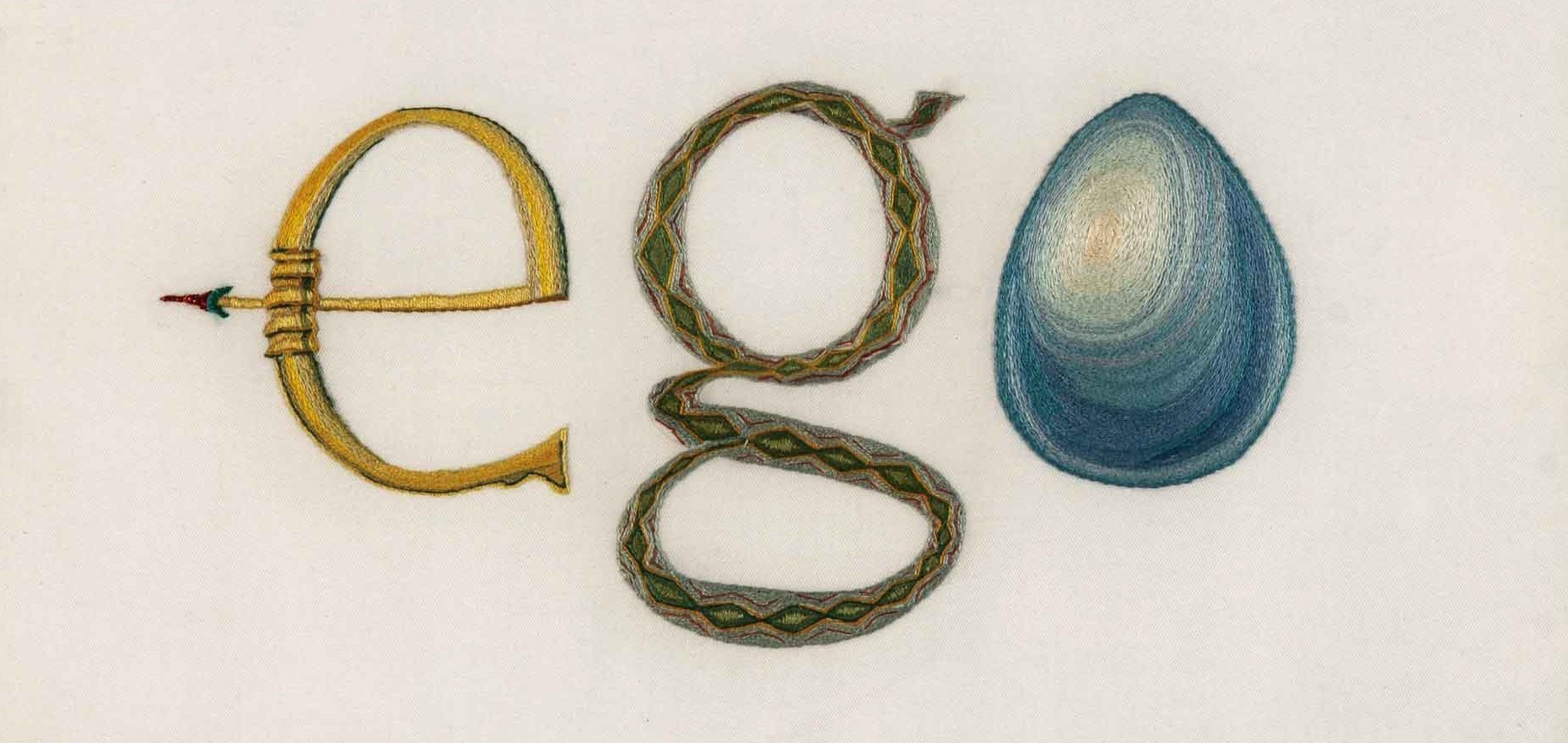
Koka Ramishvili is a Georgian artist, who lives in Geneva, works with different mediums and any of his projects is distinguished by reflexivity and exquisite quality. His art biography is very diverse: embraces artistic quests for general problems, as well as personal and intimate spaces.
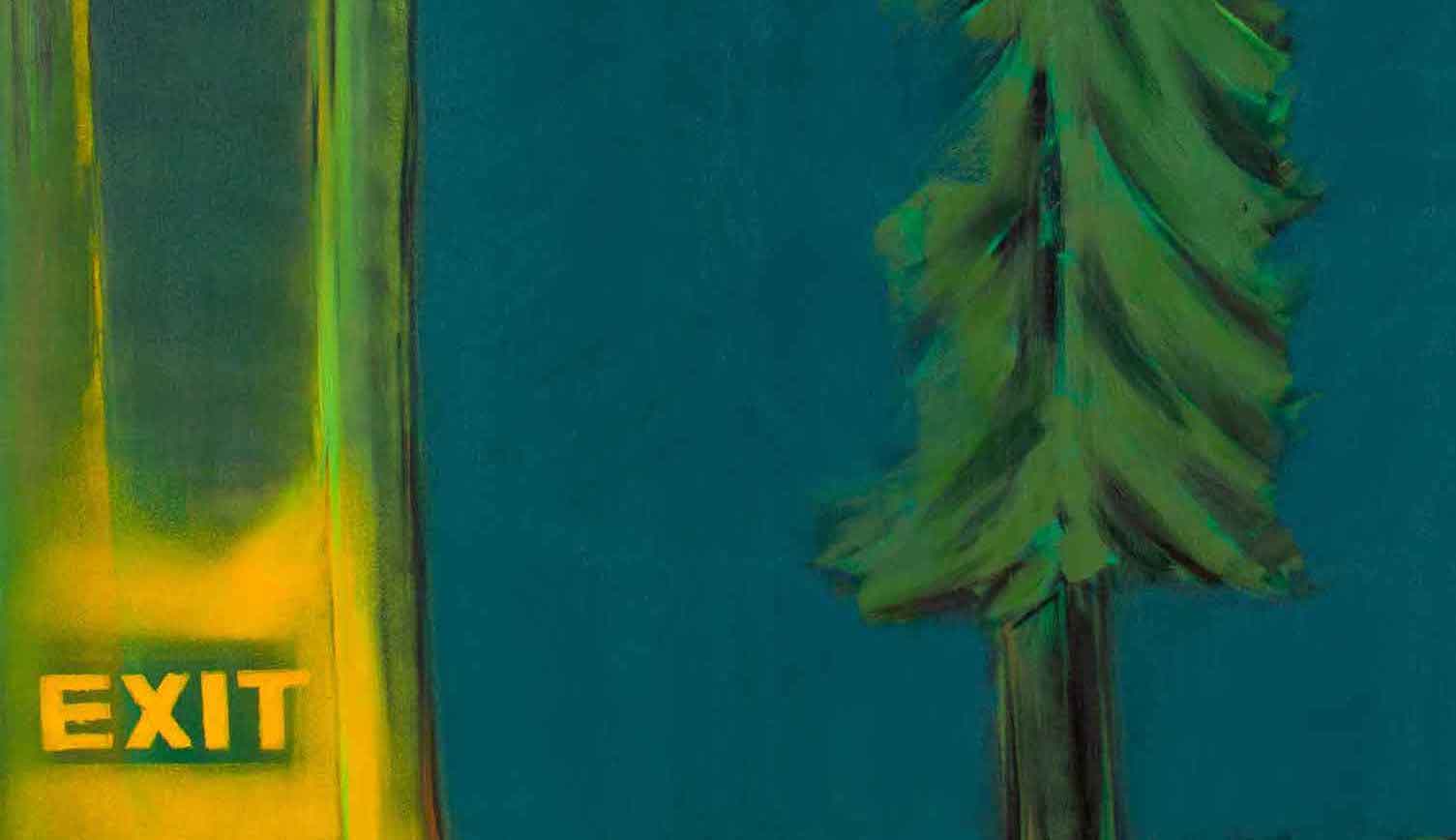
In the light of the ongoing pandemic, visual arts have been more concerned with the idea of timelessness and exploration of underlying spatial concepts. As a result of inherent global changes, interrelation with art has taken a brand-new form, restricting presence of time and space in virtually everyone’s life.
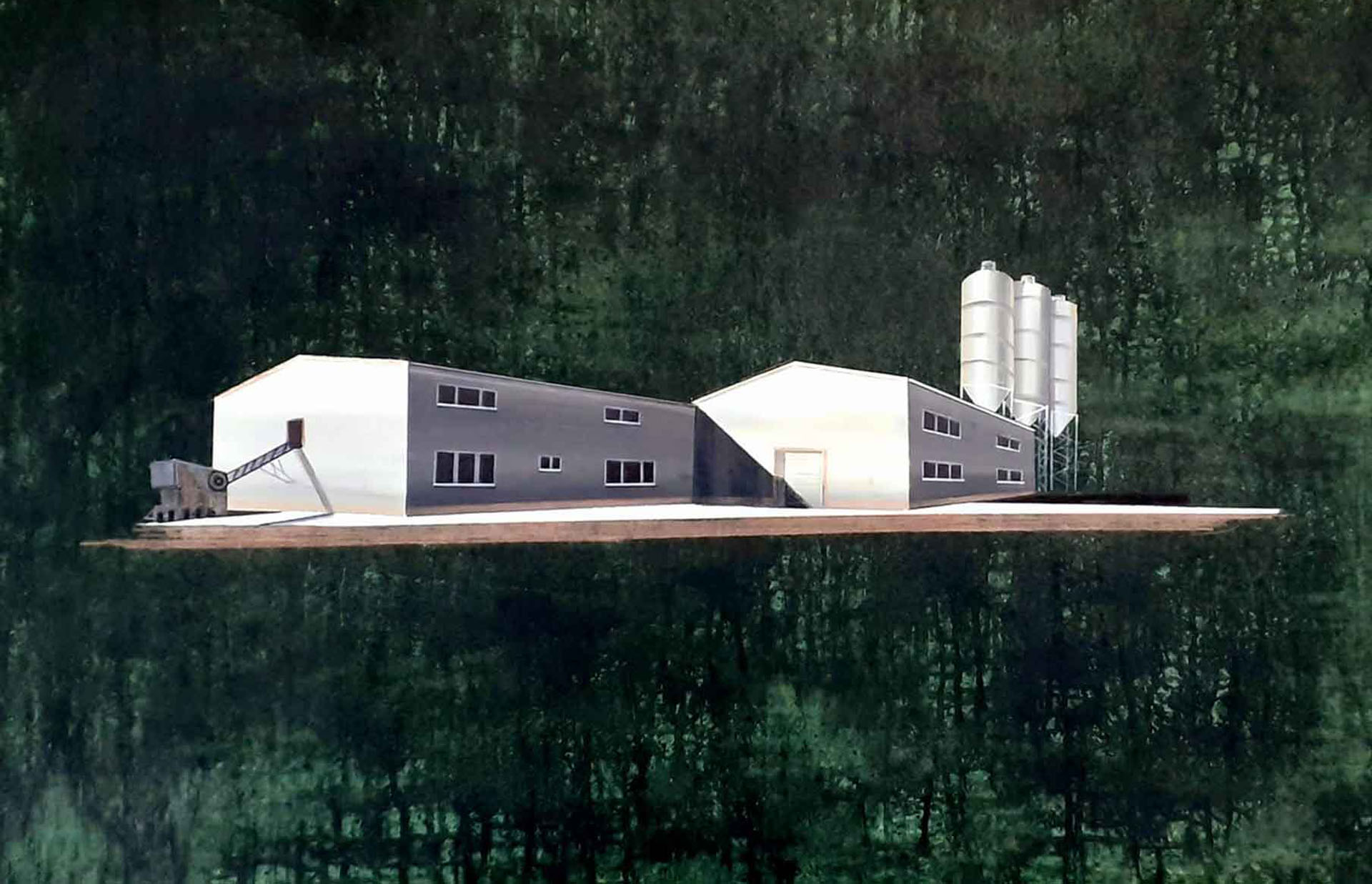
Architecture in developing countries is an excellent source for absurd content. Dehumanization of bureaucratic labyrinths and cynicism towards power in David Kukhalashvili’s expressive paintings seem to be intended for a new, animated version of The Trial by Kafka.
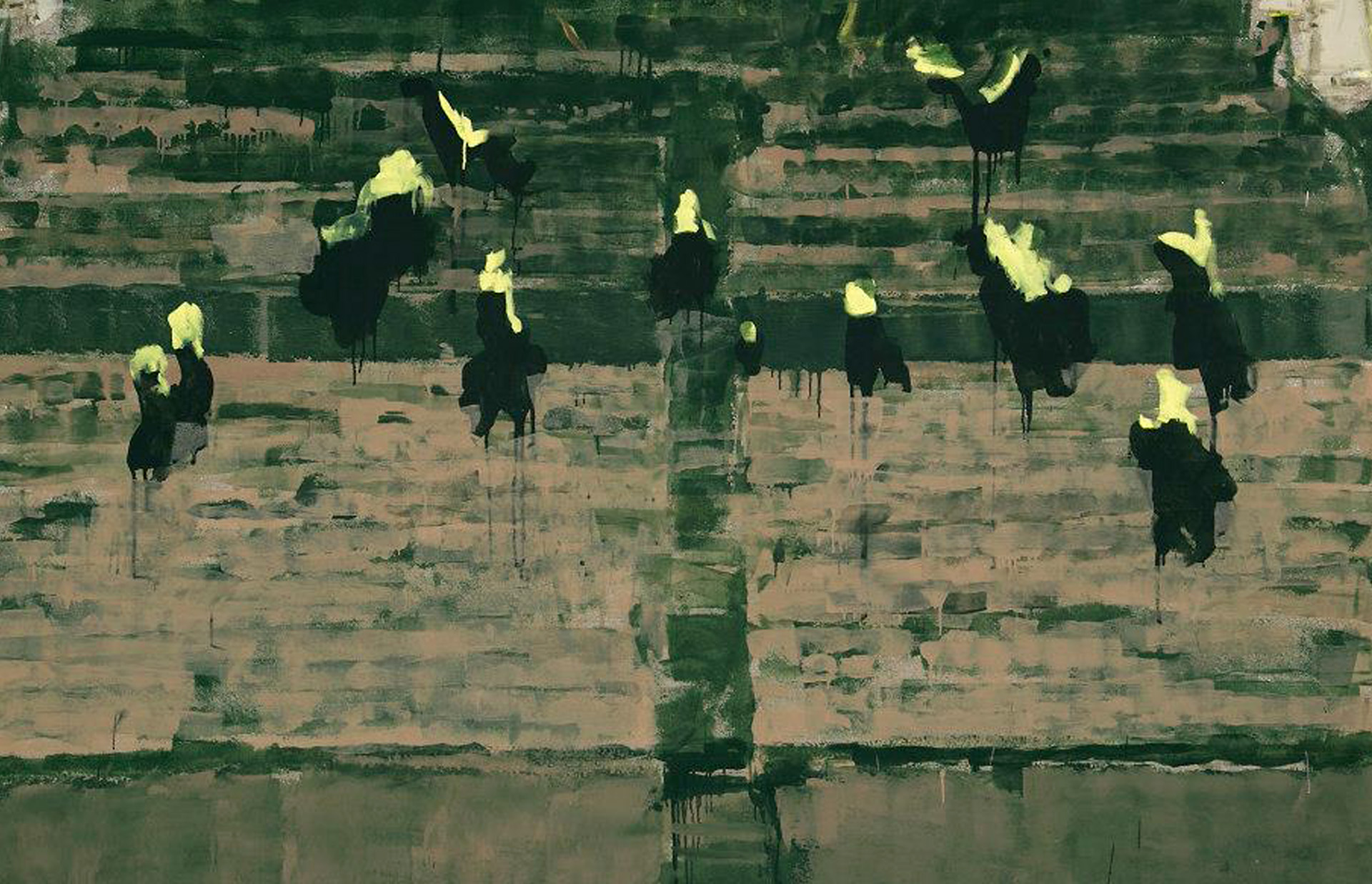
Vakho Bugadze is an artist who manages to strike a delicate balance between contrasting elements, combining brutal energy and sophisticated sensitivity to create a world free of tension in his works.
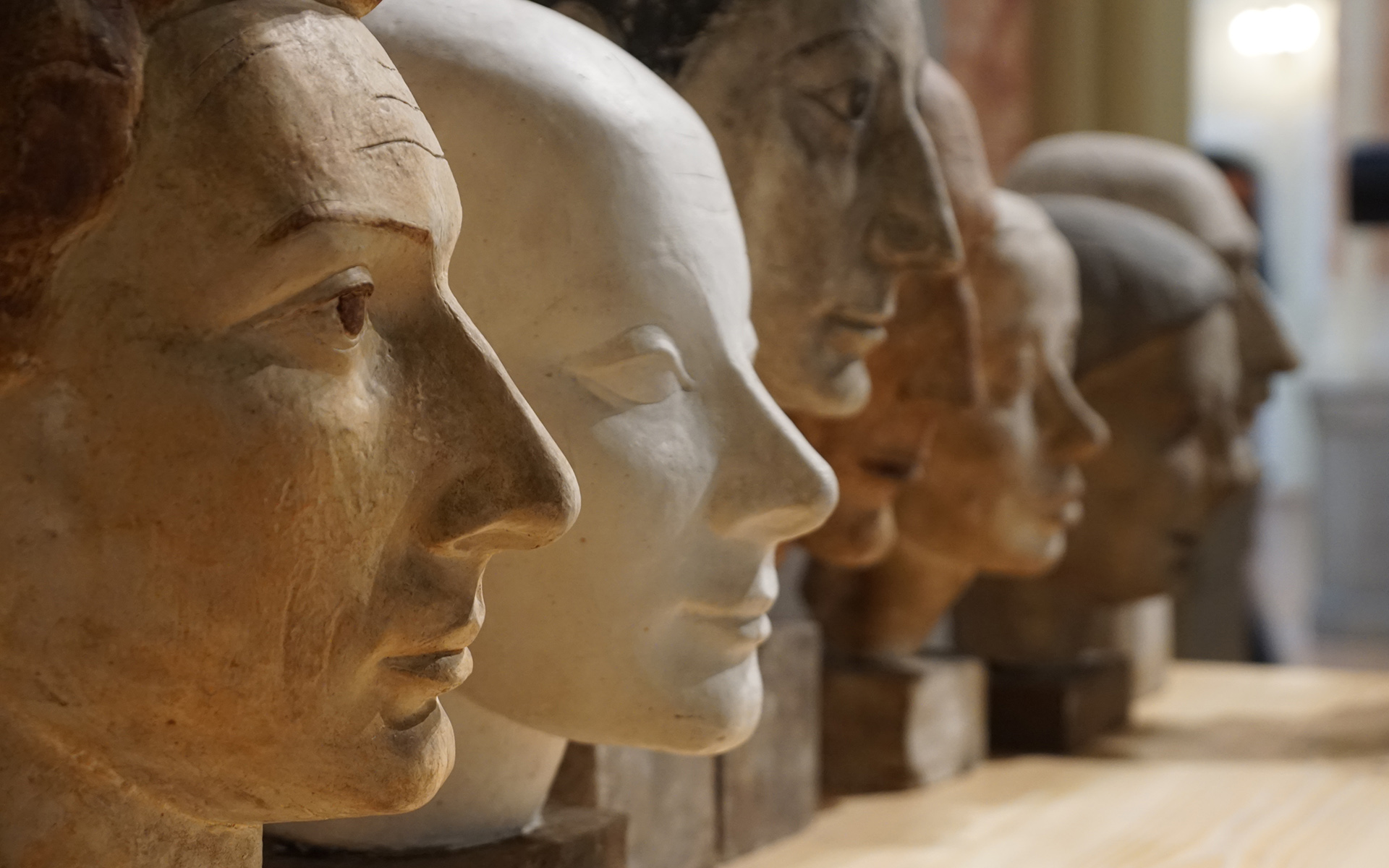
The depository for Rusudan Gachechiladze’s sculptures is located right in the yard of her house, in a small-size shed of the so-called “Italian yard”. Dusted shelves provoke associations of art-house movie-frames.
_100x150_cm._oil__acrylic___canvas_2017_(1).JPG)
Tato Akhalkatsishvili’s painting is full of variability of themes and serendipity, although they are integrated in one great and long-term project, which is Tato Akhalkatsishvili’s landscape.
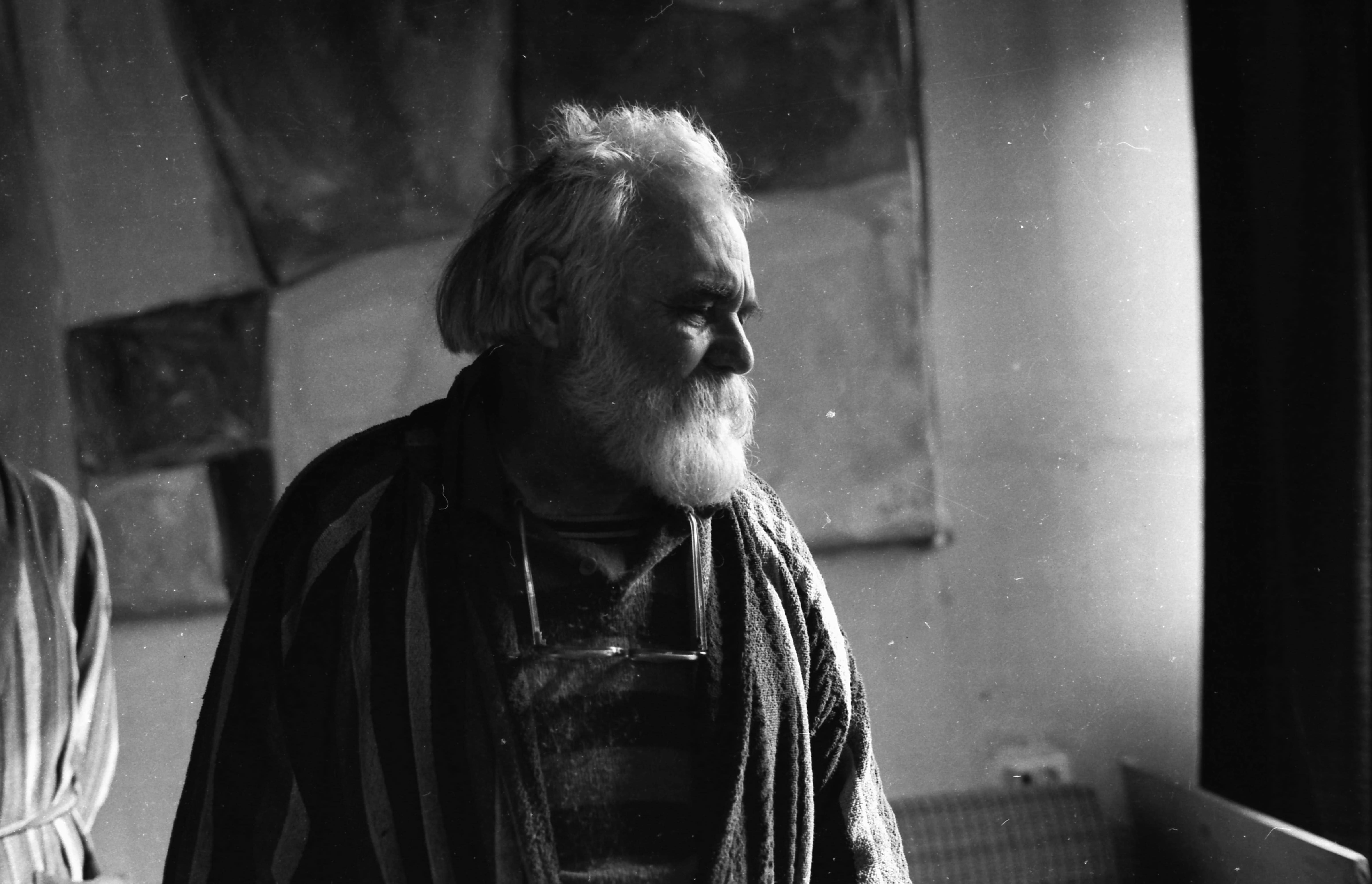
Alexander (Shura) Bandzeladze- Georgian representative of Abstract Expressionism. In the early 1990s, Alexander Bandzeladze was the eldest of acting figures of Georgian Contemporary Art and one of the first artists, who, in the 1960s and 1970s, deliberately engaged himself in late modernism problems and further influenced on-going art processes in Georgia.

Pandemic by Tamuna Melikishvili is one of the finest artistic commentaries on the subject-matter that has defined the modern era. Stylized portraits of strangers and passers-by are inserted on a page of a 1906 architectural album featuring iconic models of Renaissance-style windows. These windows are used as frames for the faces gazing out from within personal space, separated from the outside world, revealing the overarching mood of quarantine through their interests and anticipation, notes of despair and the inevitable psychological tension.