.jpg)
.jpg)


- Sort by
- Date
Feel free to add tags, names, dates or anything you are looking for



Feel free to add tags, names, dates or anything you are looking for

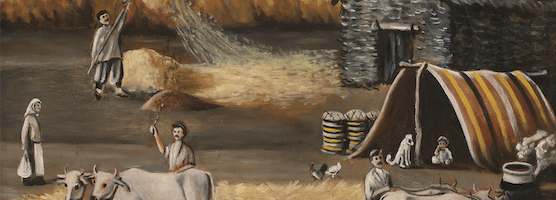
Devastated by the aftermath of World War I, the future renowned Georgian artist Lado Gudiashvili seeks out Niko Pirosmani in order to help him procure financial support from Tbilisi’s Union of Artists. He finds Niko, but it is of little use.
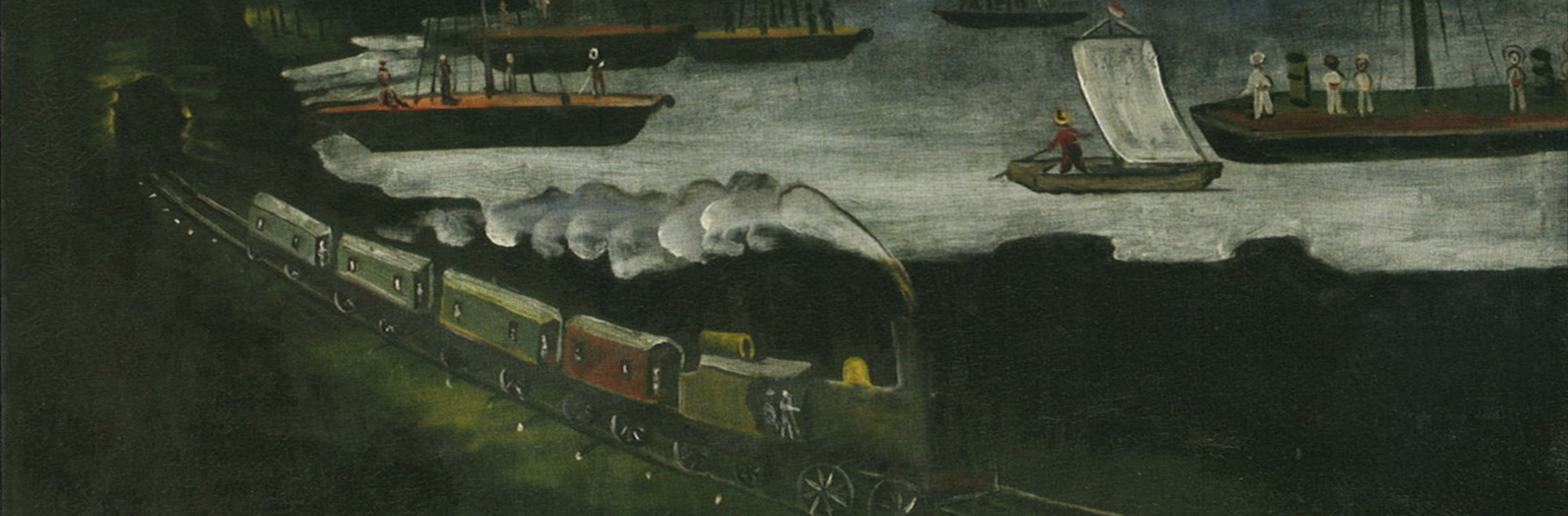
A year after having begun working for the railroad, he addressed the head of the transportation department with a request to find him a place to live in Elisavetpolis. However, this request was the second in a row after having previously asked the administration to relocate him to Tbilisi where his elderly parents lived, so that he could receive his inheritance.
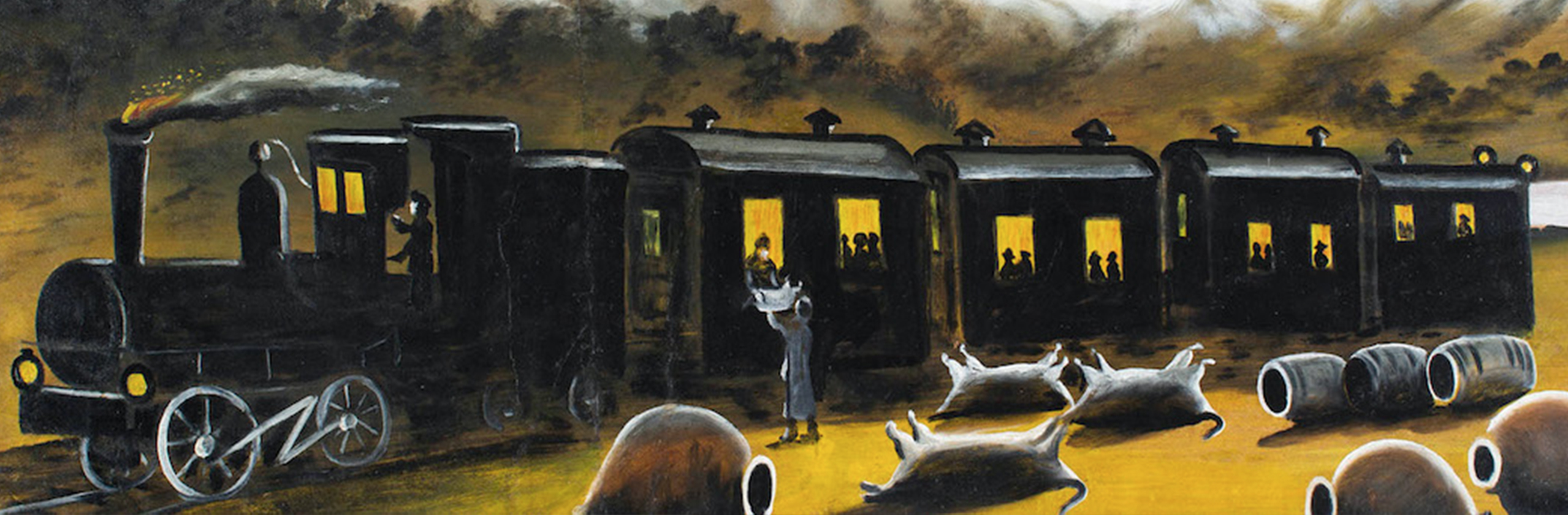
Pirosmani: Here is Georgia’s most famous artist. His biography is vague; the accuracy of the dates is difficult to define. History has preserved just three of his photos, and maybe even a couple of others that are disputed but plausible. However even these three images are subject to controversy.
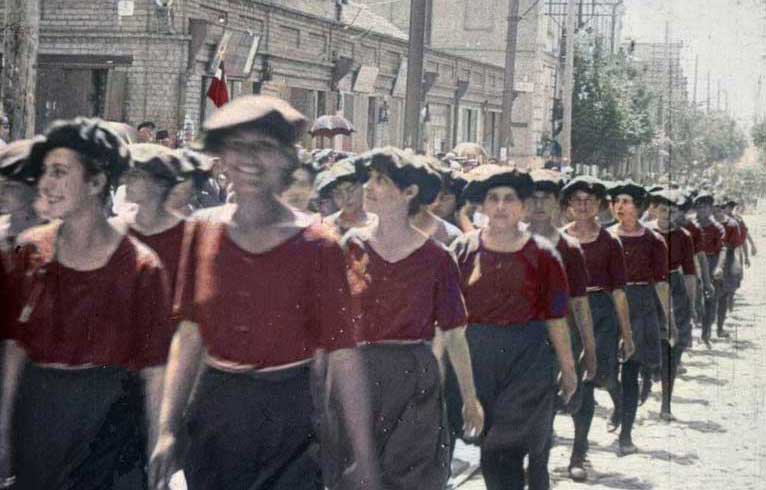
According to classic writer Alexandre Kazbegi (1848-1893): “Dark and withdrawn winter has long since passed, and taken with it the lead-colored clouds associated with sadness.”
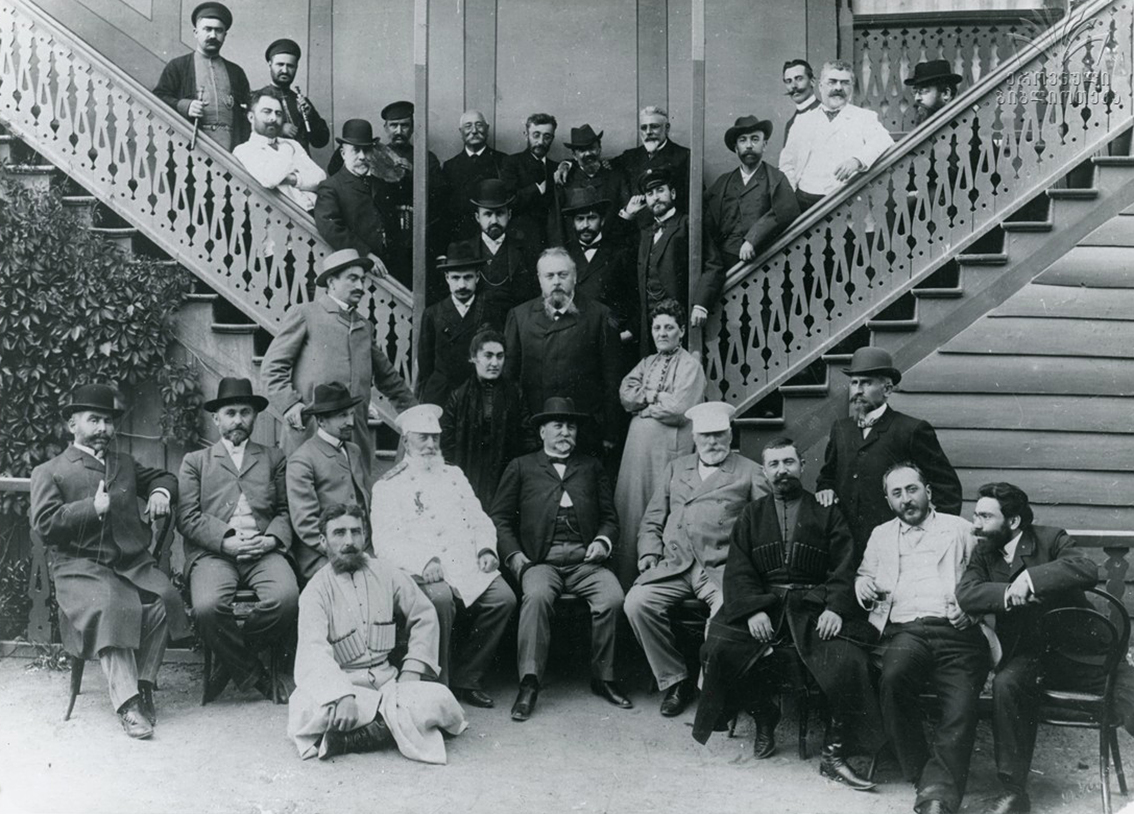
The Georgian writers of old times had different working conditions. Of course, some of them were very rich, like the General and poet Grigol Orbeliani were very rich, some of them belonged to the middle-class, while others, like Vazha-Pshavela were quite poor and only survived thanks to their peasant work or as one would say in those times, “operated the hoe”, were quite poor.
a.jpg)
With the advent of New Year’s Eve, just at the close of day, doors would come ajar all over Tbilisi. Word had it that the good old breeze—that spirit, that pleasant sensation, that brisk, ethereal waft of luck would appear at dusk and glide gently door to door, into each household.

So it happened that Ilia Chavchavadze did not really have a home in Tbilisi until a much older age. He would always rent properties and finally got to purchase something roughly around the beginning of the twentieth century—something only a masterly architect managed to bring up to standard at the time.