


- Sort by
- Date
Feel free to add tags, names, dates or anything you are looking for



Feel free to add tags, names, dates or anything you are looking for

.jpg)
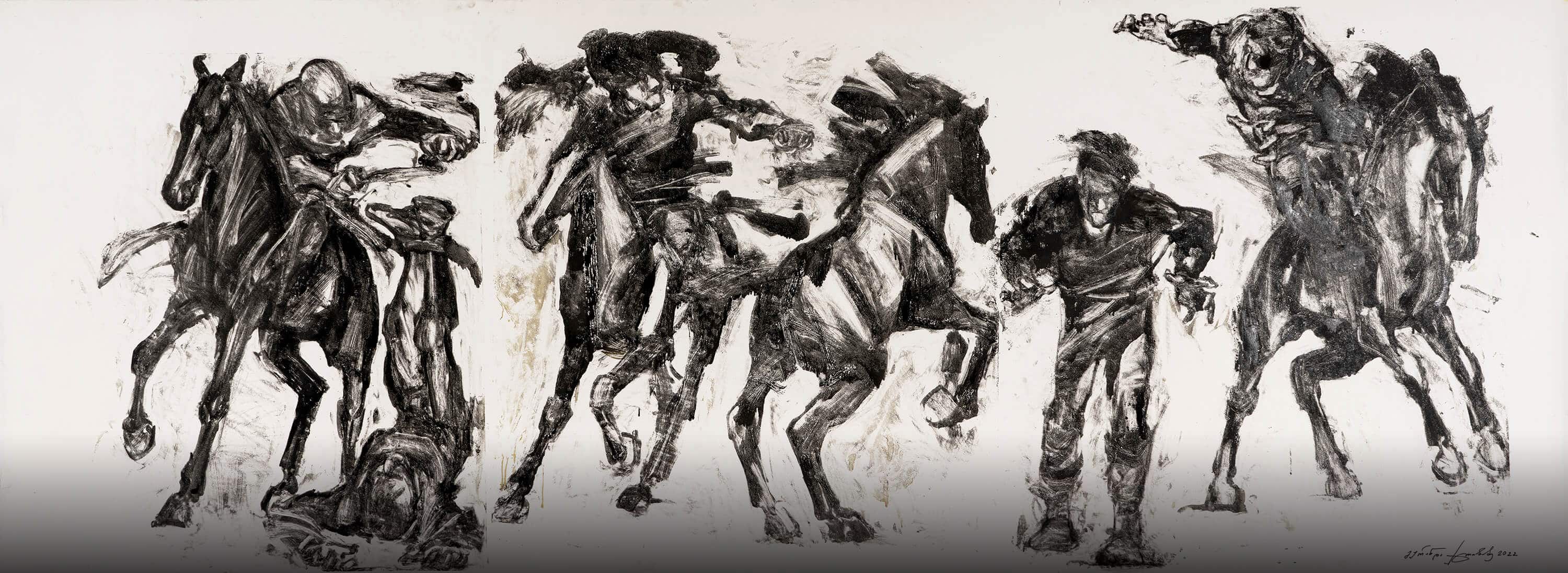
A remarkable Georgian enlightener of the late feudal period, Sulkhan-Saba Orbeliani was born in 1658 in the village of Tandzia. His father, Vakhtang Orbeliani, served as the secretary of the King of Kartli, and his mother, Tamar, was the daughter of Zaal, Eristavi of Aragvi, who ruled over the mountainous region of Kartli. Sulkhan spent his childhood in Tandzia, where he was raised with his brothers. Later, he lived mainly in Dmanisi. From childhood, Sulkhan was particularly close to the sons of King Vakhtang V Shahnavaz (r. 1658-1675), especially Giorgi (the future King Giorgi XI of Kartli).
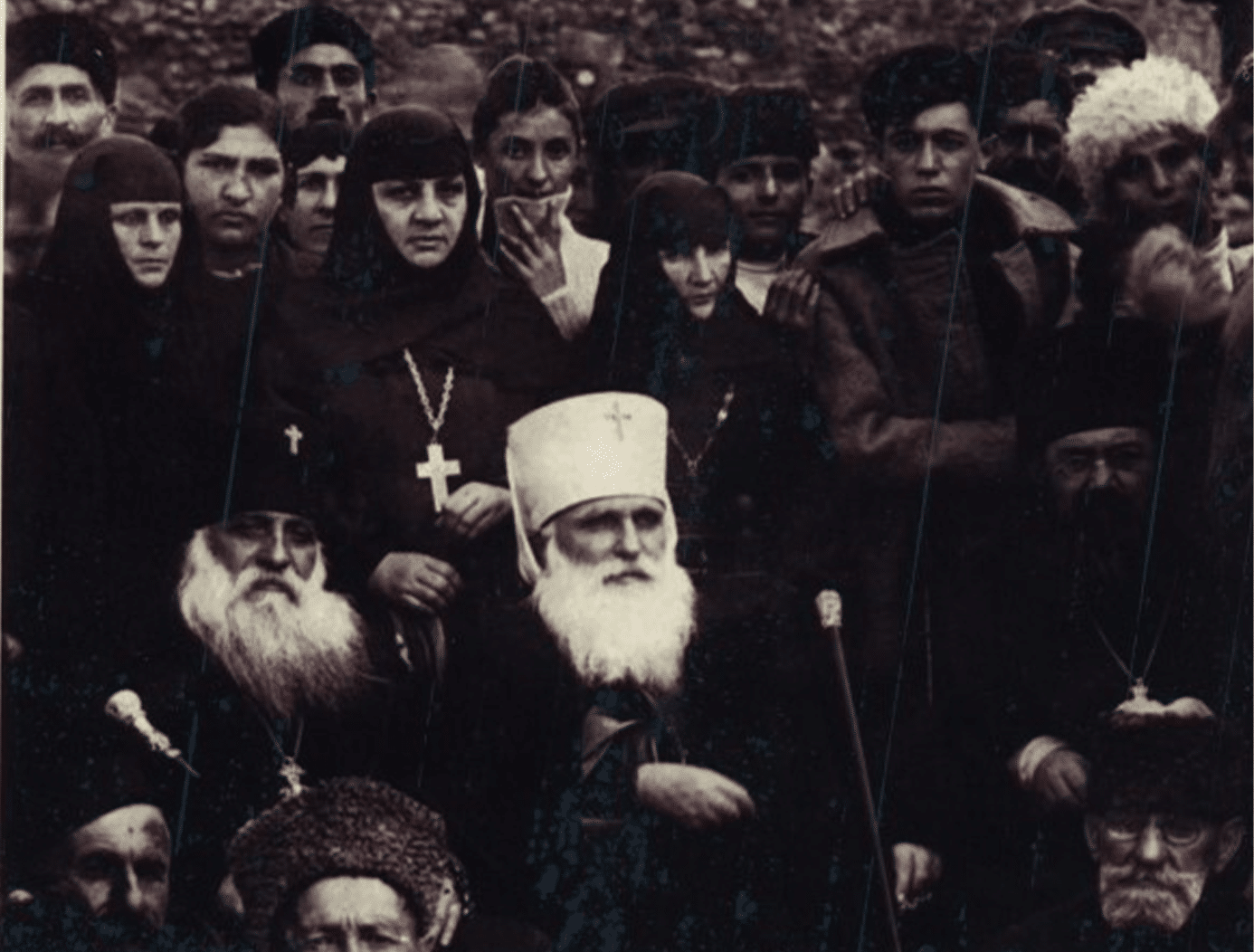
Ambrosius (secular name: Besarion) Khelaia came from a family of priests and missionaries. His father, Zosime Khelaia, and his grandfather, David Khelaia, were active missionaries in Abkhazia. Ambrosius’ father served at one of the most revered shrines of western Georgia, the Church of St. George in Ilori. In the Georgian imagination, Ilori has been shrouded in a mystical veil since ancient times.
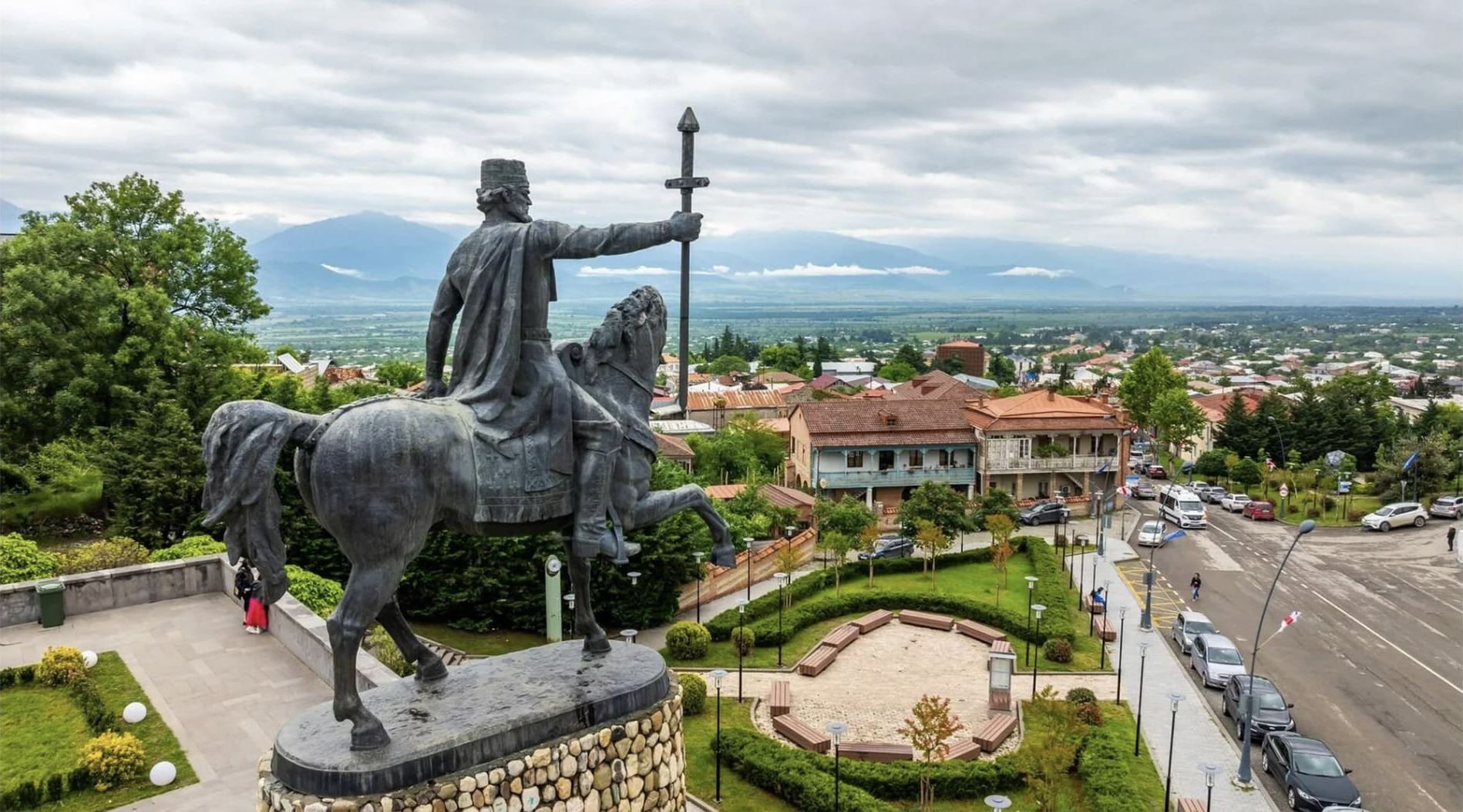
King Erekle was a son of King of Kakheti Teimuraz II. King Teimuraz II ruled Kakheti from 1709 to 1744, first as a governor, and then as King of Kartli from 1744. Interestingly, Teimuraz’s father, Erekle I (1688-1709), and brother, Constantine II (1722-1732), were not distinguished by their devotion to Christian religion or high ideals. Indeed, their biographies show that power was more important to them than the well-being of their subjects or peaceful relations with the neighboring rulers. Yet, it appears that, unlike his father and brother, Teimuraz was firmly determined to defend Christianity and establish an alliance with Russia so as to be able to defend his kingdom against its Muslim neighbors. Erekle II’s mother, Tamar, was the daughter of King Vakhtang VI (1716-24), so the prince, born in Telavi on November 7, 1720, united both the Kartlian and Kakhetian branches of the Bagrationi dynasty of Eastern Georgia.
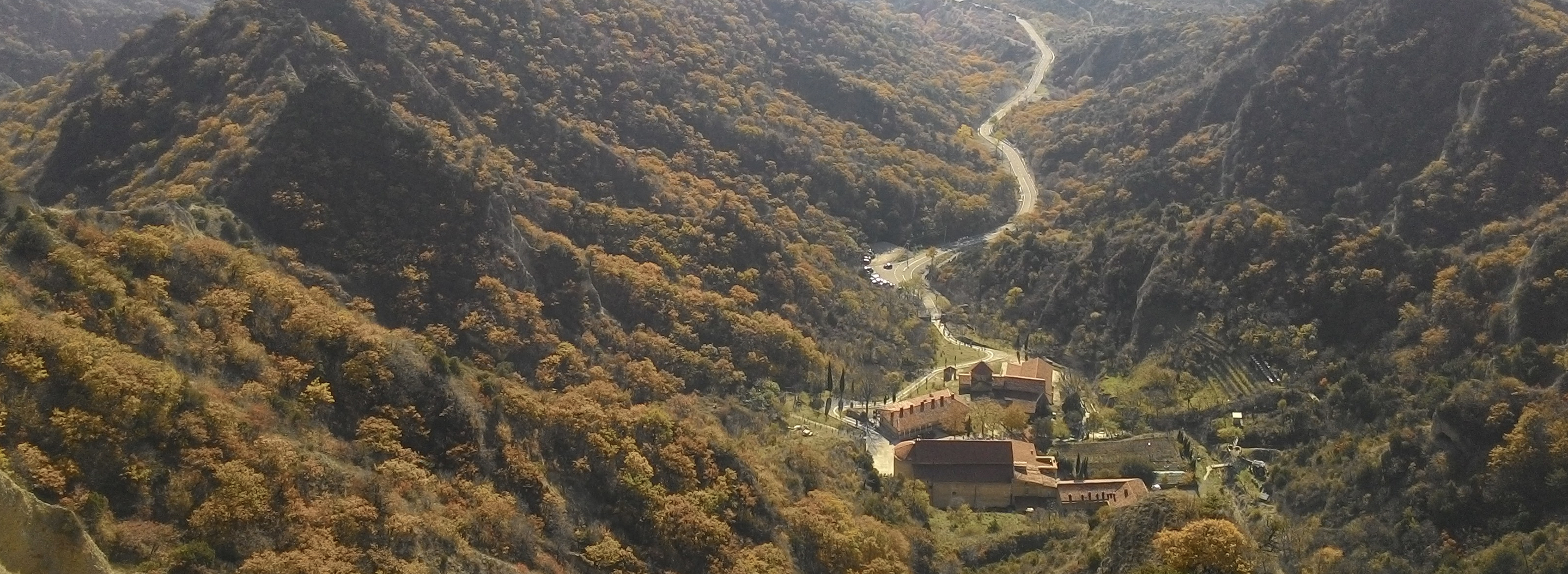
The men were both ascetics and missionaries, whose mission was to preach Christianity, and the foundation of monasteries became part of this mission. It is hard to know to which theological doctrine these ascetics adhered, and there is a great variety of scholarly opinion regarding this fact, seeing some declaring them Chalcedonians, others anti-Chalcedonians, while part of the academic community believes them to have been Nestorians.
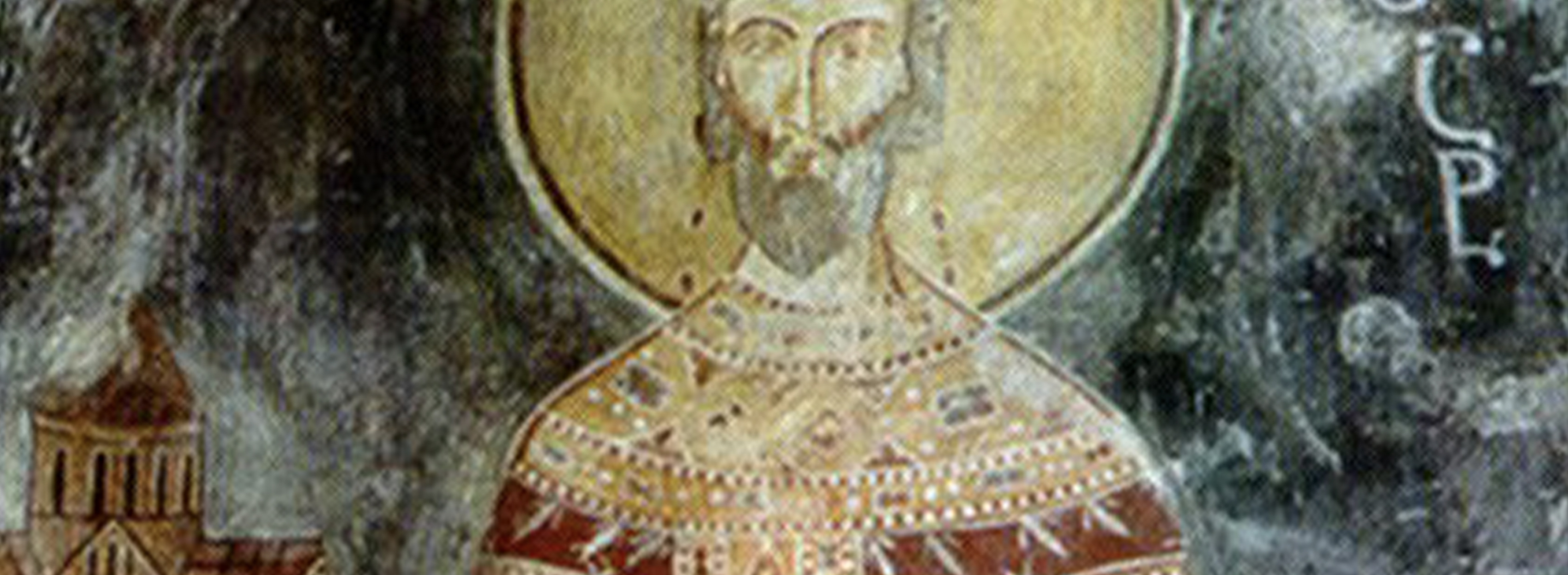
At the end of the tenth century, the Georgian kingdoms and principalities entered a decisive battle for the unification of all the Georgian lands. The Kingdom of Apkhazeti (western Georgia), Tao-Klarjeti (southern Georgia), and Kartli, dominated by various great houses and the Kingdom of Kakhet-Hereti, struggled for dominance and supremacy in the Caucasus. In the early 10th century, the leading political role was assumed by Apkhazeti, yet, soon, the southern Georgian kingdom of Tao-Klarjeti was to re-emerge as a significant force in Caucasian politics.

In 813, the Presiding Prince Ashot I Curopolate fled the Arab oppression in Tbilisi and went to the southern Georgian province of Klarjeti. There, he established the new principality of Tao-Klarjeti. This principality played a crucial role in the history of Georgia during the ninth and tenth centuries, although Prince Ashot was not the first to set up home there. Before Ashot, men and women who sought seclusion for a ‘holy life’ had traveled to Klarjeti; monks and nuns led by medieval Georgian monastic leader Gregory of Khandzta (759–861). The intensive monastic colonization of these lands was one of the strongest factors that contributed to the rise of the Principality/Kingdom of Tao-Klarjeti.

King Vakhtang I Gorgasali (ca. 442–502) was arguably the greatest Georgian king of late antiquity. From the early Middle Ages onwards, he became one of the main protagonists of Georgian folklore - a great king whose power could shake even the icy peaks of the Caucasus; a fierce fighter with superhuman strength and bravery. Unfortunately for scholars, most medieval accounts about King Vakhtang are predominantly legendary. However, that does not mean he did not exist and was invented later, nor is he as legendary as, say, King Arthur. Indeed, most scholars agree that King Vakhtang was a historical figure who ruled the Kingdom of Iberia in the late fifth century.
_copy.jpg)
The reign of Queen Tamar was a unique event, not only in the history of Medieval Georgia, but also in the history of Medieval Christendom as a whole. This female king ruled her kingdom as a true and lawful ruler in her own right.
_(Photo_by_Archpriest_Ilia_Chighladze).jpg)
Since George was unable to solve the major problems that Georgia was facing, he abdicated and placed the crown on the head of his sixteen-year-old son, David. This young man represented new hope for the Georgian Kingdom. The once glorious kingdom was now completely helpless, and lay in ruins.
).jpg)
This is the fascinating and miraculous story about the conversion of the Iberian (eastern Georgian) Kingdom to Christianity at the beginning of the fourth century.
_(1).JPG)
Colchis was the first definitive political formation created by the ancestors of modern Georgians. It emerged in the lands of western Georgia (while another ancient Georgian kingdom, that of Iberia, was established in eastern Georgia).

The story of Parnavaz (299-234 B.C.) begins with a legend about the military expedition of Alexander the Great in Iberia (eastern Georgia or Kartli). Alexander conquered all the lands of the known world, and during his glorious conquests he also visited Iberia.