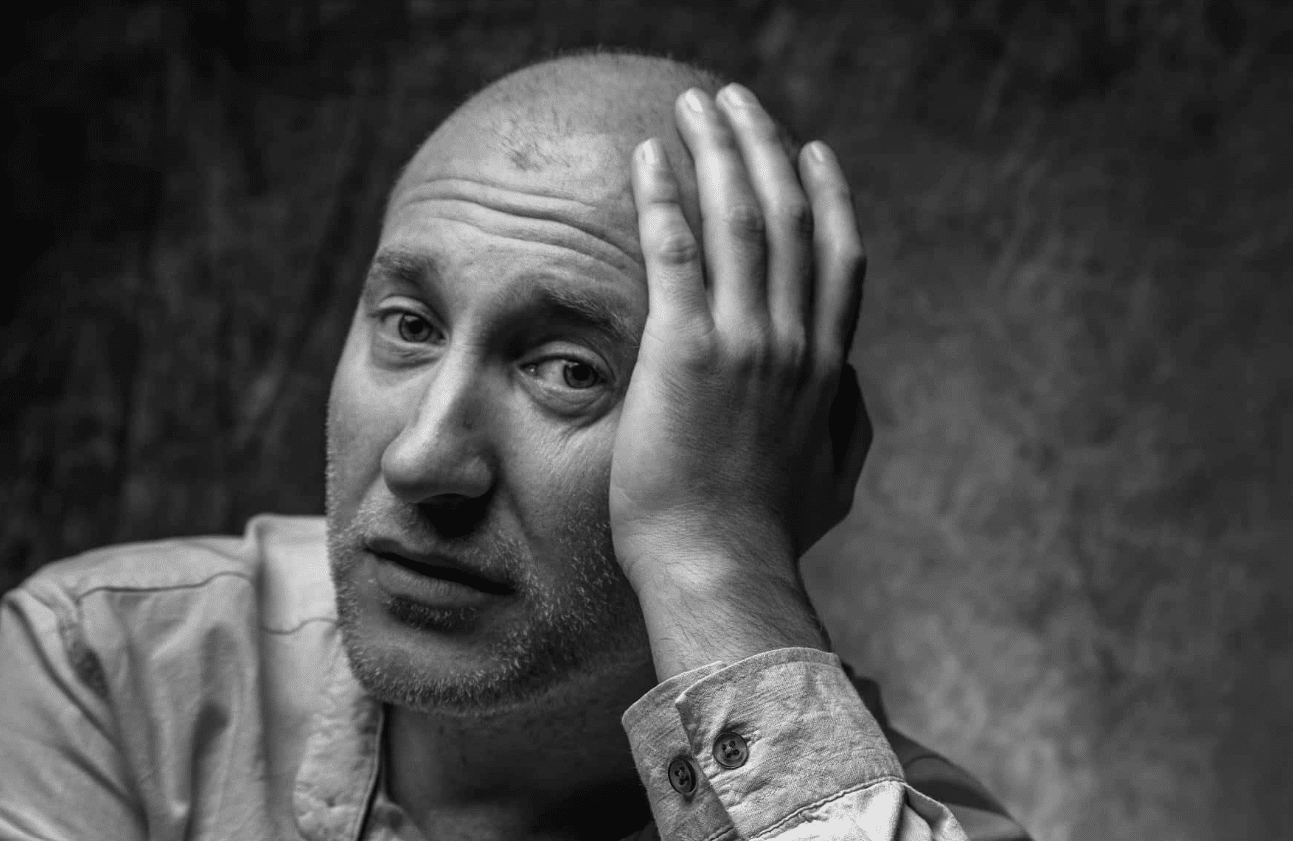
Lasha Chkhartishvili - Theatre Studies, Theatre researcher, Doctor of Arts, Associate Professor at the Shota Rustaveli Theatre and Film State University of Georgia. He is the founder of the Centre for Contemporary Georgian Theatre Studies (2010) and the Digital Archive of Georgian Theatre (2019), as well as the Editor-in-Chief of the online journal theatrelife.ge.
Lasha Chkhartishvili is Vice President of the International Theatre Critics Union (TCIU), a member of the International University Theatre Association (IUTA), and Vice President of the Georgian Union of Theatre Critics. Since 2020, he has been a member of the editorial board of the journal Theatre Studies of Central and Eastern Europe. Lasha Chkhartishvili has been invited to deliver workshops and masterclasses at various universities across Europe and Central Asia on the following topics: contemporary theatre trends, new theatre and its technical challenges, theatre from the millennium to the pandemic, and others.
He is the co-author of several textbooks and the author of auxiliary teaching materials and monographs, as well as dozens of scholarly studies published in international academic journals across Europe and Asia (France, the United Kingdom, Poland, Switzerland, Romania, Ukraine, Bulgaria, Belarus, Russia, Azerbaijan, Italy, India, Kazakhstan, Georgia).
Lasha Chkhartishvili is an active theatre critic, author of hundreds of reviews and publications addressing current issues in contemporary Georgian and European theatre. He is a four-time recipient (2007, 2012, 2020, 2023) of the Georgian Theatrical Society’s award for “Best Theatre Review” and has been awarded the Valerian Gunia and Vasil Kiknadze prizes for his contribution to theatre studies.
His research interests include: transformations of post-Soviet theatre, the relationship between theatre and political discourse, issues of censorship and self-censorship in theatre, the evolution of the language of criticism, structural changes in contemporary Georgian theatre, and the role of society in the theatrical process. For him, theatre represents a living social mechanism, the study of which requires the simultaneous understanding of historical, political, and cultural contexts.